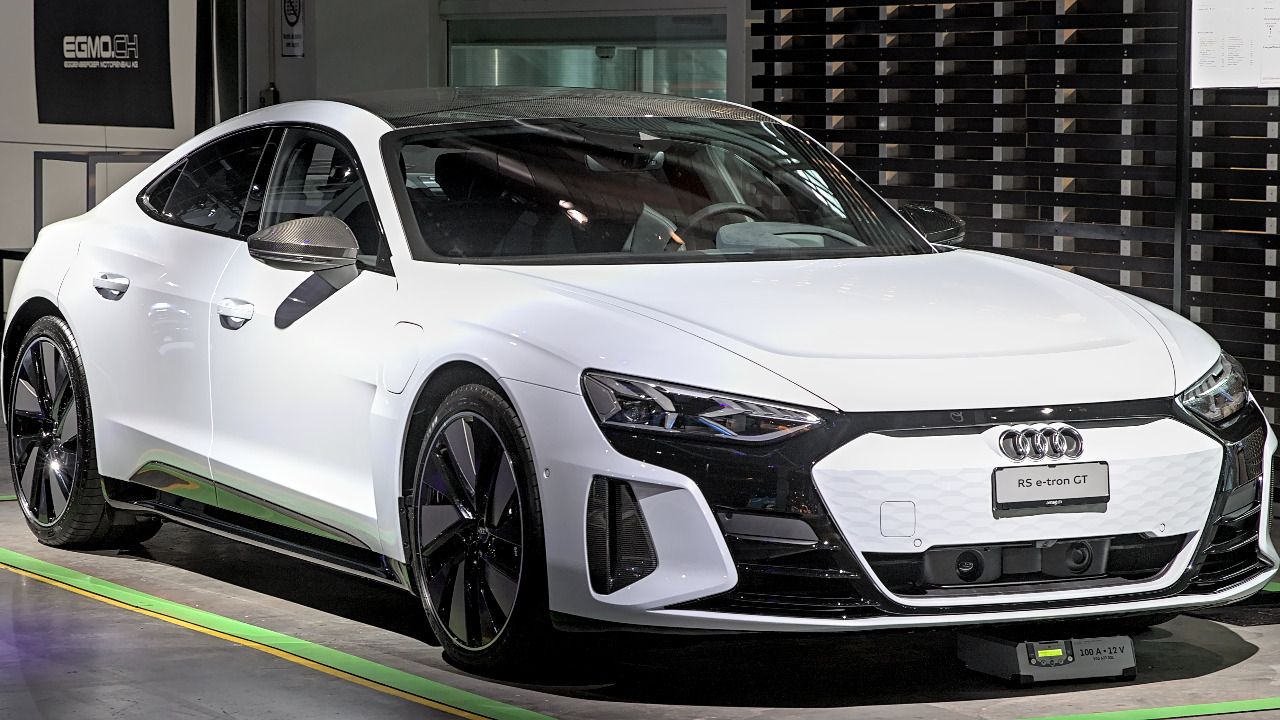
Electric cars have been heralded as the future of transportation, promising sustainability and cutting-edge technology. However, not all electric vehicles live up to the hype. Despite their initial promise, some models have left drivers disappointed due to various shortcomings.
Tesla Model Y
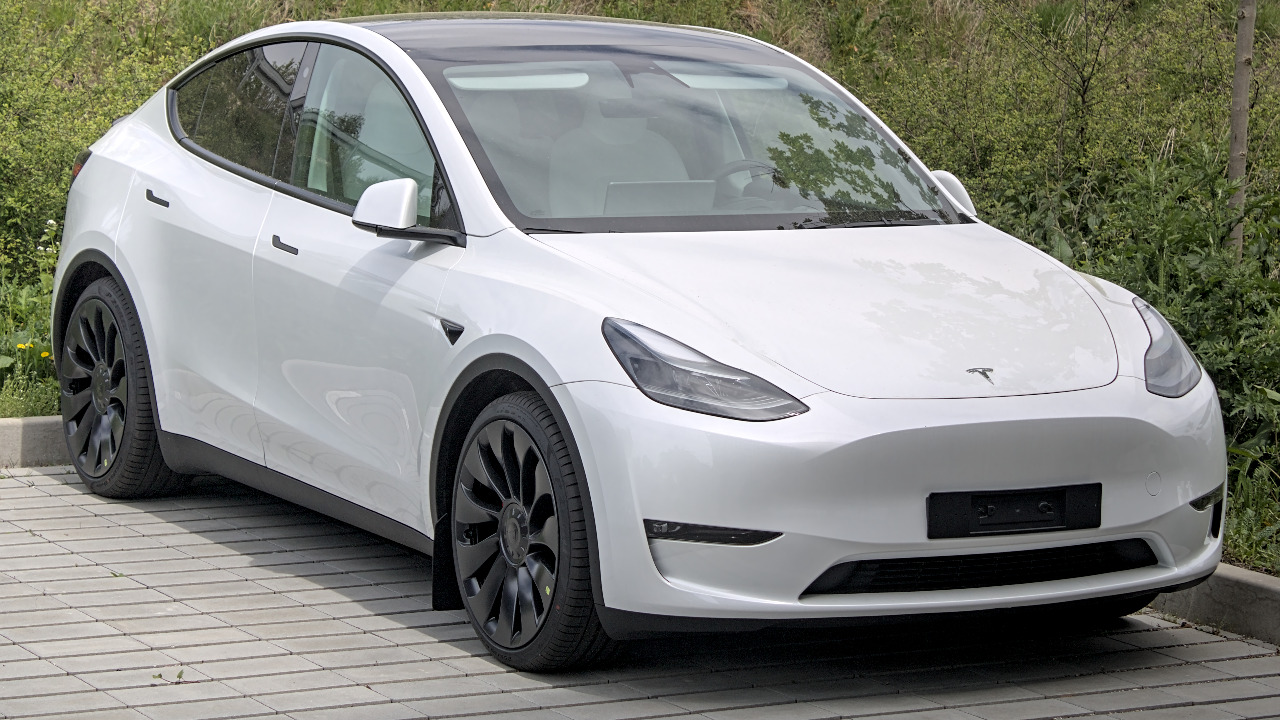
The Tesla Model Y has been a staple in discussions about electric vehicles, but it doesn’t always meet expectations. While it boasts an impressive range and acceleration, many users have reported issues with build quality and interior finish. These quality control problems can be a significant deterrent for potential buyers seeking a premium experience.
Additionally, the Model Y’s software-centric nature means that essential features are often locked behind software updates, which can be frustrating for owners. Despite its cutting-edge reputation, the Model Y’s real-world performance and reliability can sometimes leave drivers wanting more.
Nissan Ariya

The Nissan Ariya entered the market with high expectations, promising to combine Nissan’s EV expertise with a futuristic design. However, it falls short in a few critical areas. The car’s range, while adequate, doesn’t quite match up with some of its competitors, making it a tough sell for long-distance travelers.
Moreover, the Ariya’s interior, while stylish, lacks the luxurious feel many expected. Its infotainment system also leaves much to be desired, with user interface quirks that can be cumbersome. These factors contribute to a sense of disappointment among those who anticipated more from this vehicle.
Lucid Air
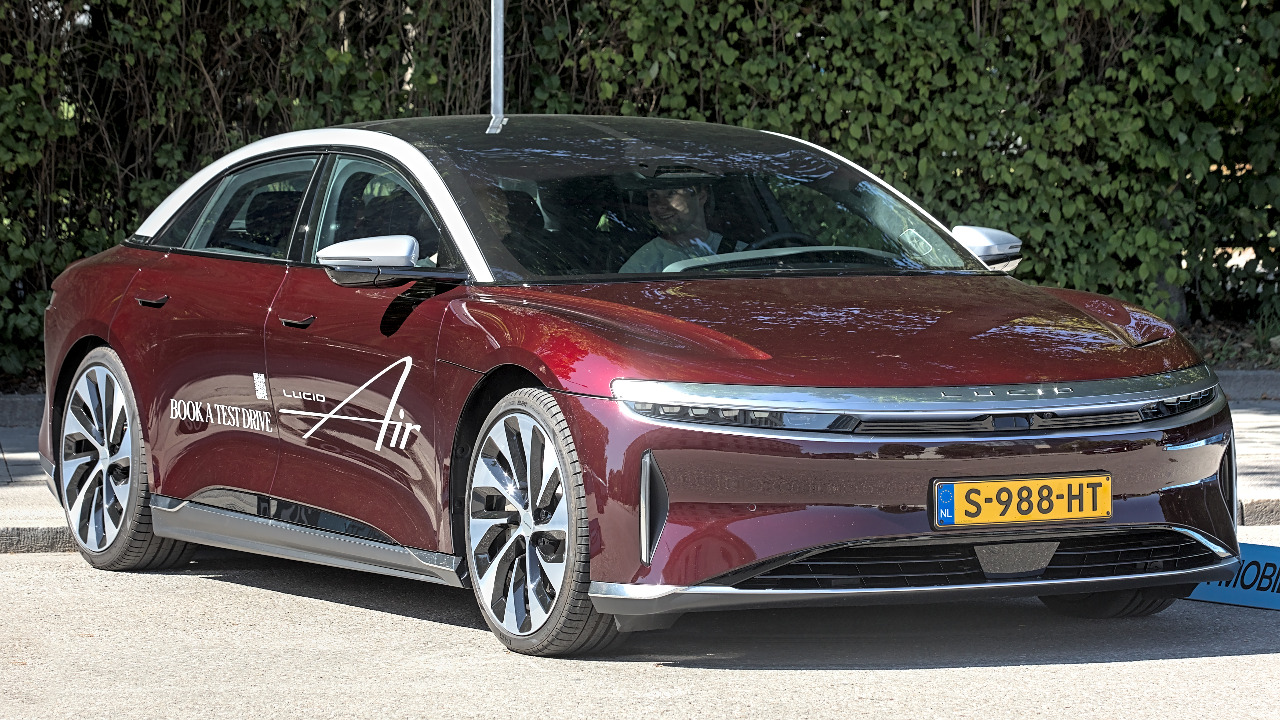
The Lucid Air was touted as a luxury EV that could rival Tesla, but it has faced significant challenges. While its range and performance are impressive on paper, the car’s high price tag is a barrier for many. Additionally, early models have suffered from production delays and delivery issues, causing frustration among eager buyers.
Furthermore, Lucid’s customer service has come under scrutiny, with reports of long wait times and unresolved issues. These stumbling blocks have tarnished what was supposed to be a groundbreaking entry into the electric luxury market.
Ford Mustang Mach-E
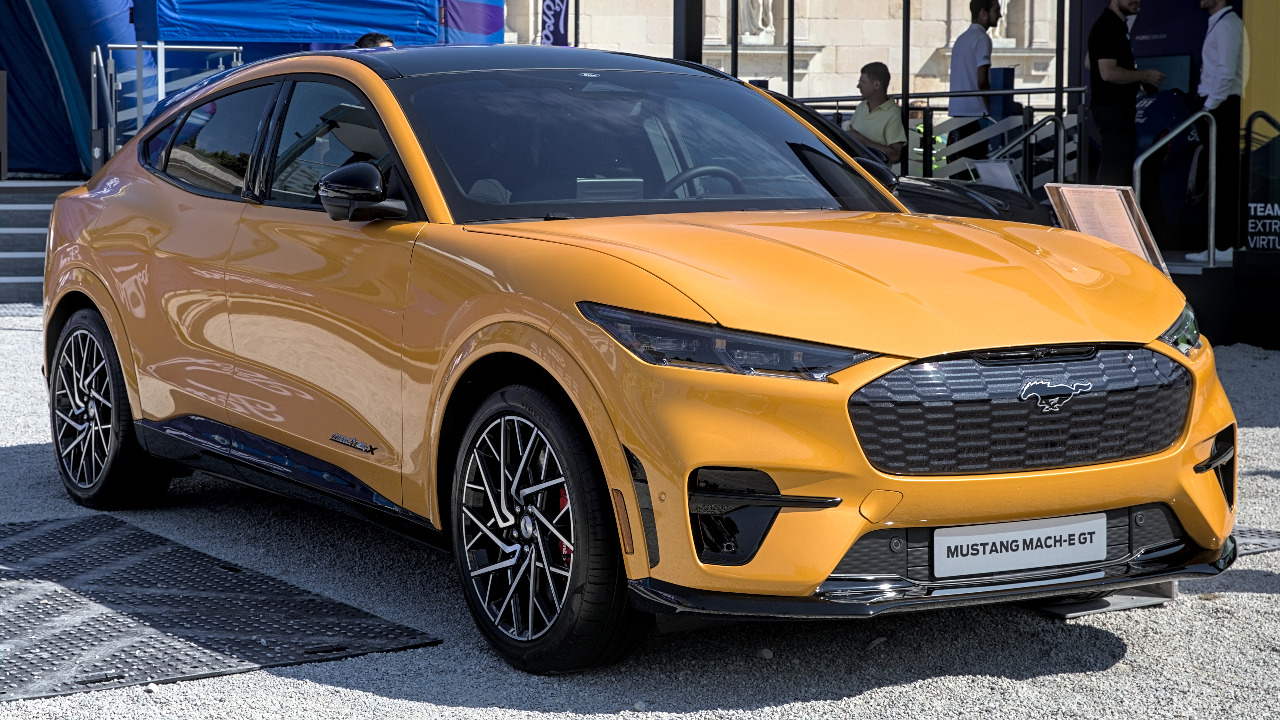
The Ford Mustang Mach-E promised to blend the spirit of the classic Mustang with modern electric vehicle technology. However, some purists have criticized its departure from traditional Mustang design elements. Additionally, the Mach-E’s real-world range has been a point of contention, often falling short of the advertised numbers.
Moreover, the vehicle’s handling and driving dynamics have been described as less engaging than expected, leaving some enthusiasts disappointed. These performance issues have made the Mach-E a controversial addition to the Mustang lineup.
Audi e-tron GT
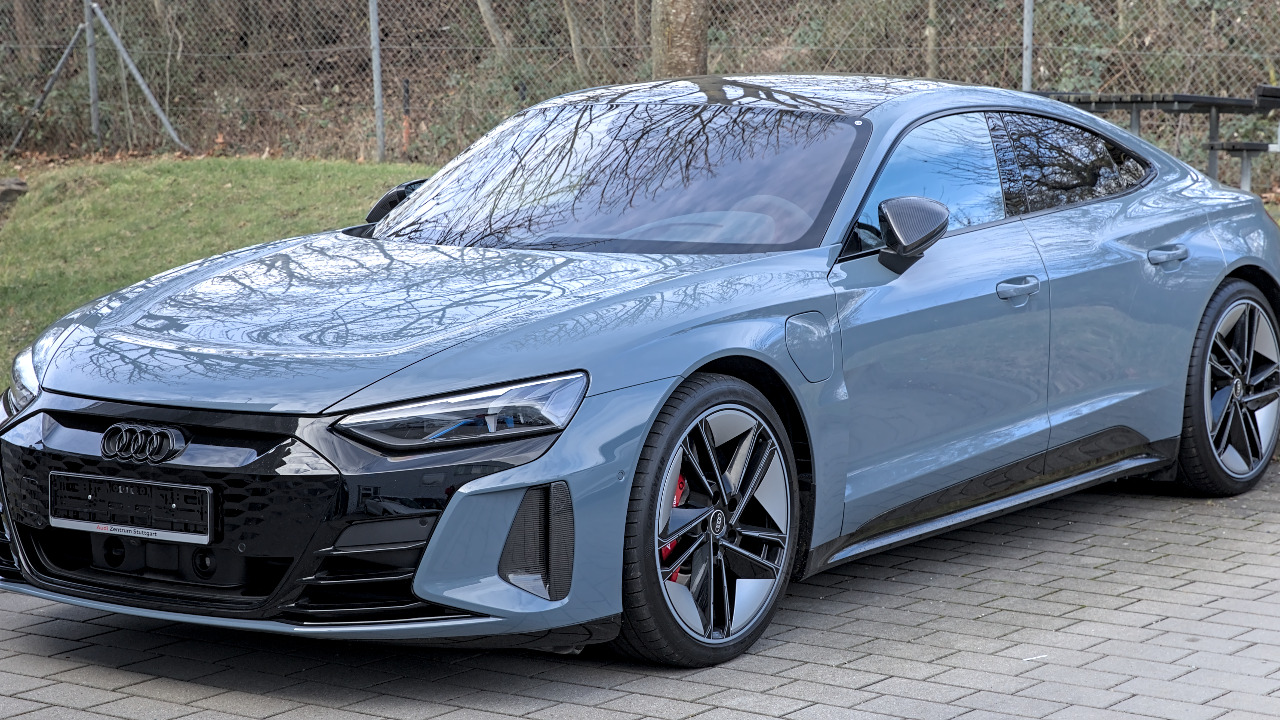
The Audi e-tron GT was expected to be a game-changer in the performance electric vehicle segment. While it offers impressive speed and handling, its high price tag and limited range compared to competitors make it less appealing to some buyers.
Additionally, the e-tron GT’s charging infrastructure isn’t as robust as some might hope, leading to inconvenience on longer trips. The combination of these factors has resulted in a car that, while technically impressive, may not fully satisfy the needs of all potential owners.
Rivian R1T
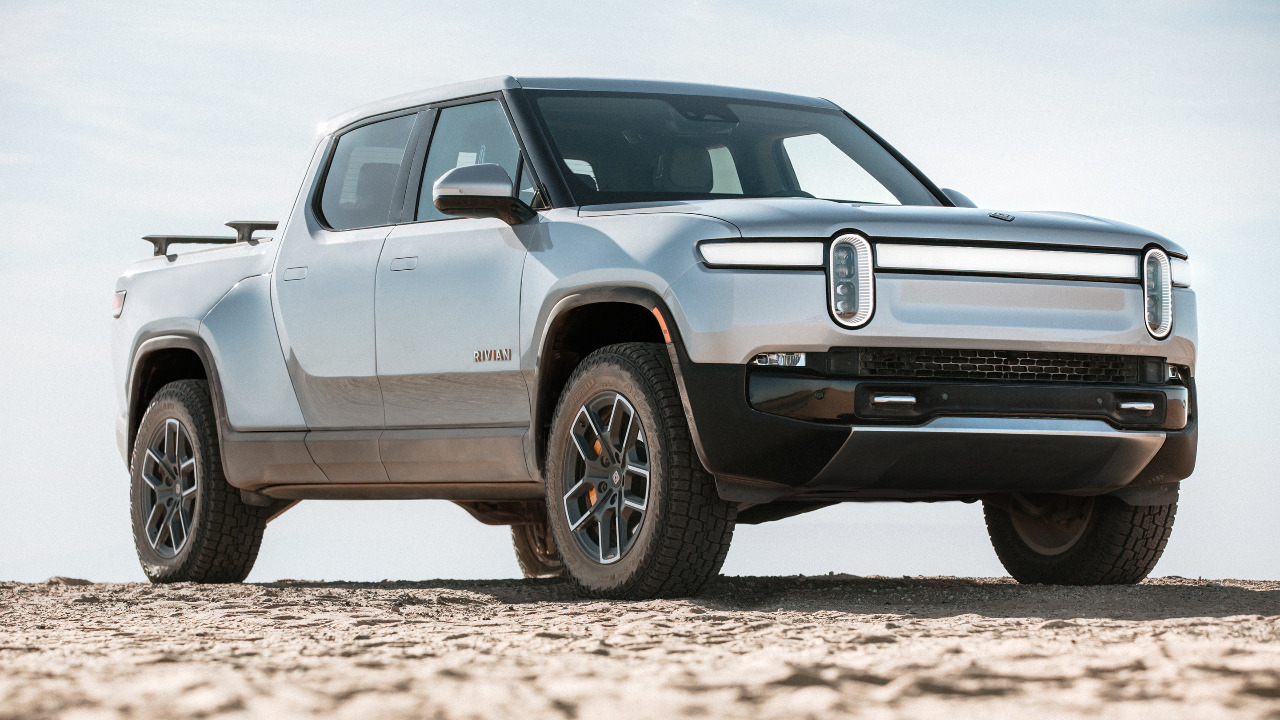
The Rivian R1T has been eagerly awaited as a rugged electric truck capable of off-road adventures. While its design and concept are compelling, the vehicle faces challenges in terms of production and availability. Delays in delivering pre-orders have frustrated many potential buyers.
Moreover, the R1T’s real-world range and towing capacity, while adequate, don’t always match the lofty expectations set by its marketing. These issues have contributed to a growing sense of disappointment among those who were initially excited by Rivian’s ambitious vision.
Like Fast Lane Only’s content? Be sure to follow us.
Here’s more from us:
- All New Trans Am: 10 Things You Need to Know
- The Fastest Farm Truck Ever Built
*Created with AI assistance and editor review.