As a car enthusiast, I often find myself enamored with the history and design of vehicles from the past. However, not all classic cars deserve the spotlight. Some models, despite their initial promise, ended up being more infamous than iconic. Here’s a look at eight such cars that might have been better left in the showroom.
Ford Edsel
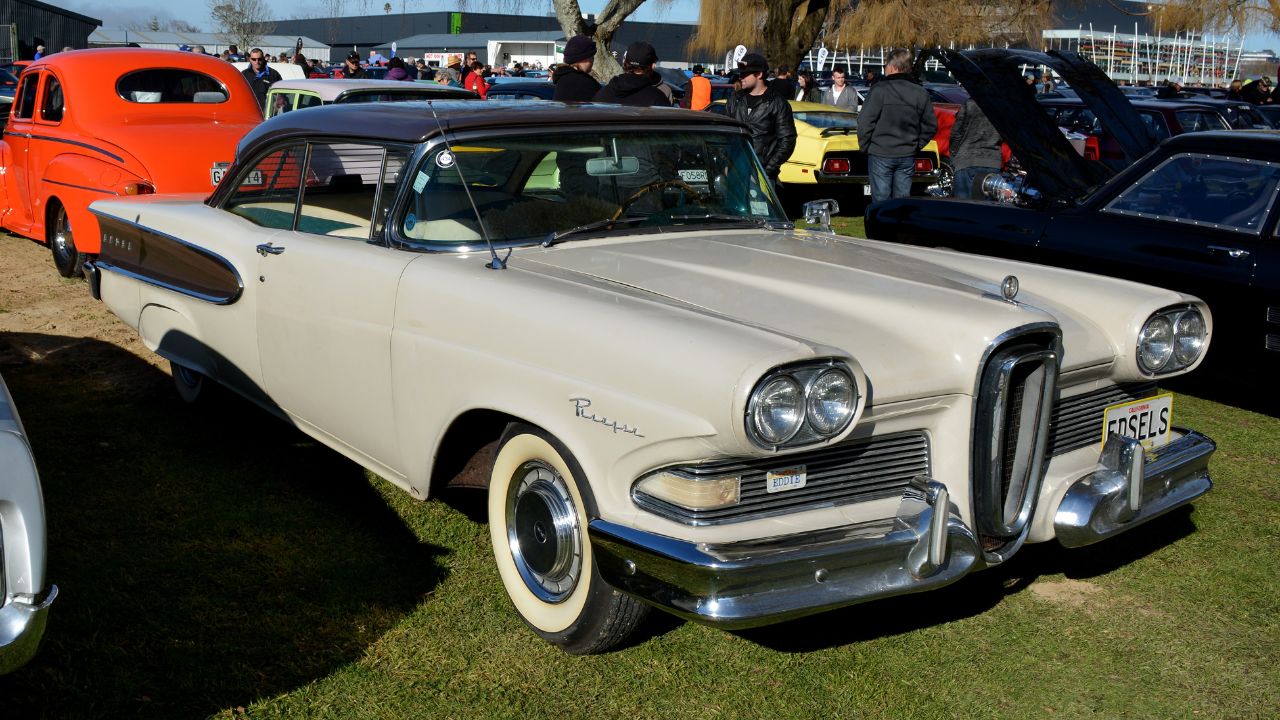
The Ford Edsel is often cited as one of the biggest flops in automotive history. Introduced in 1958, the Edsel was meant to bridge the gap between Ford and Mercury. However, a combination of overhype, poor marketing, and a recession led to its downfall. The car was criticized for its unconventional design, particularly the vertical grille, which some likened to a toilet seat.
Despite its failure, the Edsel has gained a cult following. Yet, its notoriety as a symbol of failure in the automotive world remains intact. Today, it’s more of a cautionary tale than a collector’s dream.
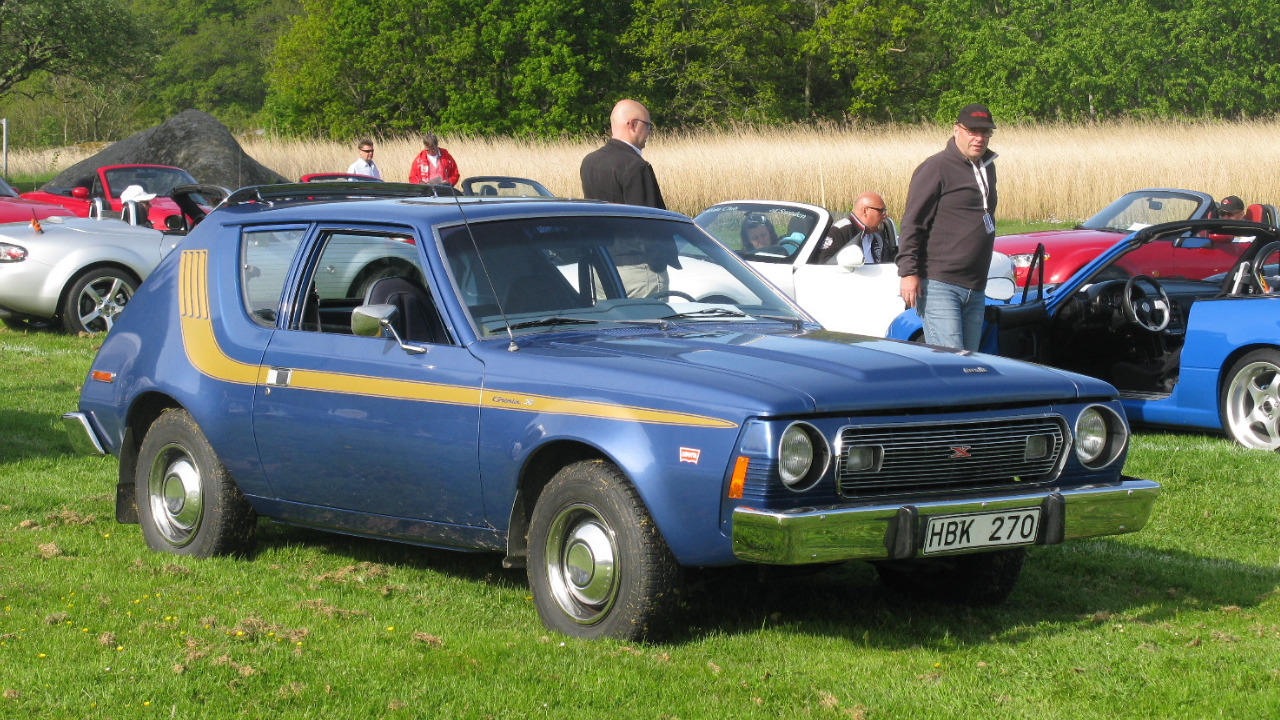
AMC Gremlin

The AMC Gremlin was introduced in 1970 as an answer to the growing demand for compact cars. While its quirky design and small size were initially appealing, the Gremlin was plagued by quality issues and a lack of refinement. Its cheap price was both a selling point and a reflection of the corners cut in its production.
Despite being one of the first American subcompacts, the Gremlin’s legacy is more about its oddball status than its innovation. Its unusual styling and questionable build quality have secured its place on lists of cars that just didn’t quite make the grade.
Pontiac Aztek

The Pontiac Aztek is often remembered for its polarizing design, earning it the title of one of the ugliest cars ever made. Launched in 2001, the Aztek was intended to attract a younger demographic with its versatile layout and quirky features. However, the design was a major turn-off for many.
Despite its poor reception, the Aztek has seen a resurgence in interest thanks to its role in popular culture, notably in the TV show “Breaking Bad.” Yet, for many, the Aztek is a reminder of bold design choices gone wrong.
Yugo GV
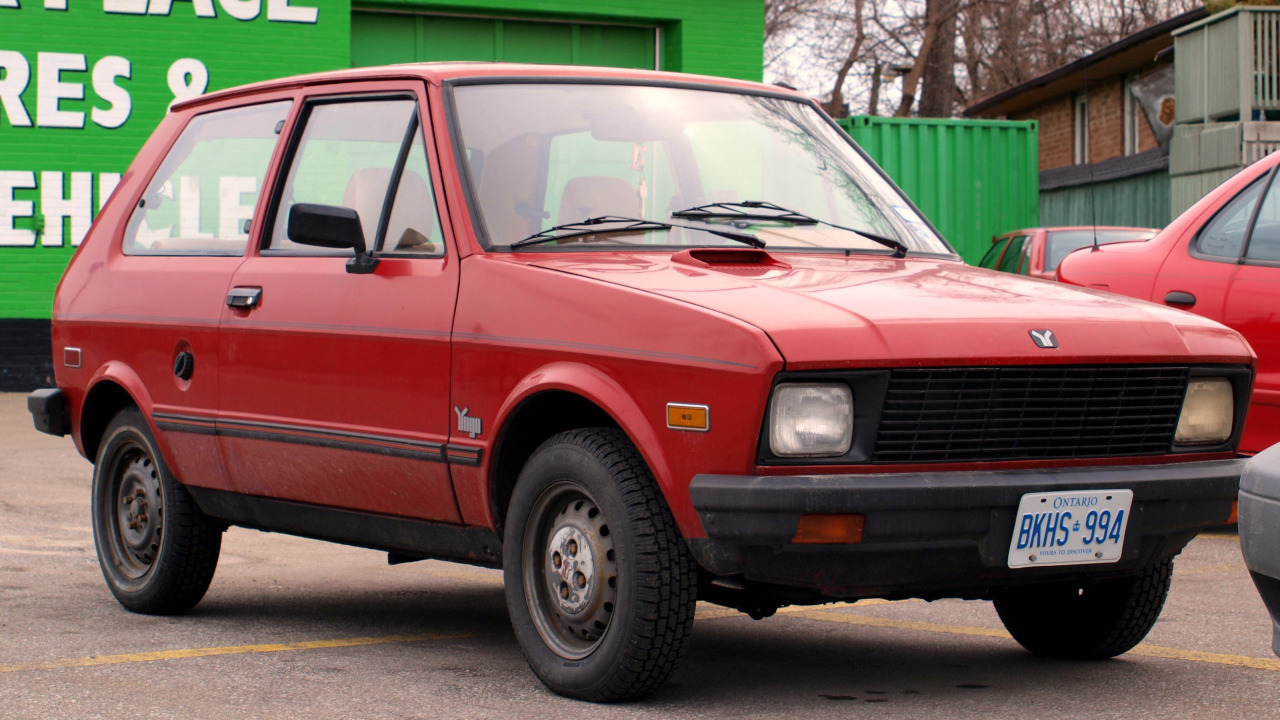
The Yugo GV, introduced to the U.S. market in 1985, was marketed as an affordable European import. Priced under $4,000, it was indeed cheap, but that came with a cost in terms of quality and reliability. The Yugo was often ridiculed for its frequent breakdowns and poor build quality.
Despite being one of the cheapest cars available, the Yugo quickly became synonymous with automotive failure. It serves as a lesson in the importance of quality over cost, cementing its place in automotive history for all the wrong reasons.
Chevrolet Chevette
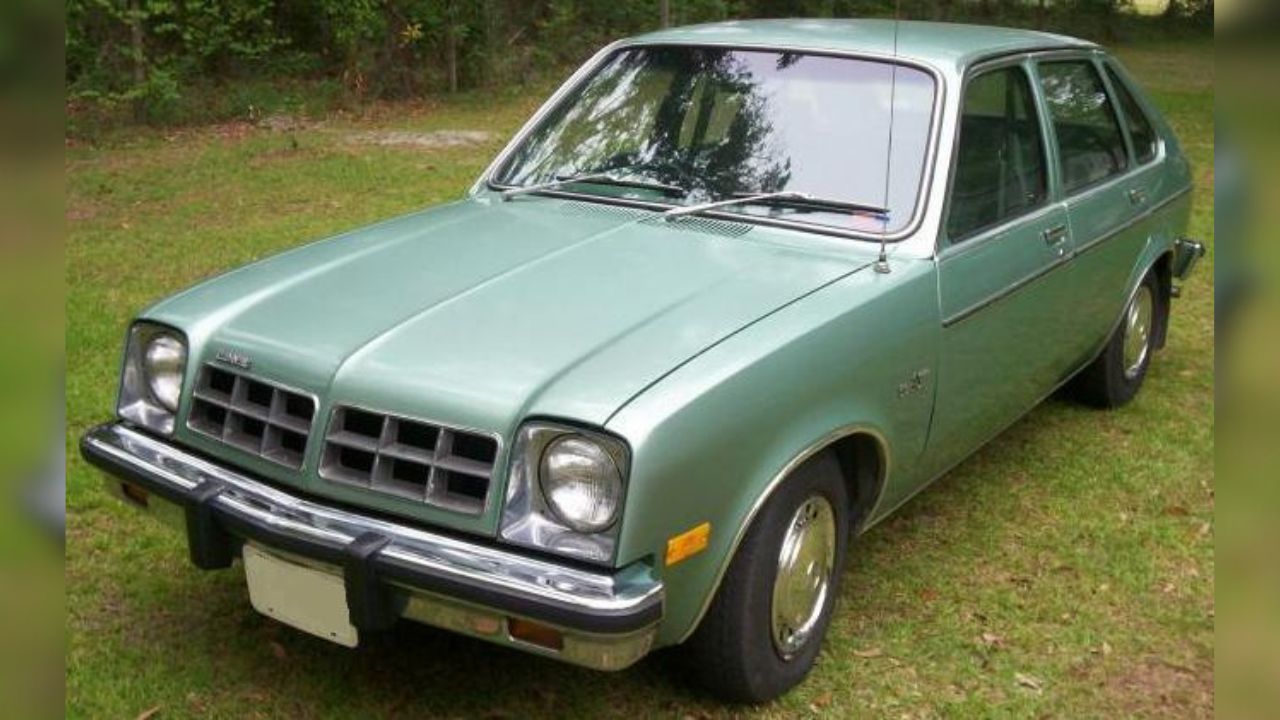
The Chevrolet Chevette was GM’s attempt to compete in the subcompact market during the 1970s. While it sold well initially, the Chevette was criticized for its lackluster performance and basic features. Over time, its reputation deteriorated as more advanced competitors entered the market.
Though it was once a common sight on American roads, the Chevette is now largely forgotten. Its legacy is more about mediocrity than excellence, a reminder of the struggles American carmakers faced in adapting to a changing market.
DeLorean DMC-12
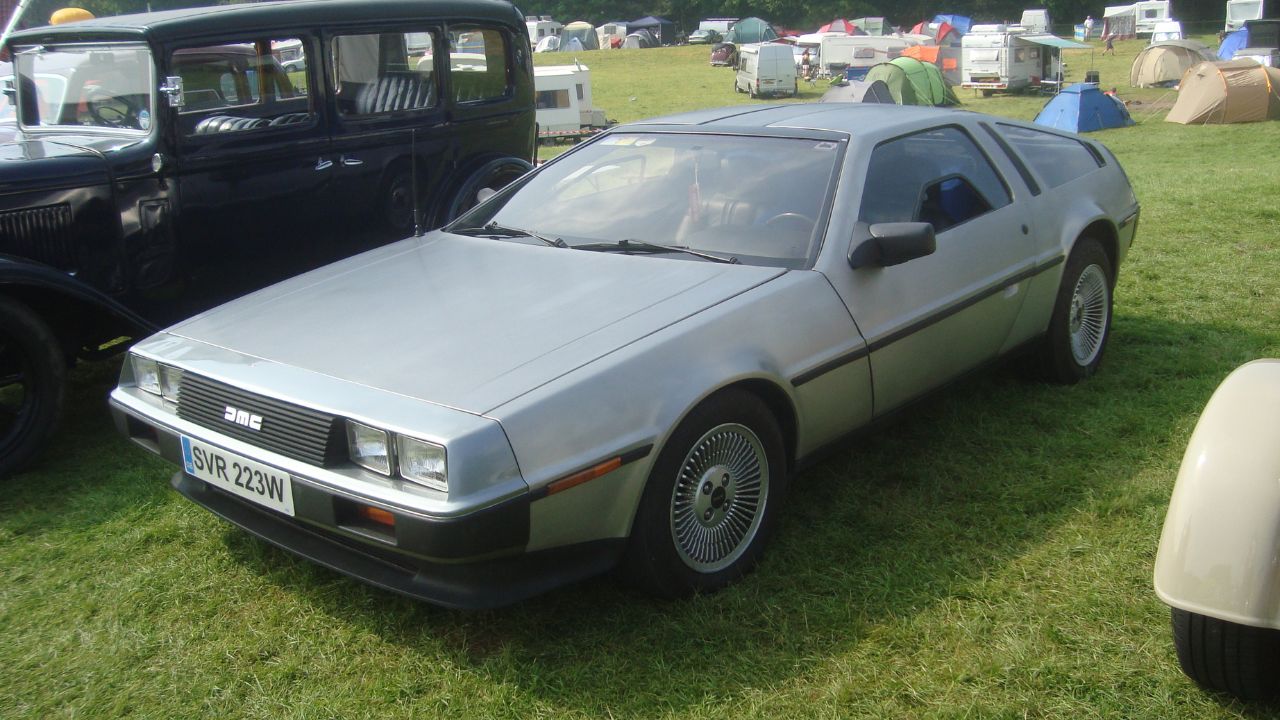
The DeLorean DMC-12 is famous for its role in the “Back to the Future” film series, but its real-world performance was far less glamorous. Introduced in 1981, the DeLorean’s futuristic design and gull-wing doors captured attention, but it was hampered by a lackluster engine and reliability issues.
Despite its cinematic fame, the DeLorean’s production run was short-lived. It remains a symbol of unfulfilled potential, beloved more for its pop culture status than its automotive prowess.
Triumph Stag

The Triumph Stag was a British sports car launched in 1970, designed to compete with luxury vehicles of the era. While its styling and V8 engine were appealing, the Stag was notorious for its mechanical issues, particularly with its cooling system and timing chains.
These reliability problems overshadowed its otherwise attractive features, leading to poor sales and an early demise. Today, the Stag is remembered as an example of a promising design hampered by execution flaws.
Chrysler PT Cruiser

The Chrysler PT Cruiser was launched in 2000, aiming to capture the retro wave with its vintage-inspired design. Initially, its unique look and practicality garnered attention, but the novelty soon wore off. The PT Cruiser’s performance and build quality failed to impress over time.
Despite its early success, the PT Cruiser’s design became dated quickly. It stands as a testament to the challenges of sustaining a retro-inspired model in a rapidly evolving market, ultimately becoming a quirky footnote in automotive history.
Like Fast Lane Only’s content? Be sure to follow us.
Here’s more from us:
*Created with AI assistance and editor review.