By 1967, the Ford Mustang was already a sensation, but the fastback body style took its appeal to another level. With a sleeker roofline, a more aggressive stance, and subtle design refinements over the ’65–’66 models, the ’67 fastback looked ready to move even when standing still. Under the skin, Ford offered a wider range of engines—including the big-block 390 V8—that gave it the muscle to match its style. It was the perfect blend of form and function, cementing its place as one of the most recognizable and desirable Mustangs ever built.
Design and Aesthetics
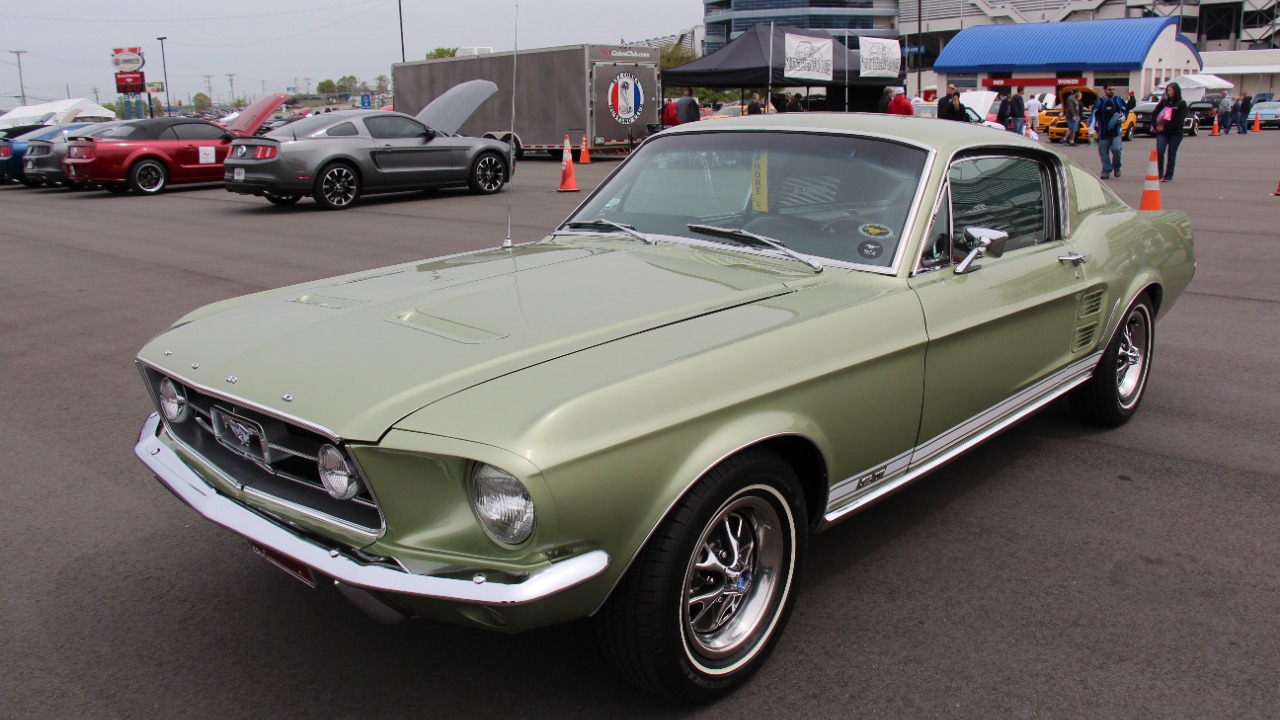
The 1967 Mustang Fastback captured attention with its sleek and aggressive design. Its elongated body and muscular lines set it apart from its predecessors, while the fastback roofline added a touch of sophistication. The front grille, adorned with the iconic Mustang emblem, became a symbol of American automotive design. The overall look was both sporty and elegant, making it a standout in the market.
Inside, the Mustang Fastback offered a driver-centric cockpit, featuring a stylish dashboard and comfortable seating. The interior echoed the exterior’s sporty vibe, blending functionality with aesthetics. This design language resonated with car enthusiasts and contributed to the Mustang’s lasting appeal.
Engine Performance
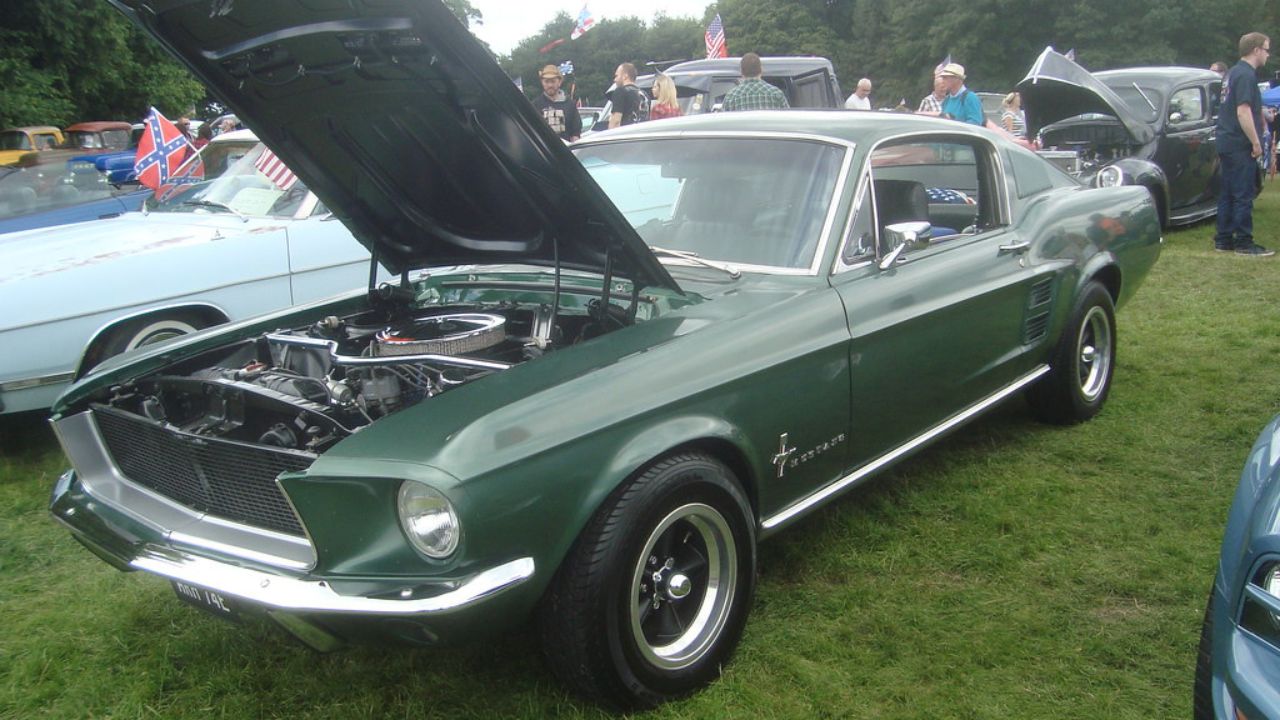
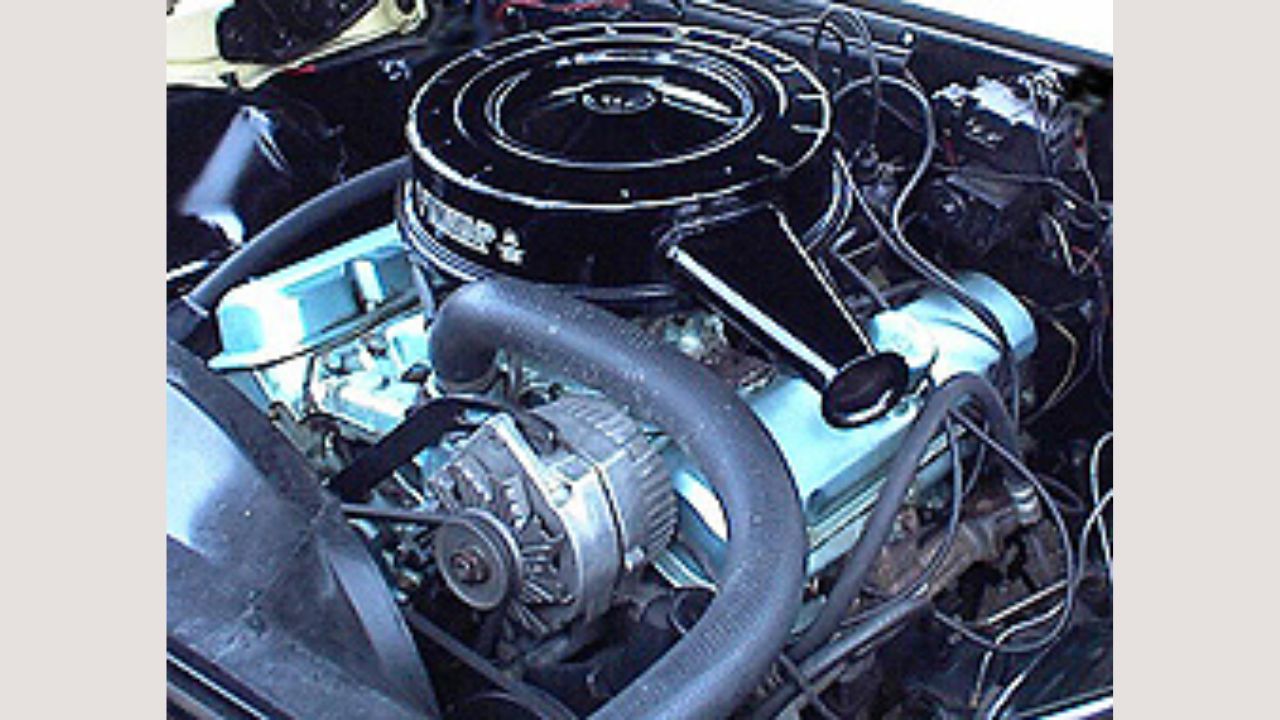
Under the hood, the 1967 Mustang Fastback offered impressive performance options. Buyers could choose from a range of engines, including the powerful V8s that delivered exhilarating speed and acceleration. The availability of the 390 cubic inch V8 engine, capable of producing 320 horsepower, was particularly noteworthy. This powertrain allowed the Fastback to compete with other muscle cars of the era.
The engineering prowess of the Mustang Fastback ensured it wasn’t just about looks. It had the performance chops to match its exterior, making it a favorite among speed enthusiasts. The blend of power and style made the Fastback a formidable presence on the road.
Cultural Impact
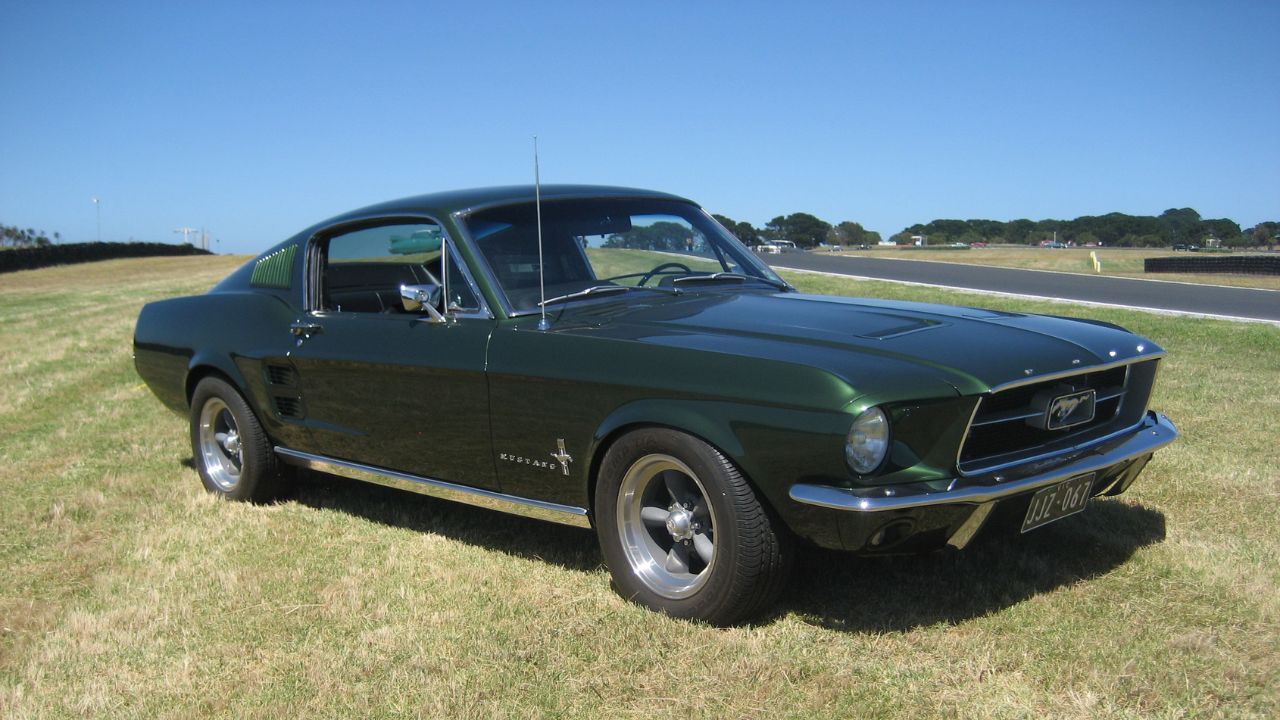
The 1967 Mustang Fastback quickly became a cultural icon, symbolizing freedom and the open road. Its release coincided with a period of significant social change, and the car became an emblem of the American spirit. The Mustang’s appeal transcended age and gender, capturing the imagination of a diverse audience.
Its cultural significance was bolstered by its association with the burgeoning muscle car movement, which celebrated performance and individualism. The Mustang Fastback was more than just a car; it was a statement, a lifestyle, and a piece of American history.
Racing Heritage
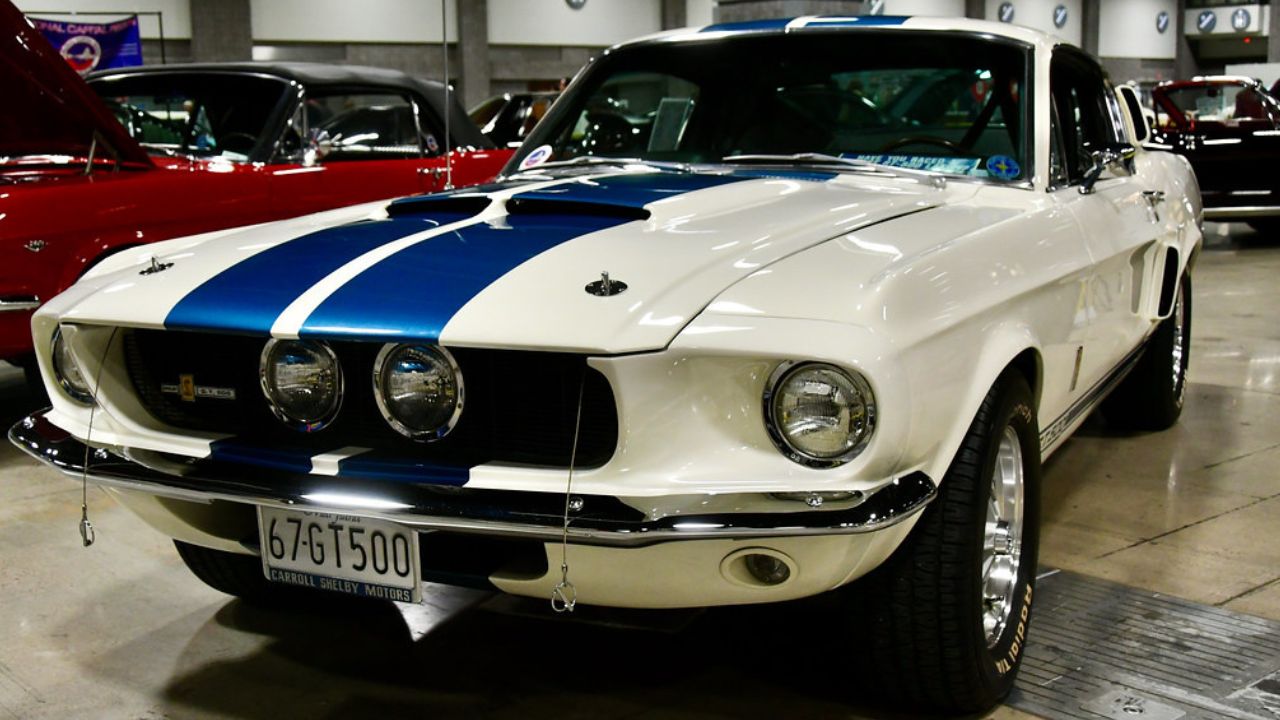
The Mustang Fastback carved out a place in racing history, participating in various motorsport events and earning respect on the track. Its performance credentials were proven in competitions like the SCCA Trans-Am series, where it battled against fierce rivals.
The racing prowess of the Mustang Fastback further solidified its reputation as a high-performance vehicle. Its success on the track translated to its desirability among consumers, reinforcing its status as a car that could deliver both on the streets and in competitive racing.
Film and Television Appearances
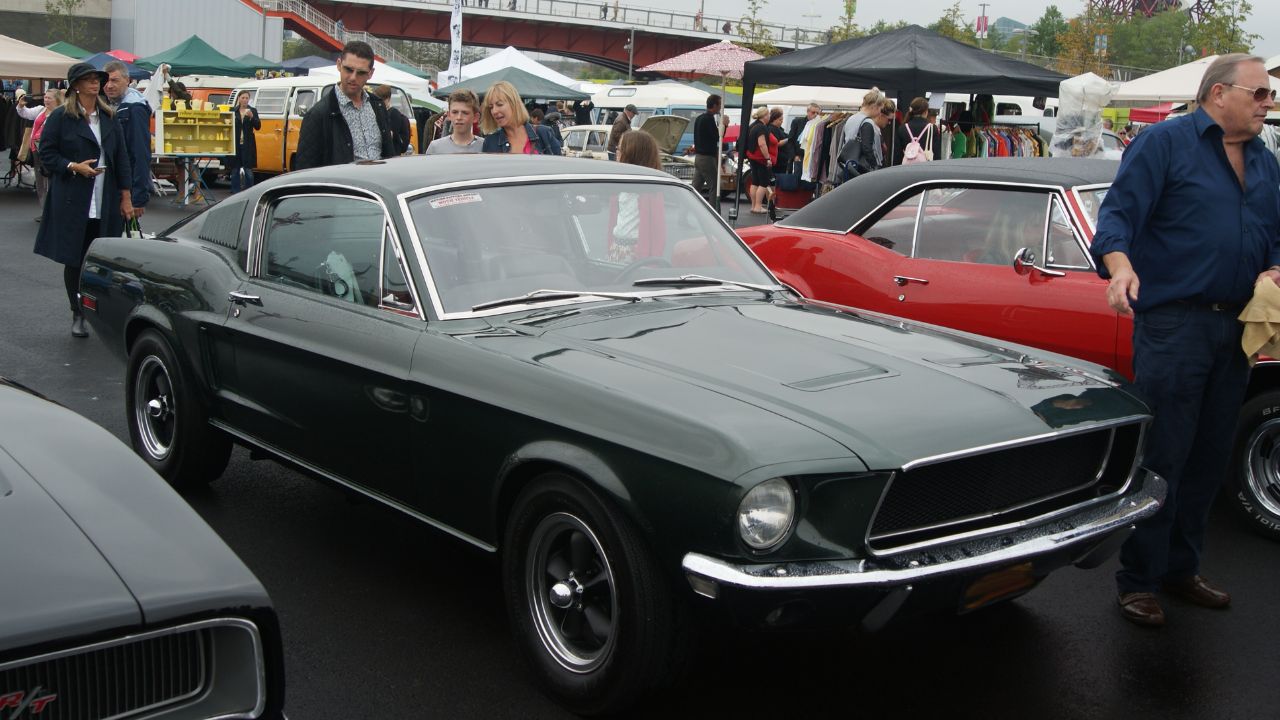
One of the key factors that elevated the 1967 Mustang Fastback to iconic status was its presence in film and television. Perhaps the most famous example is its role in the movie “Bullitt,” where it was driven by Steve McQueen in a legendary car chase scene. This appearance immortalized the Fastback and introduced it to a global audience.
Beyond “Bullitt,” the Mustang Fastback has appeared in numerous other films and TV shows, further embedding itself in popular culture. Its cinematic presence reinforced its image as a cool and desirable car, contributing to its enduring legacy.
Innovative Features
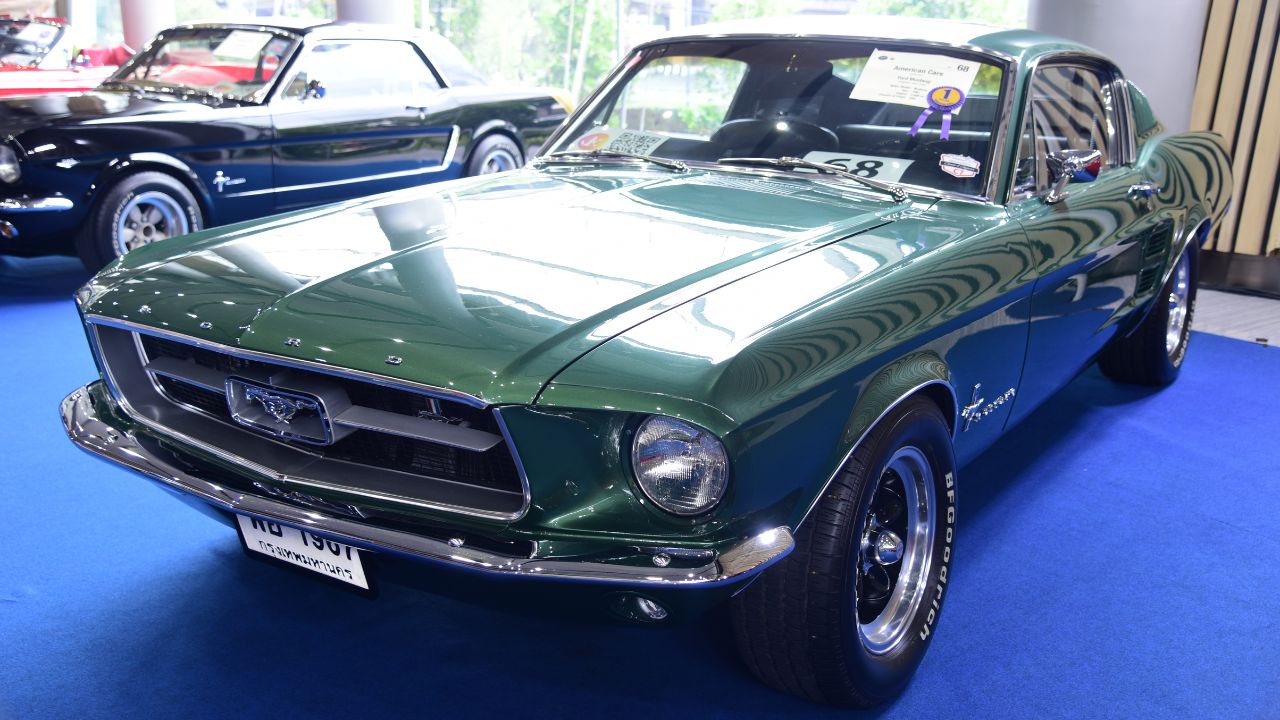
The 1967 Mustang Fastback was not just about aesthetics and performance; it also introduced several innovative features. The inclusion of options like a SelectShift automatic transmission provided drivers with flexibility and convenience, appealing to a broader audience.
Additional features such as improved suspension and enhanced safety measures demonstrated Ford’s commitment to innovation. These advancements helped the Mustang Fastback remain competitive in a rapidly evolving automotive market, ensuring its continued popularity among consumers.
Market Reception
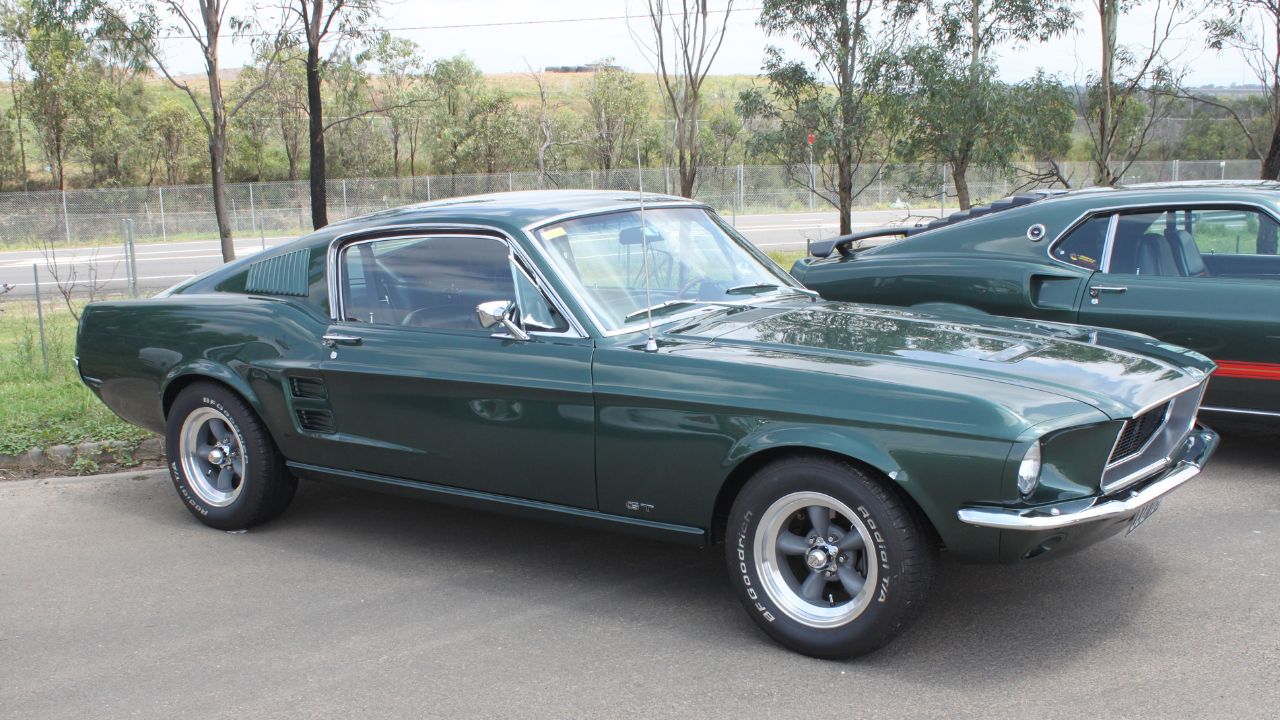
Upon its release, the 1967 Mustang Fastback was met with enthusiastic market reception. Its combination of style, performance, and affordability made it an attractive option for many buyers. Ford’s strategic marketing efforts, including advertisements highlighting the car’s sporty attributes, helped drive sales.
The positive reception was reflected in the strong sales figures, with the Mustang Fastback quickly becoming one of the best-selling models in the lineup. Its commercial success cemented its place in automotive history and underscored its appeal to the masses.
Legacy and Influence
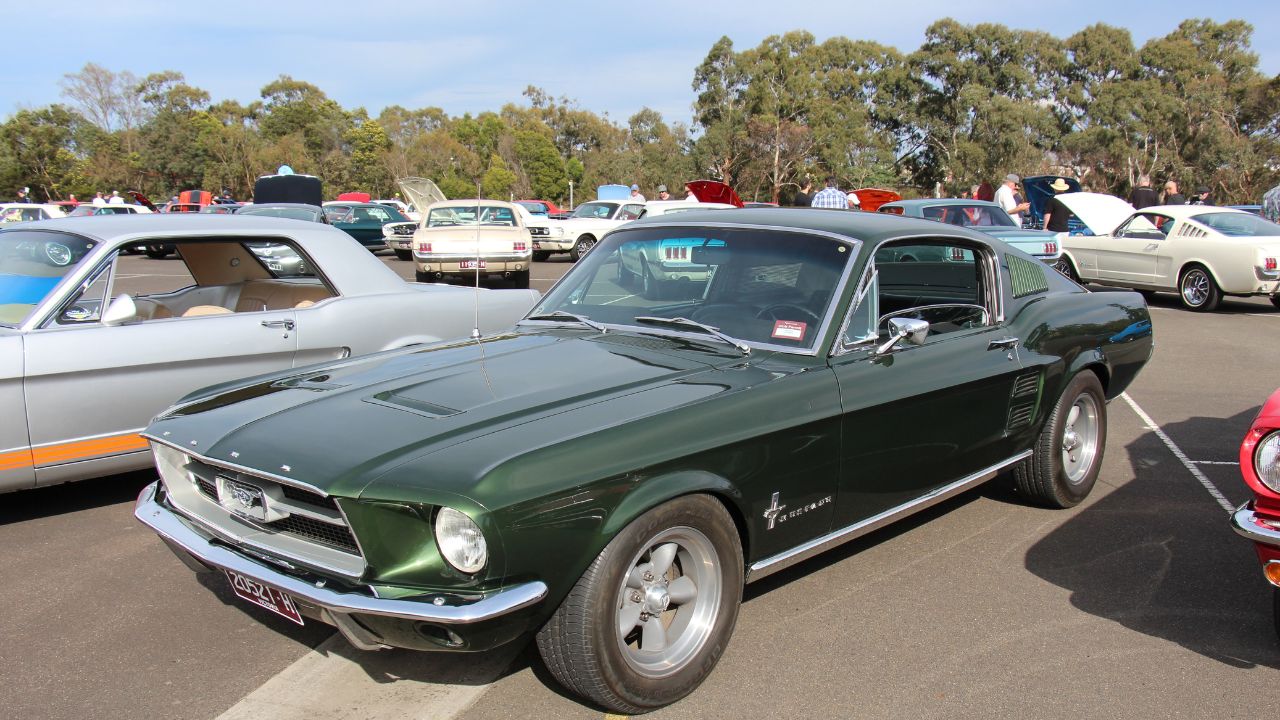
The legacy of the 1967 Mustang Fastback extends beyond its initial release. It has influenced generations of car enthusiasts and automotive designers, setting a benchmark for what a muscle car should be. Its design language and performance standards continue to inspire modern iterations of the Mustang.
Even today, the Mustang Fastback remains a sought-after collector’s item, with enthusiasts and collectors valuing its historical significance. Its enduring legacy is a testament to its impact on the automotive industry and popular culture.
Like Fast Lane Only’s content? Be sure to follow us.
Here’s more from us:
*Created with AI assistance and editor review.