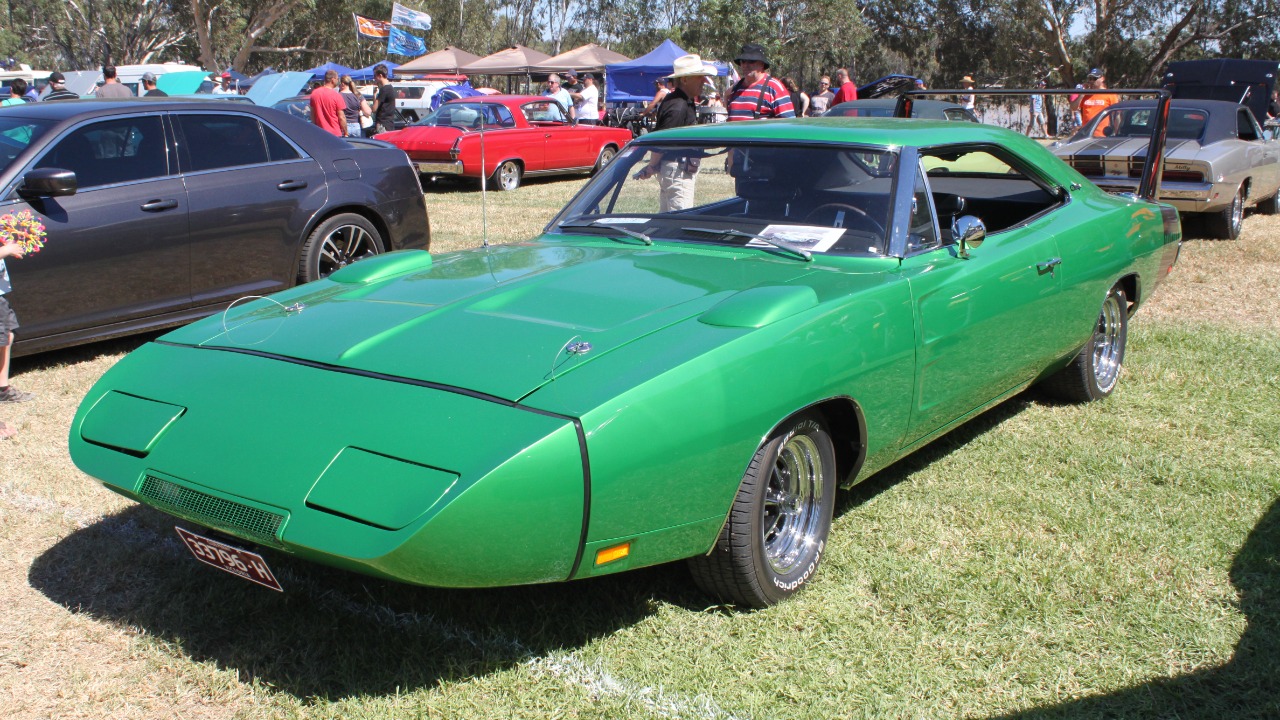
The world of rare production vehicles is filled with stories that captivate enthusiasts and collectors alike. From historic models to limited editions, each vehicle carries its unique tale that adds to its allure and mystique. This arena is not just about the vehicles themselves, but the fascinating narratives that surround their creation, ownership, and legacy.
Legendary Limited Editions
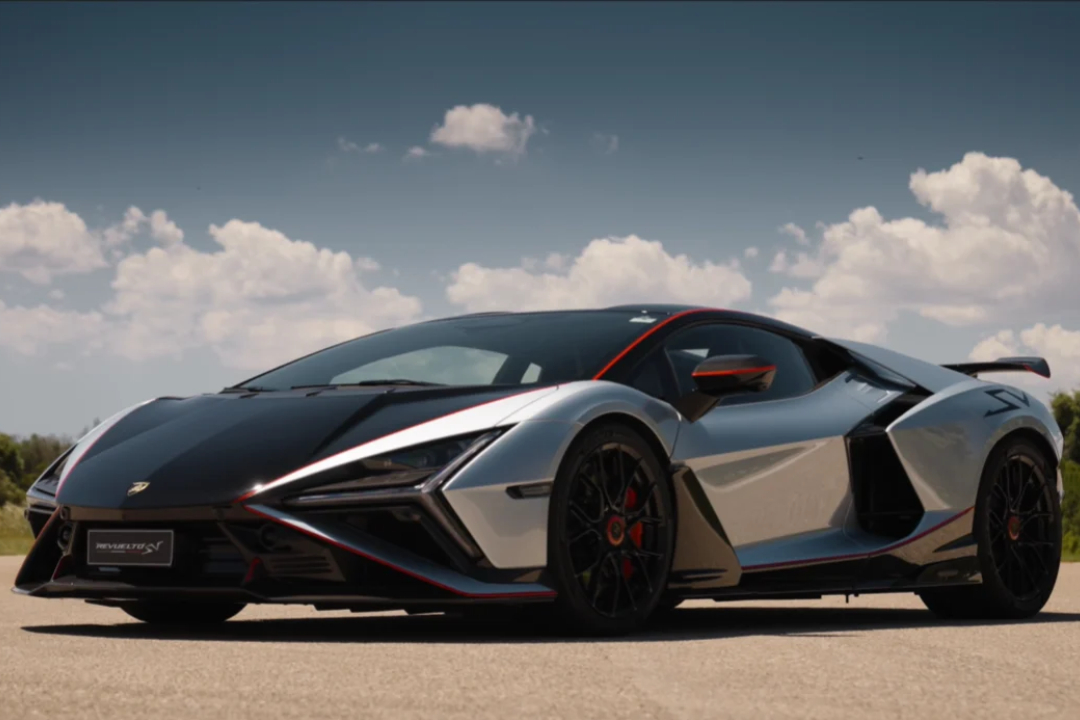
Limited edition vehicles are often the crown jewels of automotive collections. These models are produced in small numbers, often featuring unique design elements or performance enhancements that set them apart from their standard counterparts. Take, for instance, the Lamborghini Centenario, which was created to celebrate the 100th birthday of the company’s founder, Ferruccio Lamborghini. With only 40 units made—20 coupes and 20 roadsters—this vehicle boasts a powerful 770-horsepower V12 engine and a striking design that reflects Lamborghini’s commitment to performance and style. Such features not only elevate the car’s status but also create an emotional connection for collectors who seek to own a piece of automotive history.
Iconic collaborations further enhance the allure of these limited editions. The Ferrari Monza SP1 and SP2, for example, were designed to evoke the spirit of classic racing cars while integrating cutting-edge technology. Produced in just 499 units, these vehicles feature an unmistakable aesthetic that pays homage to Ferrari’s storied past. The historical context behind such productions often involves significant investment in research and development, as manufacturers seek to create something that resonates with both the brand’s legacy and the expectations of high-end consumers.
Remarkable Restoration Stories
The restoration of rare vehicles can be a labor of love, often fraught with challenges that test the mettle of even the most seasoned restorers. One such story is that of a 1967 Ford Mustang Shelby GT500, which was painstakingly restored to its original specifications after decades of neglect. The restoration process can involve sourcing original parts, which are increasingly rare and expensive, or opting for modern replacements that can affect the vehicle’s authenticity. Many collectors argue that preserving original components is crucial, as it maintains the vehicle’s value and historical integrity.
Personal anecdotes from restorers often reveal a deep emotional connection to these vehicles. For instance, a restorer I spoke with shared how he inherited a 1955 Porsche 550 Spyder from his grandfather, a car that had seen its fair share of track days and accidents. The restoration process was not just about bringing the vehicle back to life; it was a way to honor family history and legacy. Such stories highlight the passion and dedication required to restore rare vehicles, transforming them into cherished artifacts that resonate with both personal and historical significance.
Unusual Production Backgrounds
Some rare vehicles come from production backgrounds that are as intriguing as the cars themselves. For example, the DeLorean DMC-12, known for its distinctive gullwing doors, was initially produced to compete in the sports car market of the early 1980s. However, due to financial mismanagement and a lack of market strategy, only about 9,000 units were ever made. Despite its commercial failure, the DeLorean has achieved cult status, largely thanks to its role in the “Back to the Future” movie franchise, illustrating how niche vehicles can garner unexpected fame.
Automotive companies often produce vehicles for specific markets or clients, leading to unique stories that add depth to the vehicle’s history. For instance, the Mercedes-Benz G-Class was originally developed as a military vehicle before finding popularity in civilian markets. Its rugged design and off-road capability have made it a favorite among celebrities and luxury car enthusiasts alike. This unusual production background not only adds to the vehicle’s mystique but also speaks to the adaptability of automotive engineering in response to consumer demand.
Celebrity-Owned Rarities
The allure of rare vehicles is often magnified by their celebrity ownership. Stories of famous individuals who have owned or commissioned unique vehicles add an extra layer of fascination. For example, the late Paul Walker, known for his role in the “Fast & Furious” franchise, had a collection that included a 2009 Nissan GT-R and a 1970 Ford Escort RS1600. His passion for cars has driven up interest and prices in the collector market, further intertwining celebrity culture with automotive history.
Notable auctions often spotlight these celebrity connections, leading to jaw-dropping sales figures. A 2003 Ferrari F2001, driven by Michael Schumacher, sold for an astounding $7.5 million at a Sotheby’s auction, reflecting not just the car’s engineering excellence but also the star power associated with its previous owner. Such sales illustrate how celebrity culture can significantly impact the desirability and value of rare vehicles, making them even more coveted in the collector’s market.
The Role of Myth and Legend
Urban legends surrounding certain rare models contribute to their allure, often leading to exaggerated perceptions of their features and capabilities. For instance, the Plymouth Superbird is rumored to have been able to fly—an urban legend that highlights the vehicle’s extreme aerodynamic design. Such myths evolve over time, adding layers of mystique that can drive demand and influence prices in the collector market.
Instances where myth has driven demand are not uncommon. The story of the 1967 Chevrolet Corvette L88, for example, is steeped in legend. Only 20 were produced, and rumors of its racing prowess have made it one of the most sought-after models in the collector community. This blend of fact and fiction often creates a narrative that enriches the vehicle’s history and value, showcasing how stories surrounding these cars can be just as compelling as the vehicles themselves.
The Future of Rare Vehicles
As we look to the future, trends in electric and hybrid vehicles may soon give rise to new rarities. The Tesla Roadster, for example, aims to redefine performance in the electric vehicle market and could become a collector’s item in years to come. With its innovative technology and impressive specifications, it’s not hard to imagine how electric vehicles will shape a new era of rarity in automotive history.
Shifting consumer preferences are influencing production decisions, as manufacturers adapt to an increasingly eco-conscious market. The rise of sustainability is prompting automakers to explore new materials and technologies, which could lead to unique, limited-run models that appeal to collectors. As we move toward a future where technology and environmental considerations intersect, the potential for creating new collectible vehicles is immense.
In conclusion, the stories behind rare production vehicles are as diverse as the vehicles themselves. From legendary limited editions and remarkable restorations to unusual production backgrounds and celebrity connections, each tale adds to the richness of automotive history. As we embrace the future, the legacy of these fascinating vehicles will continue to evolve, ensuring that their stories remain captivating for generations to come.
More from Fast Lane Only
- Unboxing the WWII Jeep in a Crate
- 15 rare Chevys collectors are quietly buying
- 10 underrated V8s still worth hunting down
- Police notice this before you even roll window down
*Research for this article included AI assistance, with all final content reviewed by human editors.