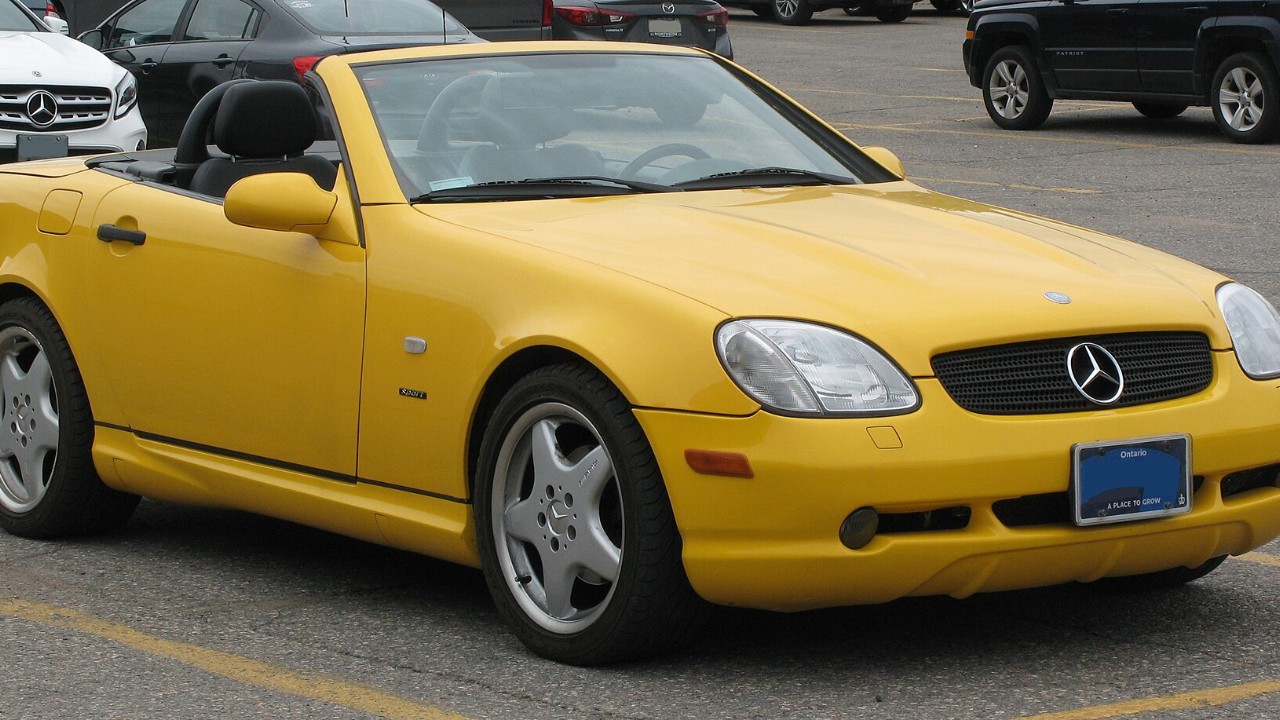
In the mid-1990s, Europe fell back in love with the small two-seat roadster. BMW, Mercedes-Benz, MG, Alfa Romeo, Audi, Jaguar and Lotus all built open cars for drivers who wanted sun and a twisty road. The Mercedes-Benz SLK was so popular at launch that buyers faced waiting lists stretching several months.
Three decades later, most of these cars sell for the price of a tired family hatchback. Some suffer from that, because cheap cars get neglected. However, the good ones are getting harder to find, and the cars themselves are now old enough to feel like classics.
These are our picks for seven European sports cars that won’t stay cheap much longer. That verdict is our opinion, not a price forecast. Still, the years, engines and production numbers behind each car come from maker records, specialist magazines and reference sources, so you can judge the case for yourself.
1. 1996 BMW Z3 1.9 Roadster
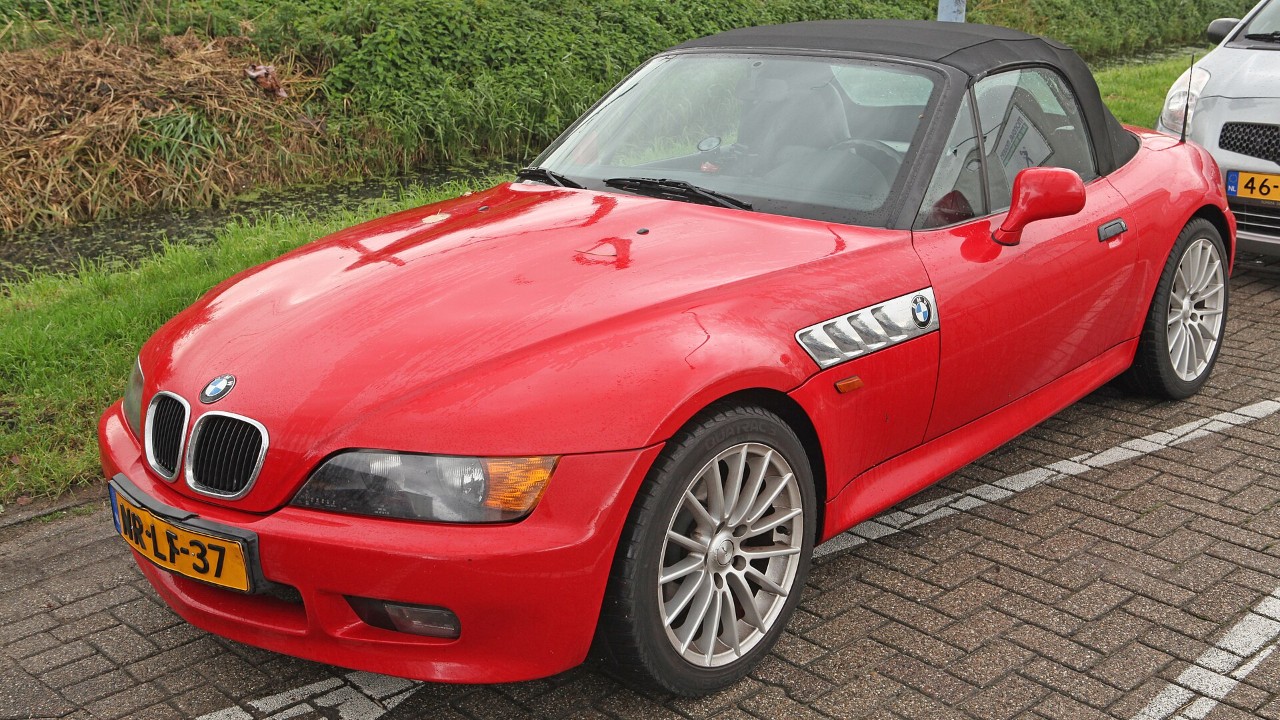
The Z3 broke new ground for BMW before it turned a wheel on a road. It was the first BMW model built solely outside Germany, at the company’s Spartanburg plant in South Carolina. Production started on September 20, 1995, and the car sold as a 1996 model. It also made a brief appearance in the James Bond film GoldenEye, in a scene set in Cuba.
The 1.9 was the bigger four-cylinder at launch. Its M44 engine made 140 PS at 6,000 rpm, along with 180 Nm of torque. BMW offered it from 1995 to 1999. Later, a 1.9i with a different engine and 118 PS replaced it. By the end, BMW had built roughly 297,000 Z3s, although sources disagree on the exact total.
Writing for Hagerty UK in 2021, Antony Ingram called the 1.9 “more cruiser than sports car.” We think that is fair, and it is also the appeal. An early four-cylinder Z3 is simple, light on running costs and very 1990s in the best way. For more on the car’s place in BMW history, see how the 1997 BMW Z3 brought roadsters back. Our take: clean, original early cars are the ones to watch.
2. Mercedes-Benz SLK R170
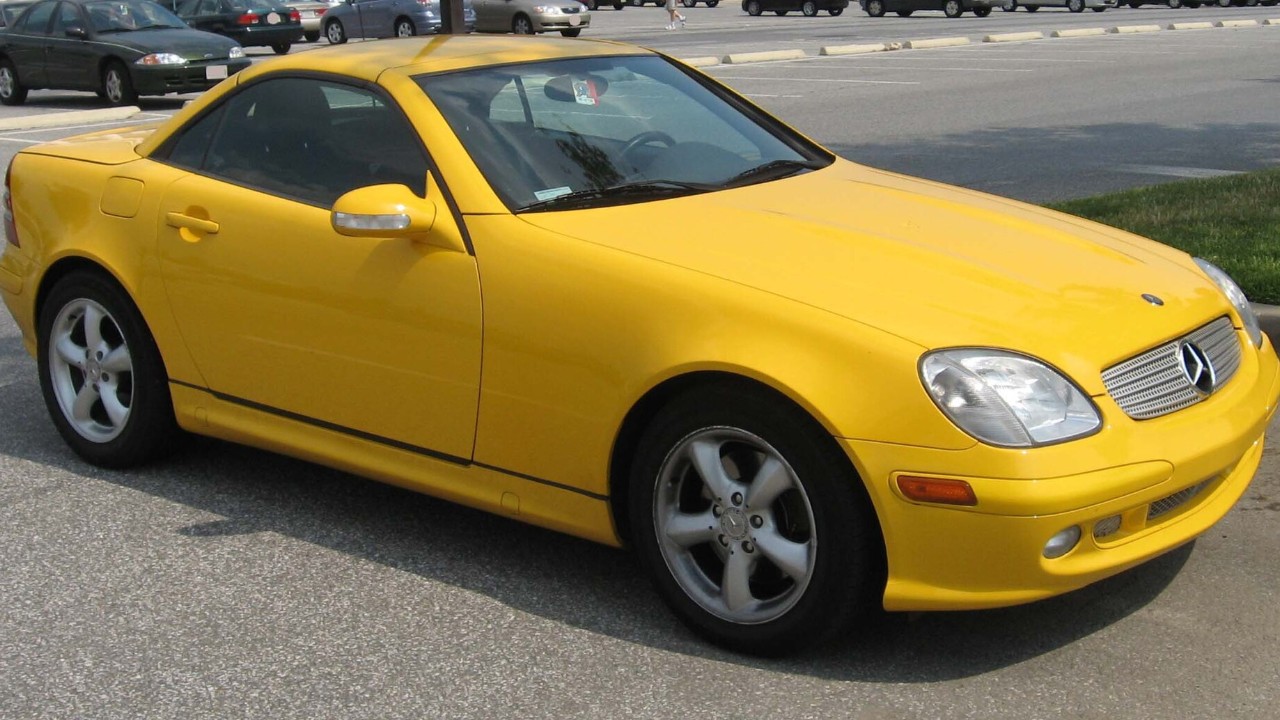
The first Mercedes-Benz SLK solved a problem every roadster owner knows. Its folding metal roof turned the car from a snug coupe into an open roadster in about 25 seconds. Mercedes showed it at the Turin Motor Show on April 22, 1996. It then built the R170 from July 1996 to April 2004, at Bremen in Germany and East London in South Africa.
The engines ranged widely. The supercharged SLK 230 Kompressor made 193 PS at first, then 197 PS after the 2000 update. A V6 SLK 320 arrived with 218 PS. At the top, the SLK 32 AMG made 354 PS, and Mercedes built just 4,333 of them out of 311,222 R170s in all.
According to Classics World’s market report on 1990s sports cars, demand at launch was so strong that some buyers paid a premium rather than wait. The same report says values have been uneven, largely because the quality of cars for sale varies so much. Our take: that is exactly why a well-kept SLK 230 or SLK 32 AMG is a smart buy today. Tidy, documented cars will not stay this easy to find.
3. 1997 MG MGF 1.8i VVC
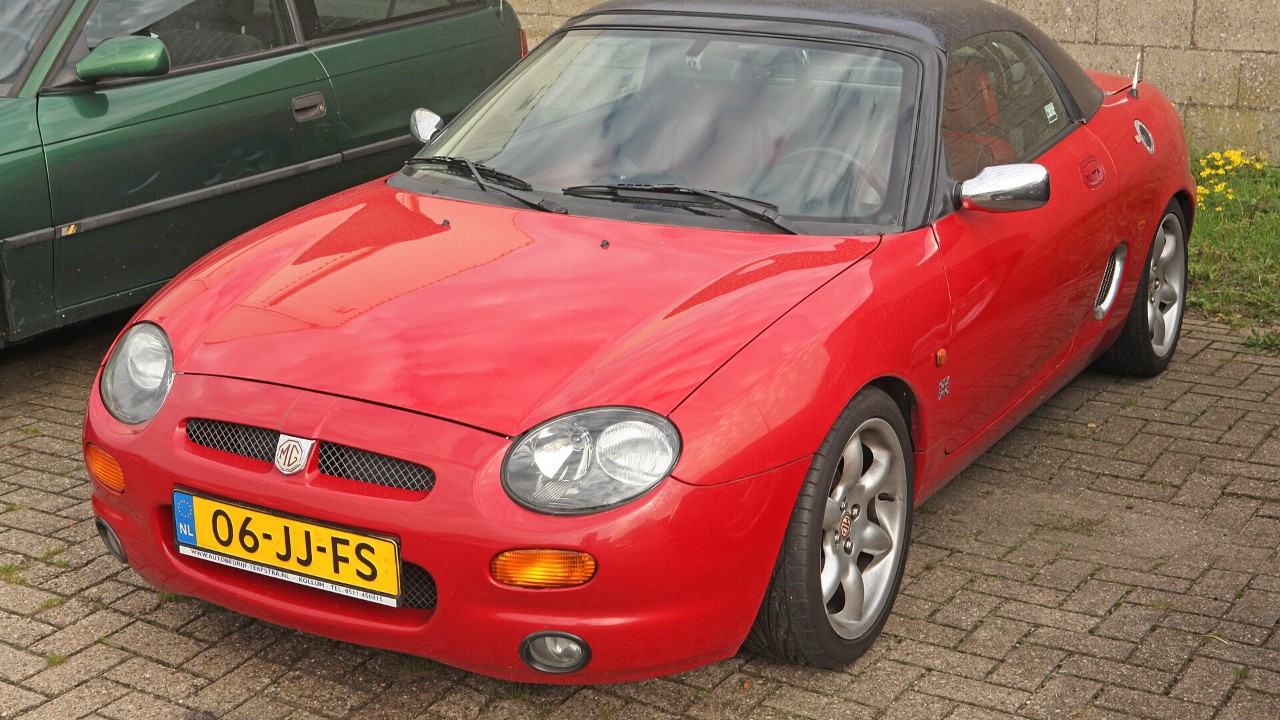
The MGF was a big moment for a famous British badge. It was the first new model designed as an MG since the MGB. The company unveiled it on March 8, 1995, and put it on sale that September. Unusually for an affordable roadster, it mounted its engine in the middle and drove the rear wheels.
The VVC version arrived a few months after launch. Its 1.8-liter K-Series engine used variable valve control, and output is quoted at around 143 to 145 hp, depending on the source. The MGF also rode on Hydragas suspension, with interconnected fluid and gas units instead of normal springs. In total, the company built 77,269 MGFs, plus 799 Limited versions.
There is a known weak spot. The K-Series engine has a reputation for head gasket failure, often blamed on how the cooling system was laid out. A later multi-layer steel gasket with steel locating dowels is said to reduce the risk. Our take: a 1997 VVC with proof of that fix is the version we would want. It is a mid-engine British roadster for small money, and that combination does not last forever.
4. Alfa Romeo Spider Type 916
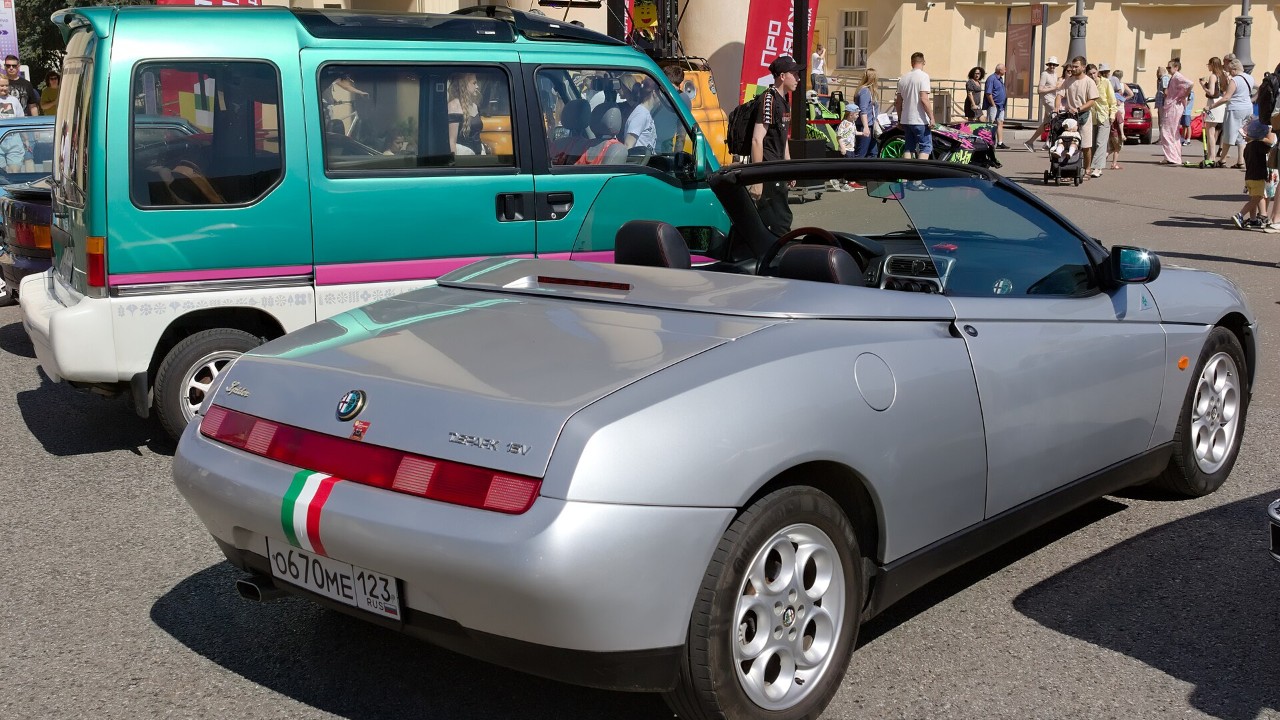
The Type 916 Spider looks like nothing else from the 1990s. Enrico Fumia designed it at Pininfarina, with a low, wedge-shaped nose and a sharp crease along its side. Meanwhile, Alfa Romeo’s own studio, under Walter de Silva, handled the interior. Production began at Arese in Milan, then moved to Pininfarina’s plant at San Giorgio Canavese in October 2000.
Engine choice made a big difference. The 2.0-liter Twin Spark four made 150 PS at launch and 155 PS after a 1998 update. A 3.0-liter V6 made 192 PS in 12-valve form. Then a 24-valve version with 220 PS replaced it in the Spider in 2000. Underneath, the Spider shared its front suspension and drivetrain with the Alfa 155 sedan.
Alfa built 38,891 Spiders between 1993 and 2004. That is far fewer than the German rivals on this list. In fact, it is roughly the same as the 42,937 GTV coupes that shared the platform. Our take: the 916 Spider is one of the best-looking roadsters of its era, and the supply is limited. Find a V6 with service records and hold on to it.
5. Audi TT 8N roadster
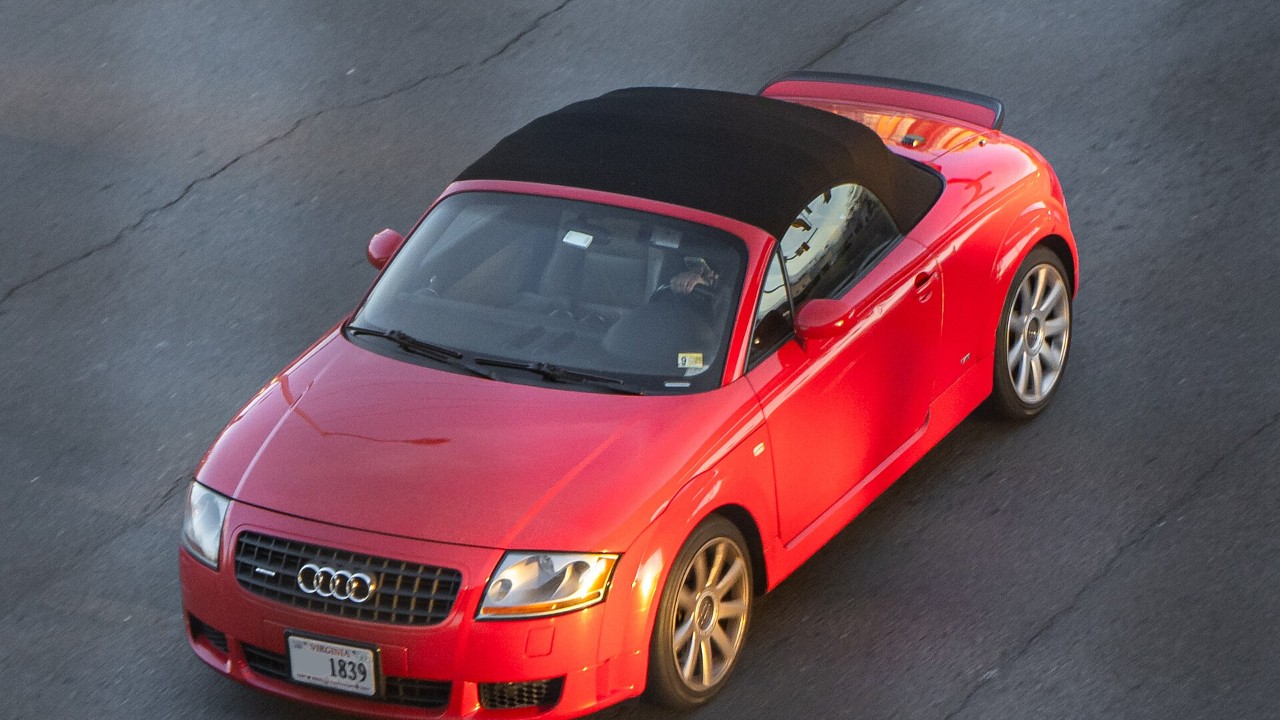
The Audi TT began as a concept at the 1995 Frankfurt Motor Show, and the production car stayed remarkably close to it. The coupe arrived in September 1998, then the roadster followed in August 1999. Audi’s Hungarian plant at Győr assembled both, using bodyshells made and painted at Ingolstadt.
The engines came in three main flavors. The 1.8-liter turbo four made 180 PS or 225 PS, and the stronger version came with quattro all-wheel drive as standard. In early 2003, a 3.2-liter VR6 with 250 PS joined the range, again with quattro. Early cars also got a recall in 1999 and 2000. The fixes added stability control, a rear spoiler and suspension changes to improve handling at very high speeds.
The roadster is rarer than many people think. Yearly production figures add up to roughly 91,000 first-generation roadsters over eight years. For a closer look at the shape, see why the 2001 Audi TT proved design could sell cars. Our take: the 8N TT is already a design icon. Clean roadsters, especially the 225 quattro and 3.2, are the ones we expect people to chase.
6. 1997 Jaguar XK8 Coupe
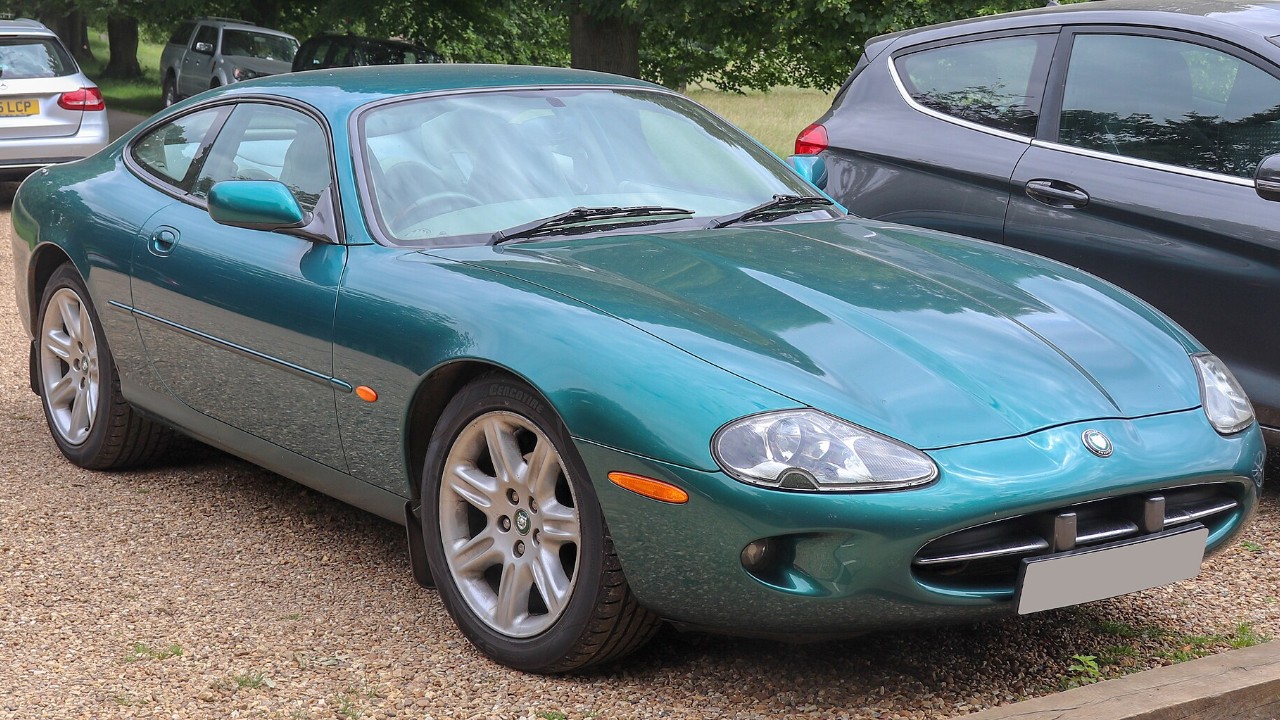
The XK8 was a new start for Jaguar’s sports cars. The company unveiled it in March 1996 and put it on sale in October that year. Under the long hood sat the new 4.0-liter, 32-valve AJ-V8. In XK8 form, that engine is listed at 290 hp.
Jaguar built 90,064 XKs between 1996 and 2005, but the coupe was the minority. The XK8 coupe accounted for 19,748 of them, while the XK8 convertible counted 46,760. In other words, buyers chose the convertible by more than two to one. The coupe’s long, low roofline is now the rarer sight.
There is one known issue to check. Early AJ-V8 engines used plastic and semi-plastic timing chain tensioners, and their weakness caused common engine failures. Cars built after 2001 got upgraded metal tensioners and water pump impellers. Our take: a 1997 coupe is the purest version of the shape, but ask for proof that the tensioners have been replaced. With that box ticked, it is a lot of Jaguar for the money.
7. 1995 Lotus Elan M100
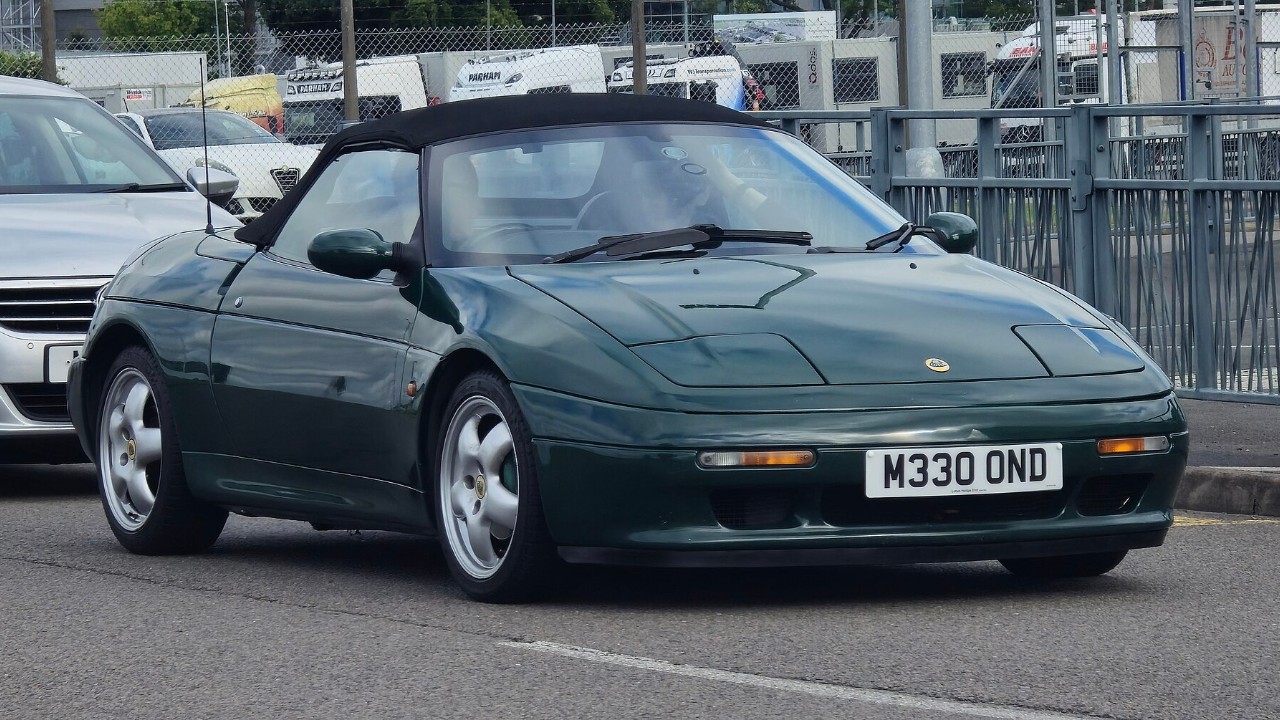
The M100 Elan is the odd one out in Lotus history. It is the only front-wheel-drive car Lotus ever made. Peter Stevens designed it, and his design won approval in late 1986. The car launched in August 1989 with a 1,588 cc twin-cam four from Isuzu, modified by Lotus. In turbo form, it made 162 hp.
Production numbers are small. Lotus built just 3,855 Elans between November 1989 and July 1992. Then it returned with the S2, a limited run of 800 cars built from June 1994 to September 1995 for the UK market. A 1995 car belongs to that final batch. Afterward, Lotus sold the production rights to Kia, which built 1,056 more as the Kia Elan.
Our take: the front-drive layout kept purists away for years, and that is why the M100 has been cheap. Yet the numbers are tiny, and every one wears a Lotus badge. A late S2 is about as rare as an affordable Lotus gets.
More from Fast Lane Only