In July 1951, test driver Ichiro Taira drove a Toyota BJ prototype to the sixth of ten stations on Mount Fuji, higher than any motor vehicle had climbed. That prototype grew into the Toyota Land Cruiser, and by the summer of 2019 Toyota had sold 10 million of them around the world.
Sales figures don’t explain the reputation, though. Instead, the Land Cruiser earned it on farms, mine roads and cattle stations, where a breakdown can mean a very long walk. As a result, old trucks keep working in places where newer SUVs never even try.
These are our picks for the Land Cruisers that seem nearly impossible to kill. The verdict is our opinion. However, every year, engine and figure below comes from Toyota’s own heritage material and model records. We run from the early FJ25 to the V8 200 Series, and each one shows a different way Toyota made the truck tougher.
1. 1961 Toyota Land Cruiser FJ25
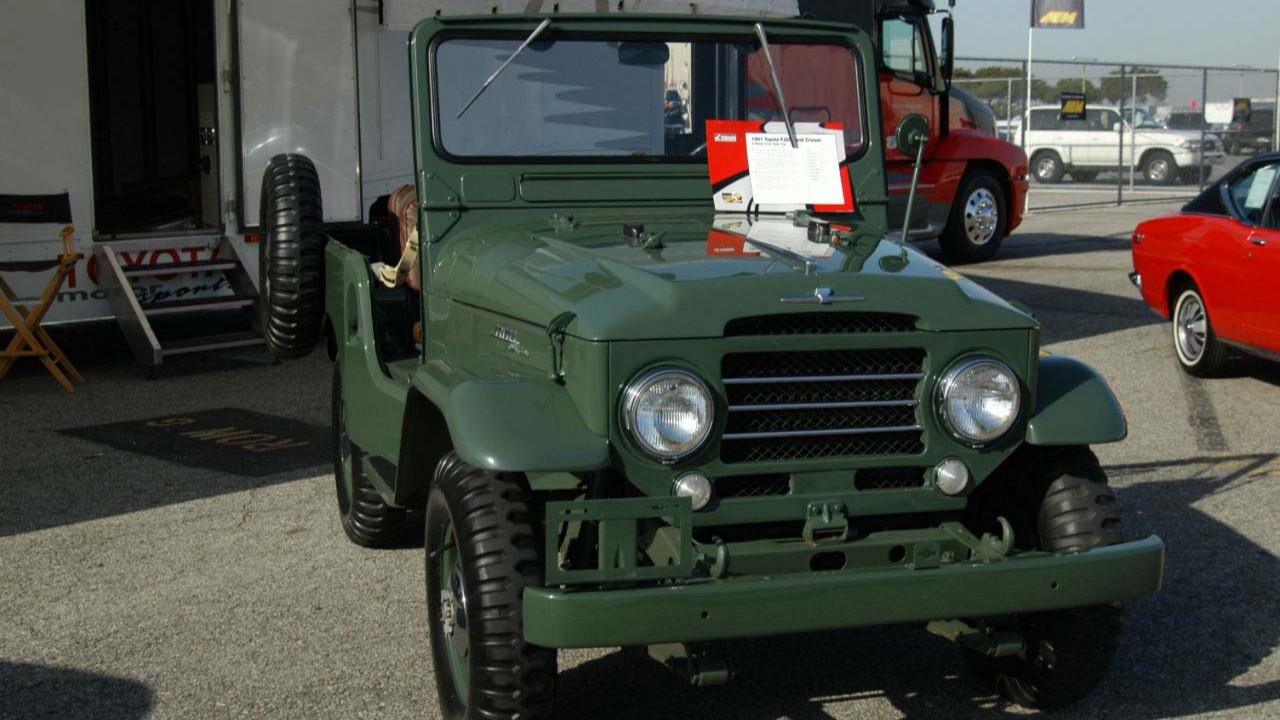
The 20 Series arrived in 1955, a year after Toyota adopted the Land Cruiser name. Toyota fitted a 3.9-liter Type F inline-six and moved the engine 120 mm forward. Body styles included a soft top, a hardtop, a pickup and a wagon. Still, the gearbox had only three speeds and no low range.
The FJ25 has another claim to fame. In 1958, Toyota began building it in Brazil, which made it the first Toyota built outside Japan. From 1962, the Brazilian truck became the Toyota Bandeirante, with a Mercedes-Benz diesel in place of the gas six. Meanwhile, Australia’s B&D Motors started importing FJ25 and FJ28 cab-chassis trucks in 1959. They were the first Japanese vehicles regularly exported there.
America was a harder sell at first. According to Toyota’s U.S. newsroom history, Toyota sold just one Land Cruiser in the U.S. in 1958. In our view, that makes every early FJ25 on American roads worth a second look. It was built for rough ground first and comfort a distant second, and that order of priorities is exactly why this one makes our list.
2. 1978 Toyota Land Cruiser BJ40
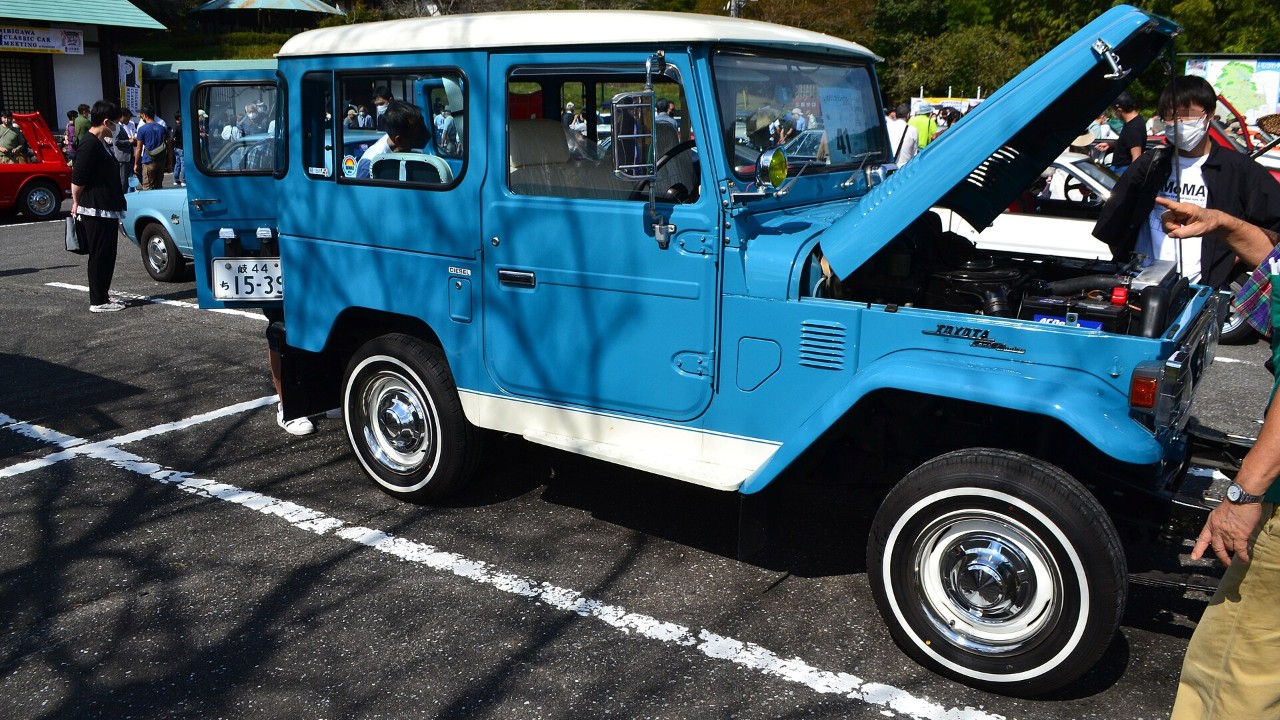
The 40 Series arrived in 1960, and it brought the feature the 20 Series lacked. It was the first Land Cruiser with a two-speed transfer case and real low-range gearing. Toyota’s newsroom puts the six at 125 hp and 200 lb-ft of torque.
The BJ40 took a different path. In 1974, Toyota added a 3.0-liter B four-cylinder diesel, partly because it moved the truck into a lower Japanese tax class. Then, from 1978, the BJ40 went on official sale in West Germany. A larger 3.4-liter 3B diesel followed in 1981. Because diesel fuel was easier to find than gasoline in many remote regions, the BJ suited the places the Land Cruiser worked hardest.
The pictured truck is a 1978 BJ40, the year European buyers could finally walk into a dealer and order one. Our take: a slow, clattering diesel 40 is the very picture of a truck that refuses to quit. It has no turbo to fail and few electronics to fry. Instead, you get a simple engine that will idle along at walking pace all day. You won’t win many races, but you will usually get home.
3. 1963 Toyota Land Cruiser FJ45 station wagon
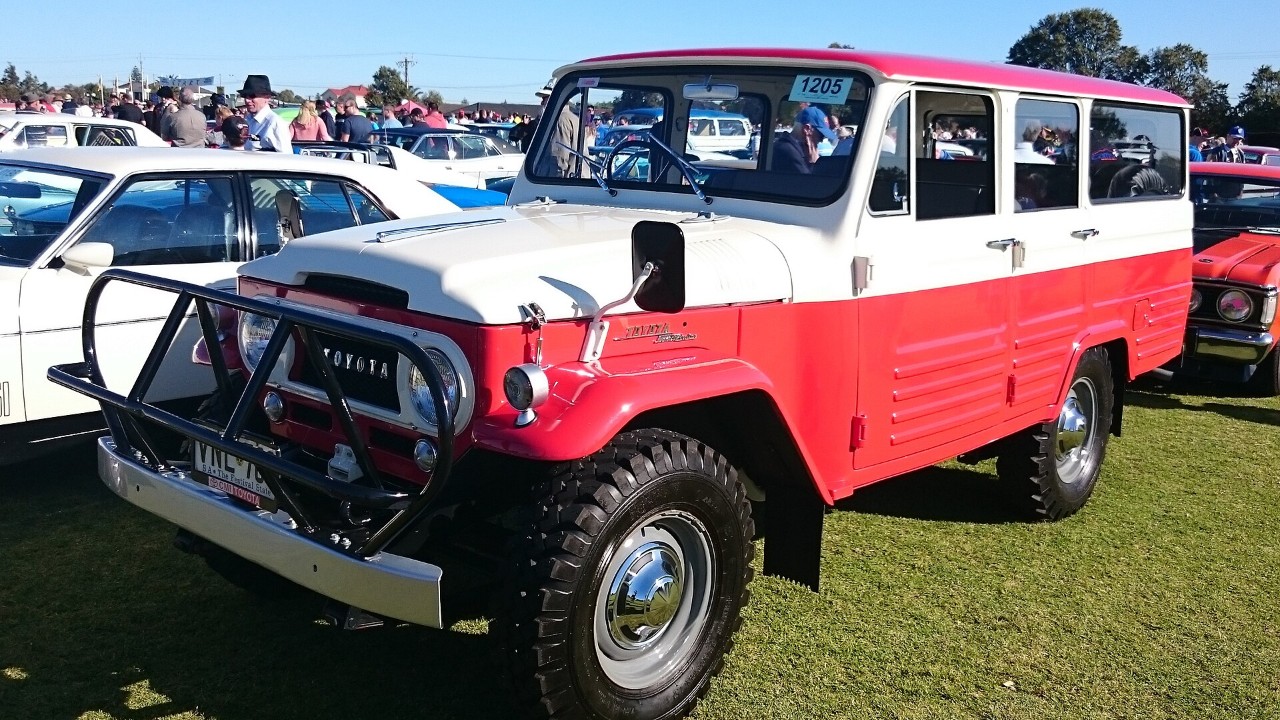
The FJ45 name covered the long-wheelbase versions of the 40 Series, and this wagon is one of the less familiar shapes. Its body came from Gifu Auto Body and shared panels with the short-lived J30 wagon. Toyota built that earlier wagon on the 20 Series chassis for only nine months in 1960. By comparison, the FJ45 put the same idea on the new 40 Series underpinnings.
That 40 Series foundation mattered. Toyota’s U.S. newsroom notes that the 40 Series was Toyota’s best-selling U.S. vehicle until the Corona took over in 1965. The long-wheelbase layout also lasted. In fact, today’s 75, 78 and 79 versions of the 70 Series descend from the long 40 Series trucks like the FJ45.
Our take: the FJ45 wagon shows the Land Cruiser was already becoming a family vehicle in the early 1960s. However, it kept the 40 Series’ simple, rugged hardware underneath. That’s the formula Toyota would refine for the next six decades. If you find one, treat it gently, because body panels for these early wagons are far harder to source than FJ40 parts.
4. 1971 Toyota Land Cruiser FJ55 wagon
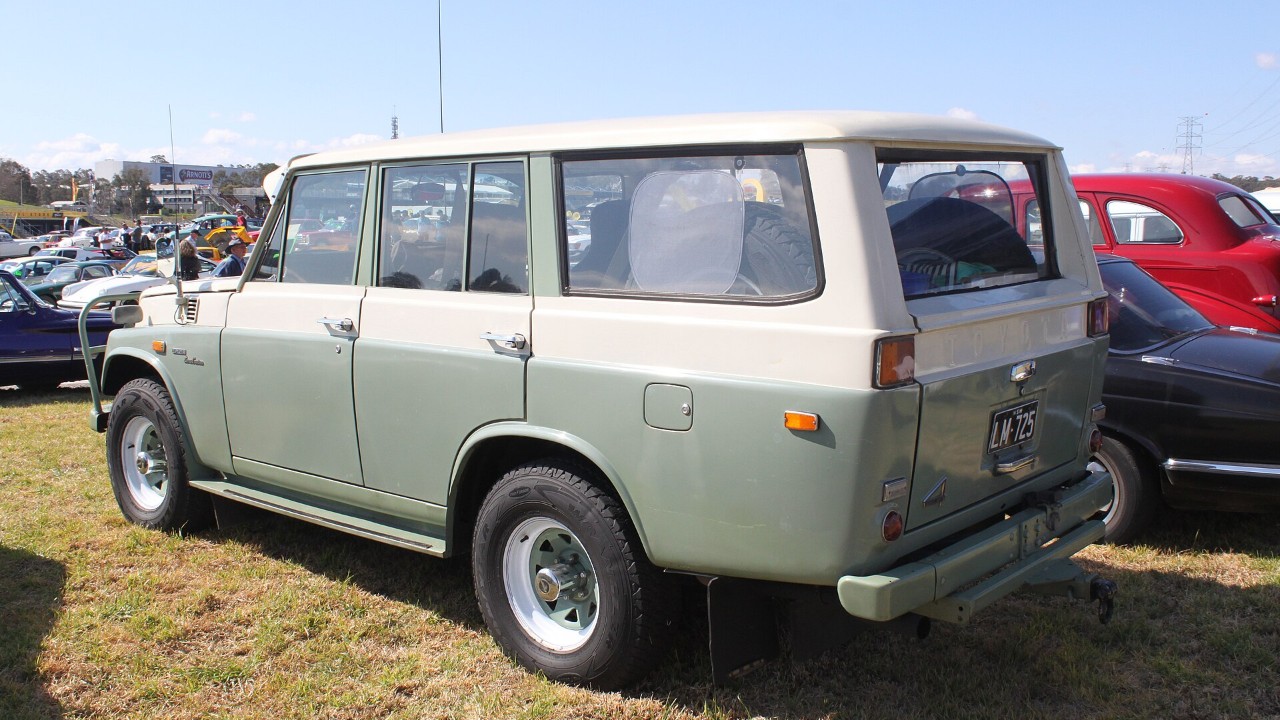
Toyota launched the 55 Series in 1967 as the first proper Land Cruiser station wagon. Its wheelbase ran 16 inches longer than the FJ40’s, and it had styling all its own. It was also the first Land Cruiser with a fully boxed frame. Fans call it the “Moose,” a nickname that fits its long nose and tall stance.
The 55 sold mainly in North America and Australia. That same year, Toyota became the third-best-selling import brand in the U.S. Later, in 1975, the 55 and 40 got a 4.2-liter six and a four-speed gearbox in place of the three-speed. One quirk survived to the end: there was no full rear hatch, just a tailgate with an electrically retracting window.
According to Toyota UK’s station wagon history, the 55 made up about 11% of Land Cruiser sales by the end of production in 1980. Our take: a 1971 FJ55 is the most underrated route into vintage Land Cruiser ownership. It carries a family and it tows. It also uses the same tough six and the same heavy-duty driveline as the 40, so it shrugs off the work.
5. 1989 Toyota Land Cruiser HJ60
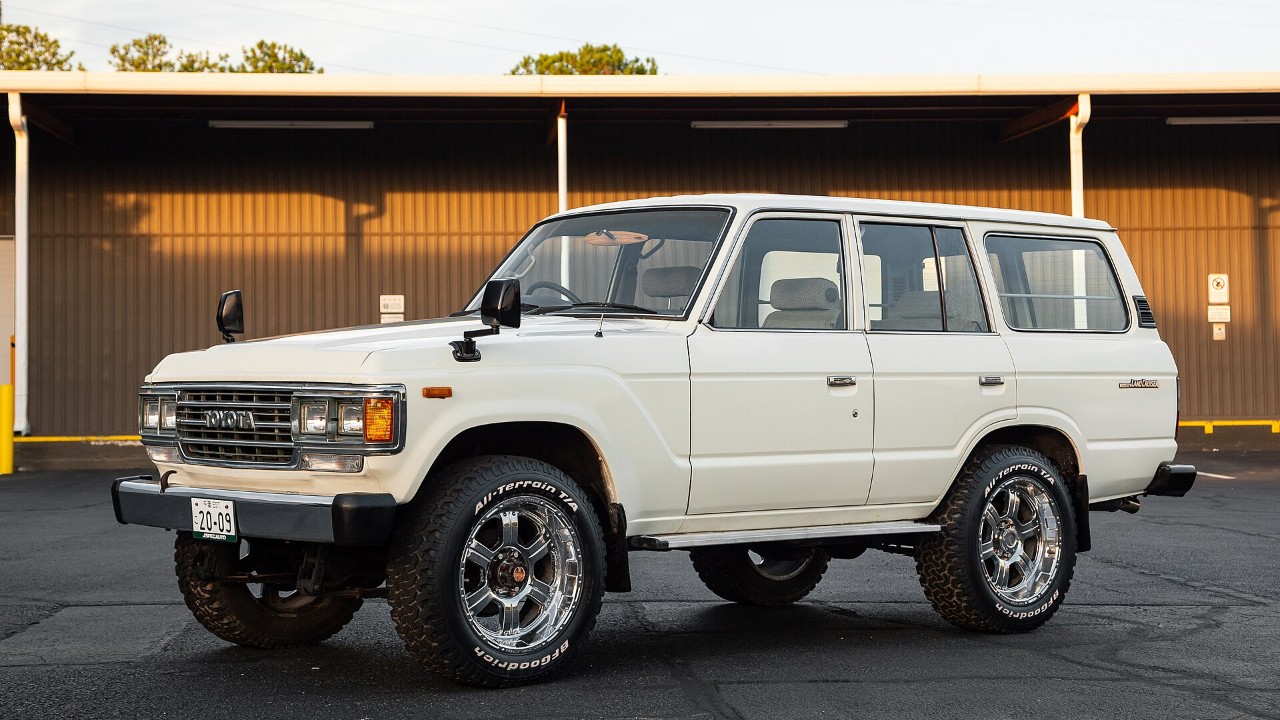
The 60 Series replaced the 55 in 1980, the year the one-millionth Land Cruiser was built. Toyota aimed it at the new family SUV market, with air conditioning, a rear heater and a better interior. Yet it kept its solid axles and leaf springs. Seating ran from five to ten, and luggage space reached 2,760 liters.
The HJ60 used the 4.0-liter 2H six-cylinder diesel. That engine is the reason it makes our list. A big, slow-revving diesel six works hard without working near its limits, so it feels made to last. Meanwhile, Toyota kept improving the truck. A five-speed manual came in 1983 and an automatic in 1984. Then, from August 1986, push-button four-wheel drive and locking differentials replaced the manual levers.
Production of the 60 Series ended in December 1989 after 406,700 units, so a 1989 HJ60 comes from the final year. In our view, the diesel 60 is the sweet spot of the line. It gives you more comfort than a 40 or a 55. At the same time, it keeps the simple mechanical hardware that owners in remote places trust.
6. 1990 Toyota Land Cruiser FJ62
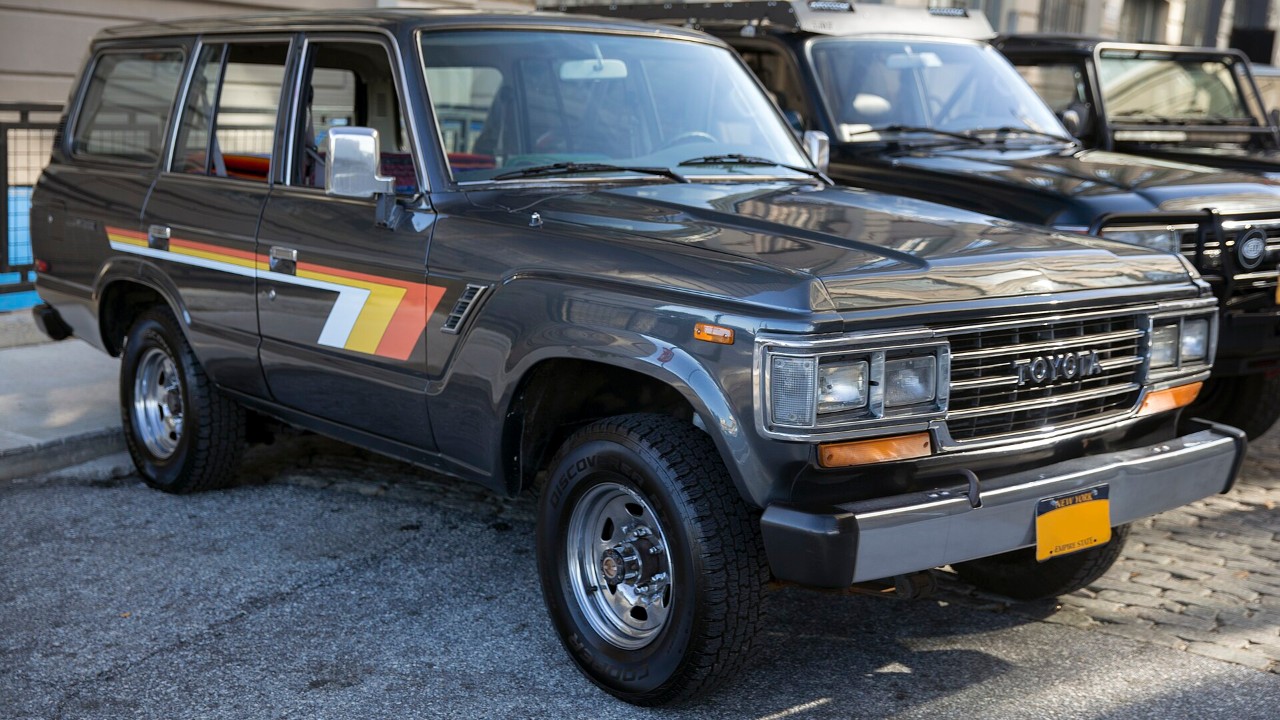
For the U.S., the 60 Series got its biggest update for 1988. According to Toyota’s U.S. newsroom, it brought a new dash and interior, rectangular headlights and a 155-hp 3F 4.0-liter six. That engine replaced the old 4.2. In Japan, the FJ62G VX also opened the Land Cruiser to passenger-car buyers from 1987.
The fuel-injected 3F-E six is the heart of the FJ62’s long life. In our view, it is an unstressed engine that pulls well at low speed. In fact, the 3F outlived the truck in some markets. Toyota’s Venezuelan plant built the last 3F-powered FJ62 in 1992, after Japanese production of the 60 Series had ended.
A 1990 FJ62 is one of the last of its kind, and it shows. It has the boxy shape, the solid front axle and the older truck’s simple mechanicals. However, it also adds the creature comforts of a late-1980s SUV. Our take: if you want a vintage Land Cruiser you can drive every day, the FJ62 is the one we’d look at first. For more on the trucks Toyota undersold, see our list of Land Cruisers that deserved more attention.
7. Toyota Land Cruiser 100 Series
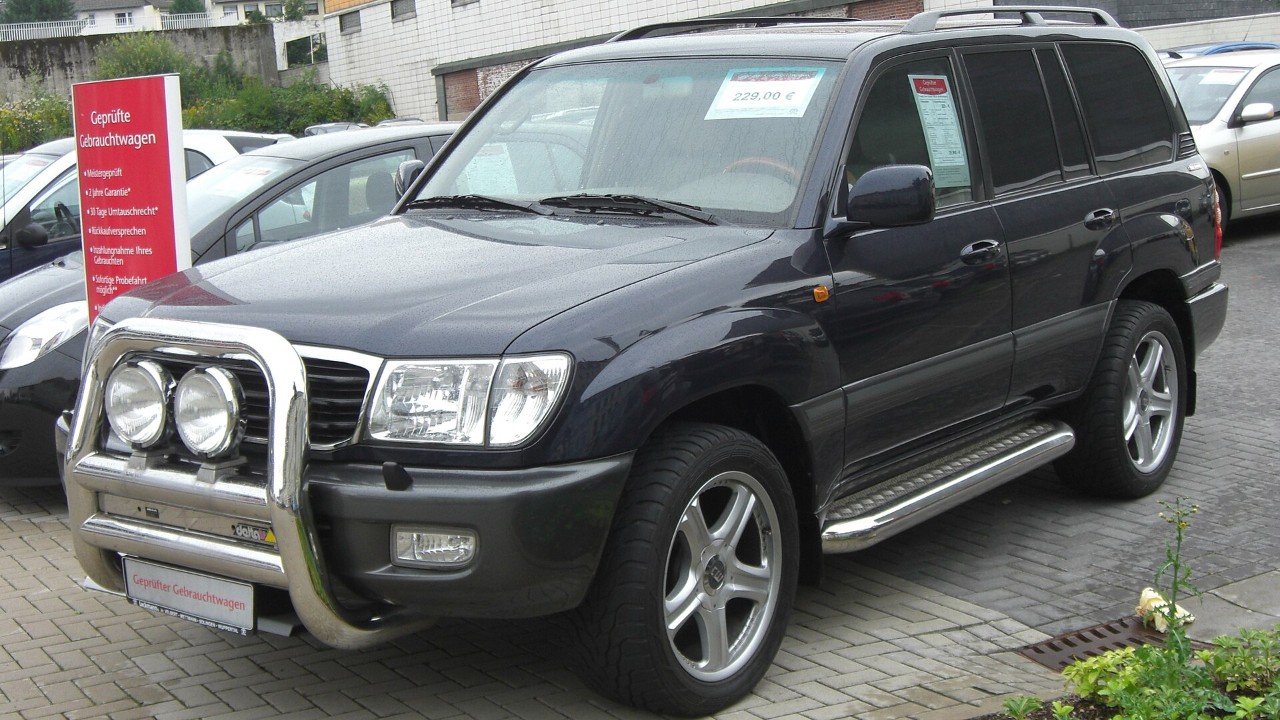
The 100 Series arrived in January 1998 and brought two big firsts. It was the first Land Cruiser with a V8 and the first with independent front suspension. Toyota’s U.S. newsroom puts the 4.7-liter V8 at 230 hp at launch, rising to 275 hp in 2006. It also says the engine made 80% of its peak torque at just 1,100 rpm.
The chassis was 50% stiffer than before. However, Toyota knew some buyers wanted the old setup, so it also built a 105 version with solid axles for Africa, Australia, Russia and South America. In the UK, where the truck was called the Amazon, three 4.2-liter diesel sixes made up 75% of sales, according to Toyota UK.
That low-revving V8 is the reason we picked this one. It works far below its limits on a daily drive, and it pulls a heavy truck without strain. Our take: the 100 Series is the point where the Land Cruiser became a true luxury SUV, yet it still behaves like a working vehicle underneath. That balance explains why so many of them are still on the road. If you want to see what an older truck can survive, read about the 1972 FJ40 a buyer got running with no working clutch.
8. 2024 Toyota Land Cruiser 79 double cab
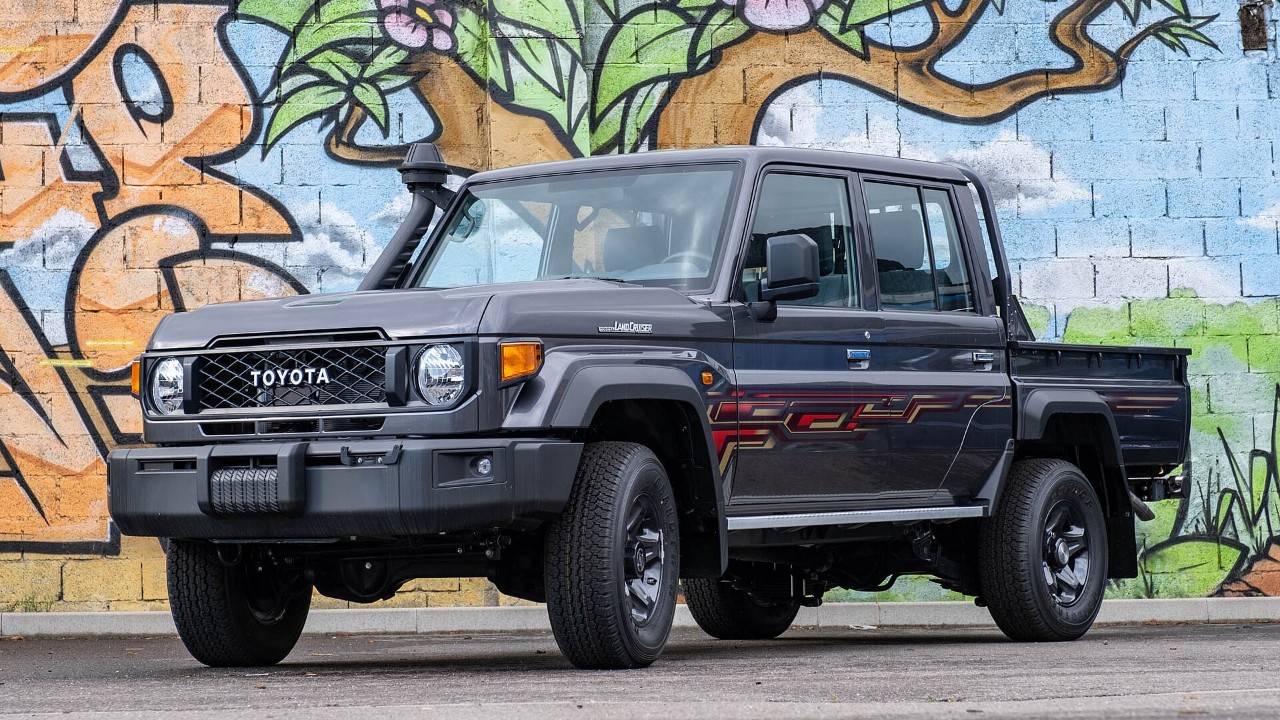
The 70 Series went into production in 1984 to replace the 40, and it is still being built. Toyota Auto Body builds the short-wheelbase version at the Yoshiwara plant in Toyota City. The double-cab 79 pickup joined the range in 2012 in South Africa and Australia. It pairs four doors with a long 3,180 mm wheelbase and a 130-liter fuel tank.
The 2023 update added a 2.8-liter four-cylinder turbo diesel with a six-speed automatic. It also brought LED headlights and a new gauge cluster styled after the old 40 Series. Meanwhile, Africa and Bolivia kept the 1HZ straight-six diesel, the last straight-six in the range. Toyota has also built 70 Series trucks in Portugal for African export since 2015, including a double cab.
The truck pictured is a 2024 African-market double cab. Our take: few vehicles show durability like a design that stays in production for four decades. The people who buy a 79 today are not chasing style. Instead, they want a truck they can fix far from a dealer, and Toyota keeps building it for them.
9. Toyota Land Cruiser Prado 90 Series
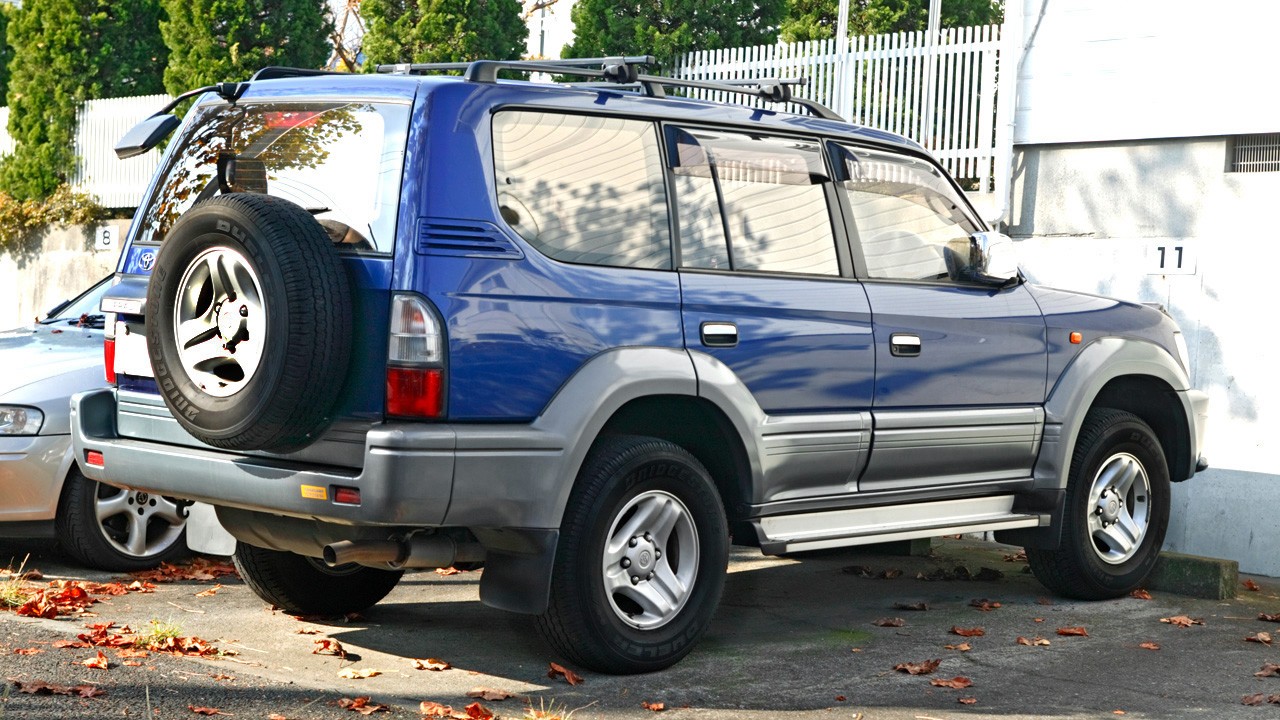
Toyota launched the 90 Series Prado in Japan on May 8, 1996. It was the lighter, more comfort-minded side of the family. Buyers could choose a three-door five-seater or a long five-door with eight seats. At launch, Toyota offered a 3.4-liter V6 rated at 185 PS and a 3.0-liter turbo diesel four.
The Prado switched to full-time four-wheel drive. It also shared its suspension layout with the Hilux Surf, with double wishbones and coil springs up front and a coil-sprung live axle at the back. Later, in July 2000, a common-rail 3.0-liter diesel with 170 PS replaced the older turbo diesel. The UK knew this truck as the Land Cruiser Colorado.
Our take: the 90 Prado gets overlooked next to its bigger siblings, but it shares their stubborn streak. Its live rear axle and simple diesel options suit rough roads. As a result, it became a common sight in places like Colombia, where local assembly ran from 1999 to 2009. If you want a smaller Land Cruiser, this is a smart place to start. Toyota also built plenty of other overachievers, as our list of forgotten Toyota trucks shows.
10. Toyota Land Cruiser 200 Series
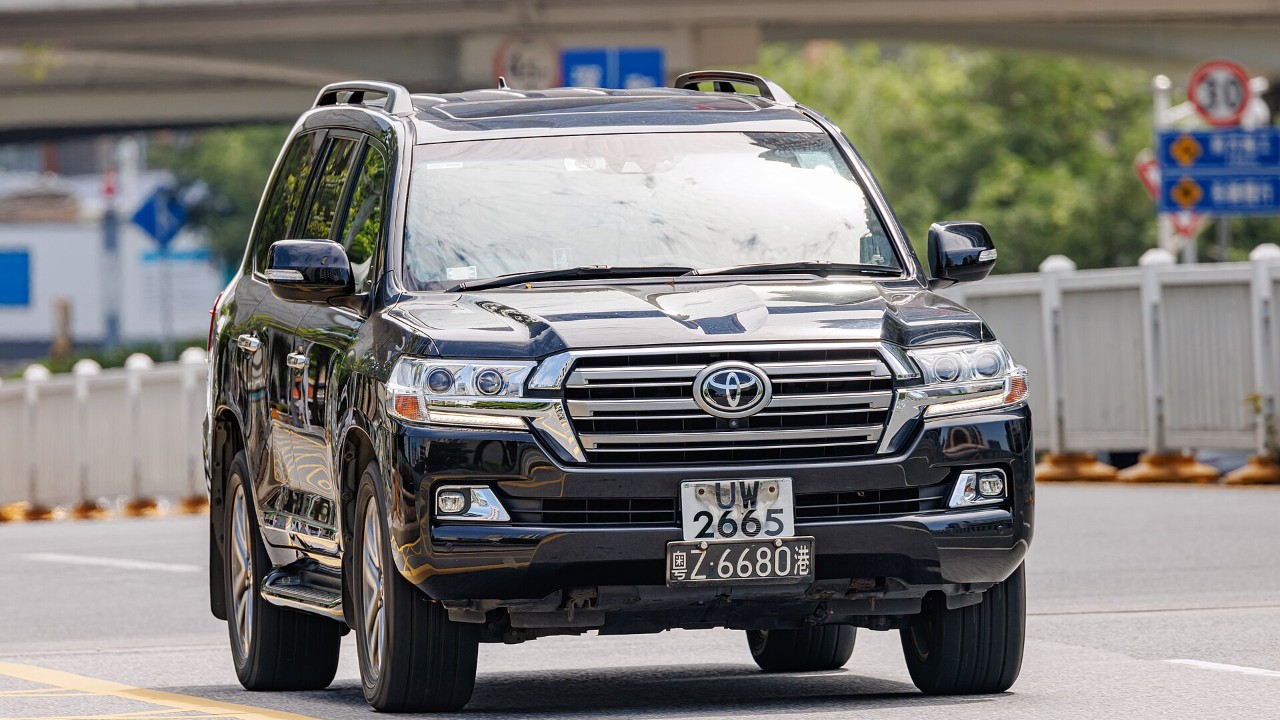
The 200 Series went into production in September 2007 and reached American buyers for 2008. Toyota’s U.S. newsroom lists a 5.7-liter V8 rated at 381 hp and 401 lb-ft of torque. It also lists full-time four-wheel drive, a Torsen limited-slip locking center differential and a two-speed transfer case. Towing capacity reached 8,100 pounds.
Outside the U.S., Toyota UK highlights a 4.5-liter twin-turbo V8 diesel with 286 bhp. The truck also proved itself in competition. Team Land Cruiser Toyota Auto Body raced the 200 in the Dakar Rally’s production-based T2 class, and it won the class nine years in a row from 2014 to 2022.
Toyota stopped selling the 200 in North America after 2021, and the U.S. Heritage Edition marked the 60th anniversary of the FJ40’s arrival. Our take: nine straight Dakar class wins in near-stock trucks tell you more about toughness than any brochure. Finally, Toyota built more than 5.5 million Land Cruisers before the 200 even launched, according to Toyota UK.
More from Fast Lane Only