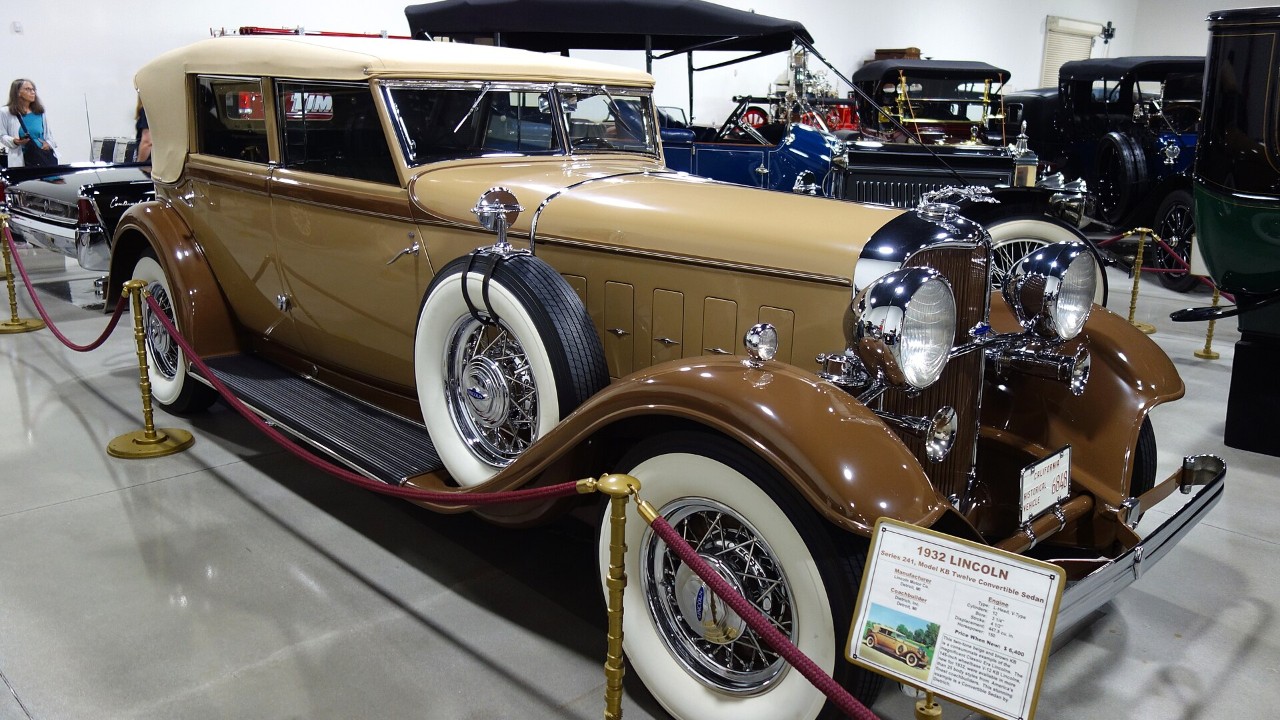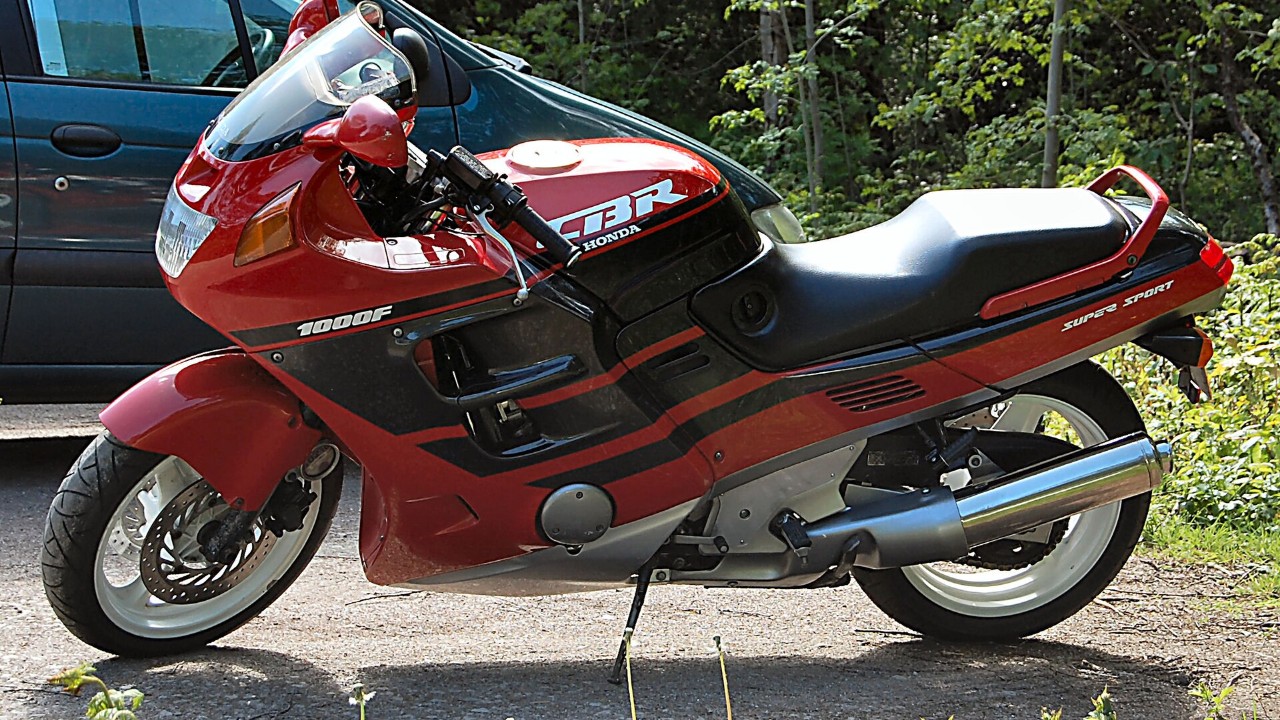
Honda’s CBR1000F Hurricane weighed 511 pounds dry and still ran to 154 mph. Most riders filed it as a comfortable sport-tourer, not a speed record. That gap between reputation and real pace runs through a whole generation of four-cylinder motorcycles.
From the early 1980s to the mid-1990s, Japanese makers kept pushing the inline-four harder. They added turbos, fuel injection, five-valve heads and ram-air intakes. Yet many of these bikes were sold as tourers, all-rounders or styling exercises, so their real speed often went unnoticed.
These are our picks for nine four-cylinder motorcycles that were faster than anyone admitted. The verdict is our opinion. However, every engine size, output, speed and production figure below comes from road tests, magazines and reference sources read for this story.
1. 1994 Honda CBR1000F Hurricane
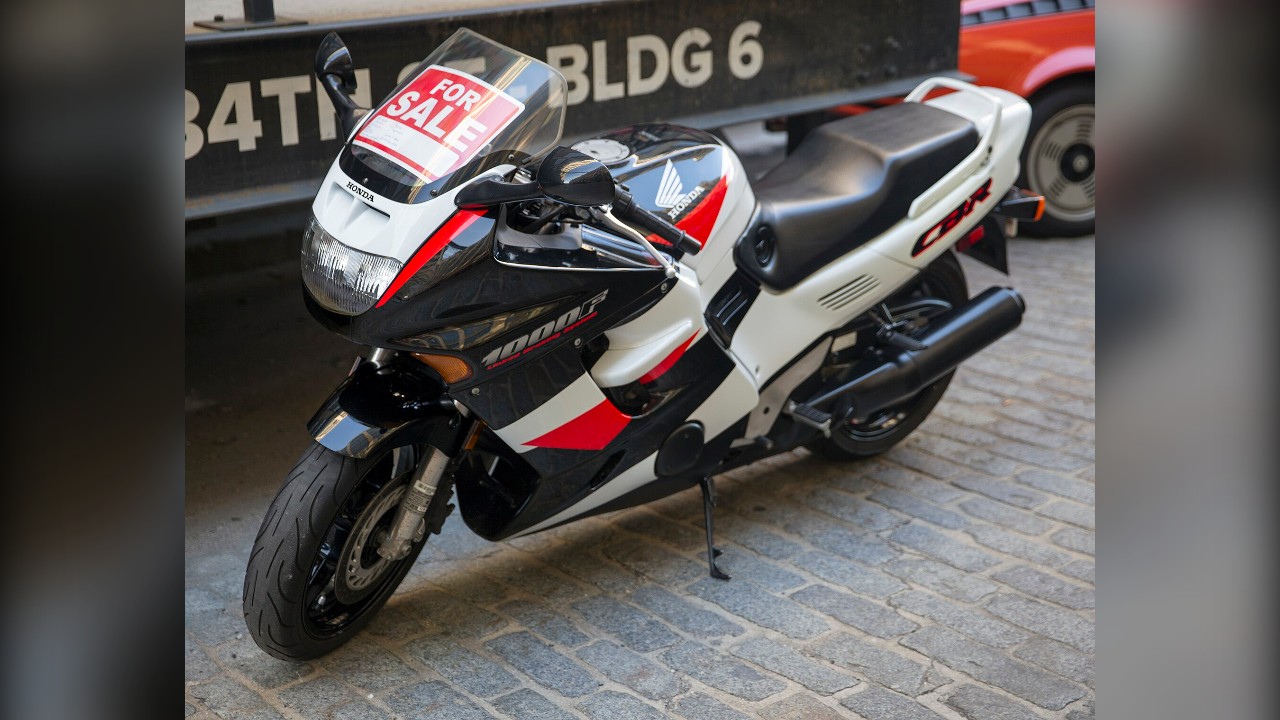
The CBR1000F arrived in 1987 with full bodywork that hid almost everything mechanical. Under the panels sat a 998 cc, liquid-cooled, 16-valve inline-four. Honda rated it at 135 bhp, and the bike could reach 154 mph. In the US, it stayed on sale through 1996, while the rest of the world got it until 1999.
It was never a lightweight. The CBR1000F weighed 232 kg dry and 256 kg wet. In 1992, Honda gave it more streamlined bodywork and Dual Combined Braking, which linked the front and rear brakes. After that, it made no major changes, so a 1994 bike carries the final form of the design.
That weight is why riders underrated it. People saw a big, comfortable bike with linked brakes and assumed it was slow. Our take: a CBR1000F Hurricane in good shape is one of the most overlooked fast bikes of the 1990s. In our view, it covers distance at a pace few riders expect from a bike this heavy. Look for one with a full service history, because these bikes reward regular care.
2. 1985 Yamaha FZ750
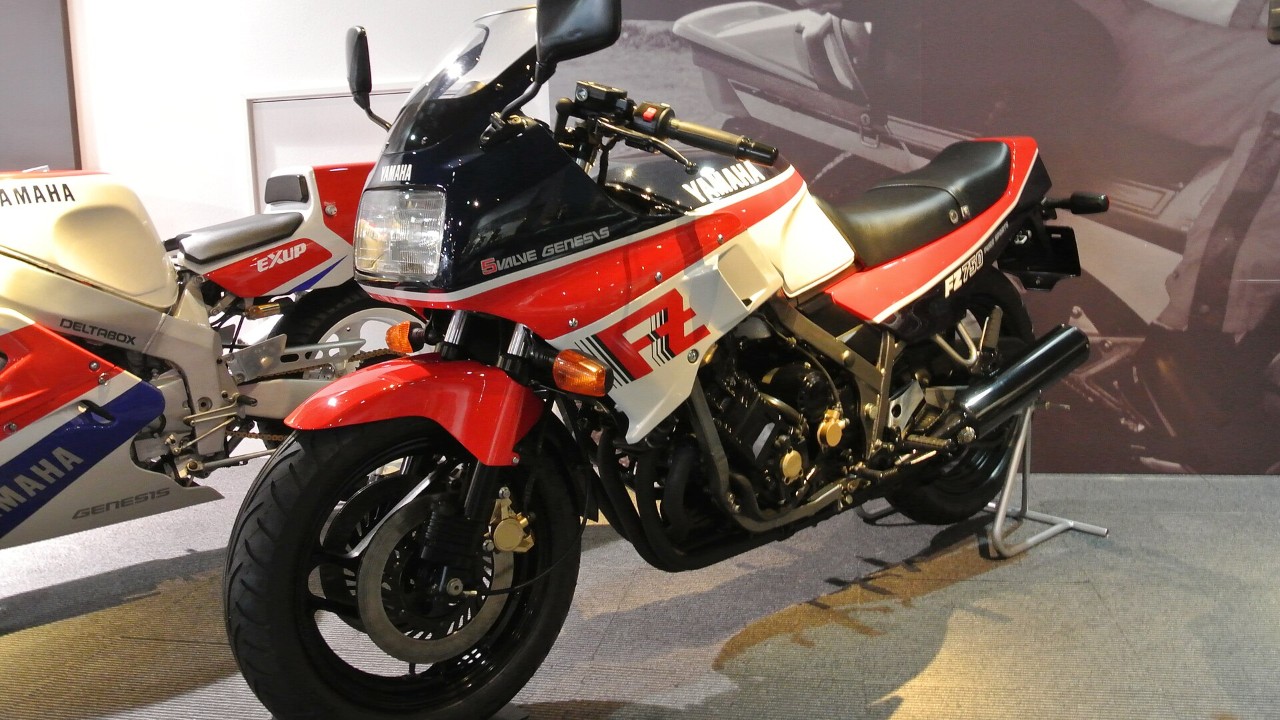
The FZ750 introduced a big idea. It was the first bike built around Yamaha’s Genesis concept, with its cylinders tilted well forward in the frame. The 749.6 cc four also had five valves per cylinder, three for intake and two for exhaust. That five-valve head became a Yamaha trademark.
Yamaha claimed 103 hp at 10,500 rpm, and the FZ750 could reach 140 mph. Those were serious numbers for a 750 in 1985. The bike stayed in production until 1991, which shows how far ahead the design was.
Racing proved the point. A race machine based on the FZ750 won the 1986 Daytona 200 with Eddie Lawson riding. Our take: the FZ750 often gets lost between the early superbikes and the later FZR range. Yet it was the bike that set the template for Yamaha’s fast fours for years. That is why we think it was quicker, and more important, than its reputation suggests.
3. 1983 Yamaha XJ650L Seca Turbo
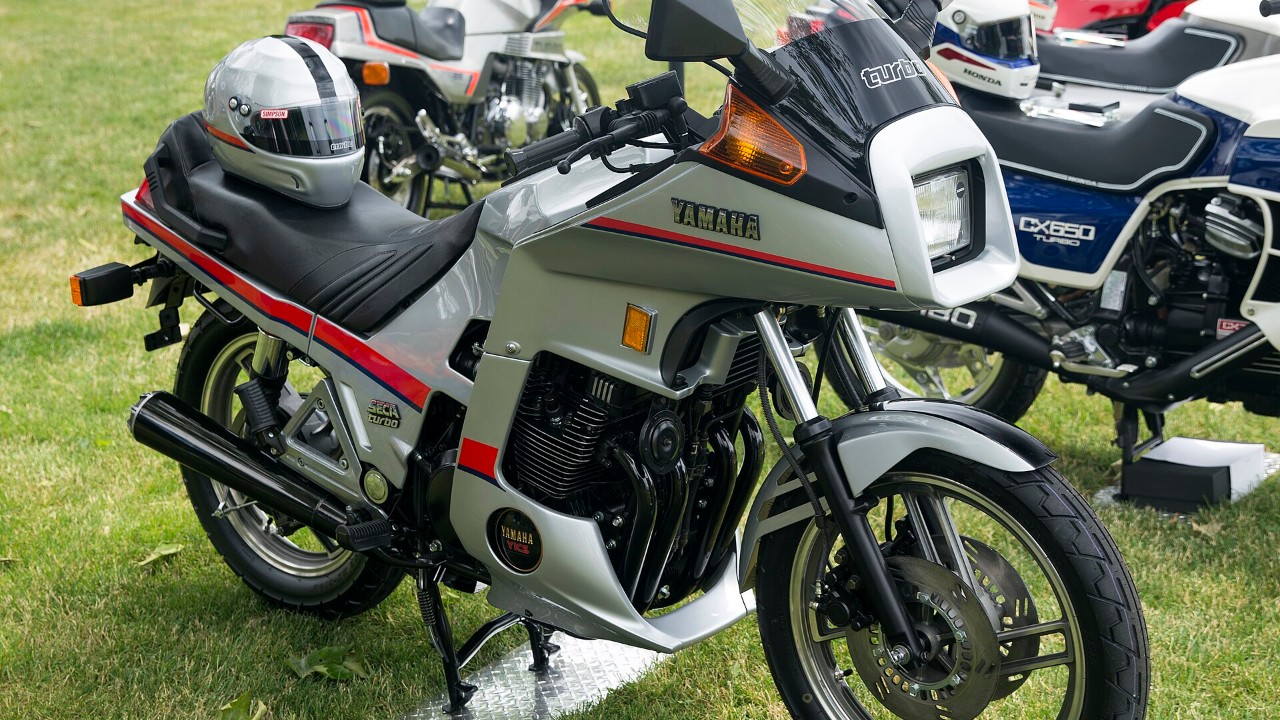
Yamaha’s turbo experiment did not last long, and the Seca Turbo shows why. Yamaha took its XJ650 and added a small Mitsubishi turbocharger with a 39 mm turbine. Boost was 7 psi, while the compression ratio dropped from 9.2:1 to 8.2:1. The 653 cc four made up to 90 hp, compared with about 73 hp for the regular bike.
The results were mixed. According to The Autopian’s history of the Seca Turbo, Cycle Guide ran the quarter mile in 12.61 seconds at 104.7 mph. However, the regular XJ650 ran 12.83 seconds at 103.4 mph. The turbo also added 65 pounds of dry weight and cost $4,999, about $2,000 more than the standard bike.
Yamaha sold it for just two years. Estimated sales were 6,500 in 1982 and only 1,500 in 1983. Our take: the Seca Turbo is fast, but its real story is how much effort it took to gain so little. Top speed was around 126 or 127 mph. A 1983 bike is the rarer year, and that makes it a great conversation piece at any show.
4. 1990 Kawasaki Ninja ZX-11
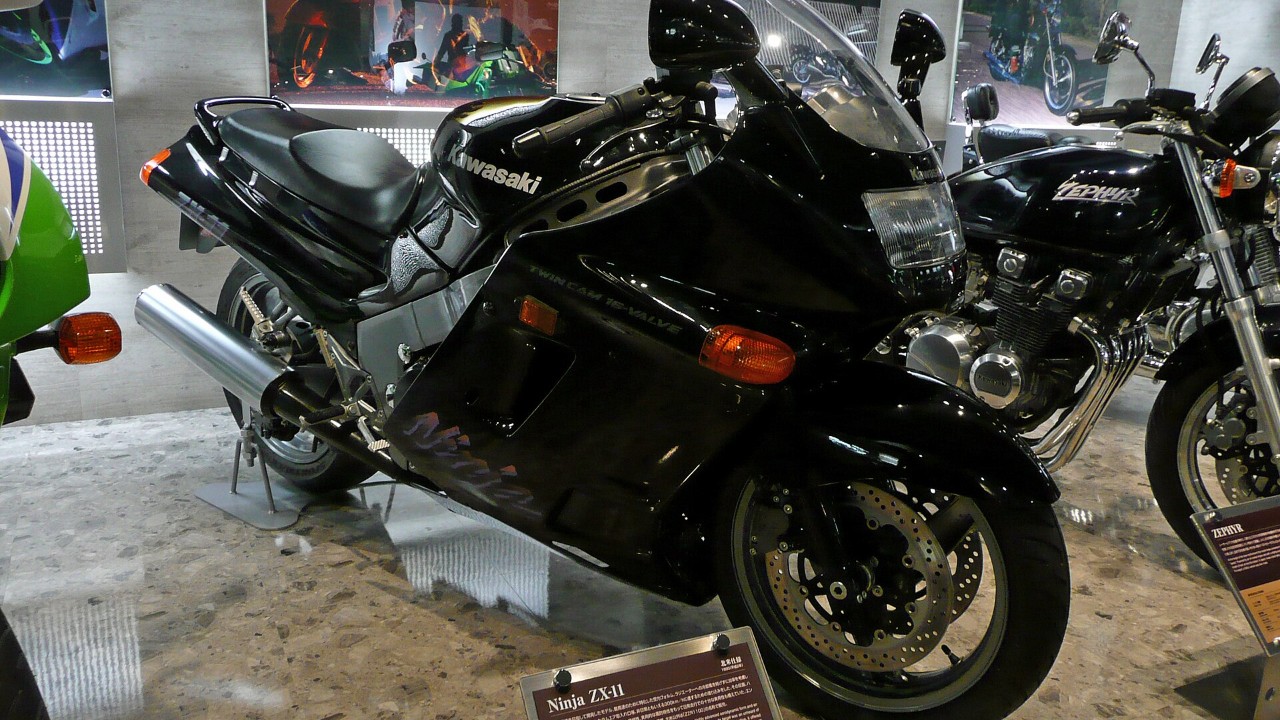
Kawasaki did not hide the ZX-11’s speed. It was the fastest production motorcycle from 1989 until Honda’s CBR1100XX passed it in 1996. Its 1,052 cc liquid-cooled four was rated at 145 bhp at 10,500 rpm. Top speed estimates range from 169 to 176 mph.
The ZX-11 C1 of 1989 also brought a first. It had a ram-air intake, the very first on any production motorcycle. That small scoop gave the ZX-11 a place in motorcycle history before anyone even rode it.
So why is it on this list? In our view, later superbikes and the bike’s own size have overshadowed how quick it really was. Our take: a big, comfortable image undersells it badly. A 1990 C-model is the early, original form of a bike that held the speed crown for seven years. The C-model ran from 1989 to 1993, before the D-model took over.
5. 1991 Yamaha FZR1000 EXUP
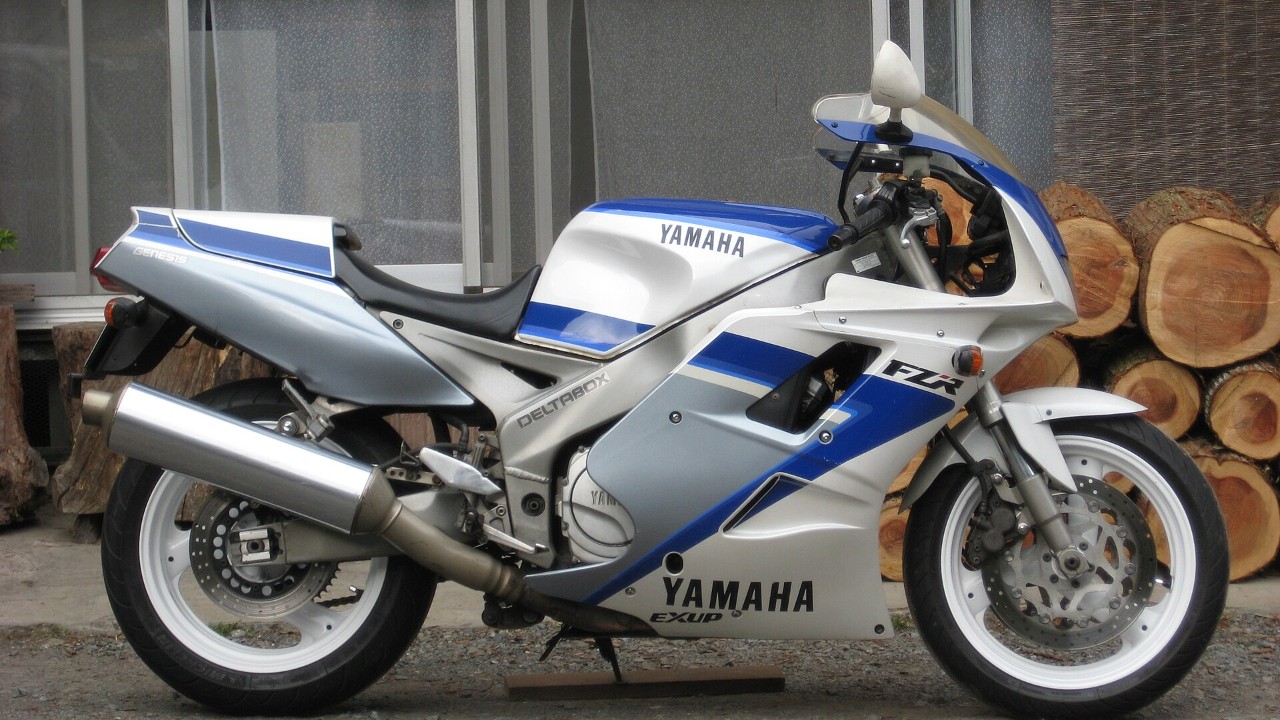
The 1989 FZR1000 brought a clever valve into the exhaust. Yamaha called it EXUP, and a servo motor drove it. The valve restricted exhaust flow at low engine speeds, which improved low-end pull. At the same time, the redesign raised capacity from 989 cc to 1,002 cc.
The engine is listed at 148 hp at 10,000 rpm. Yamaha also refined the all-aluminum Deltabox frame. As a result, the bike became shorter, lower, stiffer and lighter than the model it replaced.
Then, in 1991, came a further redesign. That version got upside-down forks and a single headlight, and it is often called the definitive FZR1000. Our take: the FZR1000 EXUP has always lived in the shadow of later superbikes. In our view, it was one of the bikes that made them possible. A 1991 bike is the one to own, because it is the most complete version of the design. For an earlier chapter in the inline-four story, read how the 1969 Honda CB750 became the first superbike.
6. Kawasaki GPz1100
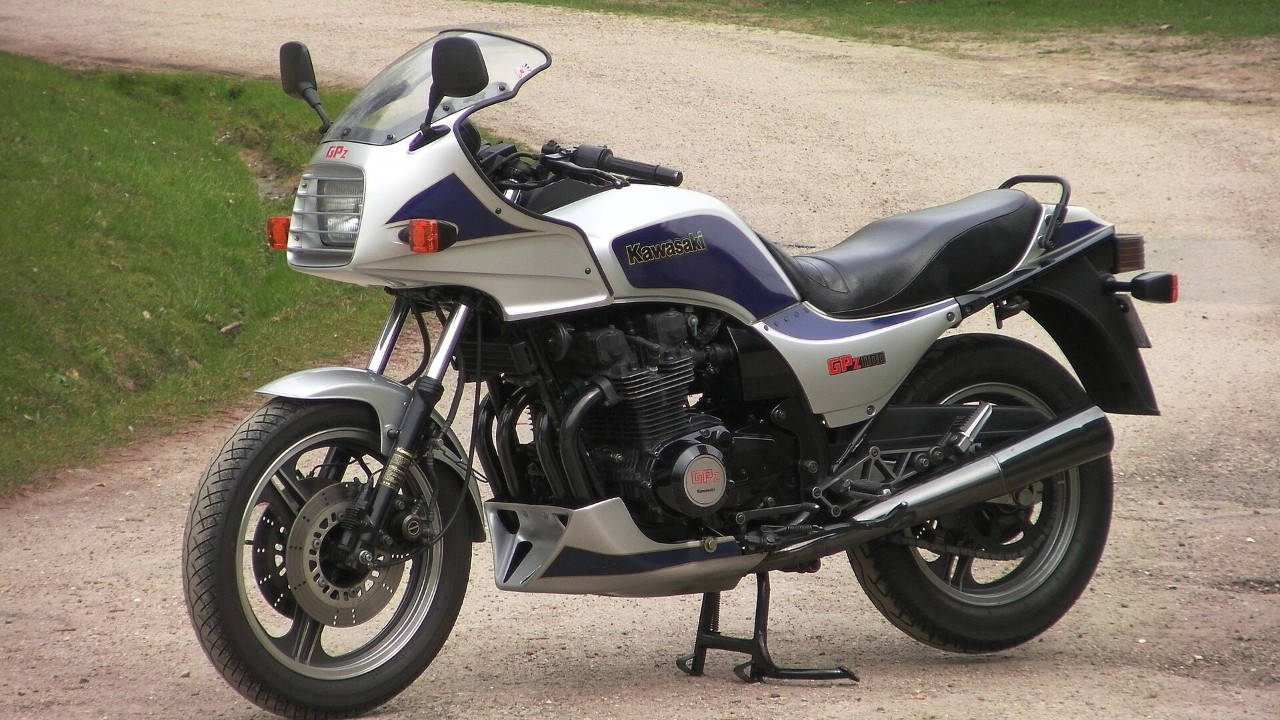
Kawasaki’s GPz1100 had a technical edge that many riders overlooked. Its fuel injection was made in Japan under license from Bosch. The first GPz1100 B1 arrived in 1981. Its 1,089 cc air-cooled four used a 72.5 mm bore and a 66 mm stroke, and it made 108 bhp at 8,500 rpm.
Kawasaki then kept improving it. According to MCN’s guide to the GPz1100, the 1982 B2 got digital fuel injection. Then, in 1983, the A-model added a Uni-Trak monoshock rear and a larger, frame-mounted fairing. Peak power rose to a class-leading 120 bhp.
The bike in this photo is a ZX1100 A-model, the later and more powerful version. Production ended after the A3 at the end of 1985. Our take: the GPz1100 deserves more credit as the last of the big air-cooled superbikes. Newer bikes soon took the spotlight, so people forgot how strong it was. An A-model is the version we would choose for its extra power and better rear suspension.
7. Suzuki GSX1100S Katana
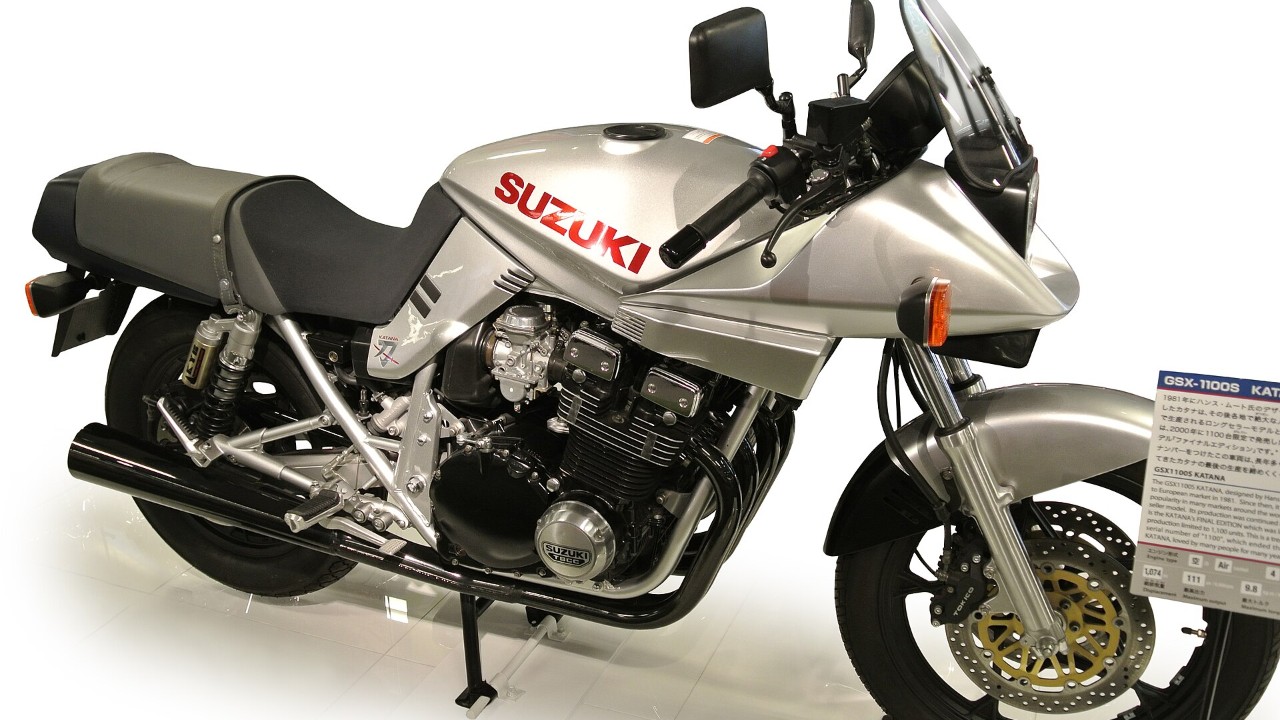
The Katana is famous for its looks, and that is exactly why its speed gets overlooked. Hans Muth of Target Design in Germany styled it under contract with Suzuki. Before that, he had been BMW’s chief of styling. The sharp, angular shape still looks unlike anything else from 1980.
Suzuki made a bold claim when the GSX1100S went on sale in late 1980. It said the Katana was the fastest mass-production motorcycle. In track testing, Cycle Canada recorded 147 mph. By comparison, the standard GSX1100E reached 141 mph in the same comparison. The 16-valve production Katanas date from 1981.
The original Katana line ended in 1985, although Suzuki used the name on sport-touring models through 2006. Our take: people buy a Katana for its shape. Yet it was one of the quickest bikes of its day, and that side of the story deserves more attention. A clean early bike shows both sides of the Katana at once.
8. Honda CB1100R
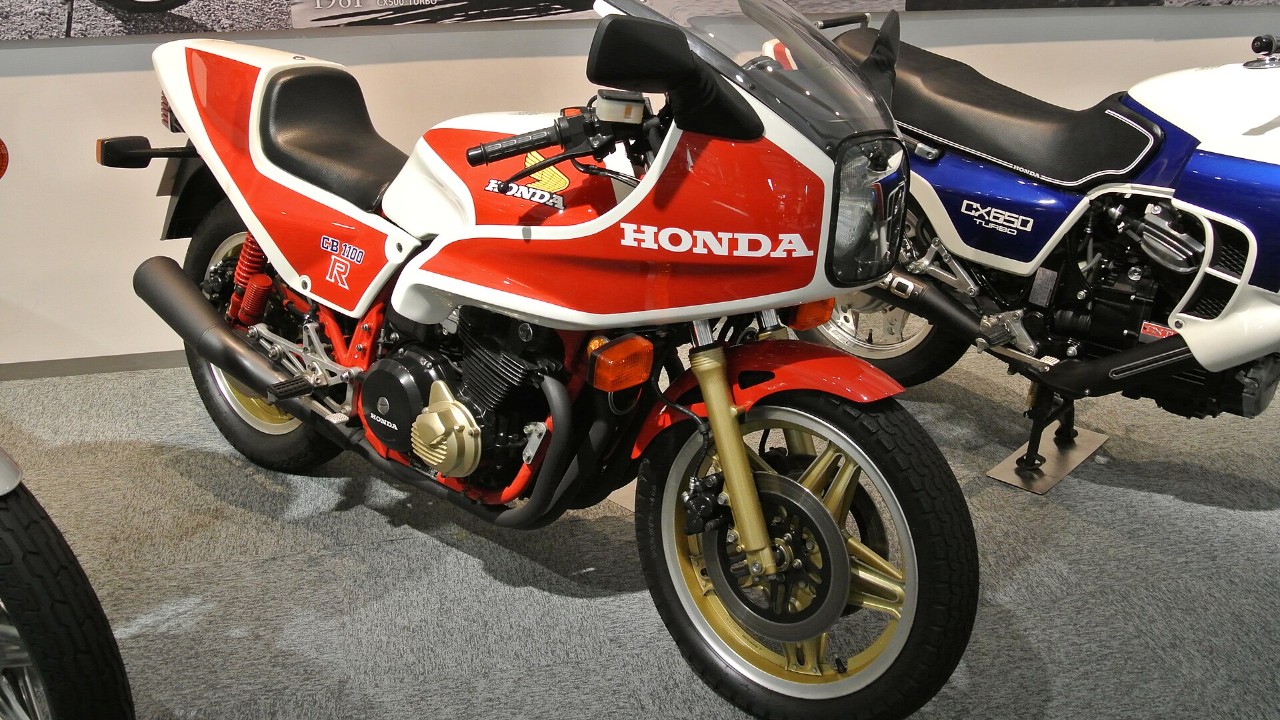
Honda built the CB1100R for one reason. It needed enough of them to class the bike as a production motorcycle for racing. As a result, numbers stayed low. Honda sold 1,050 units in 1980 and 1981, then 1,500 a year in 1982 and 1983.
The engine was a 1,062 cc air-cooled inline-four rated at 115 bhp at 9,000 rpm. The 1982 and 1983 bikes added a full fairing and an aluminum fuel tank. They also had a pillion seat under a removable seat cowl, which gave the bike a racing look.
The results came on the track. Wayne Gardner and Andrew Johnson won Australia’s Castrol Six Hour in 1980. Then Malcolm Campbell and Mick Cole won New Zealand’s Castrol Six Hour in 1981. Gardner returned with Wayne Clark to win the Australian race again in 1982. Our take: the CB1100R looks like a road bike from its era, but it was a racing machine in disguise. Its speed rarely gets mentioned outside the people who owned one.
9. Suzuki GSX-R1100
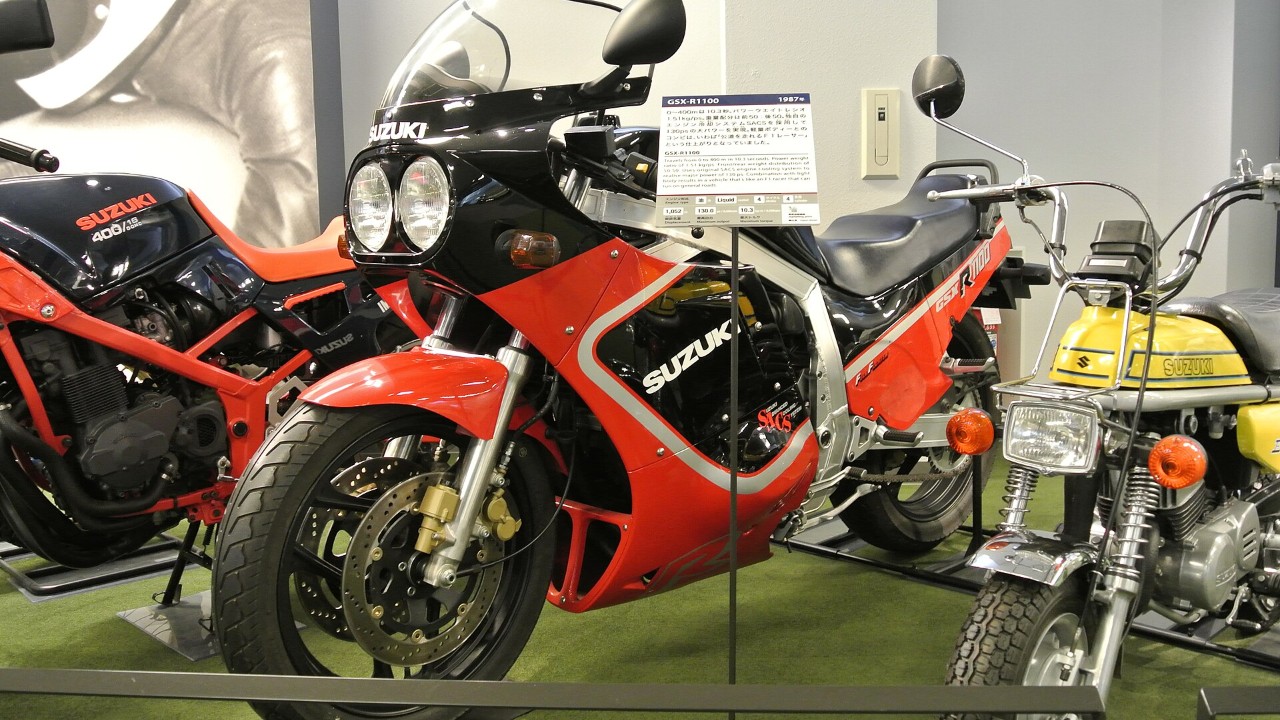
Suzuki launched the GSX-R1100 in 1986. At first, it used an oil-cooled engine with the Suzuki Advanced Cooling System. That system sent oil to parts that air could not reach. The early engine displaced 1,052 cc and made 137 hp.
The light weight was the big advantage. At launch, the GSX-R1100 was quoted at 434 pounds. Then, in 1989, the K model brought a bigger 1,127 cc engine. In 1993, the WP model switched to water cooling.
The later bikes were very fast. Superbike magazine measured 177 mph on a 1995 WS model. The bike remained in production until 1998. Our take: the GSX-R1100 was sold as a race replica, so nobody denied it was quick. Still, few people realized how fast the later water-cooled bikes were. For more bikes that outran their reputations, see 20 vintage motorcycles that were faster than anyone admitted.
More from Fast Lane Only