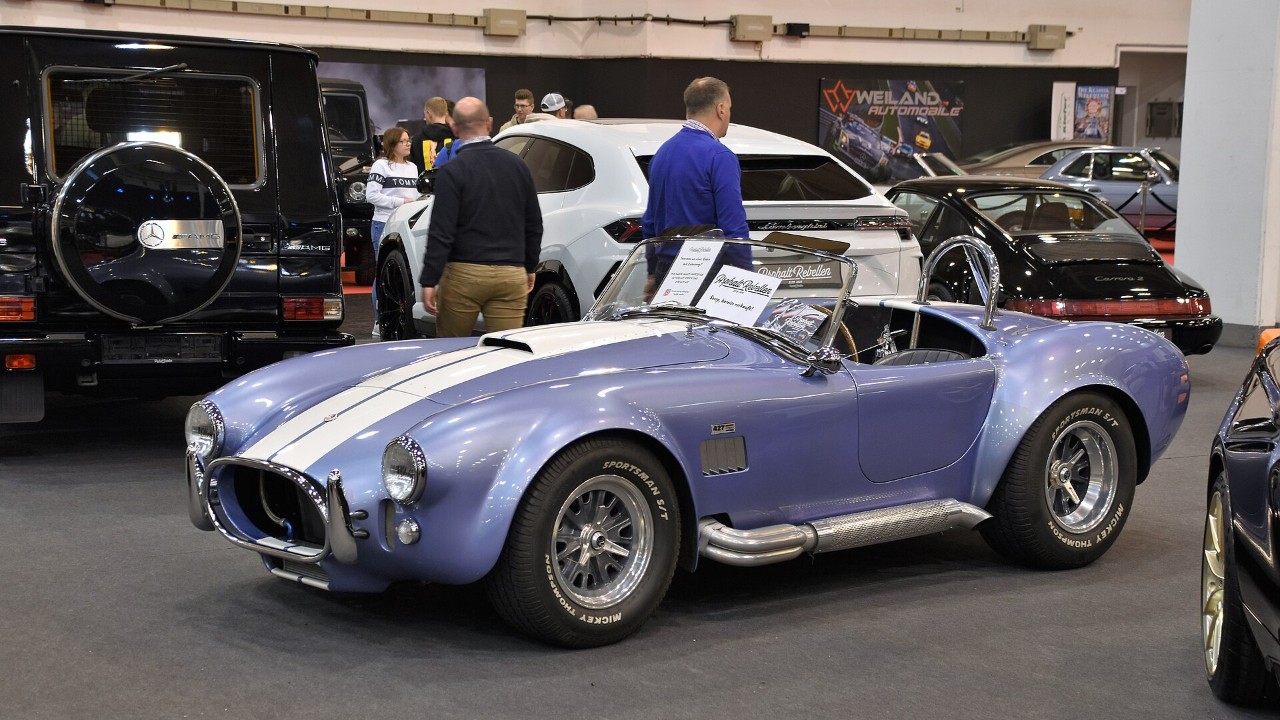
The 427 Cobra began as a small British roadster from AC Cars, and it ended up carrying a 7.0-liter Ford V8. That jump sums up a long British habit. Small sports-car makers kept stuffing bigger engines into light, open two-seaters, often with more power than the chassis seemed ready for.
Some of these cars sold in the thousands, while others ran to a few dozen before production stopped or the model moved on. Several came from firms with tiny workshops and thin budgets. A few even relied on a partner across the Atlantic to finish the job.
These are our picks, from the 427 Cobra to the Caterham R500, for the British roadsters that felt like too much car for the factory that built them. That verdict is our opinion, not a claim that power alone ended any of them. However, the engines, outputs and production counts behind each pick all come from the record.
1. 1966 Shelby 427 S/C Cobra
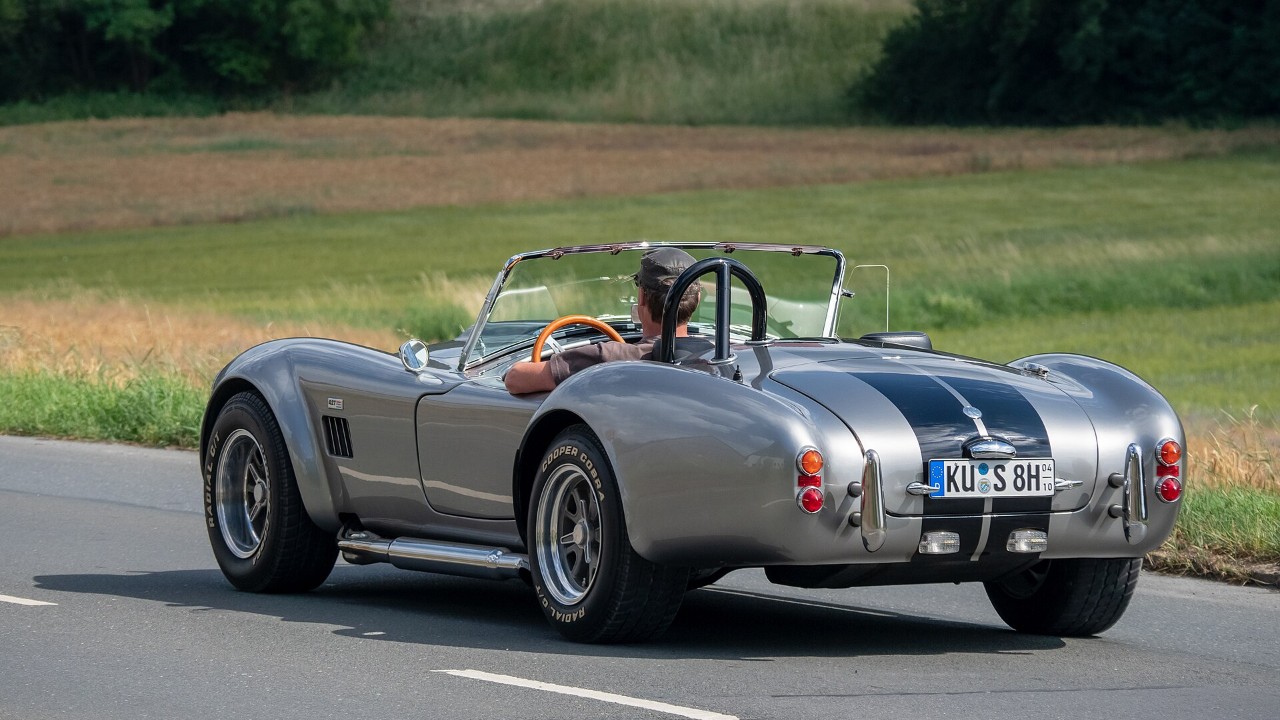
In our view, the 427 Cobra was a far more serious machine than the small-block original. Production of the Mark III began on January 1, 1965, with four-inch main chassis tubes and coil springs all around. AC then shipped the cars to the United States as unpainted rolling chassis, and Shelby’s workshop finished them.
Under the 427 Cobra’s hood sat Ford’s 7.0-liter FE side-oiler. The standard car carried a 425-horsepower rating and a top speed of 164 mph. The S/C, short for semi-competition, went further, with 485 horsepower and a quoted 185 mph. Those S/C cars exist because racing plans fell apart. When FIA inspectors arrived in April 1965, only 56 of the 100 required cars stood finished, so the 427 Cobra missed homologation. Shelby then turned 31 unsold competition cars into street machines with windscreens.
Our take: few cars show the gap between a small British maker and a giant V8 more clearly. We covered more of those hybrids in our look at European GT cars built around American V8s. With 485 horsepower, the S/C is the most potent of the 427 Cobras, and Shelby converted only 31 of them.
2. Morgan Plus 4 Super Sports
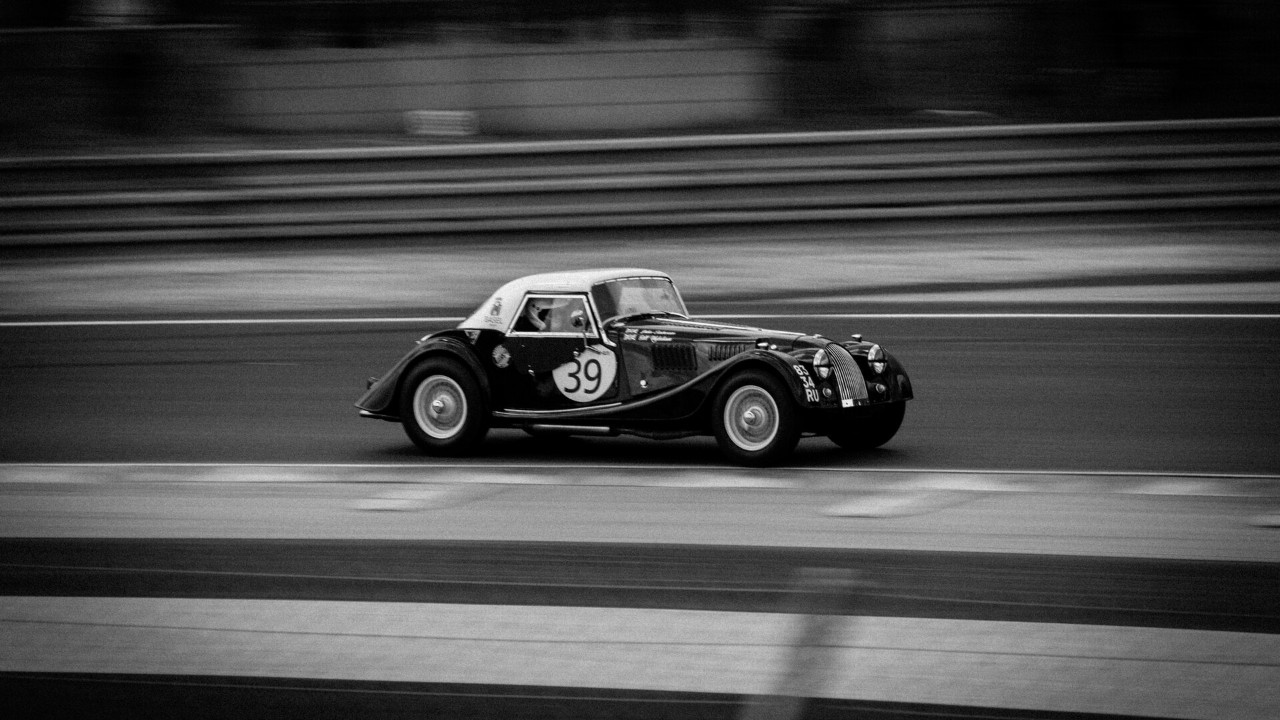
Morgan built its reputation on traditional sports cars, yet the Super Sports was a sharp-edged racer for the road. It used a low-line, lightweight aluminum body and a tuned engine. The standard Plus 4 of that period ran a 2,138 cc Triumph TR4 four-cylinder, the same unit Triumph used in its own sports car.
The Super Sports followed a LawrenceTune Plus 4 that raced at Le Mans in 1962. That year, Chris Lawrence and Richard Shepherd-Barron won the 1,601 to 2,000 cc GT class in a Plus Four. Morgan then offered the Super Sports from 1962, and it built just over 100 of them.
We think this one belongs here because it pushed a very traditional maker far outside its comfort zone. A tuned engine and a lightweight body made it a different animal from a typical Morgan. Because Morgan built only about a hundred, you are far more likely to read about one than to see one. In our view, that tiny run is part of the appeal. A Super Sports is a Morgan that spent its life chasing class wins rather than country lanes.
3. 1966 TVR Griffith 400
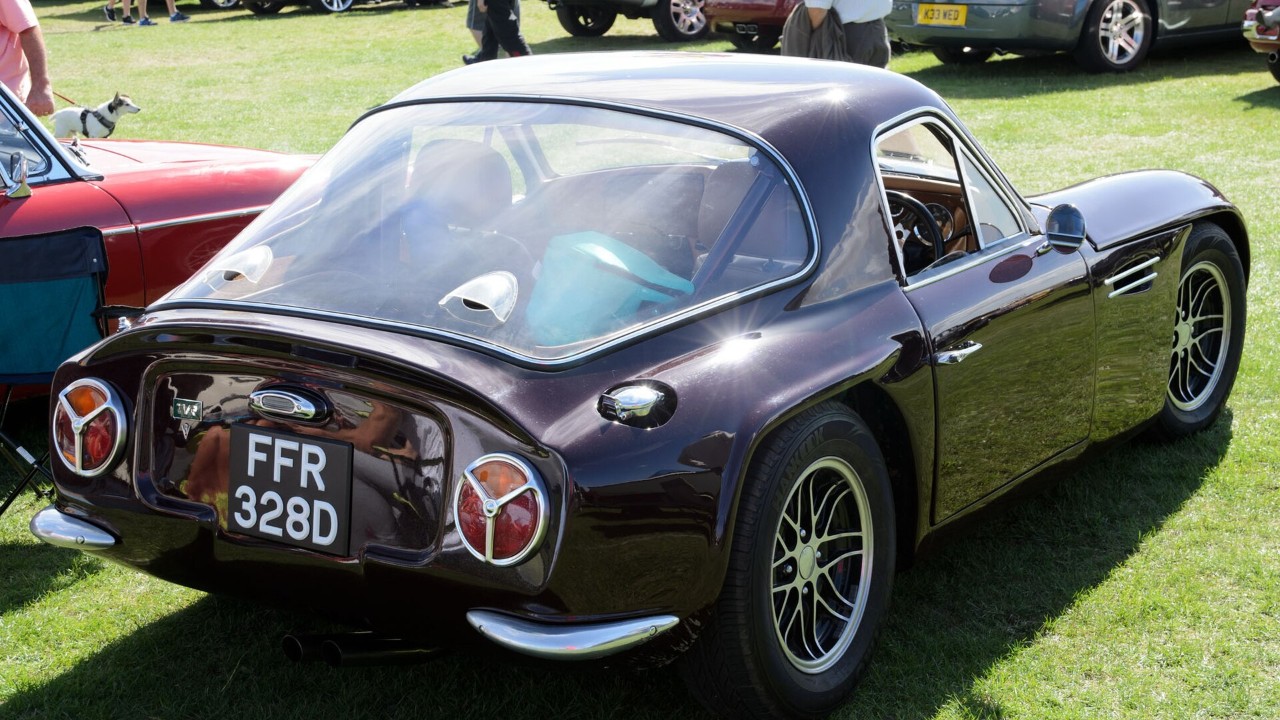
The Griffith started with a simple, risky idea: put a Ford V8 in a small TVR. According to the TVR Car Club, TVR shipped the cars to Jack Griffith’s factory in Syosset, New York, without an engine or gearbox. Griffith then installed Ford’s 4,727 cc 289. Like the 427 Cobra, it relied on an American partner to finish the job.
The results looked startling for such a small car. The club lists 195 bhp, or 271 bhp in HiPo form, with 0 to 60 mph in about six seconds. HiPo cars needed only five, and their top speed reached 150 mph. The Griffith 400 added a larger radiator, twin electric fans, revised rear suspension and a Salisbury limited-slip differential. Those changes aimed to cure problems found in the earlier Griffith 200.
Then a dock strike on the U.S. east coast in January 1965 cut off Griffith’s supply of cars. As a result, both TVR and Griffith Motors collapsed. The club counts only 59 Griffith 400s. Arthur and Martin Lilley rescued TVR in November 1965 and built ten more Griffith 200s from leftover stock. You can follow the rest of the company’s story in our guide to TVR sports cars from the Grantura to the Sagaris.
4. 1952 Jaguar XK120 OTS roadster
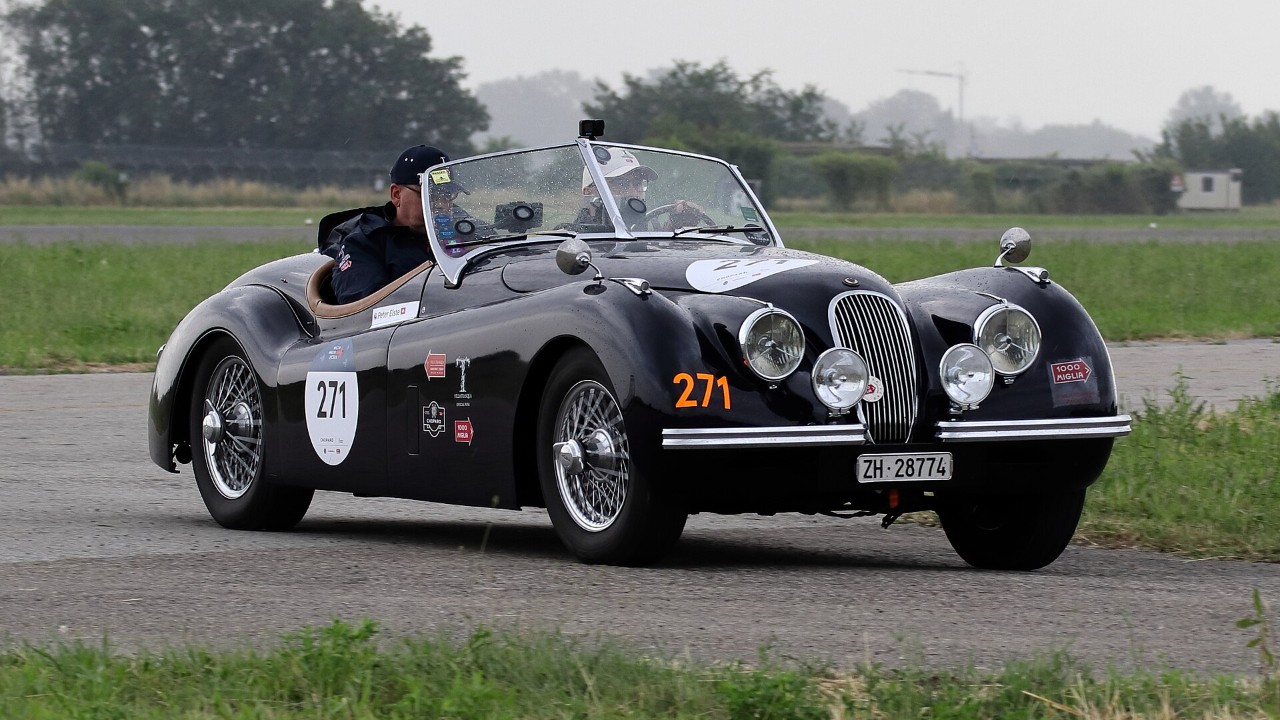
Jaguar named the XK120 for its top speed of 120 mph. Its 3.4-liter twin-cam straight-six made 160 bhp on 80-octane fuel, which was serious power for 1948. Then, on May 30, 1949, a prototype averaged 132.6 mph over two runs on the Ostend to Jabbeke road in Belgium.
Production soon changed course. Jaguar built the first 242 cars with aluminum panels over ash frames between late 1948 and early 1950. After that, the company switched to pressed-steel bodies, which added about 112 pounds. In all, Jaguar made 7,606 of the open two-seaters, including 6,436 with left-hand drive and 1,170 with right-hand drive. Across every body style, XK120 production reached 12,055 cars.
Our take: the XK120 is the opposite of most cars on this list. Jaguar kept building it for six years and made thousands, rather than a few dozen. By 1952, the year of our pictured roadster, the hand-formed aluminum era had already ended. In our view, a 120-mph production car in 1948 was a huge leap for any maker. That 132.6-mph run in Belgium proved the name was no idle boast.
5. TVR Chimaera
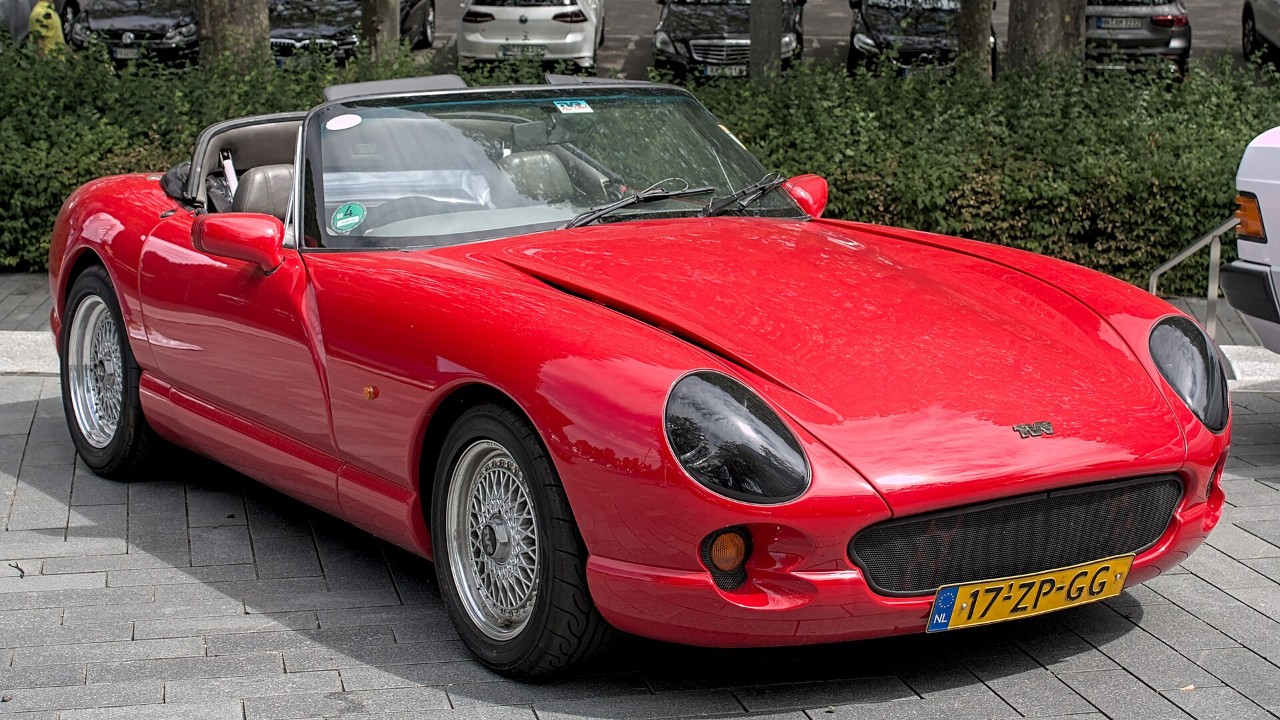
The Chimaera brought TVR’s V8 roadster formula to a much wider audience. Built from 1992 to 2003, it used the same backbone chassis and Rover V8 family as the later Griffith. Buyers could choose a 4.0-liter version with 240 horsepower or a high-compression 4.0 with 275.
From there, the numbers kept climbing. A 4.5-liter Chimaera made 285 horsepower, and the 5.0-liter version reached 340. That top car carried 100 more horsepower than the base 4.0. That top engine gave a soft-top cruiser the same output as TVR’s harder-edged Griffith. TVR built 5,256 Chimaeras in total, a big number for such a small company. Because it shared its chassis with the Griffith, the two cars also made a natural pair in TVR’s lineup.
We’d call the Chimaera the friendliest car on this list, but friendly is relative. A 340-horsepower V8 in a light, compact two-seater was always going to demand respect. Still, its long production run shows that TVR found a way to make the formula work at scale. In our view, a 5.0 Chimaera remains one of the most fun ways into V8 TVR ownership. Just budget for careful maintenance, as with any small-volume British car.
6. Jaguar E-Type Series 3 V12 roadster
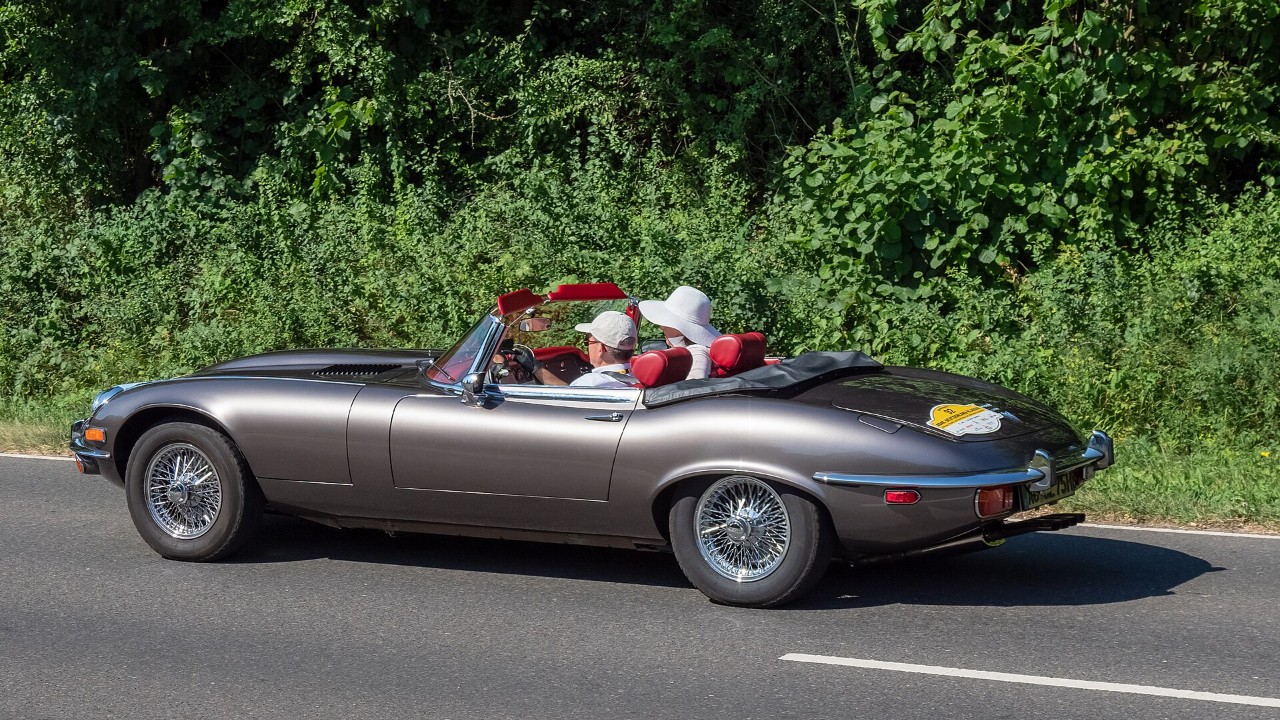
By 1971, Jaguar had fitted its E-Type with a 5.3-liter V12. Four Zenith carburetors fed the engine, which carried a claimed rating of 272 horsepower. To make room, the Series 3 rode on a longer wheelbase, which also gave occupants more space in every direction. The open two-seater stretched to 184.5 inches long.
The fixed-head coupe disappeared, so the Series 3 came only as a roadster or a 2+2. Jaguar built 7,990 Series 3 open two-seaters before the last one left the line in June 1974. To mark the end, Jaguar painted 50 commemorative cars black, with cinnamon upholstery and plaques on the glove box.
Our take: the V12 turned the E-Type from a lithe sports car into a fast grand tourer. In our view, that change suits some drivers better than others. Either way, a V12 in a two-seat roadster felt like a lot of engine for a shape that first appeared in 1961. For the full progression, see our guide to E-Type versions from the Series 1 to the V12. With only 50 built, the black commemorative cars are the ones collectors hunt.
7. 1959 Jaguar XK150 S 3.4 roadster
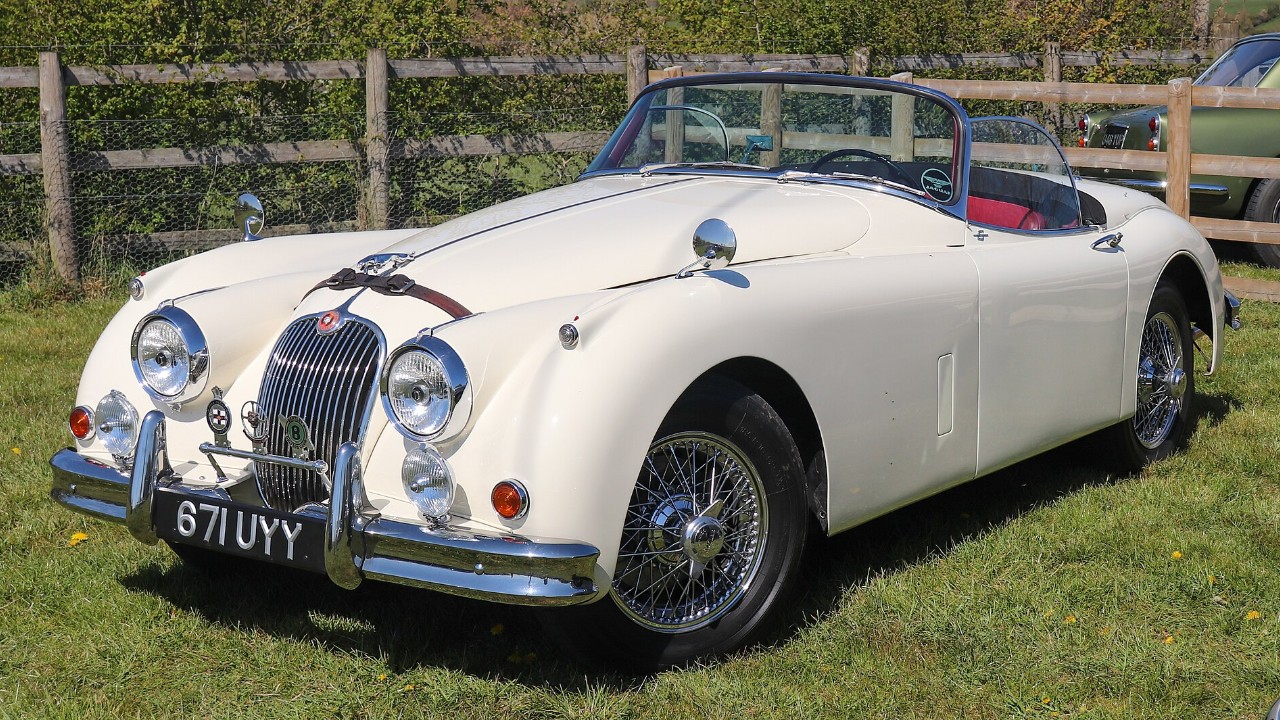
The XK150 S pushed Jaguar’s twin-cam six harder than ever before. For the 3.4-liter S engine, Jaguar added a straight-port cylinder head and three two-inch SU HD8 carburetors. The claimed result was 250 SAE horsepower at 5,500 rpm.
Jaguar launched the open two-seater XK150 in 1958, and buyers could pair it with the S engine. The S version ran from 1958 to 1960. Four-wheel 12-inch disc brakes became an option on the XK150 in 1960. In total, Jaguar built 2,265 XK150 roadsters from 1957 to 1960, across every engine choice. That makes any S roadster a small slice of a small run.
We think the XK150 S was the moment the XK line outgrew its chassis. It carried 90 more claimed horsepower than the original XK120, in a car of the same basic type. Then, in 1961, the XK150 bowed out and the E-Type took over. In our view, the 3.4 S roadster is the most exciting of the late XKs. It shows how far Jaguar could stretch a 1940s design before something new had to take over.
8. 1962 AC Ace 2.6 Ruddspeed
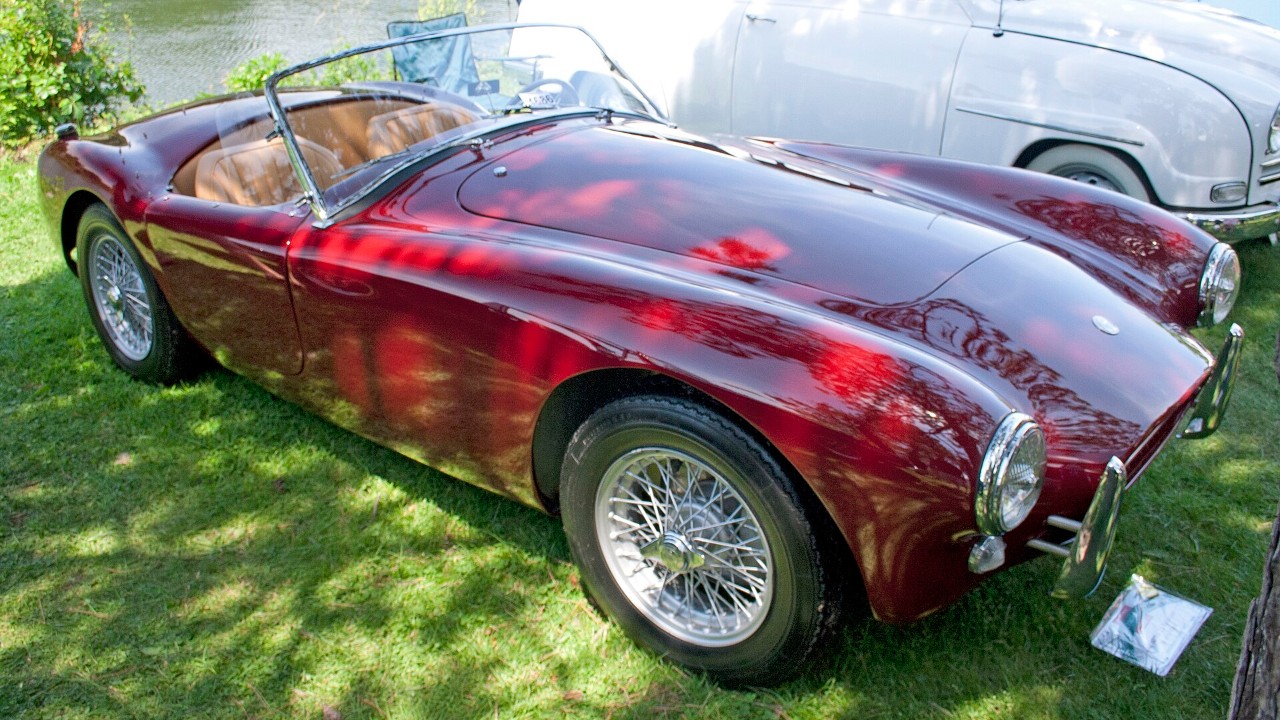
Before the Cobra, AC tried a different way to add power to its Ace. From 1961 to 1963, the Ace 2.6 used a 2,553 cc Ford Zephyr six tuned by Ken Rudd. The base engine made 90 bhp with a single Zenith carburetor.
Rudd then offered four stages of tune. They ran from 100 to 125 and 150 bhp on three SU carburetors, up to 170 bhp on three Webers. For a small, light roadster, the top version nearly doubled the base output. Ford-engined cars carried an RS prefix in their chassis numbers, and the prototype, AE 1191, became RS 5000.
However, the 2.6 had bad timing. Only 37 left the factory, because the Cobra soon drew buyers’ attention away. By comparison, AC built 466 Ace-Bristols, which used a 2-liter six from Bristol rather than a Ford engine. Our take: the Ruddspeed Ace is the forgotten middle step between a gentle Bristol-powered roadster and the V8 Cobra. In our view, it deserved a longer life, but AC had bigger plans. Today, its 37-car run makes it far scarcer than the Cobra that replaced it.
9. Westfield SEight
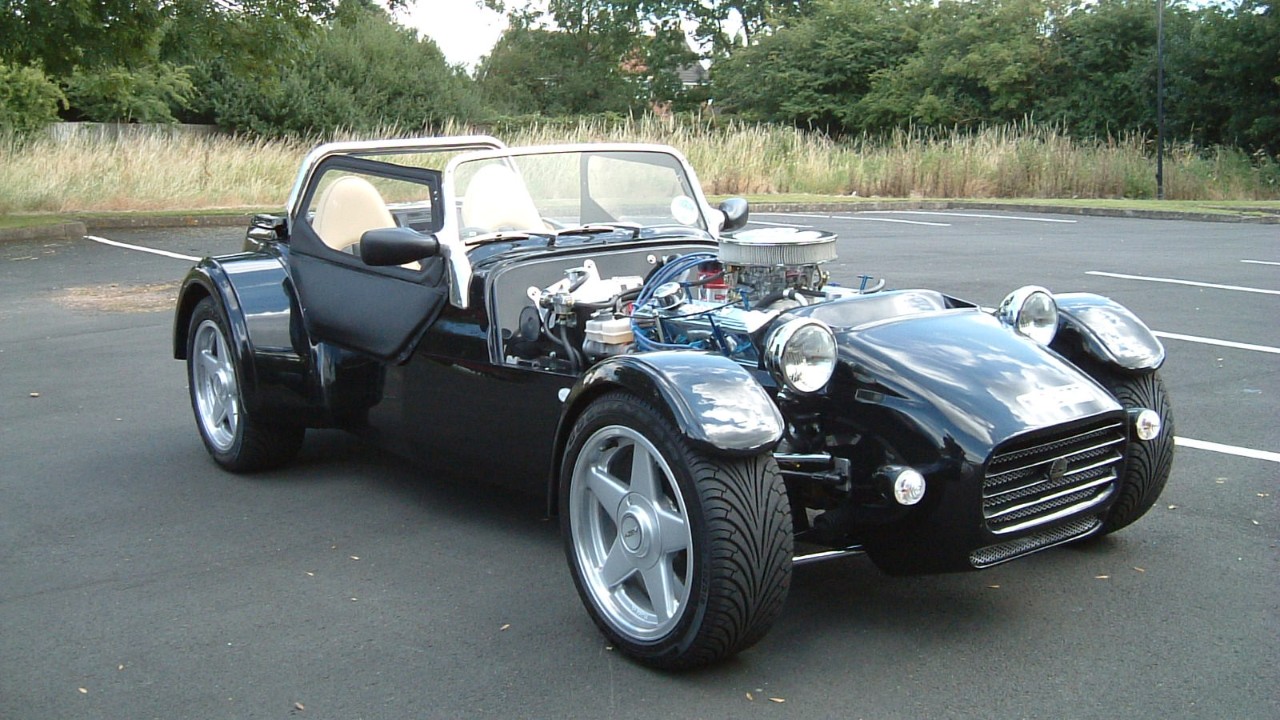
Westfield, founded in 1983 by engineer Chris Smith, built its cars on the Lotus Seven concept. The SEight, launched in 1991, took that light formula to an extreme. The company widened its SEi chassis and added a bonnet bulge to clear a Rover V8. Engines ranged from 3.5-liter units out of the Rover SD1 to bored and stroked 5.2-liter versions.
Caterham had once sued Westfield over a Seven replica and won, so Westfield also had to change its cars’ appearance. Meanwhile, some cars ran 3.9-liter fuel-injected engines or TVR Power 4.2-liter units instead. One even carried a 6.6-liter alloy Chevrolet small-block. Driving one could be a wild experience. PistonHeads called the SEight monstrous and recalled a factory demonstrator that spun its rear wheels in fourth gear.
Our take: a V8 in a car built like a Seven sounds like a dare, and in many ways it was. The same PistonHeads drive described the engine blowing unburned fuel out of the exhaust under hard acceleration. That’s not a complaint, just a sign of how raw the package felt. Hagerty UK quotes 0 to 60 mph in 3.6 seconds. Westfield finally ended SEight production in December 2010.
10. Caterham Seven Superlight R500
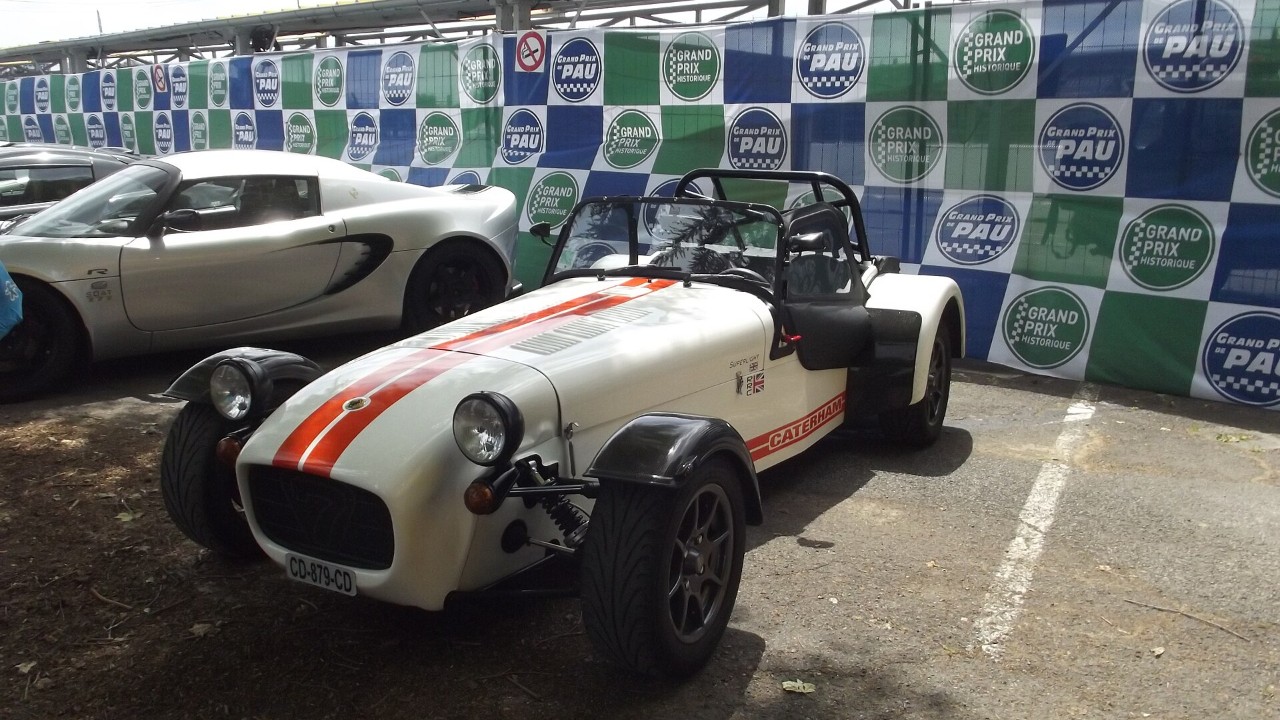
Caterham’s Seven also traces back to the Lotus Seven, and the Superlight R500 pushed it to a point few road cars reach. In its 2008 to 2014 form, the R500 used a 2.0-liter Ford Duratec four-cylinder. According to evo, it made 263 bhp in a car weighing 506 kilograms.
That worked out to 528 bhp per ton, a figure evo says topped the Bugatti Veyron. The magazine also quoted 0 to 60 mph in 2.9 seconds. Evo reported the end of production in August 2014. Through all of it, the R500 kept a traditional six-speed manual gearbox.
Our take: the R500 is what happens when a tiny company refuses to stop adding power to a 1950s design. The last car left Caterham’s Dartford factory in 2014, after a total of 174 sales. Almost half went overseas, to countries such as Japan, Italy, Germany and France. Because the car weighed so little, every one of those 263 horsepower made a difference. In our view, it is the purest expression of this list’s idea. Nobody designed the Seven to carry 263 bhp, and that is exactly why it felt so special.
11. 1991 TVR V8S
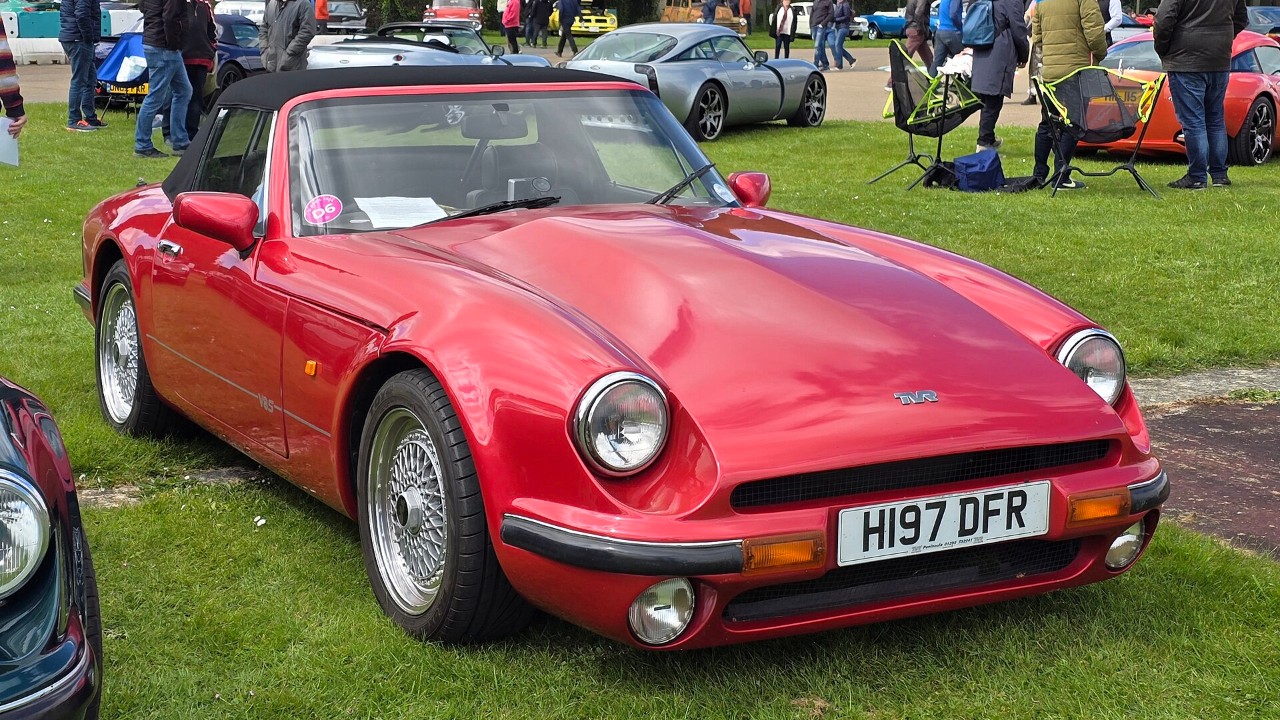
The V8S launched in 1991 as the V8 version of TVR’s S Series. Its fuel-injected Rover V8 made 240 bhp at 5,250 rpm and 270 lb-ft of torque at 3,000 rpm. That was a big step up from the V6 cars that shared its basic body.
To handle the extra power, TVR made several changes. The V8S got a wider suspension track, revised front wishbones and rear trailing arms, and disc brakes all round. A bonnet hump and a small vent facing the windscreen set it apart visually. The whole S Series marked a return to a more traditional TVR style, and every V8S kept the bonnet hump.
Production ended in 1994, after TVR had built 410 V8S cars out of 2,604 S Series cars in total. Our take: the V8S feels like a test run for the Chimaera and Griffith that followed. It put a big V8 into a traditional-looking roadster and showed buyers what TVR could do. In our view, it remains the most overlooked of the V8 TVRs. With only 410 built, finding a good one takes patience.
12. 1997 TVR Griffith 500
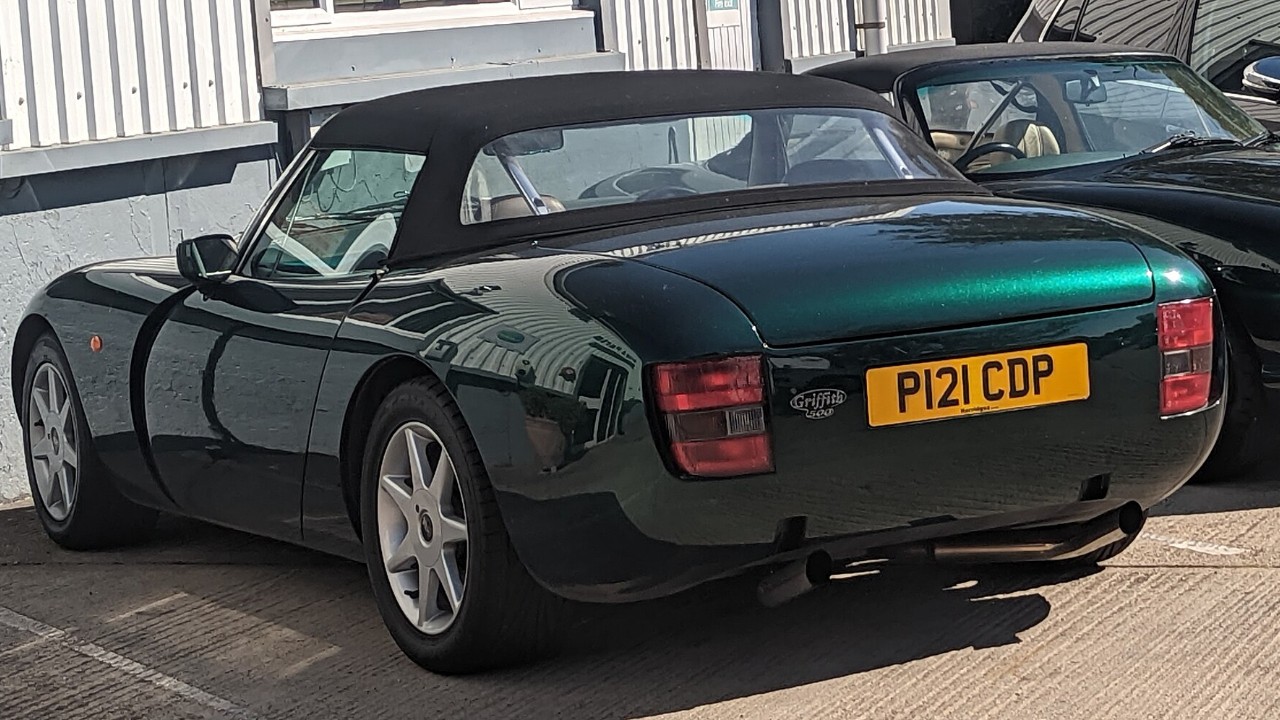
TVR revived the Griffith name in 1990 for a new roadster. From 1993, the company offered a 4,988 cc Rover V8, and later cars took the name Griffith 500. That engine made 340 horsepower, the same as the 5.0-liter Chimaera.
The Griffith shared its backbone chassis with the Chimaera, but it carried a sharper, more purposeful character. Production figures show how small the run stayed. In 1993, for example, TVR built only 61 Griffith 500s alongside 169 other Griffiths. The model then stayed in production until 2002. By comparison, the 1960s Griffith 400 made 271 bhp even in HiPo form, so the new car offered far more.
Our take: the Griffith 500 is the car most fans picture when they think of a brutal TVR. It paired a 5.0-liter V8 with a compact two-seat body. In our view, it also brought the Griffith name full circle, back to the V8 idea that started with the 4,727 cc Ford 289 in the 1960s cars. The 1990s Griffith ran from 1990 to 2002, and the 5.0-liter engine arrived in 1993.
More from Fast Lane Only