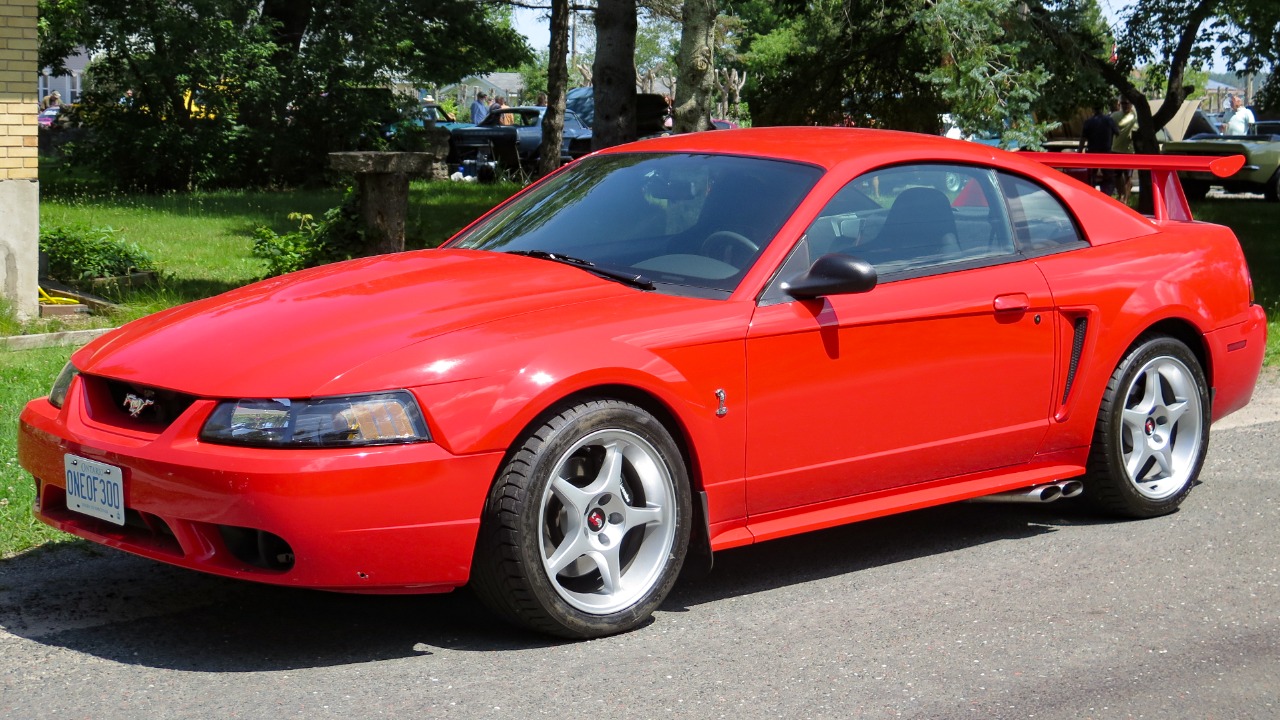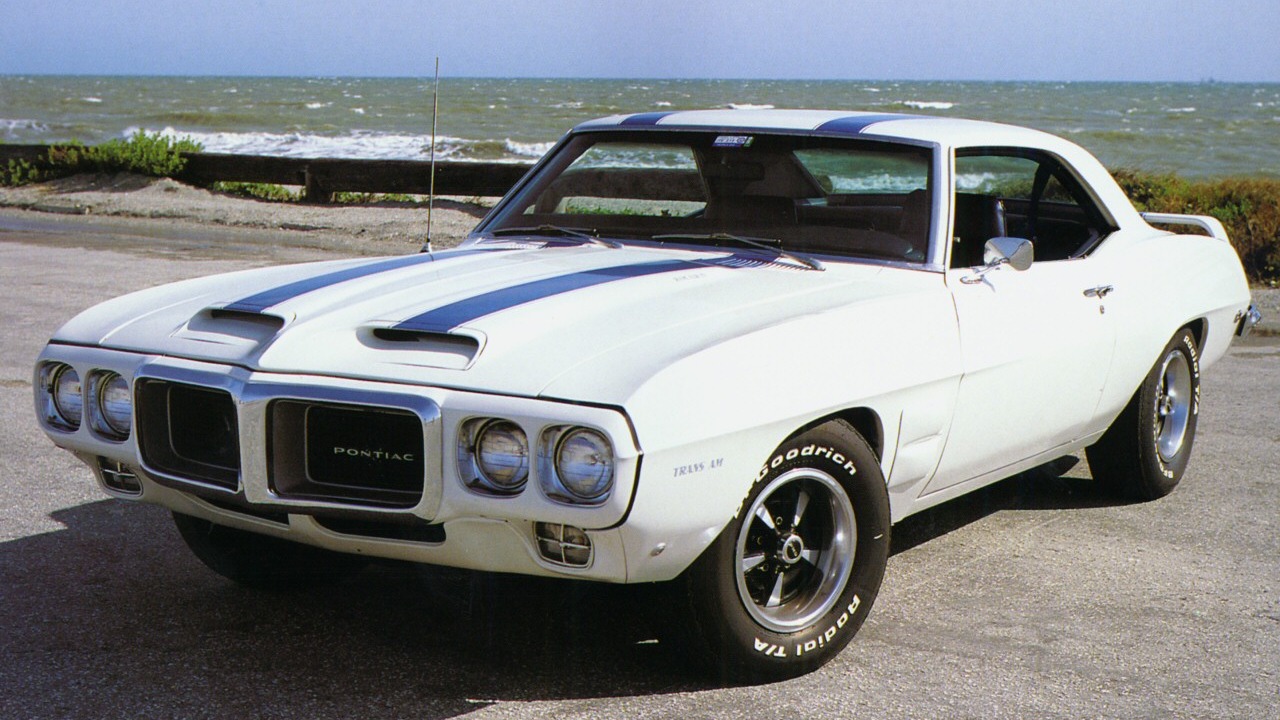
In the muscle car world, the big block V8 often stole the spotlight with its massive displacement and tire-melting torque. But some small block engines delivered performance so strong they could go head-to-head with bigger mills. Here are five small blocks — and one borderline case — that proved size wasn’t everything.
Chevrolet L79 327
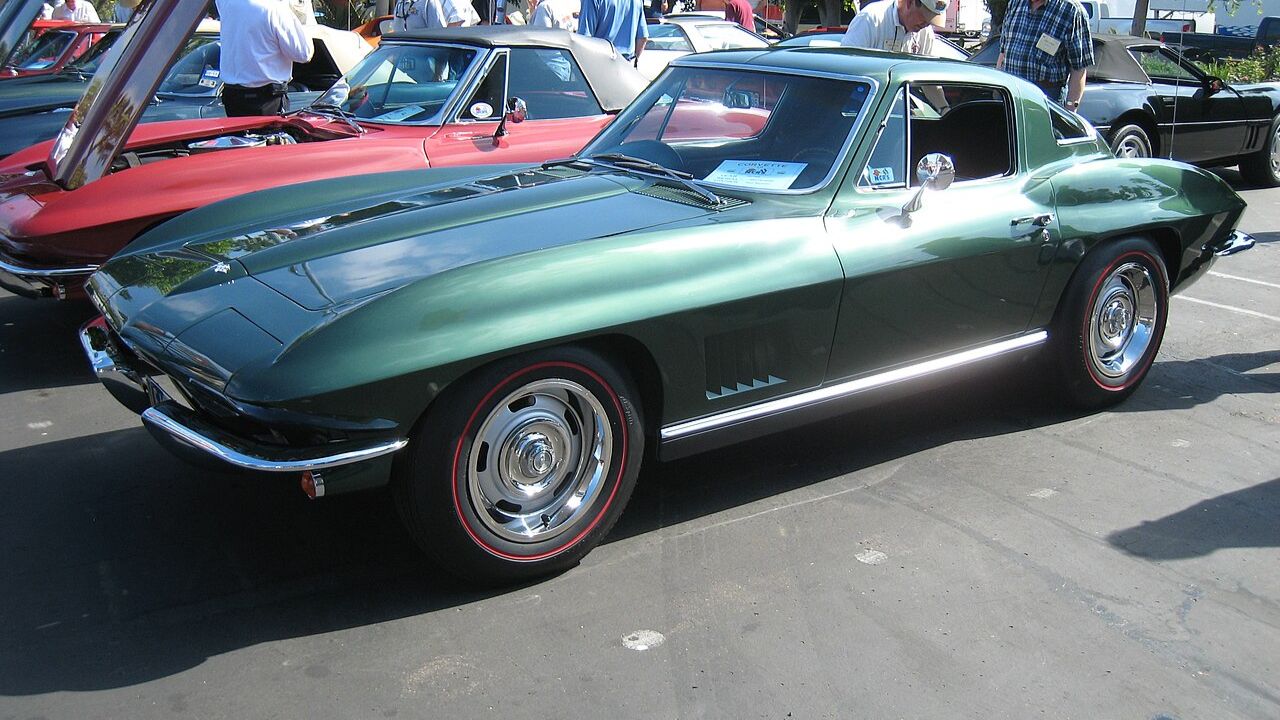
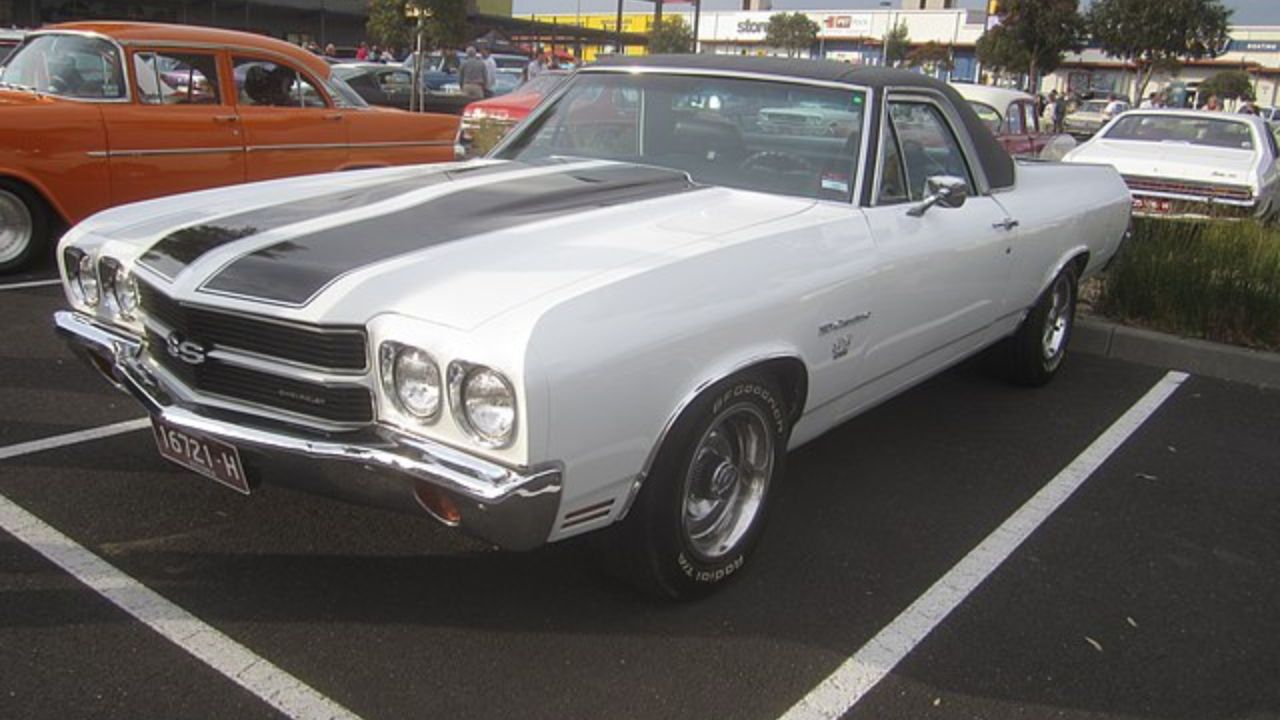
Introduced in 1965, the L79 327 cubic-inch small block quickly earned a reputation as one of Chevrolet’s best street-performance engines. Factory-rated at 350 gross horsepower, it used a high-lift hydraulic camshaft, 11:1 compression, and a four-barrel carburetor. Available in the Corvette, Chevy II Nova SS, and Chevelle Malibu SS, the L79 gave lightweight cars serious punch.
In period testing, an L79-powered Nova could hit 60 mph in under 6 seconds and run the quarter-mile in the mid-14s — territory usually reserved for larger-displacement cars. Its mix of reliability, rev-happy nature, and affordability made it a favorite among racers and hot rodders until its discontinuation after 1968.
Ford Boss 302
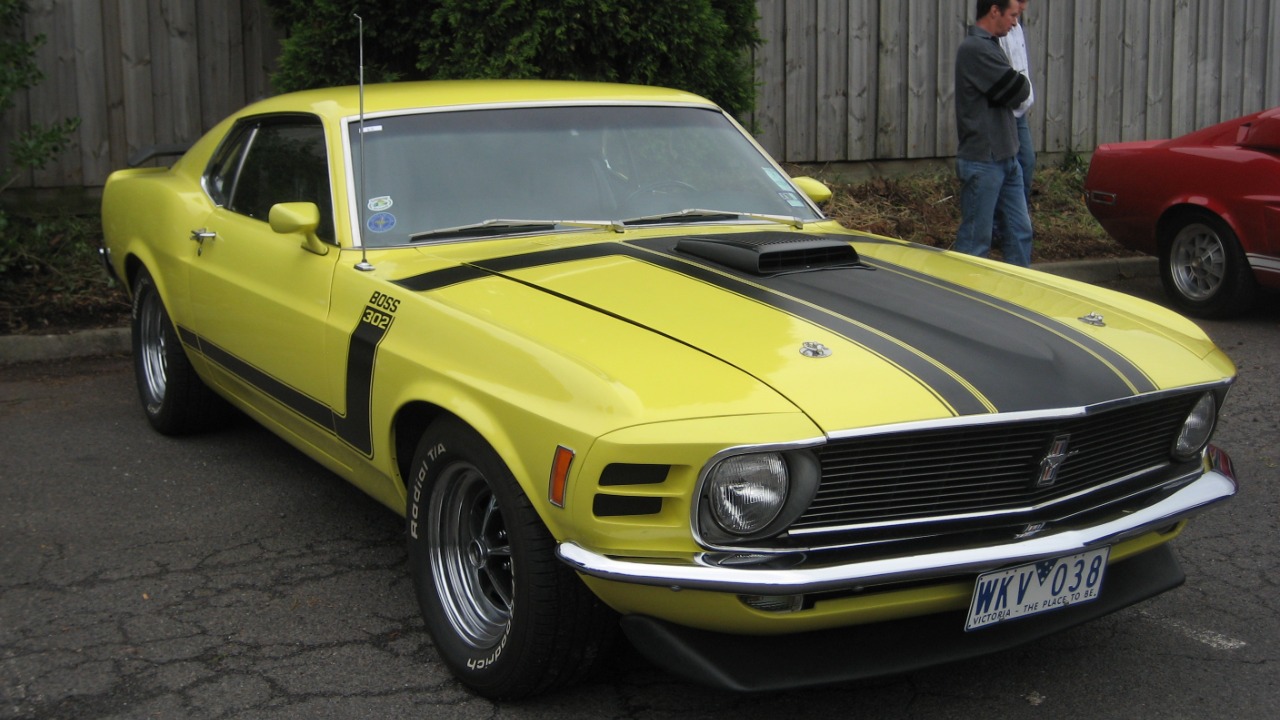
Built for the SCCA Trans-Am racing series, the 1969–70 Boss 302 was a street-legal small block that thrived at high RPMs. Using Cleveland-style high-flow cylinder heads, a solid-lifter camshaft, and a 780-cfm Holley carb, it was officially rated at 290 gross horsepower. In reality, most agreed the output was closer to 320–330 hp.
In the 1970 Mustang Boss 302, it offered balanced handling and top-end power that kept it competitive against big block cars. Its ability to pull hard past 6,000 rpm made it a driver’s engine — one that cemented its place in Ford’s performance history.
Mopar 340 Six Pack
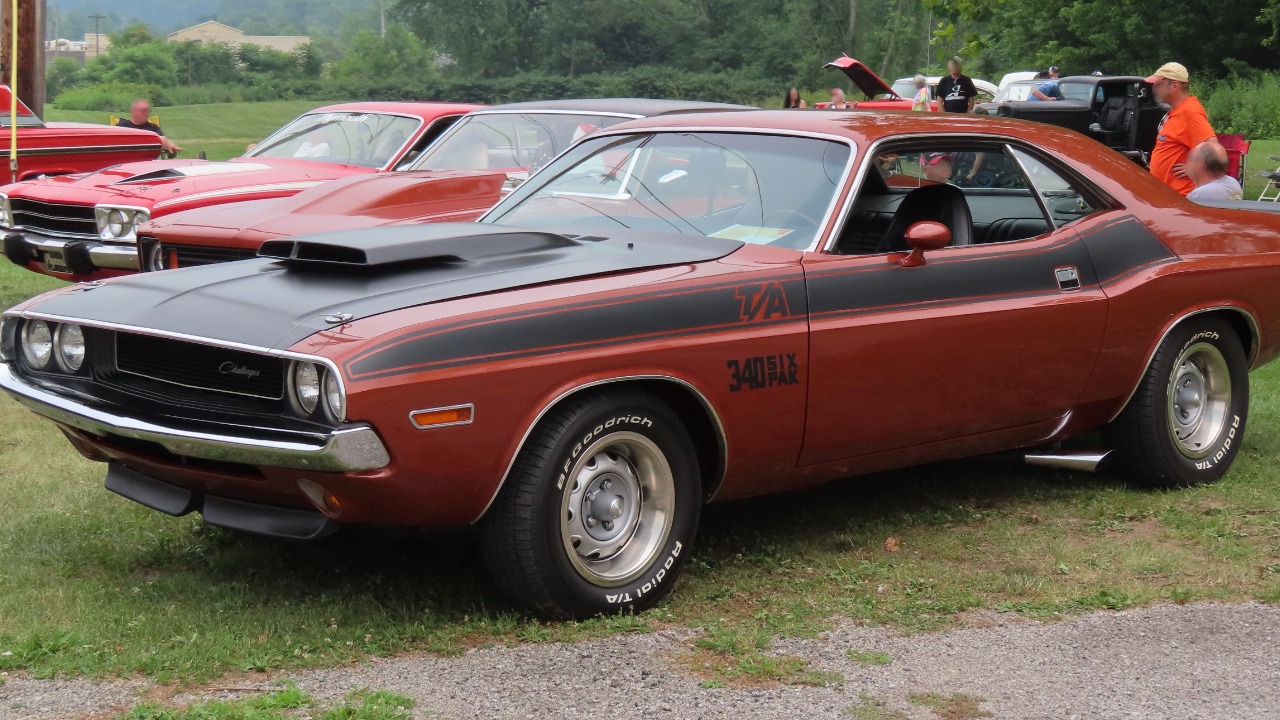
Chrysler’s 340 cubic-inch small block was already a strong performer, but in 1970 it was offered with a “Six Pack” (Dodge) or “Six Barrel” (Plymouth) triple-carb setup. Three Holley two-barrels bumped output to an advertised 290 gross horsepower, though real-world numbers hovered in the 320–325 range.
Found in the Dodge Challenger T/A and Plymouth ’Cuda AAR, the 340 Six Pack combined sharp throttle response with a high-rev ceiling. Its lighter weight gave these cars nimble handling, making them corner-carving muscle machines that could still hold their own at the drag strip.
Oldsmobile 350 Rocket
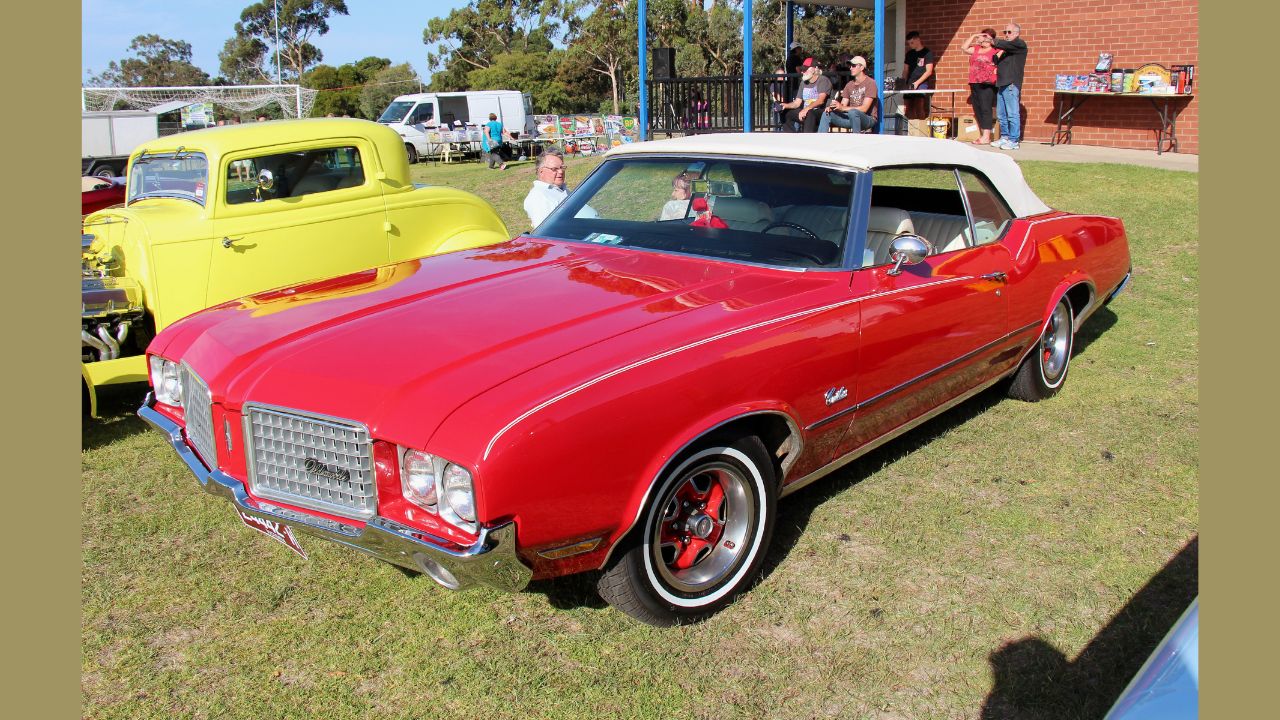
Oldsmobile’s 350 Rocket, introduced in 1968, wasn’t a dedicated high-performance engine in all trims — but in its hotter versions, it made up to 325 gross horsepower. Used in the Cutlass, 442, and other Olds models, it featured strong internals and a broad torque curve.
While not as famous as GM’s 327 or 350 small blocks from Chevrolet, the Rocket was smooth, durable, and capable of surprising speed when paired with performance gearing. It gave Oldsmobile buyers a balance of refinement and muscle without stepping up to the thirstier big blocks.
Pontiac Ram Air IV 400
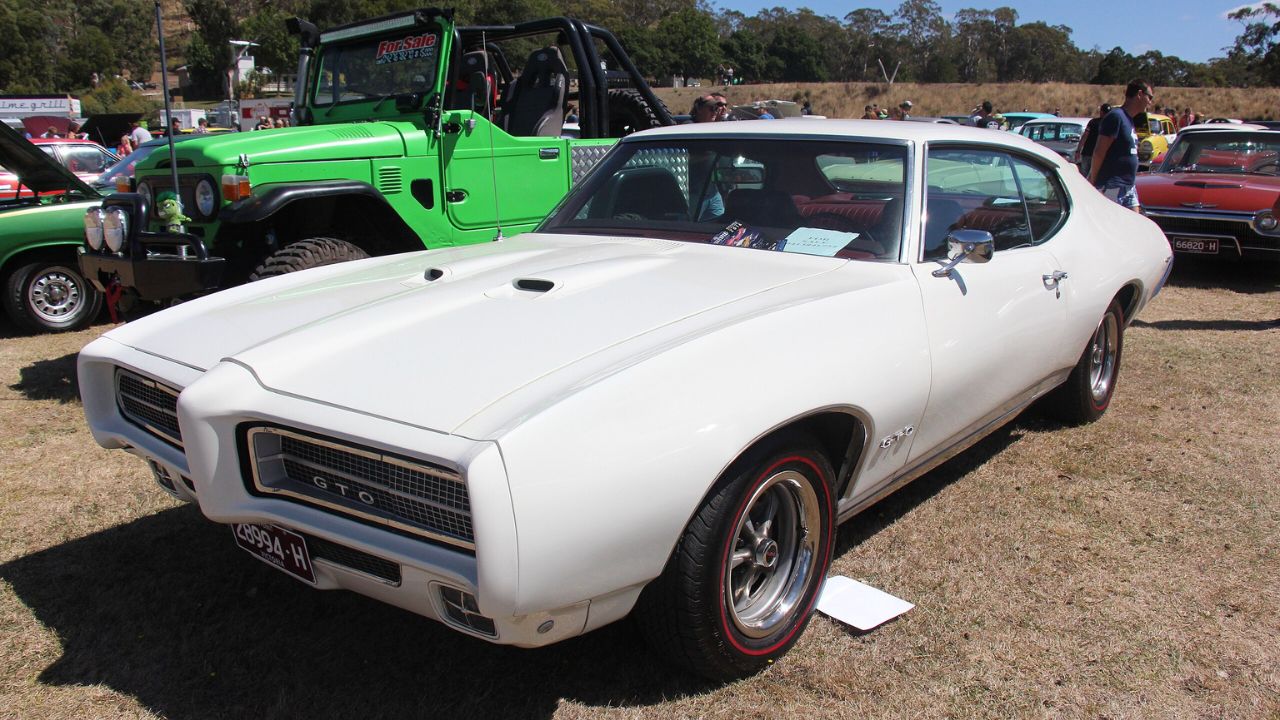
While technically 400 cubic inches — and therefore a big block by displacement — Pontiac’s V8s all shared the same external dimensions, so the Ram Air IV is often grouped with “small block-sized” engines. Offered from 1969–70 in the GTO, Judge, and Firebird, it was rated at 370 gross horsepower (345 in Firebird trim).
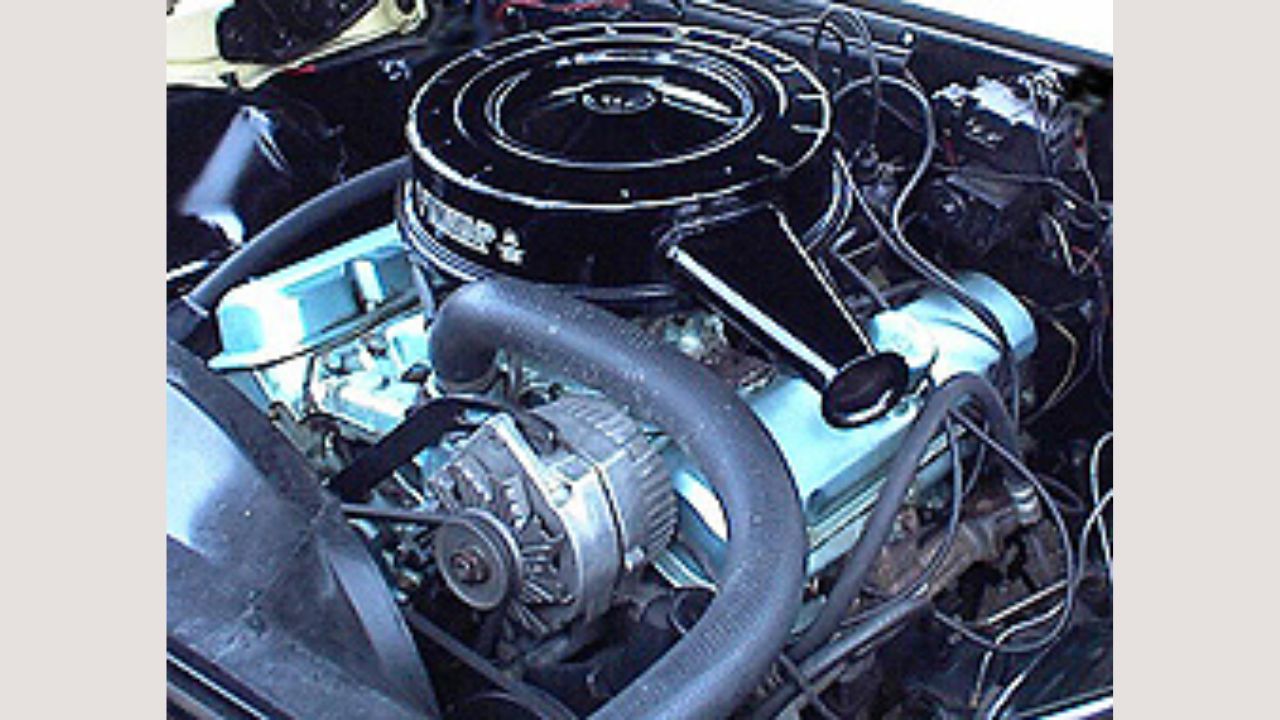
The Ram Air IV featured round-port cylinder heads, an aluminum intake, and a radical camshaft that came alive above 4,000 rpm. In the right hands, it was capable of running with — and sometimes beating — much larger engines on the strip.
Like Fast Lane Only’s content? Be sure to follow us.
Here’s more from us:
*Created with AI assistance and editor review.