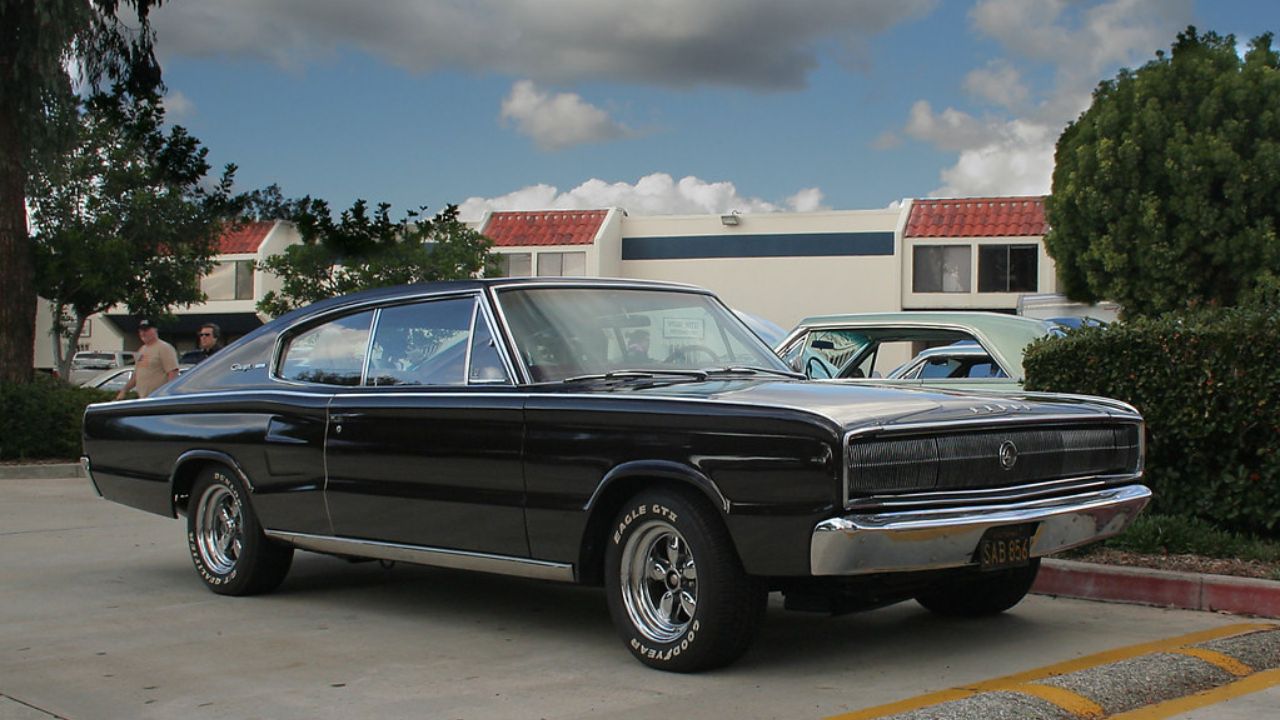
The 1966 Dodge Charger, with its bold design and innovative features, was a car that broke new ground. However, despite its potential, it struggled to capture a significant following. Several factors contributed to its lackluster reception in the competitive automotive market of the 1960s.
Unique Design Ahead of Its Time
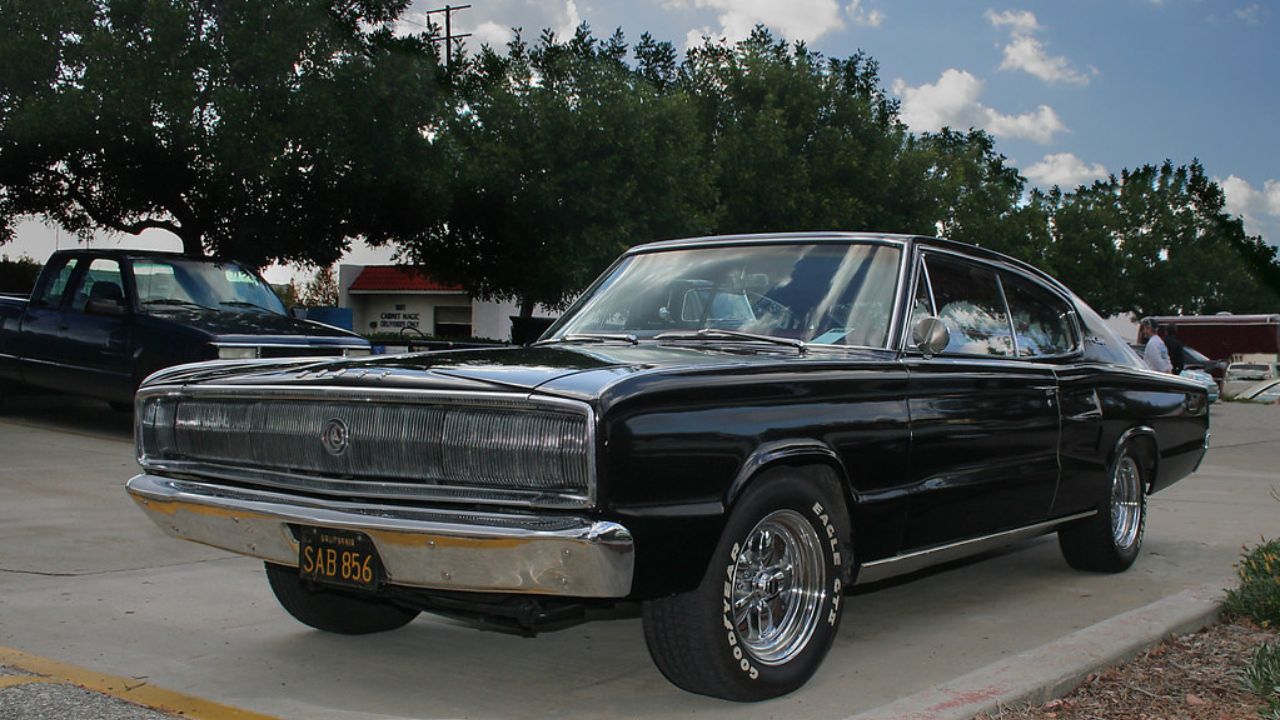
The 1966 Dodge Charger boasted a design that was both futuristic and unconventional. Its fastback roofline and full-width tail lights were striking and unlike anything else on the road at the time. While some enthusiasts appreciated this radical departure from traditional styling, it was simply too avant-garde for the wider market. Many buyers were not ready to embrace such an audacious look, preferring the more conservative designs of the era.
Despite its unique appeal, the Chargers’ design was not enough to sway the masses. According to Hot Rod, the Charger was seen as a niche product, appealing to a specific audience rather than the broader consumer base. This limited its potential market and contributed to its struggle to gain widespread popularity.
Lack of Performance Options
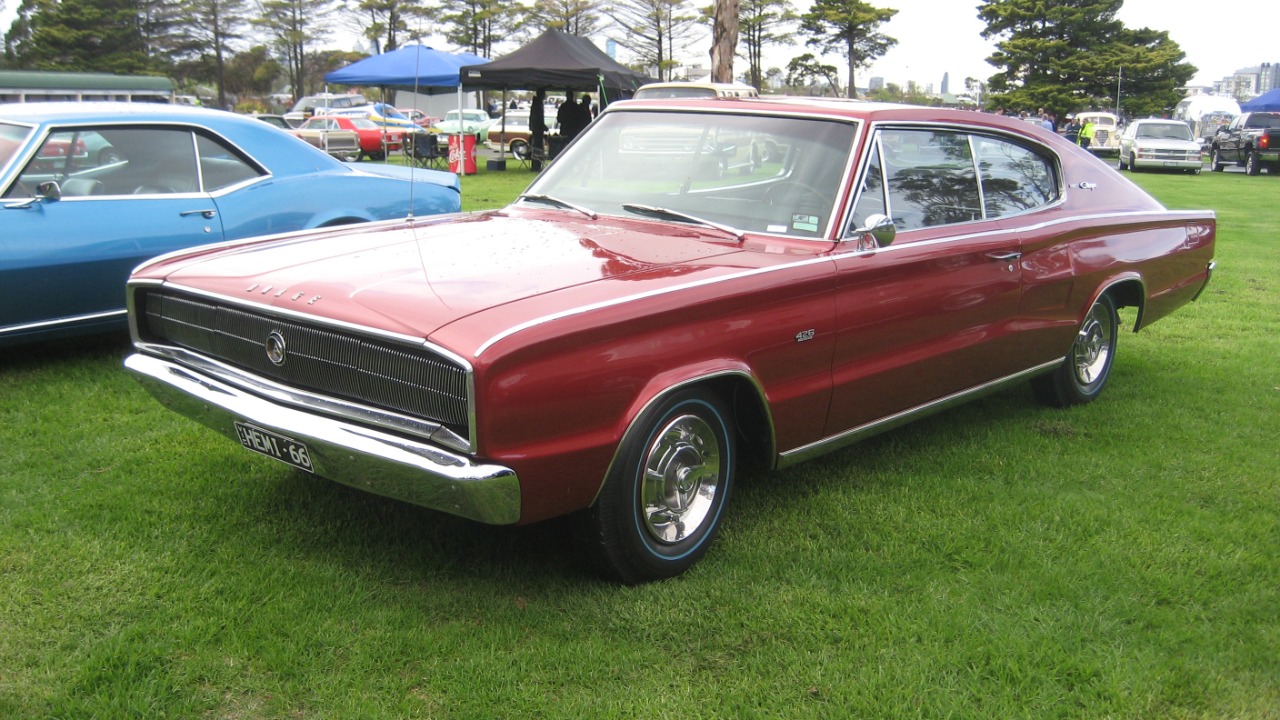
Performance is often a key selling point for any vehicle, particularly in the muscle car market. The ’66 Charger, however, offered limited performance options compared to its competitors. While it had the powerful 426 Hemi engine available, this option was expensive and not widely chosen by buyers. Most Chargers were equipped with less powerful engines, which failed to excite the performance-oriented segment of the market.
This lack of engine variety meant that the Charger couldn’t compete effectively with other muscle cars that offered a broader range of performance options. As a result, those seeking exhilarating speed and power often turned to other models that provided more bang for their buck.
Competition from Established Models

The automotive industry in the mid-1960s was highly competitive, with several well-established models already dominating the market. The Charger faced stiff competition from vehicles like the Ford Mustang, which had already garnered loyal followings and were seen as the benchmarks of the muscle car scene. These models offered a compelling mix of style, performance, and affordability that the Charger struggled to match.
Limited Marketing Efforts
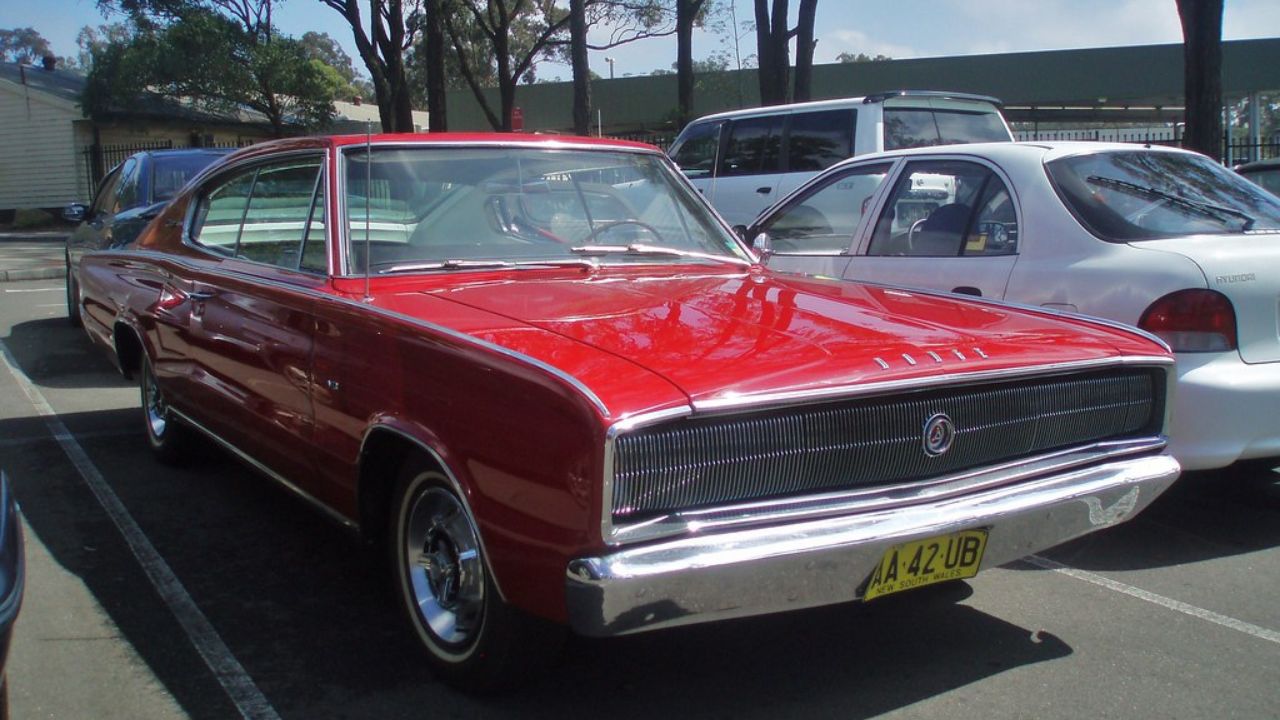
Marketing plays an essential role in a car’s success, and unfortunately, the Charger did not receive the robust promotional push it needed. Dodge’s marketing efforts for the Charger were not as comprehensive as those for other models, leaving it overshadowed. Without strong advertising campaigns to highlight its strengths and unique features, the Charger struggled to capture the attention of potential buyers.
Moreover, the lack of strategic marketing initiatives meant that the Charger wasn’t able to effectively communicate its value proposition to the broader market. As a result, it remained an underappreciated option among more aggressively marketed competitors.
Overlooked Muscle Car Era

During the 1960s, the muscle car era was in full swing, with a strong focus on raw power and performance. The Charger, with its unconventional design and limited performance options, did not fit neatly into this trend. Many enthusiasts overlooked the Charger in favor of other vehicles that epitomized the muscle car ethos more closely.
High Production Costs
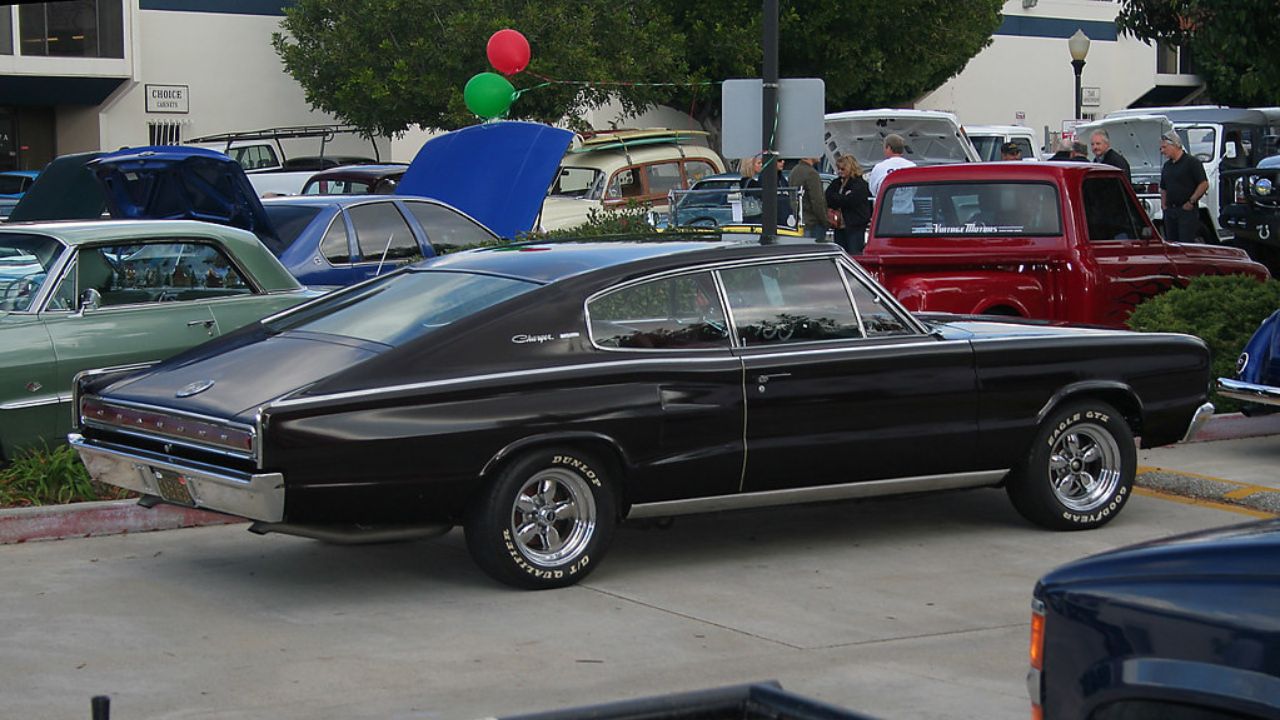
Another factor that hindered the success of the ’66 Charger was its high production costs. The unique design and features, while visually striking, required more complex manufacturing processes that drove up costs. This made the Charger more expensive than some of its competitors, limiting its appeal to budget-conscious consumers.
As the automotive industry is highly price-sensitive, the higher costs associated with the Charger likely deterred potential buyers who could find similar or better value in less expensive models. This pricing challenge further narrowed its potential market.
Niche Market Appeal
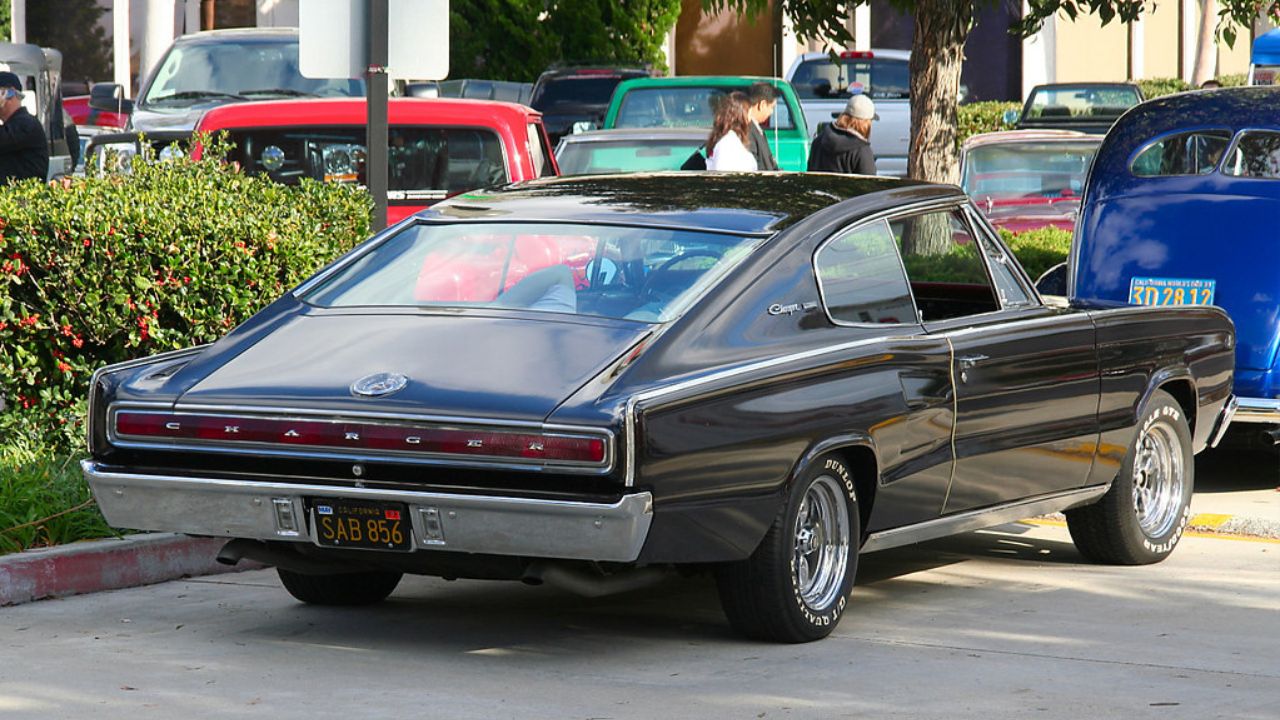
The Charger was designed with certain niche appeal in mind, targeting buyers who appreciated its distinctive style and features. However, this narrow focus meant it was not able to attract a broader audience. While it had a dedicated fan base, the overall market for such a specialized vehicle was limited.
Transition to the Second Generation
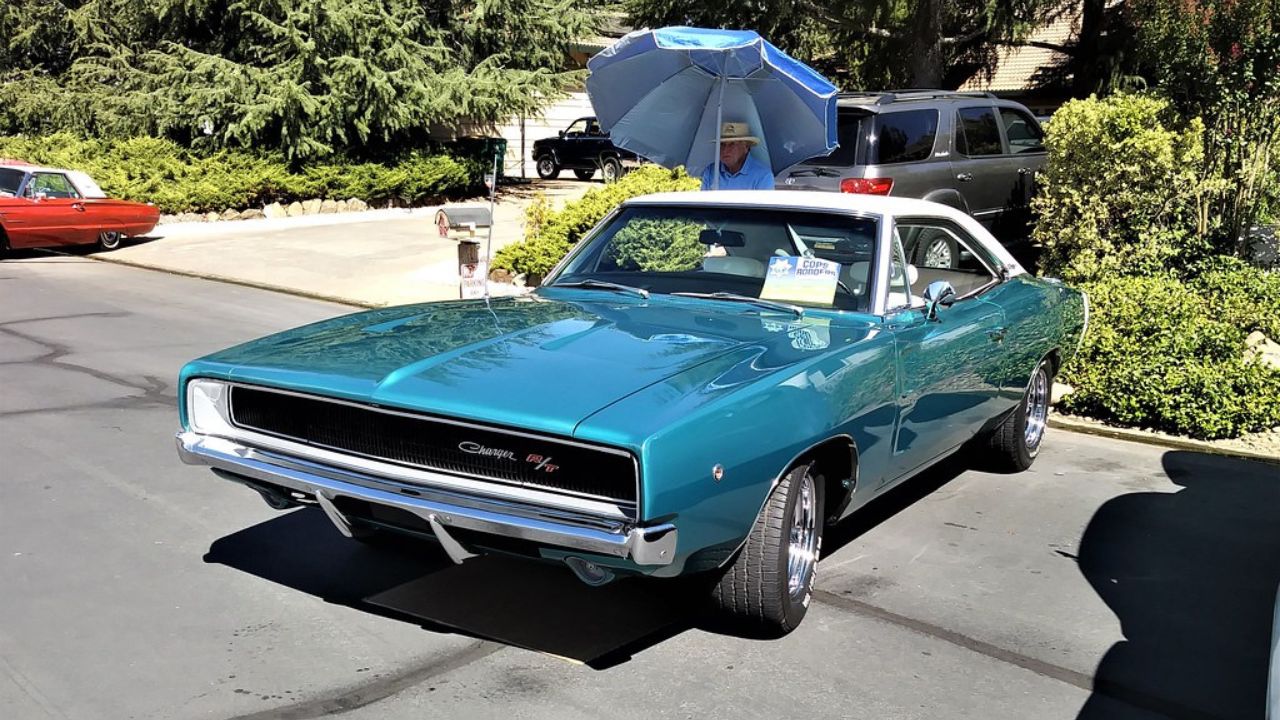
The introduction of the second-generation Charger in 1968 marked a significant shift in design and strategy. Dodge responded to the market’s demands by making the Charger more in line with consumer expectations, focusing on performance and a more muscular appearance. This transition was necessary to capture a wider audience and compete more effectively with other muscle cars.
This strategic pivot ultimately paid off, as the second-generation Charger became a hit, overshadowing its predecessor. The changes reflected a better understanding of consumer desires, showcasing the importance of adapting to market trends to achieve success.
Like Fast Lane Only’s content? Be sure to follow us.
Here’s more from us:
*Created with AI assistance and editor review.