Suzuki built the TL1000R to win Superbike races with a V-twin, and then it walked away from the plan after a single race win. The Suzuki TL1000R made noise in the showroom. Then it slipped out of memory once the next big thing arrived.
The late 1980s and 1990s were full of bikes like that. Factories tried hub-center steering, gear-driven cams, car carburetors and tiny V4 engines that revved past 12,000 rpm. Some ideas stuck, but plenty of brilliant machines simply vanished between brochure covers and garage sales.
These are our picks for seven sport bikes you forgot existed. Each one earns a spot because of something it tried, not because of a sales record. These verdicts are our opinion, while the facts behind them come from period reviews, buyer’s guides and model histories.
1. 1998–2003 Suzuki TL1000R
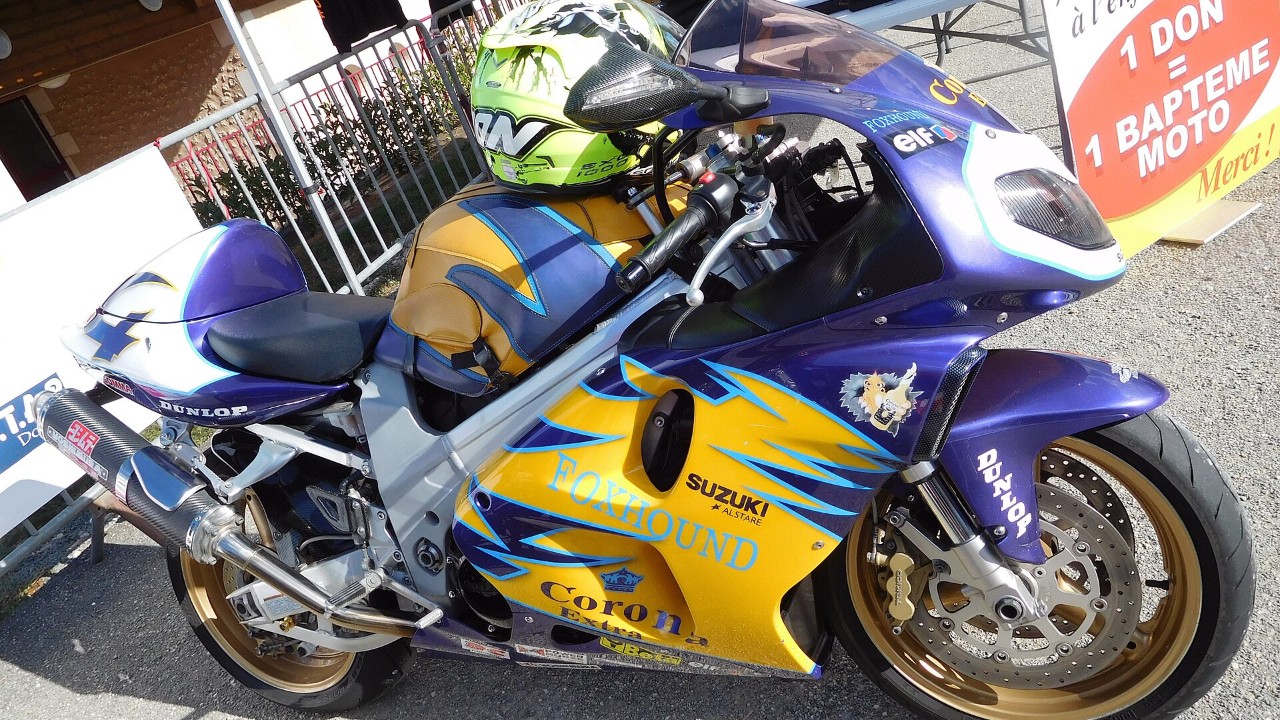
The TL1000R took the 996 cc, 90-degree V-twin from the naked TL1000S. Suzuki then wrapped it in a full fairing and a stiffer frame. Suzuki also gave it forged pistons and stronger connecting rods. Its camshafts ran through an odd hybrid drive, where a chain turned a gear that then spun the cams. That setup made the engine a little easier to service, but it added a distinctive whine.
Suzuki aimed the bike squarely at World and American Superbike racing. However, the TL program won only one race before the factory went back to the GSX-R750 as its race bike. A Visordown review of the TL1000R calls it “a bit of a flop” with poor sales. Yet the same reviewer found it comfortable, with a big padded seat and an enclosing fairing.
Our take: this is a superbike that ended up behaving like a fast sport tourer. The suspension felt soft, according to that review, and the styling never won many fans. Even so, a clean Suzuki TL1000R gives you a Japanese V-twin with real character. You will rarely park next to another one.
2. 1988 Ducati 750 Paso Limited Edition
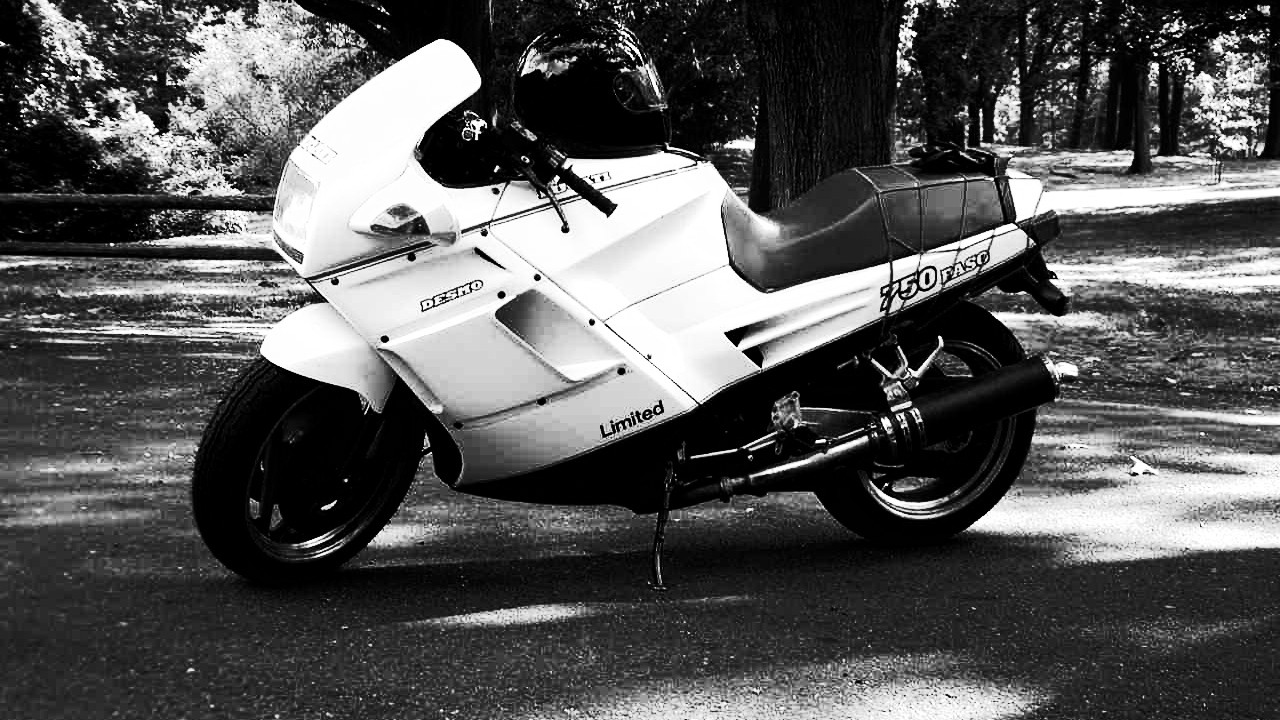
Ducati named the Paso after racer Renzo Pasolini, whose nickname was “Paso.” Massimo Tamburini, a co-founder of Bimota, drew the bike. Its close-fitting bodywork hid nearly every mechanical part, which looked radical next to the naked Ducatis that came before it. Under that shell sat a 748 cc air-cooled twin with desmodromic valves.
The strangest detail was the carburetor. According to Rider magazine’s Paso retrospective, Ducati fed the engine through a single Weber dual-throat carburetor with 36 mm venturis. The fuel pump tended to flood that Weber and caused low-speed running trouble until a pressure valve fixed it. Rider also notes the Paso cost $7,000 at its 1986 U.S. launch, when a Suzuki GSX-R750 sold for $4,500.
In our view, the Paso deserves more love than it gets. Ducati sold 4,863 of the 750 version worldwide from 1986 to 1988. That makes a Limited Edition a fascinating find, because so few people remember the full-fairing Ducati that came before the 851 era.
3. 1992 Bimota Tesi 1D 904 SR
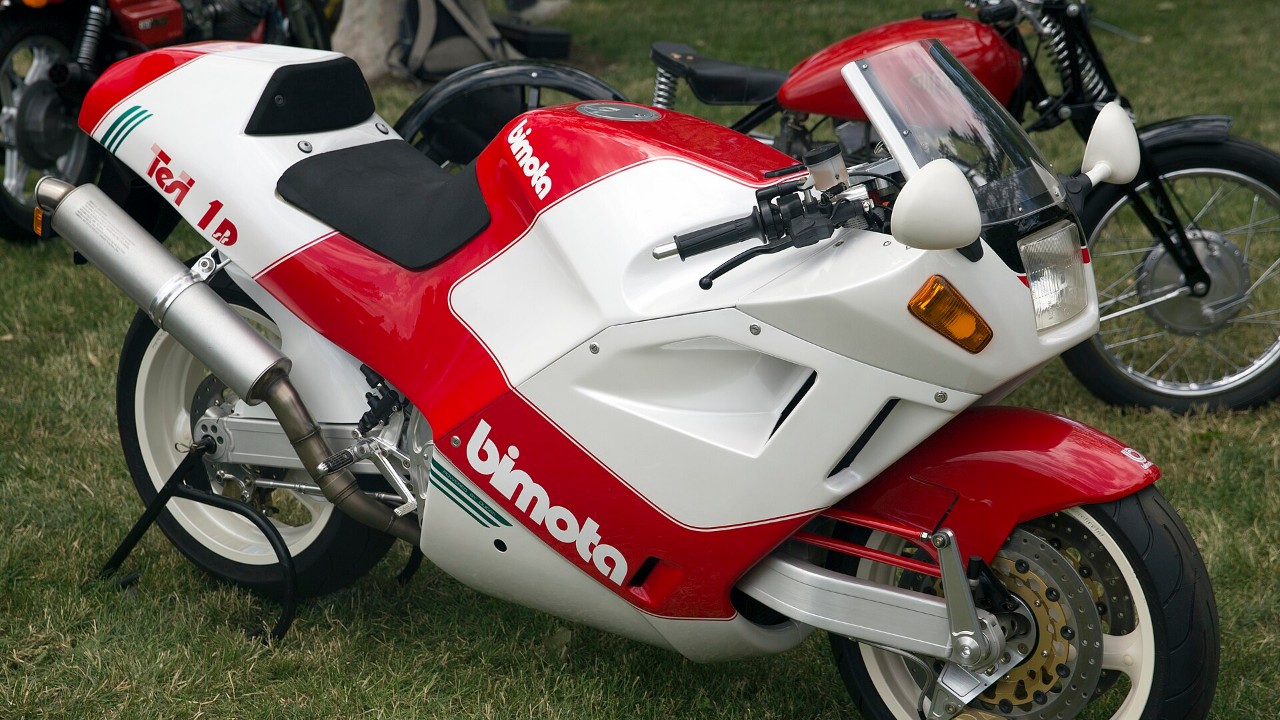
The Tesi threw away telescopic forks. Instead, Bimota hung the front wheel on a swingarm and steered it through the hub. The idea was to separate steering from suspension, so the bike would not dive under hard braking. Bimota showed the first road-going version, the Tesi 1/D, at the 1990 Cologne Motorcycle Show with a Ducati 851 V-twin.
A Silodrome profile of the Tesi 1D 904 lists a 904 cc liquid-cooled Ducati twin. It had four valves per cylinder and Weber fuel injection. It rates that engine at 113 hp and puts dry weight at 188 kg, or about 414 pounds. The front end also allowed a full 30 degrees of steering lock, which is a lot for a sport bike.
Production tallies for every Tesi 1/D version, from the 851 to the 1994 Final Edition, add up to fewer than 500 bikes. Our take: this is the most daring machine on the list, and it rides on ideas most factories never tried. If you ever see one at a show, look at the front end before anything else.
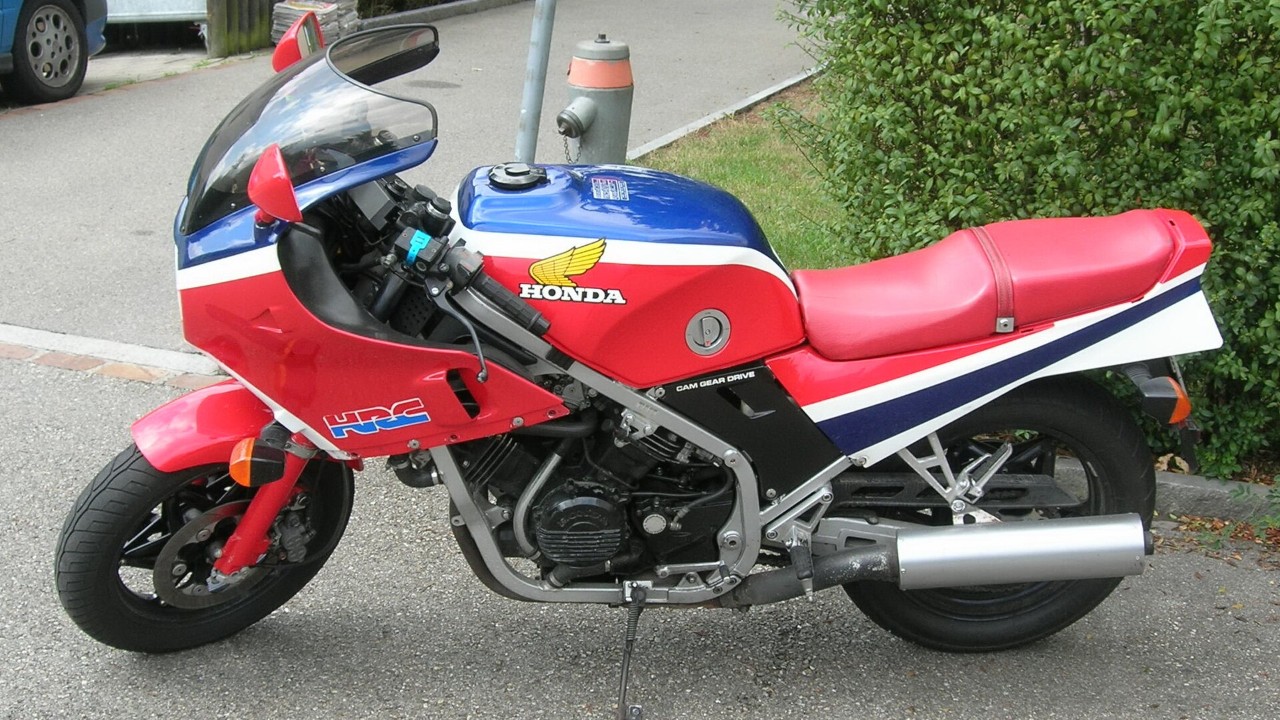
4. 1985 Honda VF1000R
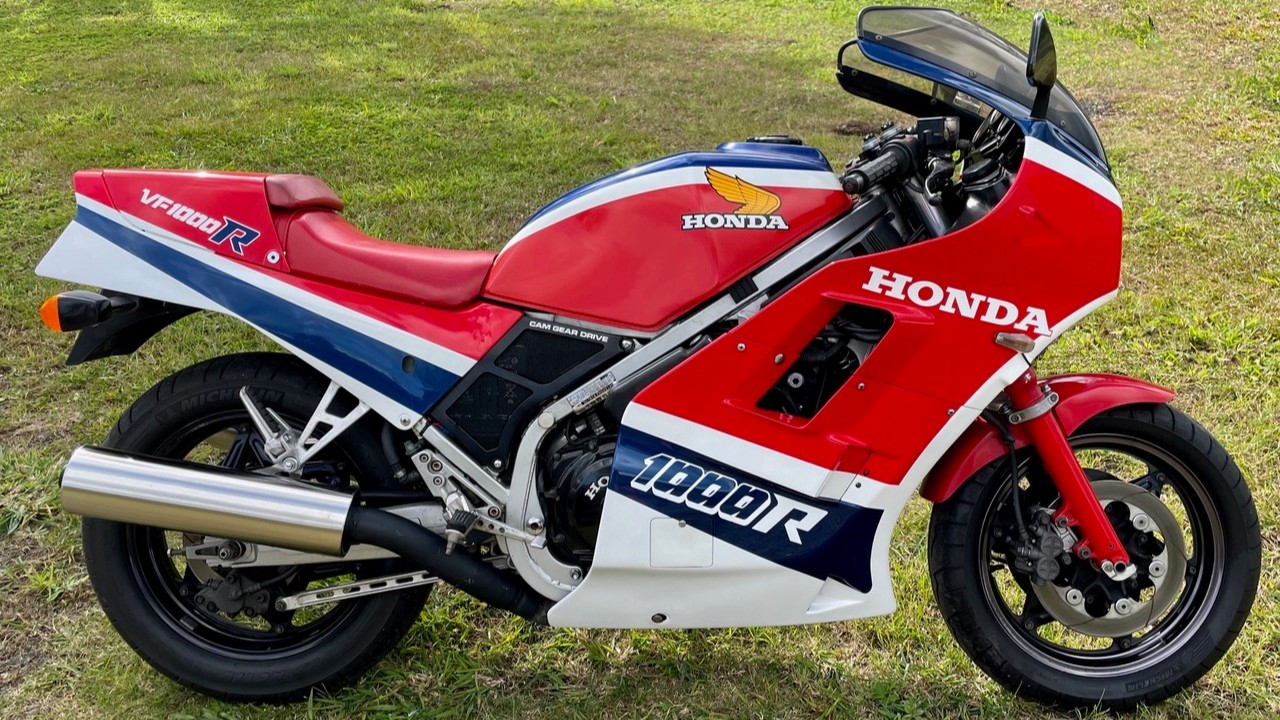
Honda built the VF1000R to carry race technology from its FWS1000 Formula 1 racer onto the street. The 998 cc V4 shared its block with the VF1000F, but Honda replaced the cam chain with gears. Those gears added about seven pounds. Output rose to 122 hp, or 125 hp in U.S. trim, compared with 113 hp for the F.
The racing intent shows up in an odd place. European bikes got a 6.2-gallon tank, while U.S. bikes carried 5.8 gallons. The bigger tank meant fewer pit stops in endurance racing. Then reality set in. The finished bike weighed close to 600 pounds with half a tank of fuel, and it rarely raced at a competitive level.
We think the VF1000R reads better today than it did in 1985. It is heavy, but it is also a showcase of what Honda’s engineers could do when the budget allowed. We covered the wider V4 story in our list of 12 four-cylinder motorcycles to avoid at all costs. Still, a well-kept R remains one of the more interesting Hondas of the decade.
5. 1987–1989 Kawasaki GPX750R
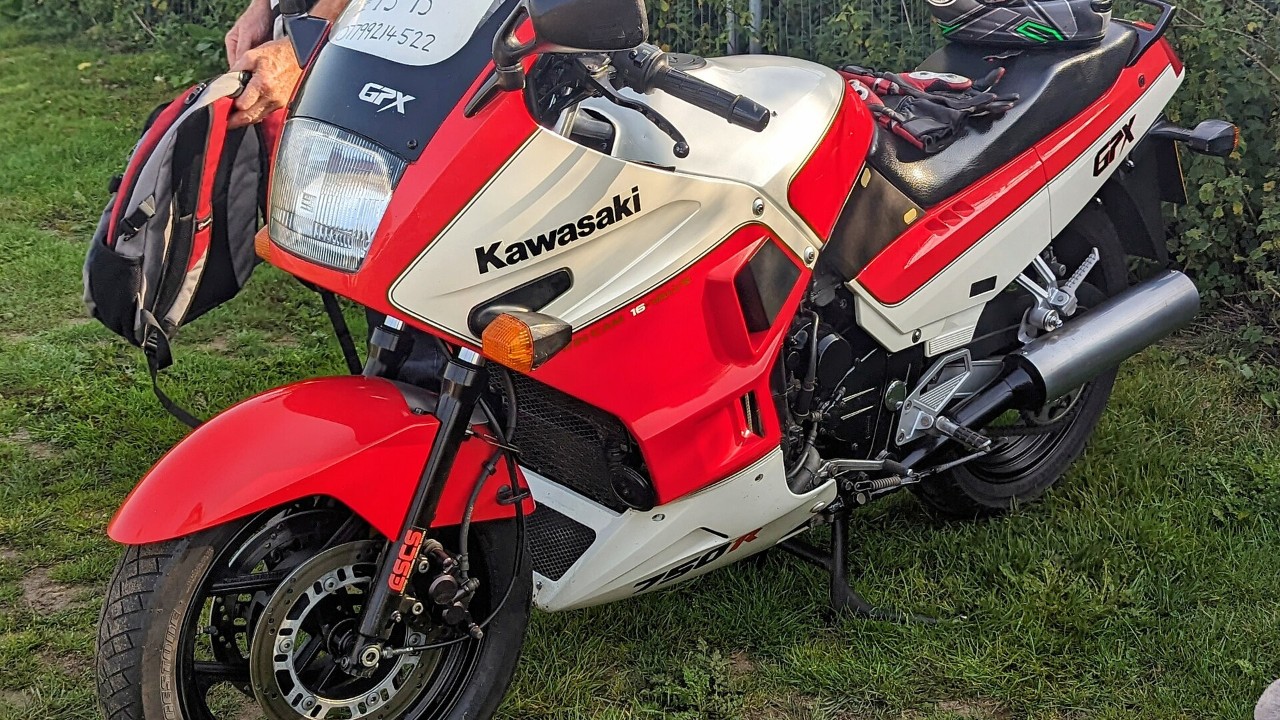
Kawasaki gave the GPX750R a new engine that was lighter and more compact than the 750 before it. In a 1986 riding impression, Cycle World’s look at the 1987 750 Ninja explains that the cam chain moved to the middle of the engine. It now ran between cylinders two and three. Individual rocker arms opened each valve, which cut moving valve-train weight by 30 percent.
Cycle World also reported a claimed dry weight of 430 pounds. That made the GPX 29 pounds lighter than the GPz750R it replaced. The alternator sat behind the cylinders and ran off a multi-rib belt, so racers could pull it off easily. Meanwhile, the chassis used a steel double-cradle frame with an aluminum subframe for the seat.
So why did it fade? In our opinion, it simply sat in the shadow of bigger Ninjas and faster 600s. Kawasaki fans tend to skip right past it. They know the bikes in our roundup of 7 Kawasaki motorcycles that quietly became legends far better. That oversight is exactly why a tidy one makes a smart, affordable period piece.
6. 1989 Honda VFR400R NC30
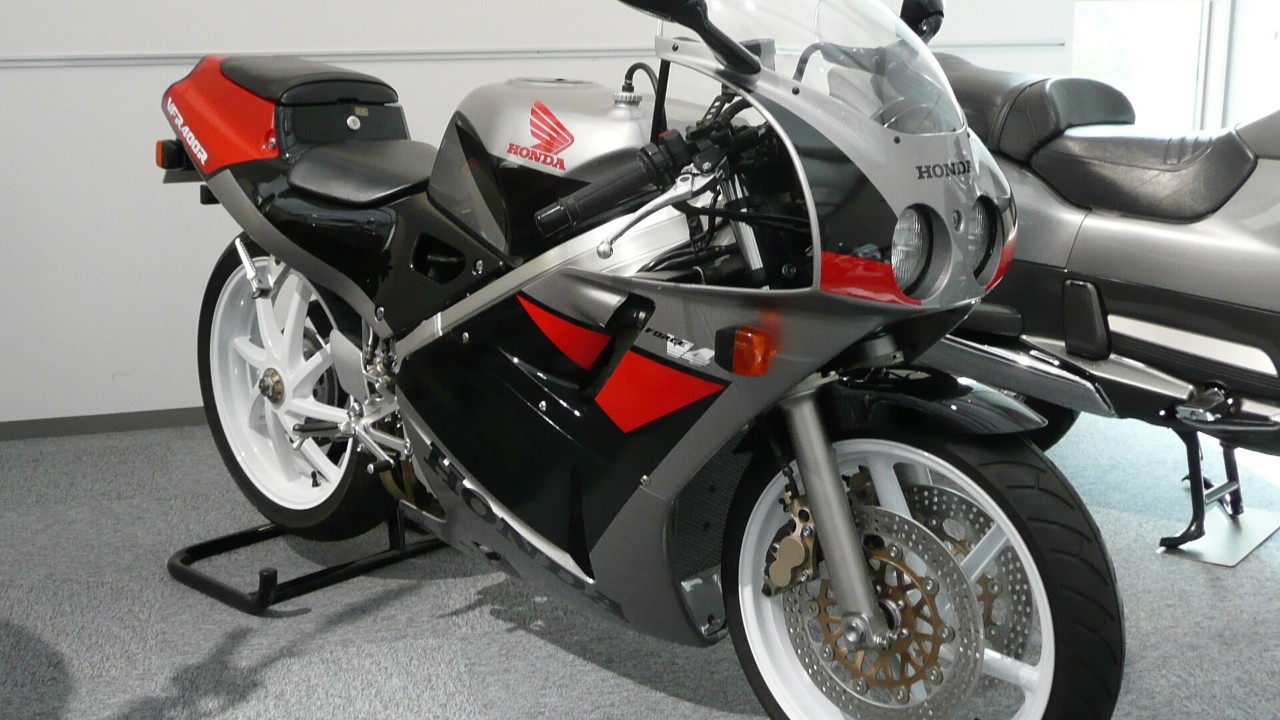
Honda launched the NC30 in Japan in 1989 with a 399 cc, 90-degree V4. Like the bigger VFRs, it drove its cams through gears instead of chains, which gives every NC30 a mechanical whine. It also used a 360-degree crank, sometimes called a “big bang” firing order. Japanese bikes made 59 bhp, while full-power UK bikes made 62 bhp.
A BikeSocial used buyer’s guide to the VFR400 calls the NC30 “a perfect miniature replica of Honda’s legendary RC30.” It also notes that grey imports outnumber UK-spec bikes by about 20 to 1. In 1991, a UK buyer paid £6,615 for one through official channels.
Our take: the NC30 is a bike most Americans met through magazines and grey imports rather than showrooms. It has an aluminum beam frame and a single-sided swingarm, and it looks like a factory race bike shrunk by a third. For anyone who loves small, high-revving engines, it is hard to beat.
7. 1988 Yamaha FZR400
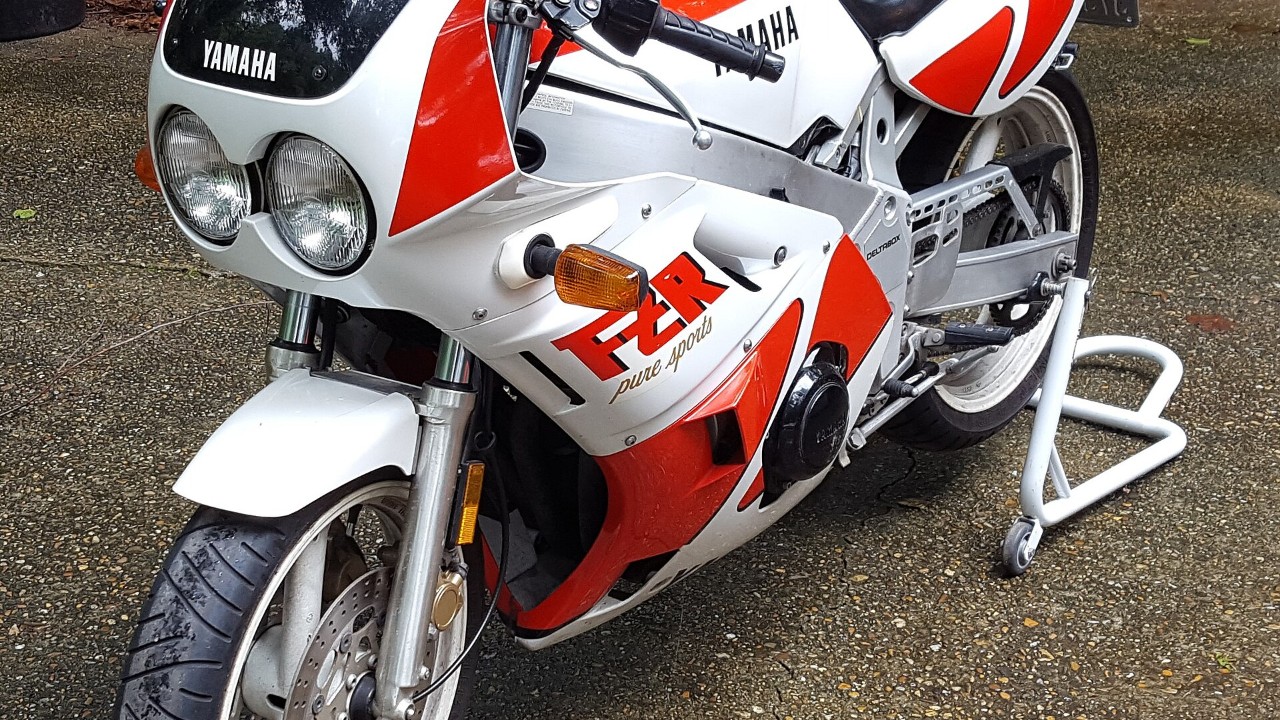
Yamaha built the FZR400 around an aluminum perimeter frame with box-section tubing, which the company called Deltabox. Inside it sat a 399 cc, liquid-cooled, DOHC inline-four with 16 valves. The engine produced 59 hp at 12,000 rpm, so riders had to keep the revs high to make real progress.
The FZR400 followed the FZ400R, which Yamaha had sold only in Japan in 1984. Yamaha then updated the FZR400 almost every year until production ended in 1994. As a result, the model year matters when you shop for one.
In our view, the FZR400 is the sleeper of this group. It is not exotic like the Tesi or loud like the TL, but it offers a race-bred frame in a light, friendly package. If you find a 1988 with its original bodywork, keep it that way. We rarely see a clean early one at bike nights.
More from Fast Lane Only