In 1950, Cadillac wasn’t chasing the spotlight—it already owned it. The Series 62 didn’t need outrageous styling or gimmicks to make its presence felt. What it offered instead was a clean design, a thoroughly modern overhead-valve V8, and a driving experience that quietly outclassed much of what was on the road. It was refined, capable, and forward-looking in a way few others were. To understand how the Series 62 held the high ground without making a scene, it helps to look at who it shared the road with—and quietly outran.
1950 Cadillac Series 62: Quiet Confidence with a V8 Backbone
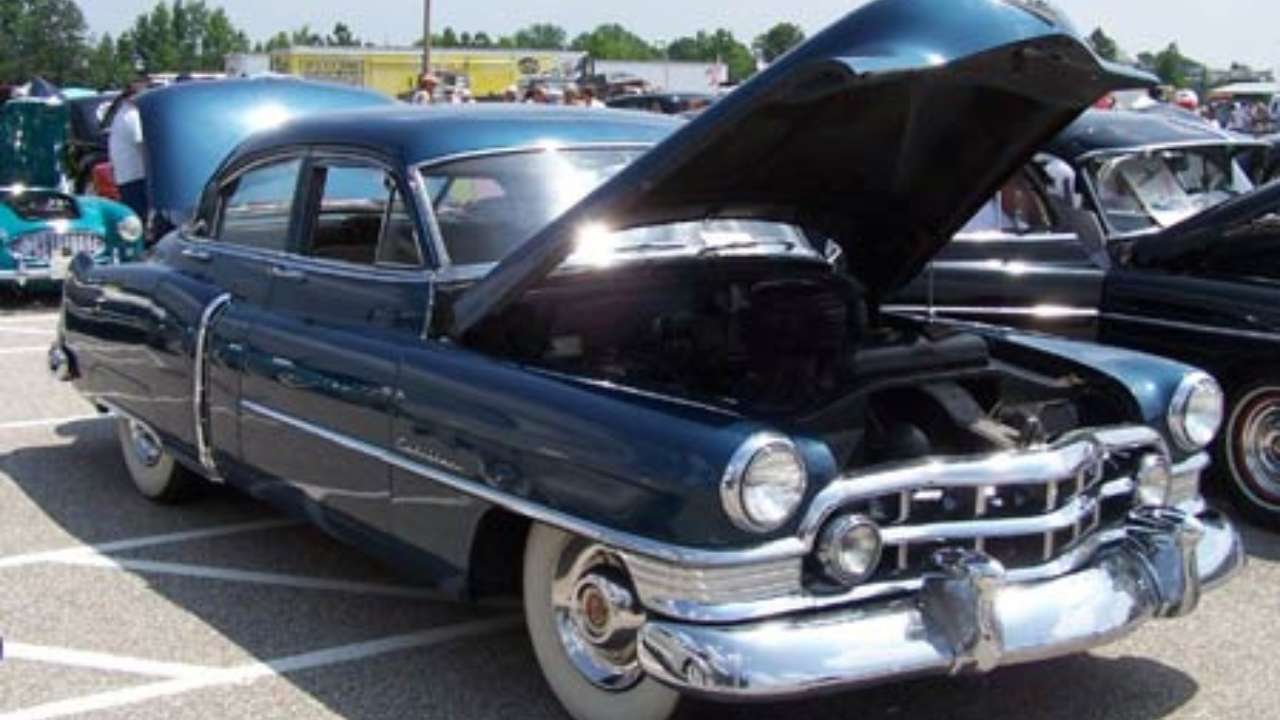
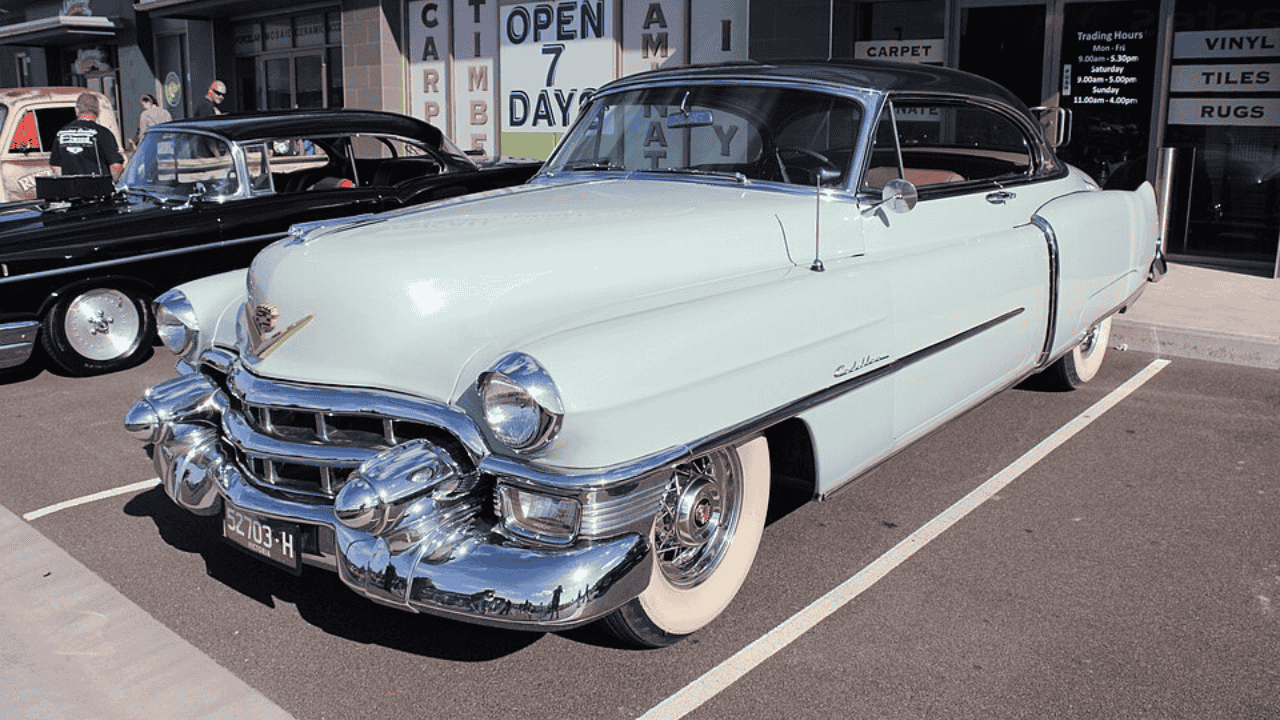
The 1950 Series 62 wasn’t loud in looks, but it didn’t need to be. Under the hood was Cadillac’s 331-cubic-inch overhead-valve V8, making 160 hp—efficient, reliable, and well ahead of the flathead crowd. Backed by a Hydra-Matic automatic, it delivered smooth, confident cruising. The styling was restrained yet refined, with a low beltline and modest tailfins just starting to show. Interiors came with quality fabrics, tasteful chrome, and optional power windows—luxury without shouting. Cadillac didn’t chase flash; it led with quiet strength, and this Series 62 proved you didn’t need to scream to win.
1950 Packard Super Eight: Reputation, but Falling Behind
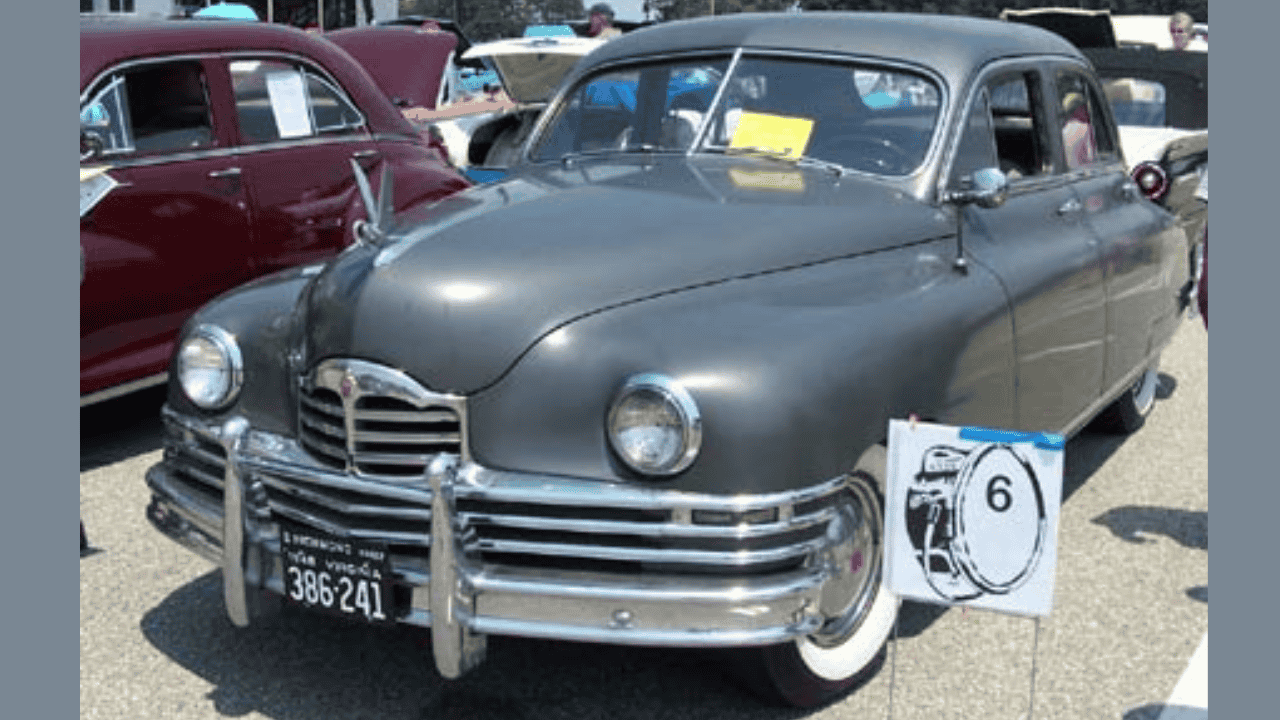
Packard still carried prestige in 1950, and the Super Eight was the brand’s upper-middle offering. Powered by a 327-cubic-inch inline-eight making 145 hp, it was smooth but not particularly quick. The styling leaned conservative, with slab sides and a tall greenhouse. Inside, Packard focused on quality materials and craftsmanship, but the dash and layout already felt a bit dated. Cadillac’s V8 and lower, cleaner shape felt like the future. Packard was still respected, but in 1950, the Series 62 quietly passed it by in both engineering and momentum.
1950 Lincoln Cosmopolitan: Big and Burly, But Outpaced
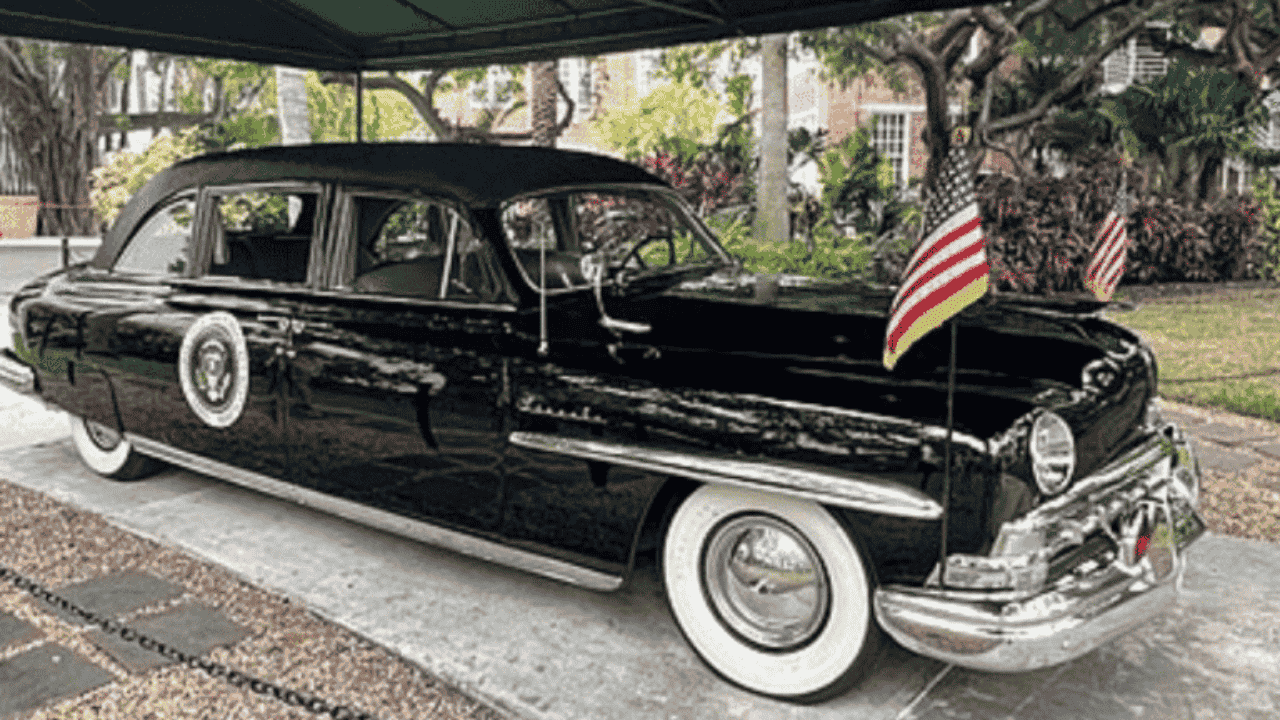
Lincoln’s Cosmopolitan was massive and distinctive, with its waterfall grille and skirted rear wheels. Underneath, it used a 337-cubic-inch flathead V8 from the Ford truck lineup, making 152 hp. It had the size of a flagship, but its performance and refinement trailed Cadillac’s. Interiors were roomy and stylish, but lacked the mechanical edge Cadillac offered with its modern OHV engine. While Lincoln tried to project authority through bulk and presence, Cadillac delivered it with precision—and it showed, both on the road and in the sales charts.
1950 Chrysler New Yorker: Smooth Operator, But Heavier on Comfort
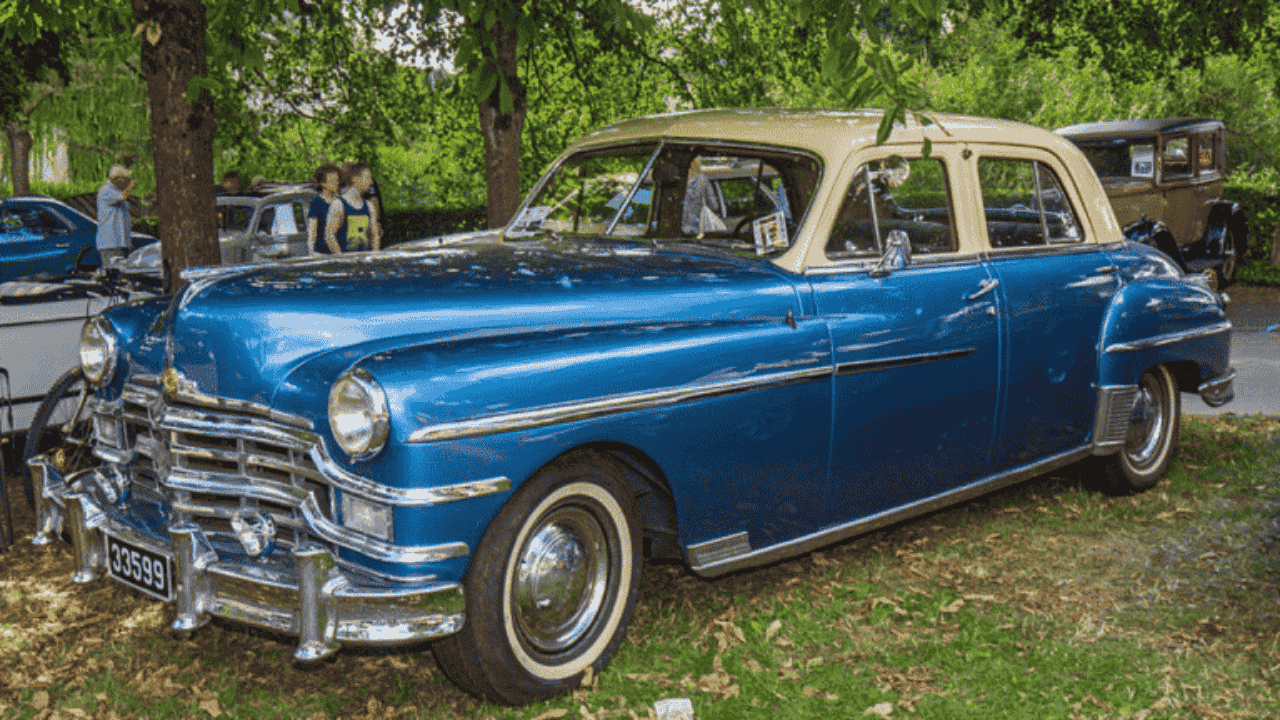
Chrysler’s New Yorker came equipped with the 135-hp Spitfire straight-eight, a solid engine but no match for Cadillac’s 331 V8 in output or efficiency. Where Chrysler excelled was in ride quality—Fluid Drive and the semi-automatic transmission made it easygoing. The design was understated and upright, not unattractive, but it didn’t move the needle much. Cadillac didn’t just offer more power—it delivered it in a package that felt lighter and more modern. The New Yorker appealed to conservative buyers, while the Series 62 quietly attracted a new kind of luxury driver.
1950 Oldsmobile 98: The Hot V8 Upstart
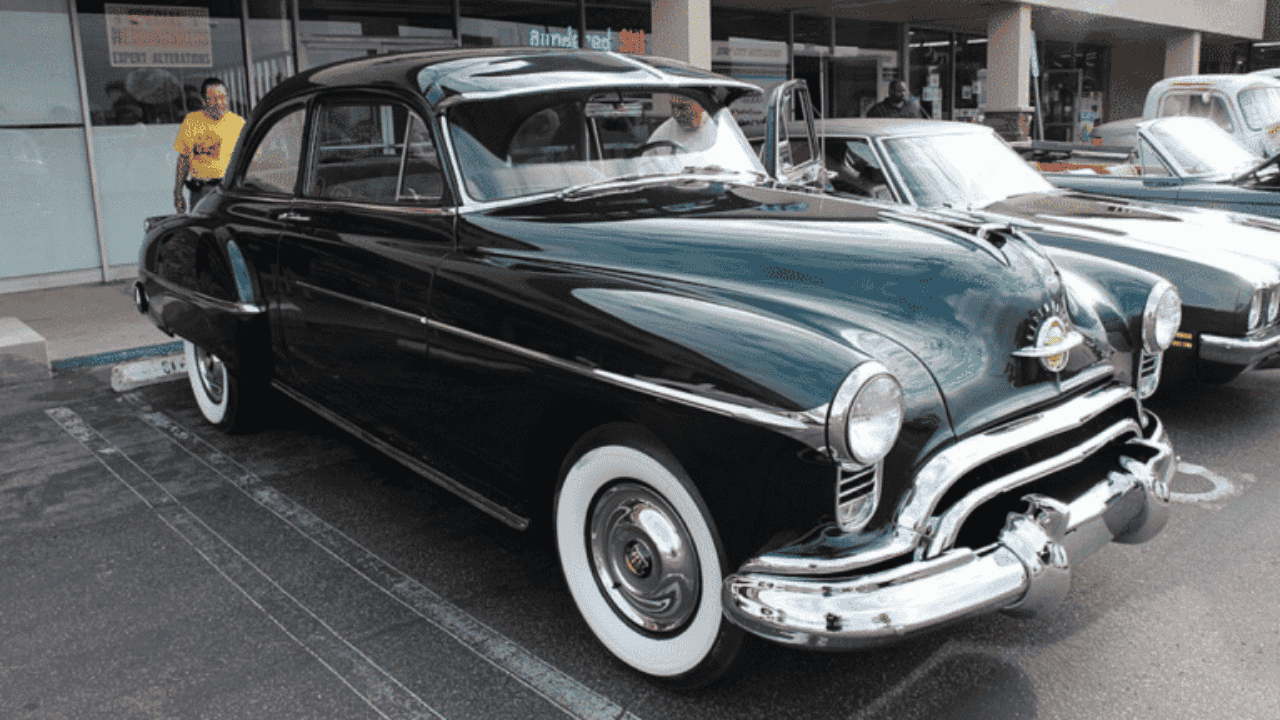
Oldsmobile surprised a lot of people in 1950. The 98 shared Cadillac’s OHV architecture with its own 303 Rocket V8, pushing 135–160 hp depending on trim. It was a fast car in its class and punched above its weight. Styling was clean, and interiors were well-trimmed, but not at Cadillac’s level. What the Olds lacked in finish, it made up for in performance, especially in lighter models. It was the closest GM stablemate to challenge Cadillac’s V8 dominance—though the Series 62 still had the edge in refinement and road presence.
1950 Buick Roadmaster: Power with Flash
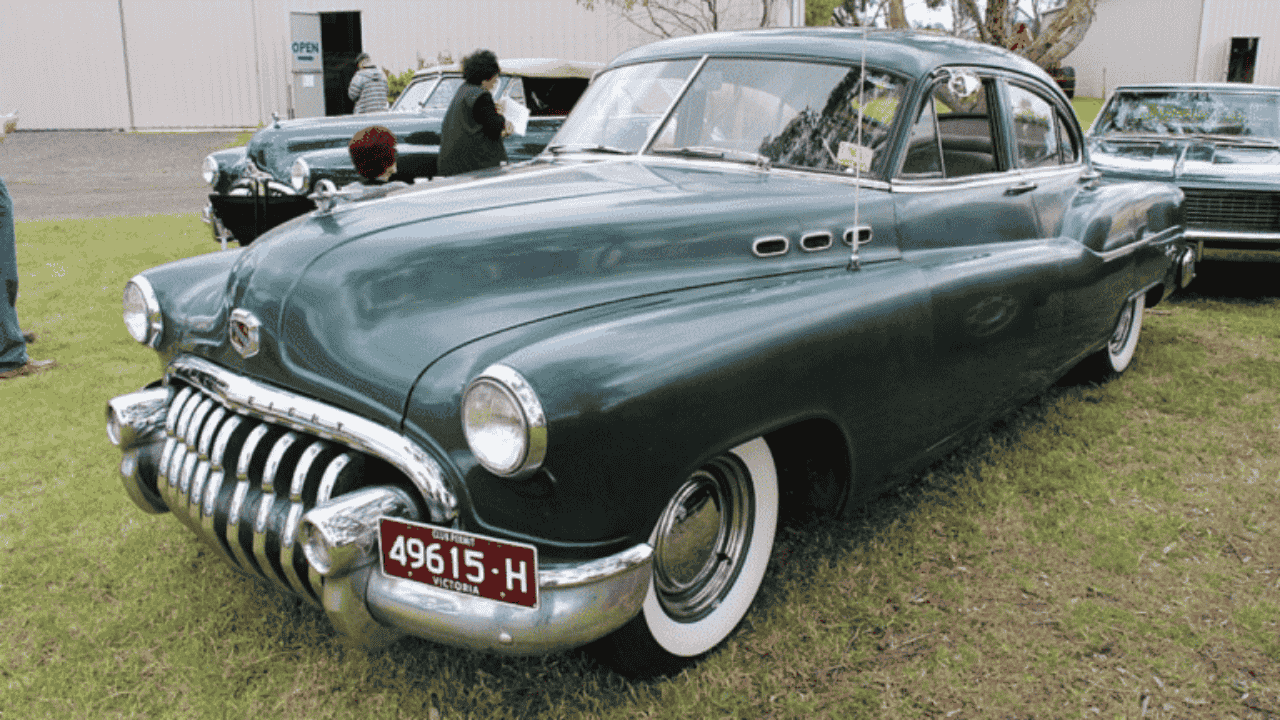
The Roadmaster in 1950 ran a 320-cubic-inch straight-eight making 152 hp. Smooth, torquey, but behind the curve next to Cadillac’s overhead-valve setup. Buick was more expressive in its design—sweeping lines, chrome-laden fenders, and the signature ventiports. It had presence, no doubt. Inside, Buick pushed comfort, with broad seats, lots of padding, and a showy dashboard. But compared to Cadillac’s quieter sophistication and more advanced drivetrain, the Roadmaster felt like it was still trying too hard to prove something Cadillac had already figured out.
1950 Hudson Commodore Eight: Advanced Chassis, Old-School Engine
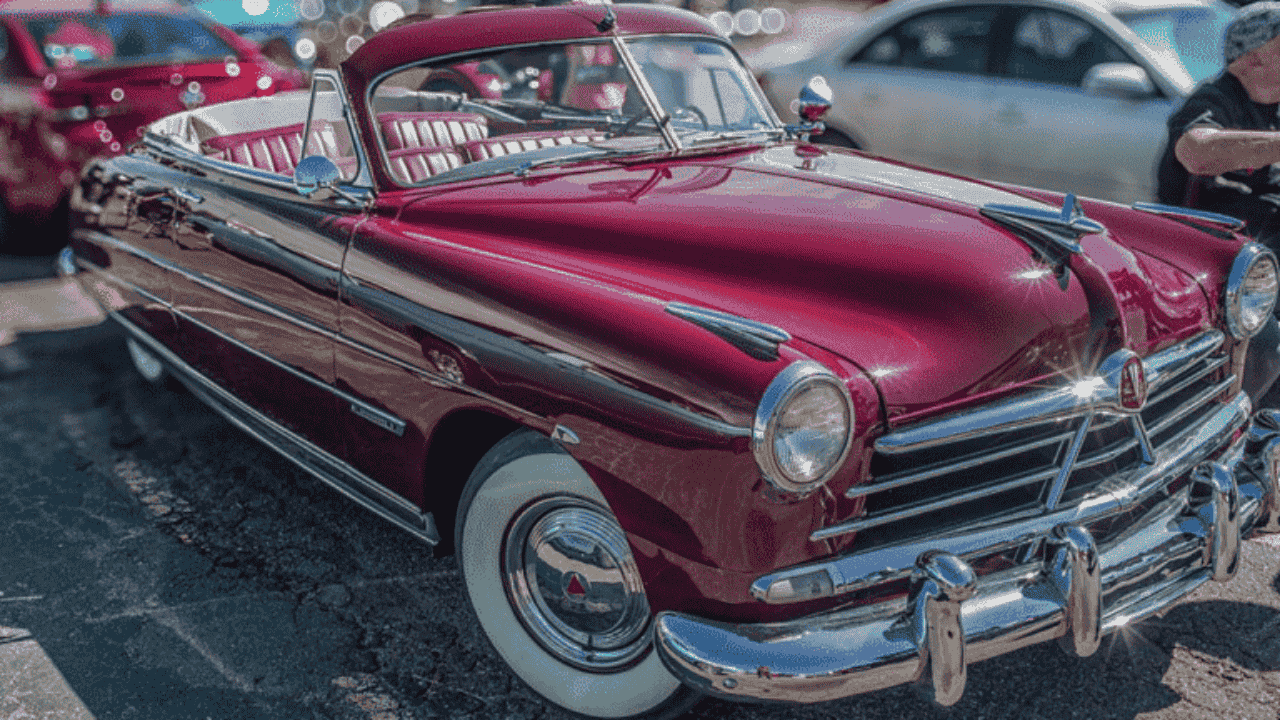
Hudson’s step-down construction made the Commodore handle better than most full-sizers in 1950. Its center of gravity was low, and the car felt planted. The 254-cubic-inch straight-eight produced 128 hp, which was smooth but no match for Cadillac’s V8 in power or weight. Inside, the Commodore was comfortable and well-built, with unique fabrics and trim. But in the bigger picture, Hudson was leaning on chassis innovation without a drivetrain to match. Cadillac had already balanced both—quietly—and the market noticed.
1950 Nash Ambassador: Spacious, Safe, and Slow
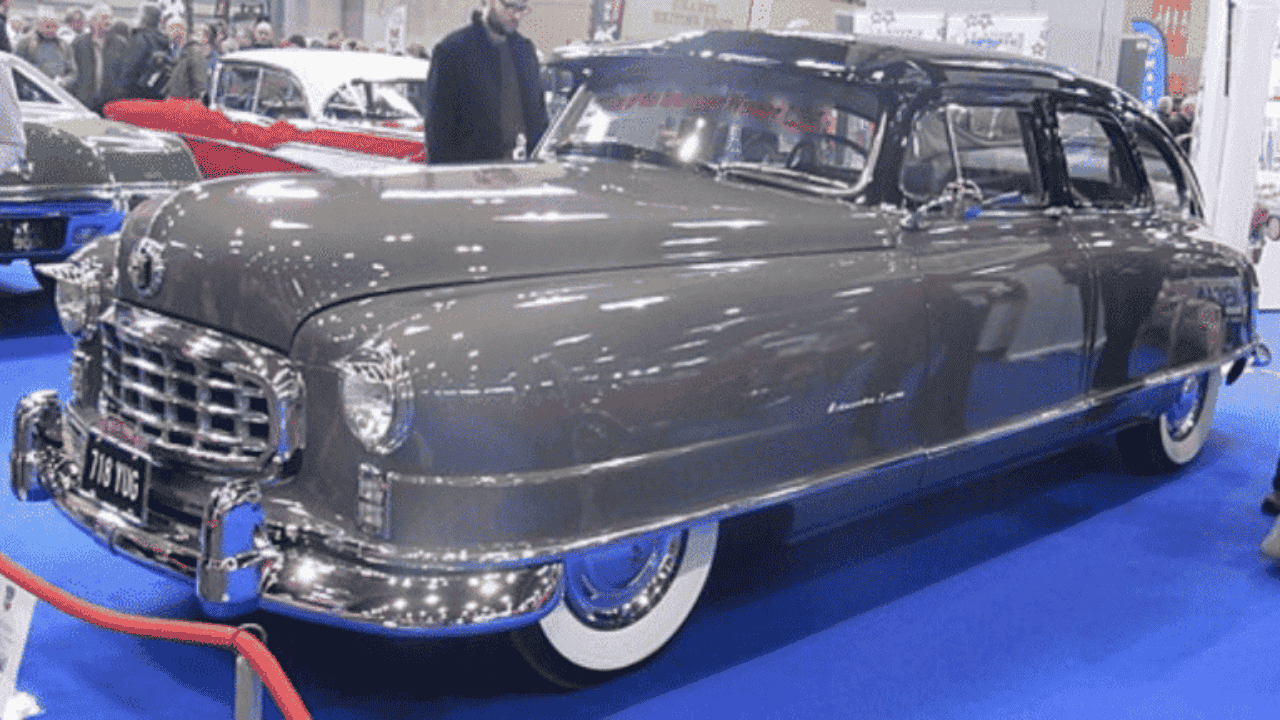
Nash was doing its own thing with the 1950 Ambassador. Its enclosed fenders and fastback body were aerodynamic, but polarizing. The 234-cubic-inch straight-six made 115 hp—not exactly keeping pace with Cadillac’s V8. Nash focused on comfort, offering reclining front seats and an early version of air conditioning. The cabin was roomy and well-padded, but performance wasn’t a priority. Compared to the Series 62, the Ambassador felt like it belonged to another era. Cadillac was already laying the groundwork for modern luxury. Nash, for all its effort, hadn’t quite caught up.
Like Fast Lane Only’s content? Be sure to follow us.
Here’s more from us:
*Created with AI assistance and editor review.