The brief era when Chevrolet created Hemi-style engines remains largely unnoticed in automotive history. This exploration delves into the development, specifications, and impact of these unique engines that existed in a fleeting moment of innovation.
Overview of Hemi Engine Design
The term “Hemi” refers to a specific engine design characterized by a hemispherical combustion chamber. This design allows for a more efficient airflow in and out of the engine, which translates to improved combustion efficiency and power output. Hemi-style engines typically feature a more compact design, which helps in achieving higher compression ratios and thus enhances performance. The unique shape of the combustion chamber also promotes better mixing of air and fuel, making it a favored choice for performance-oriented applications.
Traditional engine designs, such as flathead or wedge-shaped combustion chambers, often face limitations in airflow dynamics. This can lead to incomplete combustion and reduced power output. In contrast, Hemi-style engines maximize the efficiency of the combustion process, which was one of the key reasons why manufacturers like Chrysler adopted this design for their famed Hemi V8 engines in the 1950s and 1960s. The historical context of Hemi engines showcases their rise in popularity during the muscle car era, where power and performance were paramount.
Chevrolet’s Entry into Hemi-Style Engines
Chevrolet’s foray into Hemi-style architecture was primarily motivated by the fierce competition in stock car racing and the automotive market during the early-to-late 1960s. As muscle cars and NASCAR gained immense popularity, the demand for high-performance engines surged. Chevrolet sought to capitalize on this trend by developing an engine that could rival the performance of its competitors, particularly Chrysler’s dominant Hemi platforms. The decision to experiment with semi-hemispherical, canted-valve designs was not just about keeping up; it was about pushing the boundaries of engine performance and efficiency.
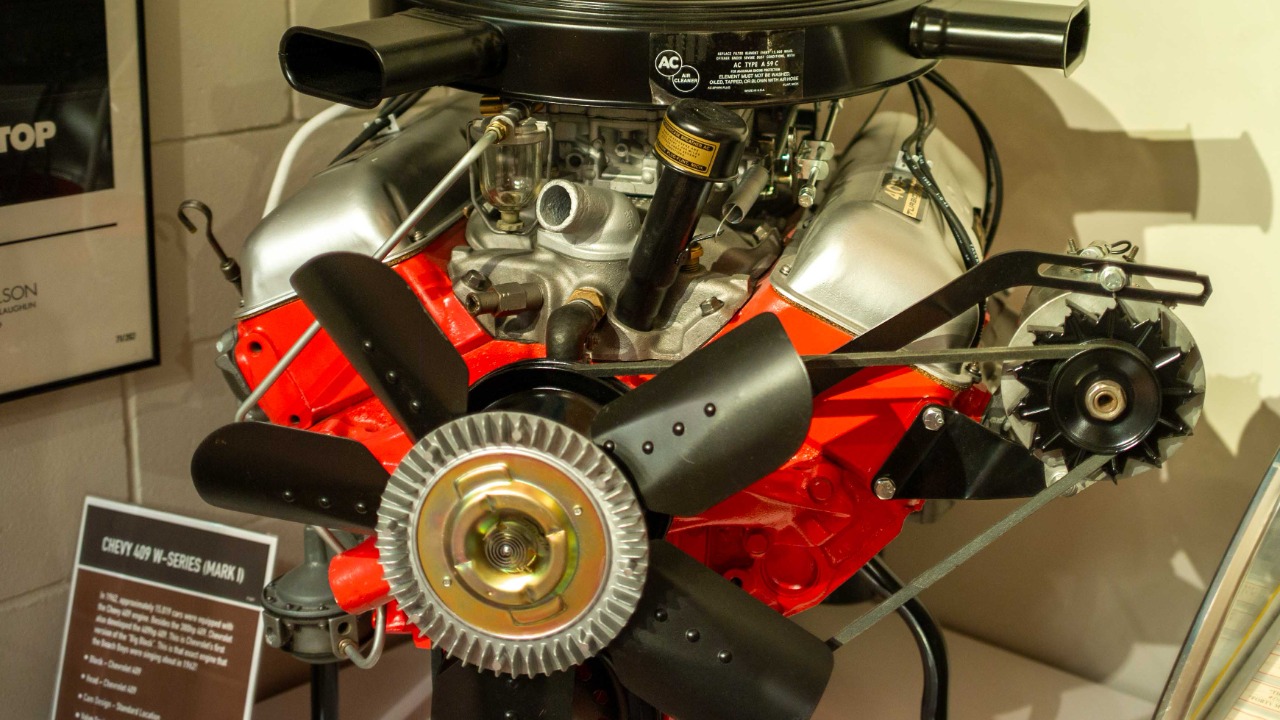
Key figures in this initiative included legendary engineers such as Ed Cole and his specialized performance teams. The timeline of Chevrolet’s Hemi-style engine development began in absolute secrecy ahead of the 1963 racing season. This clandestine project birthed the mythic Mark II 427 Big-Block V8, affectionately dubbed the “Mystery Motor.” Designed specifically to dominate the Daytona 500, these engines featured uniquely splayed, compound-angle valves that mimic the optimal airflow geometry of a Hemi. Despite their innovative design, GM suddenly enacted a strict factory racing ban in mid-1963, ensuring production was extremely limited. Consequently, these early experimental engines were quickly sidelined and largely forgotten by the public.
Specifications and Performance Metrics
Chevrolet’s Hemi-style engines were designed with several specifications that aimed to enhance performance. These engines typically featured a displacement of 350 cubic inches and were capable of producing upwards of 300 horsepower. The design incorporated high compression ratios, often reaching 10.5:1, which allowed for impressive torque outputs that appealed to performance enthusiasts. Additionally, the engines were outfitted with dual exhaust systems, further enhancing their performance capabilities.
When compared to other popular engines of the time, such as the Ford 351 Cleveland and Chrysler’s own 426 Hemi, Chevrolet’s Hemi-style engines held their ground in terms of power output. However, the competition was fierce. Notable vehicles that showcased these engines included the aforementioned Monte Carlo and the Chevrolet Camaro Z28, which were both celebrated for their performance on the road and the racetrack. The ability of these engines to perform under various conditions made them a sought-after choice for muscle car aficionados.
Challenges and Reception
Despite their innovative design, Chevrolet faced several technical challenges during the production of their Hemi-style engines. One significant issue was the complexity of the manufacturing process required to create the hemispherical combustion chambers. This complexity led to increased production costs and time, which hampered the widespread adoption of these engines in Chevrolet’s lineup. Additionally, there were concerns regarding reliability and maintenance, as the unique design required specialized knowledge for repairs and upkeep.
Consumer reception was mixed at the time of their release. While performance enthusiasts praised the engines for their power and efficiency, mainstream consumers were less enthusiastic. The market was rapidly shifting towards smaller, more fuel-efficient engines, influenced by the oil crisis of the early 1970s. This shift in consumer preferences, combined with the challenges in production, contributed to the decline of Chevrolet’s Hemi-style engines. By the mid-1970s, these engines were largely phased out in favor of more conventional designs that catered to the changing market demands.
Legacy and Influence on Future Engine Designs
The long-term effects of Chevrolet’s Hemi-style engines on the automotive industry are still felt today. While they may not have achieved the same level of iconic status as Chrysler’s Hemi, they nonetheless influenced subsequent engine designs. The principles of efficient airflow and combustion introduced in these engines can be seen in modern performance engines, as manufacturers continue to seek ways to maximize power while adhering to stricter emissions regulations.
Chevrolet’s experimentation with Hemi-style designs also indirectly spurred competition among other automakers. Brands like Ford and Pontiac began to explore similar designs, leading to a variety of performance engines that utilized the benefits of improved airflow and combustion efficiency. Automotive historians often reflect on this era as a time of significant innovation, where the pursuit of power led to advancements that would shape future engine designs across the industry.
Why They Are Forgotten
The obscurity of Chevrolet’s Hemi-style engines can be attributed to several factors. First, the rapid changes in market dynamics during the 1970s, particularly the shift towards fuel efficiency, meant that many high-performance engines were quickly sidelined. As consumers began to gravitate to smaller, more economical vehicles, the demand for large displacement engines dwindled. This change in consumer preferences significantly impacted the legacy of Chevrolet’s Hemi-style engines, relegating them to a footnote in automotive history.
Another contributing factor is the fierce competition within the automotive industry at the time. While Chevrolet was developing its Hemi-style engines, Chrysler’s Hemi gained iconic status due to its performance in both street and racing applications. The overshadowing of Chevrolet’s efforts by Chrysler’s success further buried the memory of Chevrolet’s innovations. Additionally, efforts to preserve the history of these engines within automotive culture have been minimal, with little documentation or recognition in the broader automotive narrative.