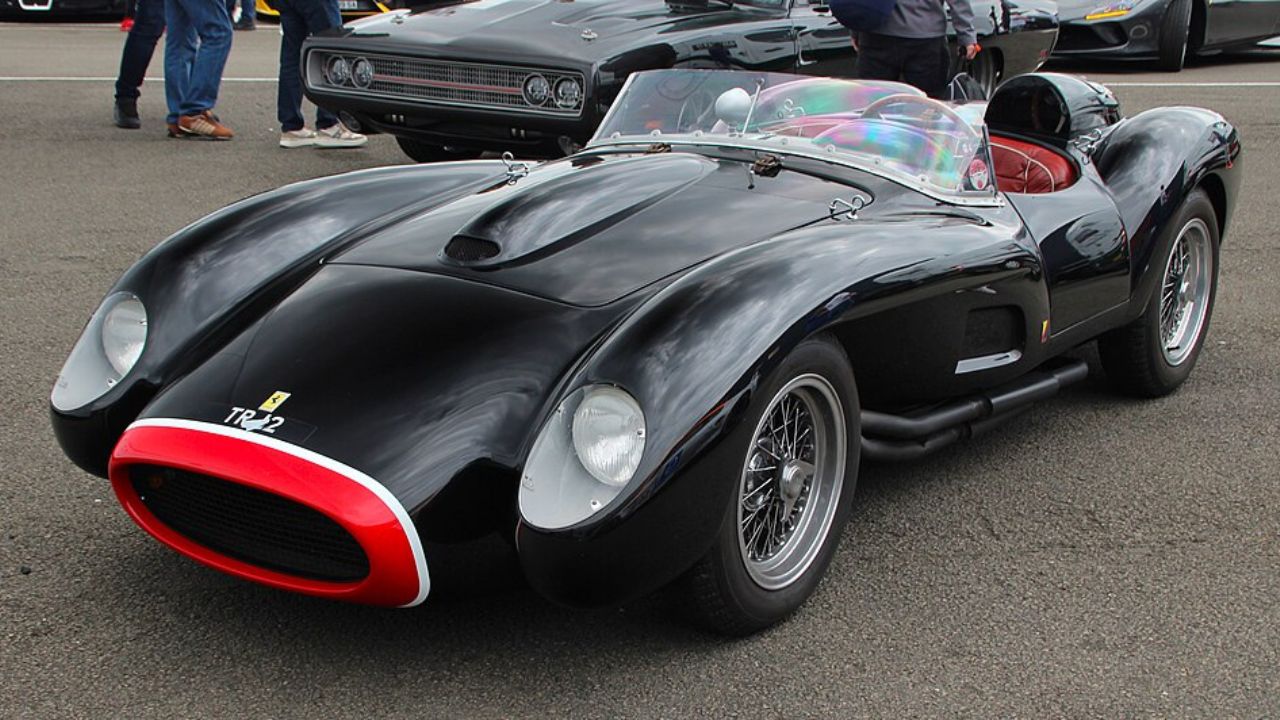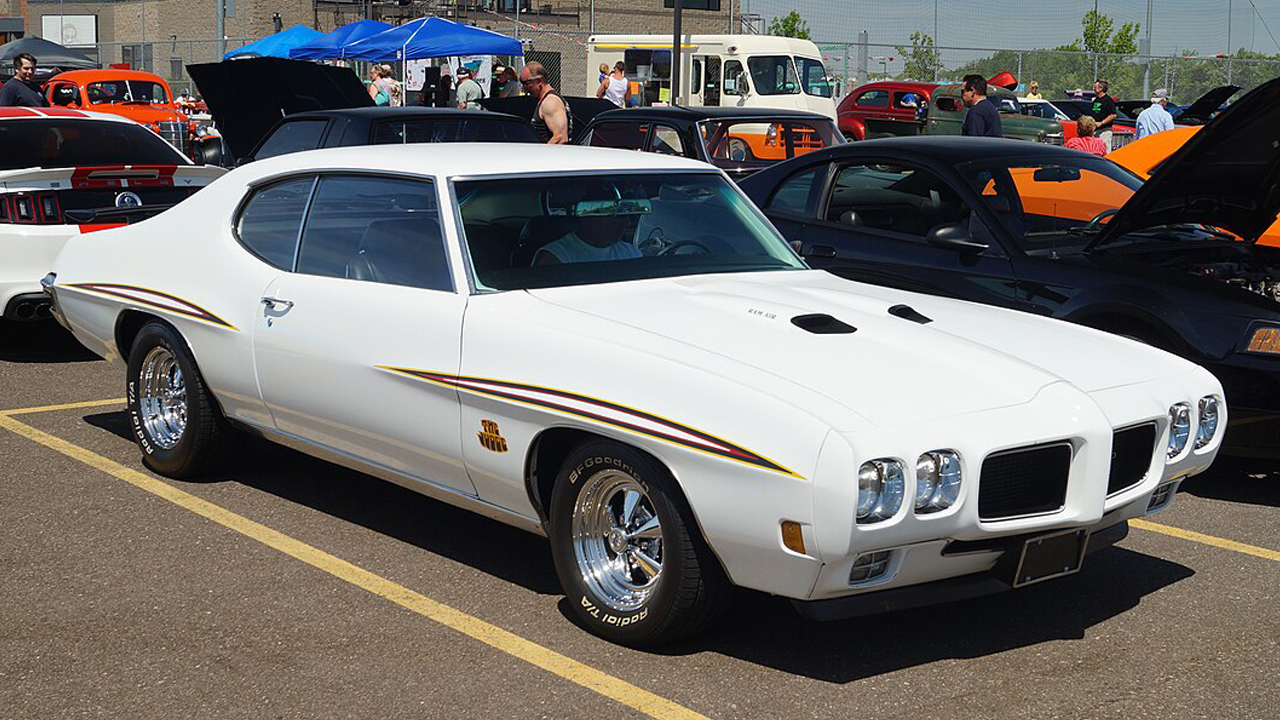
The brief period when Chevrolet experimented with radical power stands as a fascinating chapter in automotive history, showcasing the brand’s boldness and innovation. During this time, Chevrolet pushed the boundaries of performance and engineering, significantly shaping the muscle car era.
Historical Context of Chevrolet’s Experimentation
The 1960s and 1970s were transformative years for the automotive industry. As American culture shifted towards a love for speed and performance, the demand for muscle cars surged. Chevrolet, a staple in the automotive market, found itself at a crossroads. With competitors like Ford and Chrysler launching their performance vehicles, Chevrolet needed to innovate to maintain its market position. This era saw the birth of vehicles that not only promised speed but also delivered a sense of freedom and rebellion that resonated with the youth of the time.
Key figures within Chevrolet, such as Zora Arkus-Duntov, often referred to as the “Father of the Corvette,” played significant roles in the brand’s power initiatives. Duntov’s vision and engineering prowess pushed Chevrolet into exciting territories, with radical designs and prototypes that would later become iconic. His influence, along with a team of dedicated engineers, led to the development of groundbreaking technology that would define the muscle car era.
Innovative Engine Designs
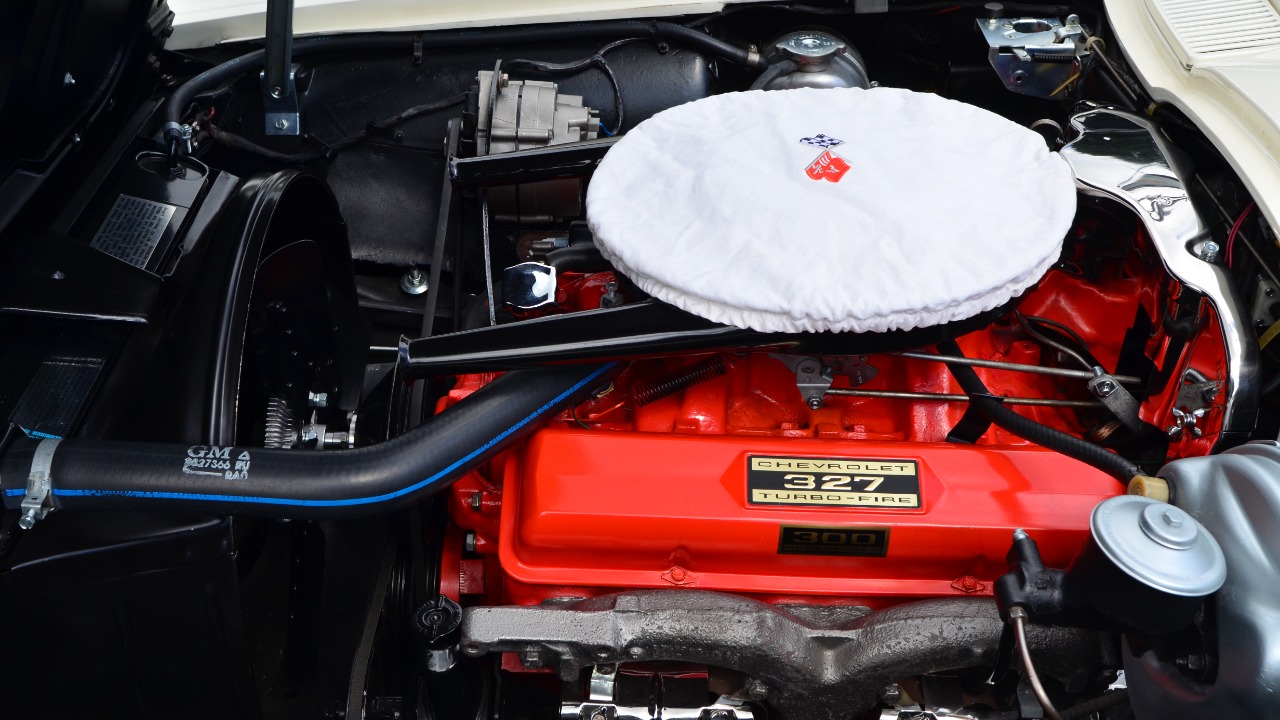
Among the many innovations during this period, the introduction of the small-block V8 engine stands out as a game-changer. Launched in 1955, this engine was compact yet powerful, allowing Chevrolet to create lightweight vehicles with remarkable horsepower. The success of the small-block V8 set the stage for various racing and performance applications, proving that innovation could indeed lead to success on both the track and the street.
Chevrolet’s experimentation did not stop there. The brand also dabbled in alternative fuels and turbocharging technology. For example, the 1978 Chevrolet Monza was one of the first vehicles to offer a turbocharged engine option, providing an intriguing alternative to traditional powertrains. This willingness to explore new avenues, even in the face of rising fuel prices, demonstrated Chevrolet’s commitment to performance and adaptability.
Noteworthy Models and Their Features
Among the standout models of this era, the Chevrolet Camaro deserves special attention. Launched in 1966, the Camaro quickly became a symbol of American muscle. Not only did it boast a range of powerful engine options, including the legendary Z/28 and SS variants, but it also featured aggressive styling and handling that appealed to driving enthusiasts. The 1970 Chevrolet Camaro Z28, equipped with a high-performance 350-cubic-inch engine, exemplified the raw power that Chevrolet was known for. Source
The Corvette, often regarded as Chevrolet’s flagship sports car, also played a pivotal role in showcasing advanced engineering. The 1963 Corvette Sting Ray not only introduced a new independent rear suspension system but also featured a range of powerful engine options, including the 427-cubic-inch big-block V8. This model became a cornerstone for performance enthusiasts and set benchmarks that would influence sports cars for decades to come. The combination of innovative design and raw power established the Corvette as an enduring symbol of American performance.
Challenges and Controversies
Despite its successes, Chevrolet faced significant challenges during this era. The public and industry reception of radical power vehicles was mixed. While many enthusiasts celebrated the performance capabilities, some critics expressed concerns over safety and fuel consumption. The rising demand for more fuel-efficient vehicles during the oil crises of the 1970s put pressure on manufacturers to reconsider their approach to power and performance.
Regulatory hurdles also posed challenges. The introduction of stricter emissions regulations forced Chevrolet to navigate a complex landscape of compliance while trying to maintain the performance image that defined its vehicles. Internal conflicts within the company regarding the direction of its performance models also arose, leading to debates about balancing power with safety and efficiency.
The Legacy of Radical Power in Chevrolet’s DNA
The experiments of the 1960s and 1970s left an indelible mark on Chevrolet’s DNA. The innovations in engine design and performance set the stage for future models, influencing everything from the next generation of muscle cars to modern performance vehicles. The spirit of radical power can be seen in today’s Chevrolet lineup, with vehicles like the Camaro SS and Corvette Stingray continuing the legacy of performance and engineering excellence.
This legacy extends beyond just the vehicles themselves; it has also shaped muscle car culture and the community of enthusiasts that surround it. Events like the annual Muscle Car and Corvette Nationals celebrate this heritage, drawing fans from around the world who appreciate the performance and style of classic Chevrolets. The passion for these vehicles is a testament to the impact that Chevrolet’s radical power initiatives had on automotive culture.
Future Directions and Reflections
As I reflect on the future of automotive power and performance, it’s clear that trends are shifting yet again. The rise of electric vehicles (EVs) presents both challenges and opportunities for brands like Chevrolet. With the increasing demand for sustainable transportation, manufacturers are exploring new technologies that promise to redefine performance standards. The Chevrolet Silverado EV, for example, showcases how electric power can deliver impressive torque and acceleration, while maintaining an environmentally conscious approach.
Emerging technologies such as advanced battery systems, regenerative braking, and artificial intelligence in vehicle dynamics are poised to shape the future of Chevrolet and the industry as a whole. My conversations with automotive historians reveal a deep appreciation for the era of radical power, emphasizing its significance in paving the way for today’s innovations. As we move forward, the lessons learned from that bold period of experimentation will undoubtedly influence the next generation of performance vehicles.
More from Fast Lane Only
- Unboxing the WWII Jeep in a Crate
- 15 rare Chevys collectors are quietly buying
- 10 underrated V8s still worth hunting down
- Police notice this before you even roll window down
*Research for this article included AI assistance, with all final content reviewed by human editors.