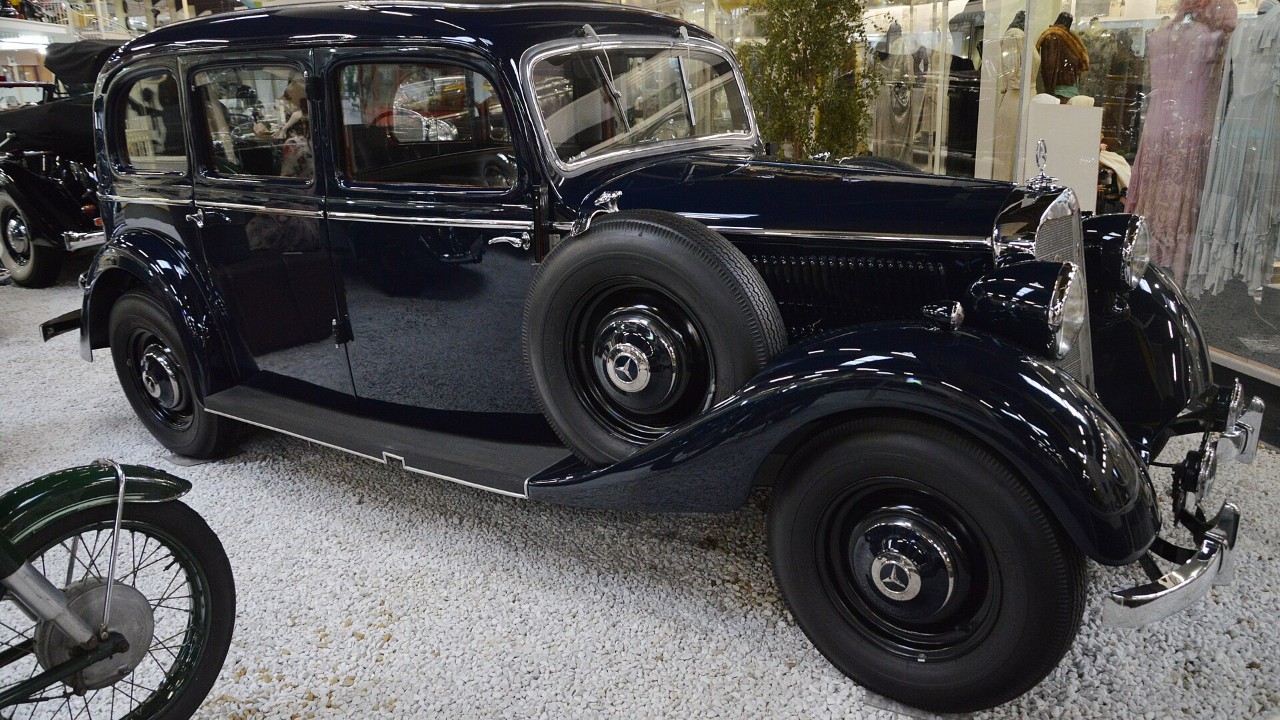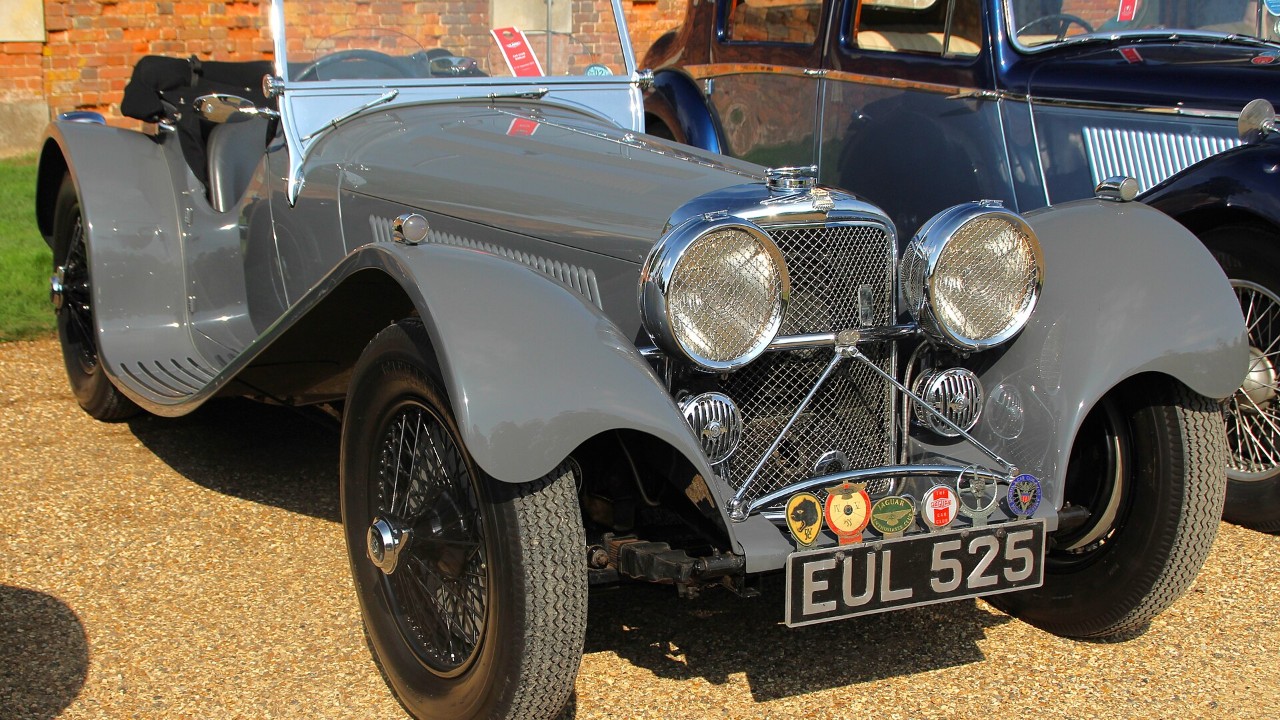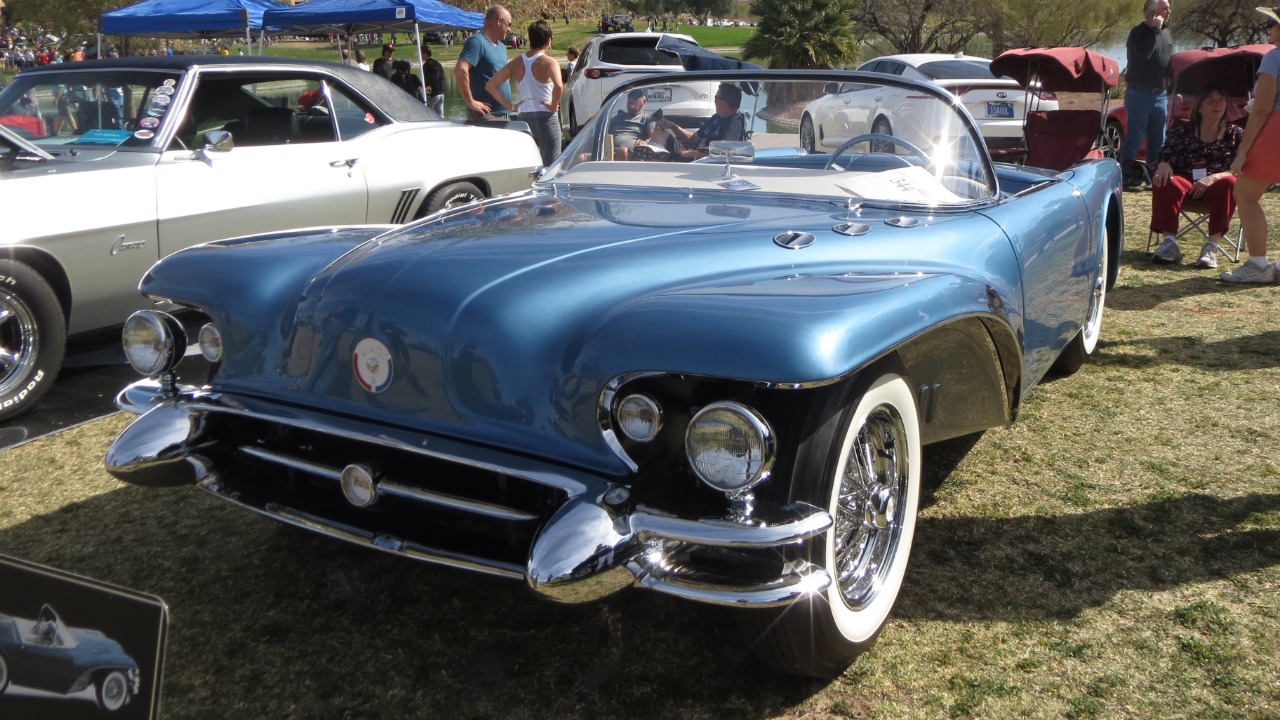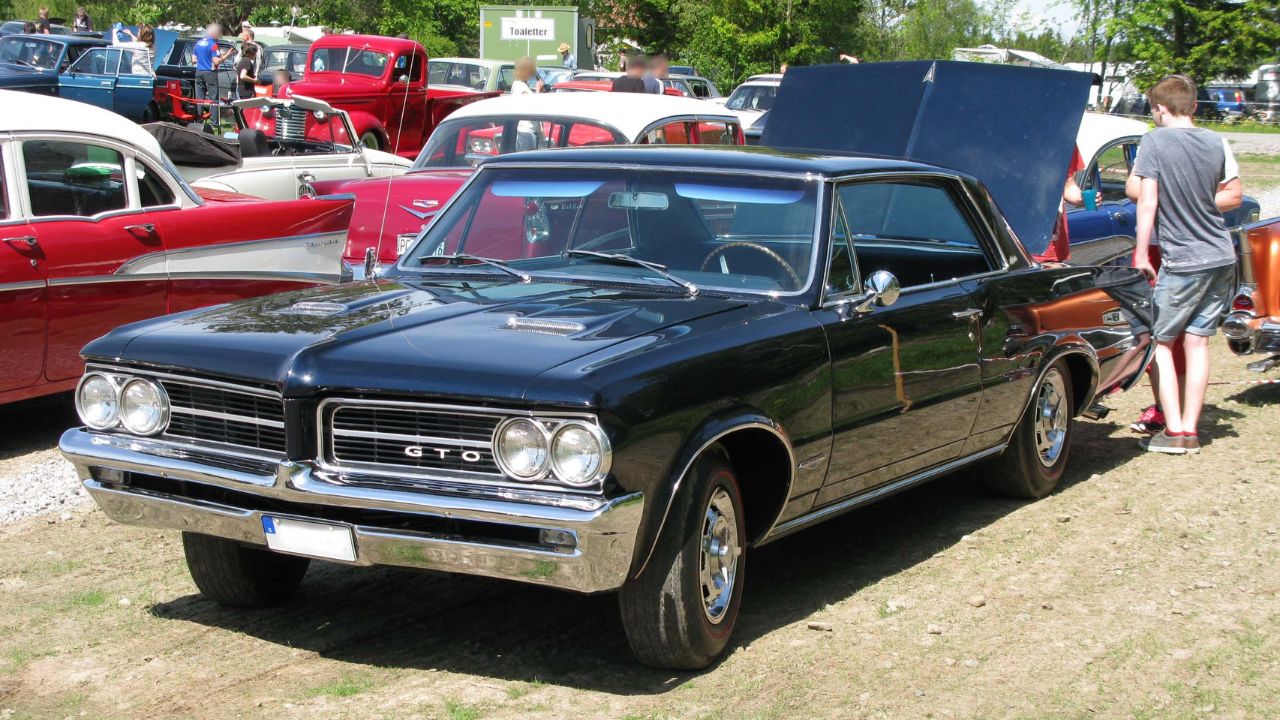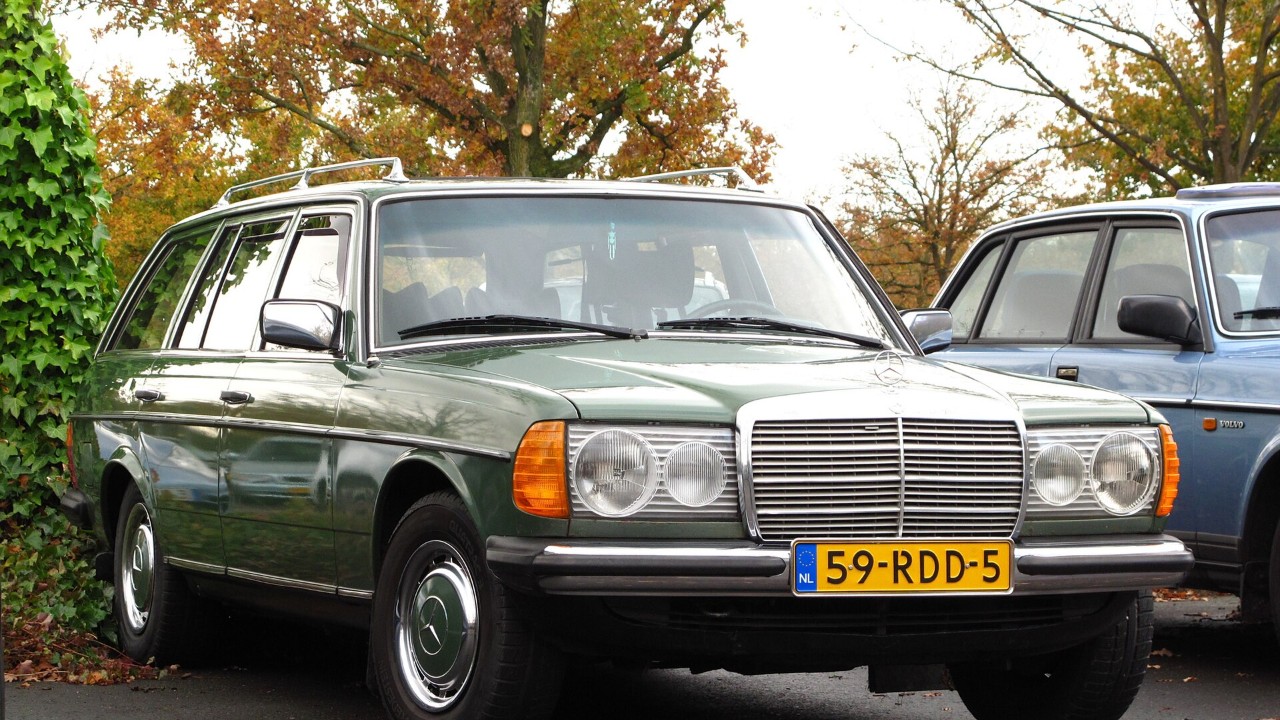
The Mercedes 240 TD was never fast, and that never mattered. When Mercedes ended W123 estate production in January 1986, it had built 199,517 of them. Their reputation for running forever began on German taxi ranks. That is the kind of wagon this list is about.
Crossovers took over the school run decades ago. Even so, some old wagons refuse to step aside. Instead, they keep hauling dogs, lumber and camping gear long after their rivals went to the crusher. A few even became more desirable as they aged.
These are our picks for seven station wagons that refuse to become obsolete. Some earned it with toughness, some with clever engineering and one with a Hemi. The picks and verdicts are our opinion. The dates, engines and production figures come from maker histories, period reports and enthusiast research we checked.
1. 1978–1986 Mercedes-Benz 240 TD
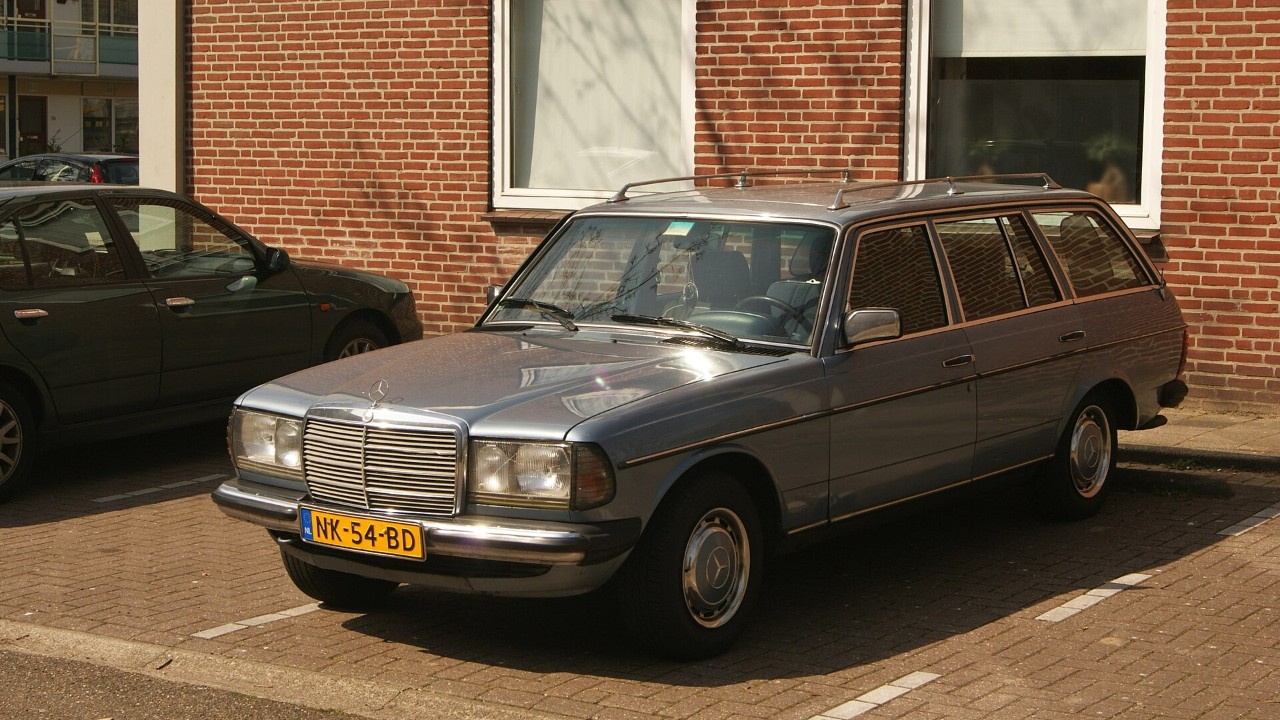
Mercedes showed its first factory-built estate at the 1977 Frankfurt show, then began production at Bremen in April 1978. The Mercedes 240 TD used the OM616 2.4-liter four-cylinder diesel. Early cars made 65 PS, and from September 1979 output rose to 72 PS, or about 71 hp.
Those figures look tiny today, and they felt modest even then. However, the engine was built for endurance rather than speed. German taxi firms chose the W123 in large numbers, and cabs passing 500,000 km with only minor problems were common. The W123 family reached about 2.7 million units, making it the most successful Mercedes of its time.
We think the 240 TD is the definitive refuse-to-die wagon. It is slow, simple and almost unbreakable when maintained. In fact, the W123 became a fixture far from Germany, as our story on how the W123 became one of Africa’s most enduring vehicles explains. If you buy one, judge the body first, because the diesel will likely outlast it.
2. 1980s Peugeot 505 GR Break
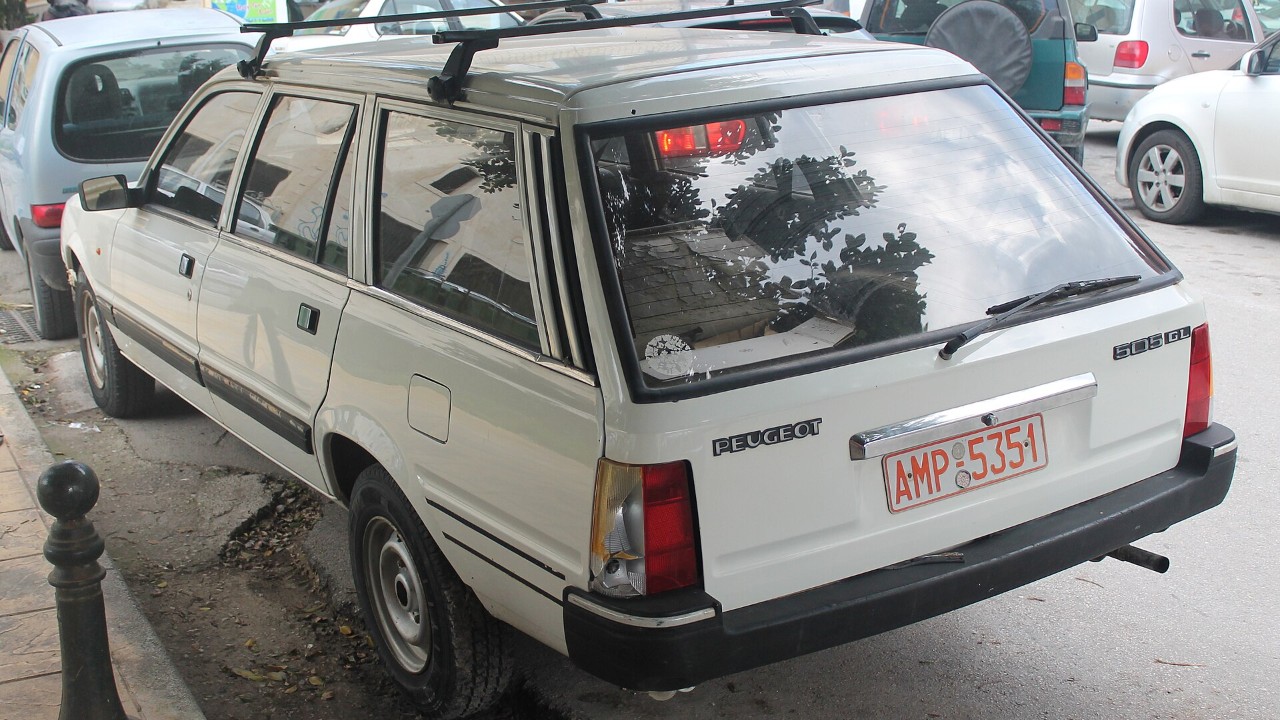
Peugeot asked Pininfarina to style the 505 as a continuation of the 504. The estate, or Break, used a rigid rear axle instead of the saloon’s independent setup. It could also seat seven in Familiale form. According to Car & Classic’s 505 guide, Peugeot built 1,351,254 505s in all, with assembly in France, Argentina, China, Nigeria, Thailand and Indonesia.
The wagon earned its tough reputation the hard way. Its rear axle carried four coil springs for a load capacity of 1,265 pounds. Curbside Classic once found a 1988 505 wagon with just over a million miles on its odometer in a junkyard. That is a remarkable number for any car.
Our take: the 505 Break is the French workhorse that America forgot after Peugeot left in 1991. The GR trim sat in the middle of the range, comfortable without too many gadgets to break. If you want one, find a car with a good service history and stock parts sources early.
3. 1979 Subaru 1600 4WD station wagon
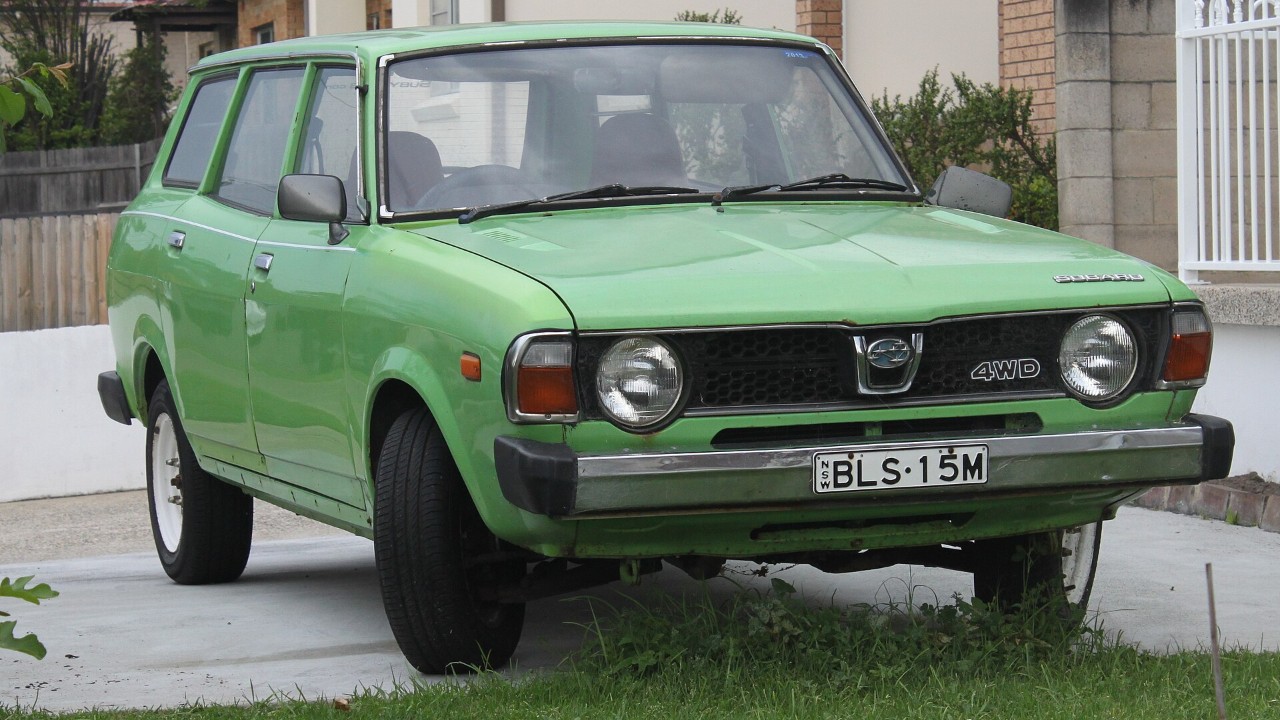
Subaru’s four-wheel-drive wagon started with a request. In 1968 and 1969, the Tohoku Electric Company of Sendai asked its local Subaru dealer whether a part-time 4WD car could be built from a Subaru 1000 light van. The dealer took 10 months to build the prototype, according to Curbside Classic’s history of the 4WD Leone.
Subaru then launched a 4WD wagon in Japan in 1972. By late 1975, an 87-hp 1.6-liter flat-four had taken over the top of the range. The system was part-time, with no center differential. Still, with the engine hanging out ahead of the front wheels, traction was surprisingly good, and the four-wheel drive was selectable when you needed it.
We think the 1600 4WD wagon is the most important car on this list. It created the affordable all-wheel-drive family car, and today’s crossovers owe it a debt. The engines were tough, and rust usually finished these cars rather than wear. If you find a dry, solid one, buy it, because rust claimed most of them.
4. X70 Toyota Cressida wagon
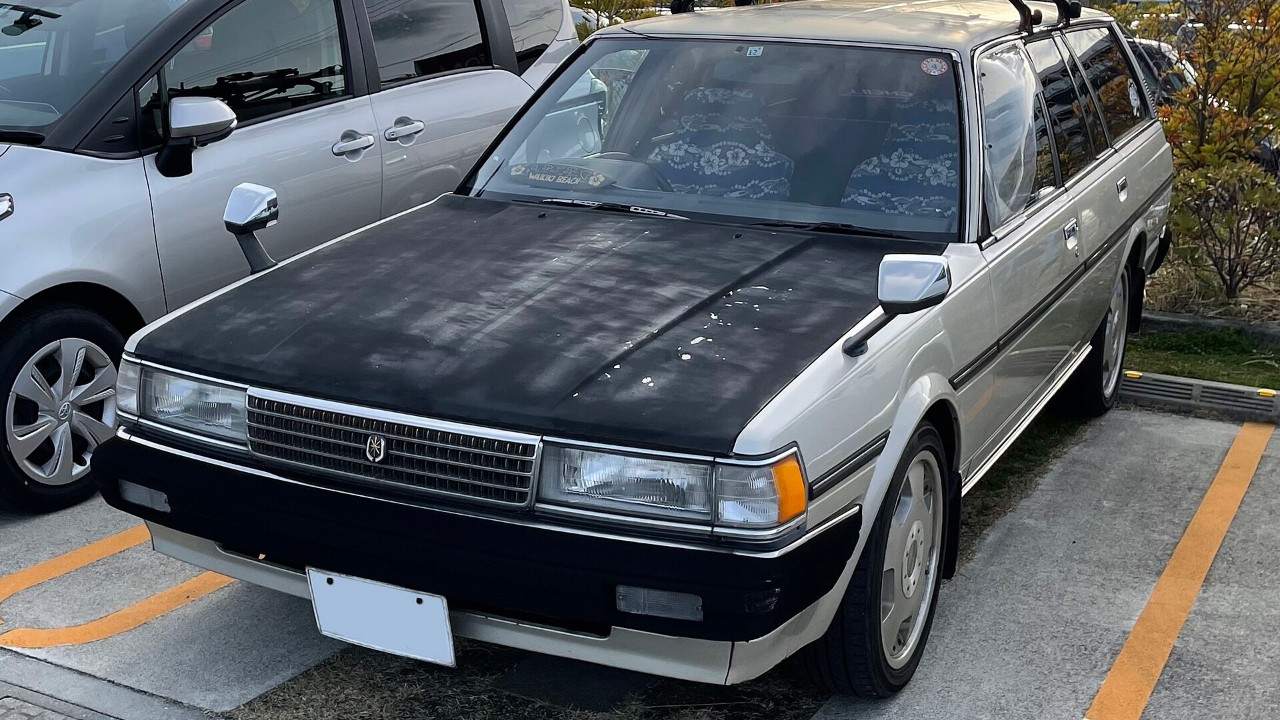
The X70 Cressida wagon used the 5M-GE, a 2,759cc twin-cam inline-six that was essentially the same engine as the Supra’s. It also had hydraulic valve lifters, so owners never needed to adjust the valves. The U.S. version made 156 hp in 1985, according to Curbside Classic.
Meanwhile, the wagon outlived its sedan sibling by years. Toyota stopped importing it to the U.S. after 1988. However, because the next Cressida had no wagon, Toyota kept building this one, mostly for Japan, until 1997. According to The Truth About Cars, it shared most of its looks with the sedan but kept an older-style tailgate and dual rear wipers.
In our view, the Cressida wagon is a Supra-powered luxury hauler hiding in plain clothes. Curbside Classic credits these cars with superlative reliability and longevity. They are rear-wheel drive and smooth, too. If you shop for one, confirm the engine and the service history before you hand over any money.
5. 1991–1993 Honda Accord wagon
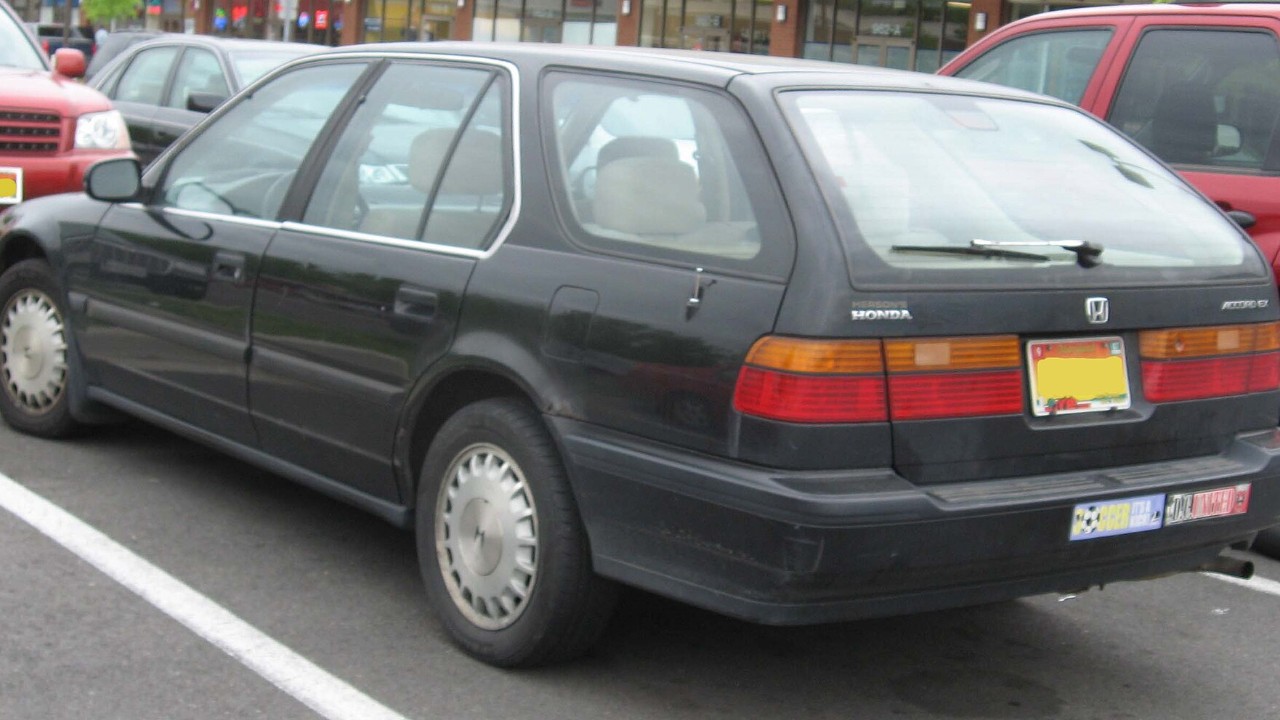
Honda added a wagon to the Accord line for 1991, a year after the new sedan and coupe. The Tampa Bay Times reported in 1990 that it was designed and engineered in the United States. At the time, the Accord was the nation’s best-selling car.
In fact, the wagon came only from Honda’s plant in Marysville, Ohio. Then Honda shipped American-built wagons to Japan and Europe, where they wore the Aerodeck name. That was a striking reversal for a Japanese brand, and it made the wagon a symbol of Honda’s American roots.
Our take: this wagon refuses to become obsolete because it does everything sensibly. It is easy to drive, easy to park and roomy where it counts. We would take a well-kept, one-owner example over a fancier rival every time. Treat it right, and it should carry on longer than you expect.
6. 1991 Mercedes-Benz 300 TE
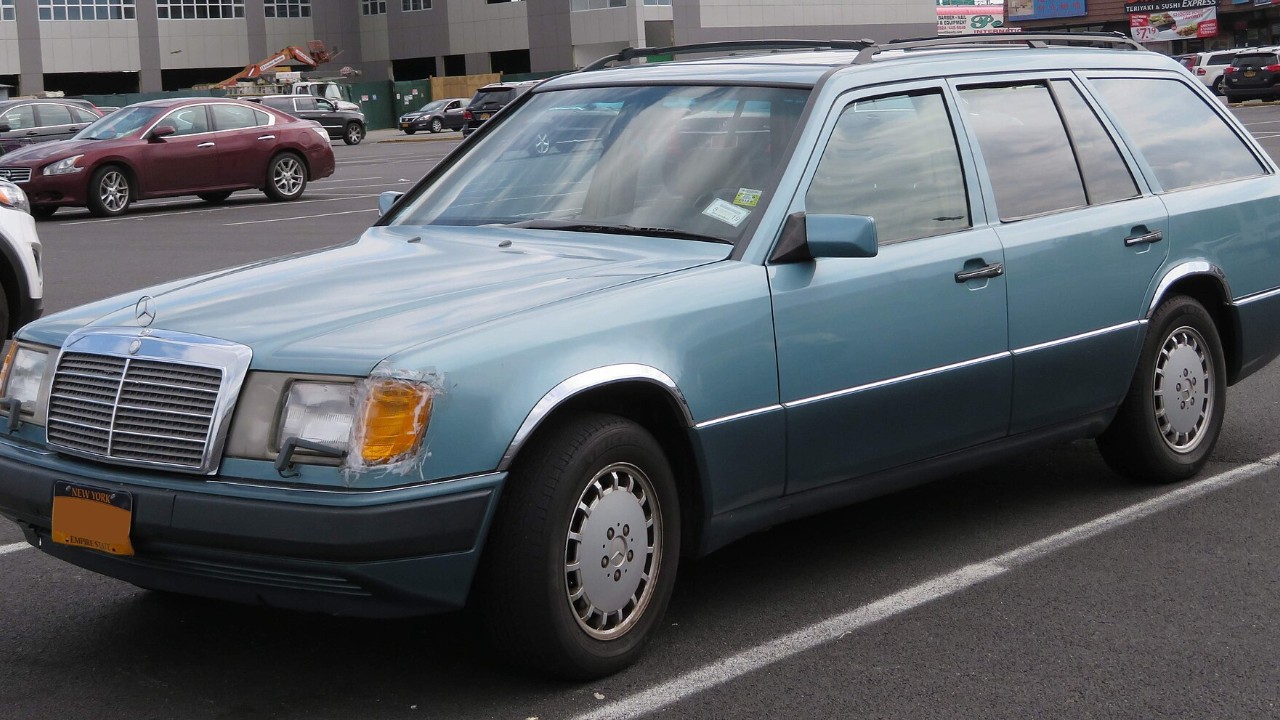
The W124 was designed to withstand German taxi use from the start. As a result, it is not unusual for one to keep running for many hundreds of thousands of miles. The 1991 300 TE used the M103, a single-cam 12-valve 3.0-liter inline-six, which stayed in rear-drive 300 TEs through 1991.
Here is the surprise, though. Mercedes built more than 2.5 million W124s. However, only 340,503 of them were wagons, and only 41,775 of those were rear-drive 300 TEs with the 3.0-liter six. Those figures come from Curbside Classic’s 300 TE capsule.
We think the 300 TE is the best all-rounder here. It is quick enough for modern traffic, roomy and built like a bank vault. For more long-roof heroes, see our list of station wagons that were built to outlast everything else. Before you buy, pay a Mercedes specialist to inspect it, because a well-sorted car costs far less than a neglected one.
7. 2006–2008 Dodge Magnum SRT8
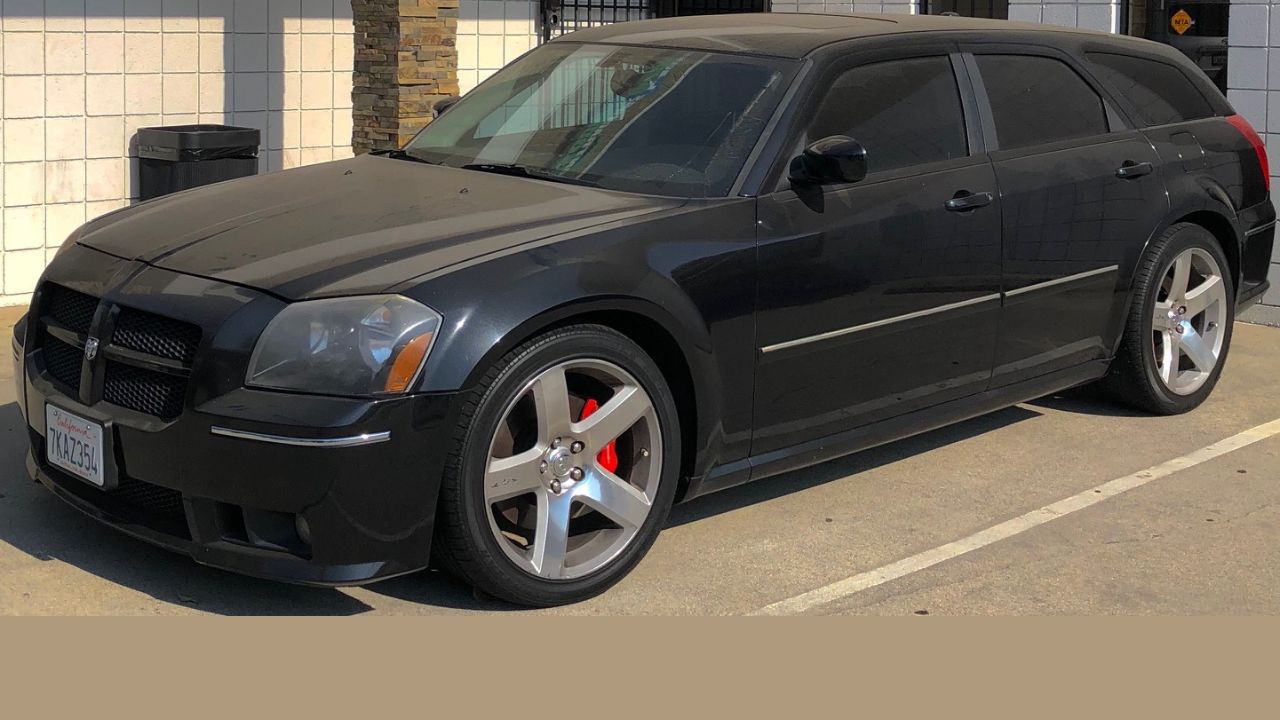
Dodge revealed the Magnum SRT8 at the 2005 Los Angeles Auto Show, and it went on sale as a 2006 model. Its 6.1-liter Hemi V8 made 425 hp and 420 lb-ft, according to Auto123’s preview. Motor Trend timed one from 0 to 60 mph in 5.1 seconds.
The Magnum also shared Chrysler’s rear-drive LX platform with the 300 and Charger. Dodge built it at Brampton, near Toronto. Sales started strong, at 40,095 Magnums for 2006, but they fell quickly after that. Then Chrysler announced the end in November 2007.
Our take: the SRT8 refuses to become obsolete because nothing replaced it. It is a muscle car with a tailgate, and in our view nothing since has matched it. For more surprises, read our list of station wagons that were faster than anyone admitted. Magnum production ended on September 28, 2008.
More from Fast Lane Only