The automotive industry has seen its fair share of upheaval, but few chapters are as intriguing as the brief radical power shift at Chevrolet. This transformative period redefined Chevrolet’s approach to performance, design, and market positioning, leaving a lasting impression on both the brand and its consumers.
Historical Context of Chevrolet’s Radical Shift
Chevrolet has long been a prominent player in the automotive industry, known for its blend of performance, value, and innovation. Founded in 1911, the brand quickly established itself as a leader with iconic models like the Bel Air and the Corvette. However, by the early 2010s, Chevrolet faced significant challenges. Increased competition from both domestic rivals like Ford and international brands like Toyota and Volkswagen put pressure on Chevrolet to evolve. Market demands were shifting, and consumers were increasingly interested in fuel efficiency and advanced technology over traditional horsepower.
The leadership changes at Chevrolet during this time were pivotal. In 2014, Mary Barra became the CEO of General Motors, marking a significant shift in the company’s culture and approach. Barra advocated for innovation and a renewed focus on customer needs, which set the stage for the radical changes that would soon follow. Under her guidance, Chevrolet began to explore new technologies and design philosophies, recognizing that to remain relevant, it needed to embrace the future of the automotive landscape.
Innovative Technologies and Performance Enhancements
During this transformative period, Chevrolet introduced groundbreaking technologies that shifted the focus of its performance lineup. The launch of the 2016 Chevrolet Volt, a plug-in hybrid, showcased the brand’s commitment to electrification. This vehicle combined an electric motor with a gasoline engine, allowing for extended range and impressive fuel efficiency. It signaled a departure from traditional combustion engines, reflecting broader trends in the industry towards sustainability.
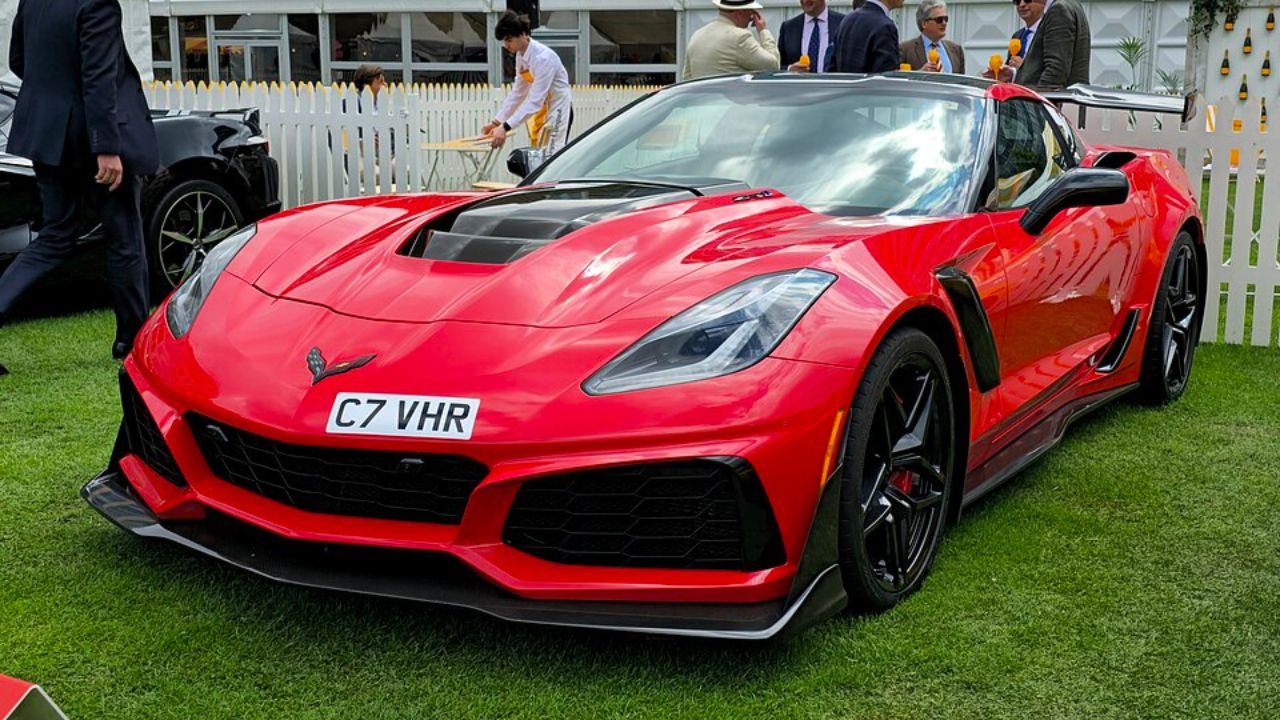
Performance vehicles also saw significant enhancements. The 2019 Chevrolet Corvette Stingray, with its mid-engine layout, represented a radical departure from previous models. This design not only improved handling but also showcased Chevrolet’s willingness to innovate within its performance lineup. The Camaro, too, adapted to the changing landscape by incorporating advanced manufacturing techniques and technology, resulting in a vehicle that was not only powerful but also efficient. These advancements illustrated how Chevrolet was reimagining its approach to performance, appealing to a new generation of car enthusiasts.
Cultural and Market Impact
Chevrolet’s radical changes resonated deeply with consumers and car enthusiasts alike. As the brand began to embrace electrification and advanced performance, it redefined its identity in the marketplace. Marketing strategies evolved to highlight these innovations. Campaigns for the Chevrolet Bolt EV, for instance, emphasized its electric range and environmental benefits, appealing to a growing demographic of eco-conscious drivers. Social media played a crucial role in this transformation, as Chevrolet actively engaged with consumers through platforms like Instagram and Twitter, showcasing new models and innovations in real-time.
Community engagement also flourished during this period. Chevrolet leveraged events like the annual SEMA Show to connect with car enthusiasts, showcasing modified versions of their vehicles and fostering a sense of community around the brand. This strategy not only bolstered loyalty among existing customers but also attracted new fans who were excited about the brand’s innovative direction. The shift marked a significant cultural moment for Chevrolet, as it began to shed its image as a traditional automaker and embraced a more modern, dynamic identity.
Challenges and Backlash
Despite the excitement surrounding Chevrolet’s radical changes, the brand faced resistance from traditionalists within the automotive community. Many long-time fans were skeptical of the shift towards electrification, fearing that it might dilute the brand’s performance legacy. Critics voiced concerns about the sustainability of these changes, questioning whether Chevrolet could maintain its reputation as a performance leader while transitioning to hybrid and electric powertrains. This tension was particularly evident among enthusiasts who cherished the raw power of classic models like the Camaro and Corvette.
Specific models also faced backlash. The 2019 Chevrolet Spark, for example, struggled to resonate with consumers who were increasingly drawn to larger SUVs and crossovers. This disconnect highlighted the difficulty Chevrolet faced in balancing its traditional offerings with the need for innovation. Some consumers felt that the brand was losing its focus on performance in favor of technology-driven models, leading to a perception that Chevrolet was compromising its roots. Nevertheless, these challenges provided valuable lessons for the brand as it navigated this transformative period.
The Legacy of Chevrolet’s Brief Radical Power Chapter
The long-term effects of this radical power chapter at Chevrolet are evident in the brand’s current identity and market strategy. The innovations introduced during this period laid the groundwork for future developments, such as the forthcoming all-electric Chevrolet Silverado, set to debut in 2023. By embracing electrification and advanced technologies, Chevrolet has not only positioned itself as a leader in the evolving automotive landscape but has also demonstrated a commitment to sustainability.
The lessons learned from this transformative chapter continue to influence Chevrolet’s practices today. The brand has adopted a more customer-centric approach, emphasizing the importance of understanding consumer preferences and trends. This adaptability is crucial in an industry that is rapidly changing, and Chevrolet’s willingness to innovate has set it apart from competitors. Looking ahead, I predict that Chevrolet will continue to navigate the challenges of the automotive market with a focus on sustainability, performance, and consumer engagement, ensuring that it remains a relevant and respected name in the industry.
More from Fast Lane Only
- Unboxing the WWII Jeep in a Crate
- 15 rare Chevys collectors are quietly buying
- 10 underrated V8s still worth hunting down
- Police notice this before you even roll window down
*Research for this article included AI assistance, with all final content reviewed by human editors.