The 1970s were supposed to be the decade that killed the muscle car, yet some of the most intriguing Camaro variants slipped quietly through showrooms while buyers chased big badges and easy insurance quotes. Hidden in the sales charts and option sheets were trims that balanced style, performance, and price in ways collectors now prize, even though period shoppers largely walked past them. I want to look at those overlooked versions, and how changing regulations, fuel fears, and shifting tastes helped bury some of the most interesting Camaros of their era.
The six‑cylinder and base V‑8 cars buyers treated as disposable
When enthusiasts talk about early second‑generation Camaros, the conversation usually jumps straight to Z/28s and SS models, but the real story of what buyers ignored starts at the bottom of the price sheet. The six‑cylinder 1970 Camaro carried a sticker of $2,749 and attracted exactly 12,578 buyers, a tiny slice of overall production. By contrast, the V‑8 Camaro Sport Coupe pulled in 112,323 customers, showing how decisively shoppers favored the cheapest path to eight cylinders over the genuinely economical six.
Those numbers help explain why so few people preserved the base trims. The six‑cylinder cars were treated as commuter appliances, and even the plain V‑8 Sport Coupe was often just a canvas for later modifications rather than a configuration worth saving in stock form. Period buyers were already feeling the first pinch of tightening emissions rules, as detailed in General Year Information for the 1970 Chevrolet Camaro The, yet they still prioritized displacement over balance. Today, collectors looking for unmolested survivors are discovering that the trims everyone once dismissed, especially the low‑option sixes, are far rarer than the high‑profile performance packages that dominated the brochures.
The 1970 1/2 Z/28 RS that hid in plain sight
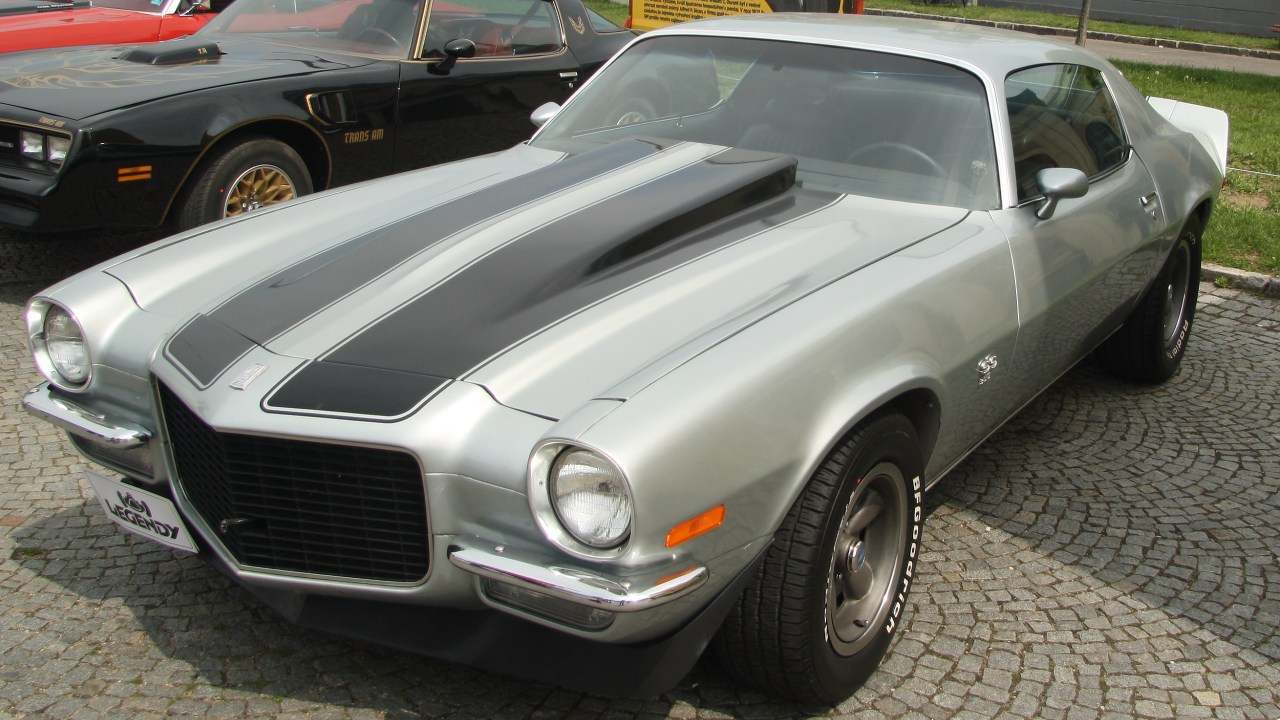
At the other end of the spectrum sat a car that was technically famous but practically scarce, the 1970 1/2 Camaro Z/28 with the Rally Sport package. On paper, this was the enthusiast’s dream: a second‑generation chassis tuned for handling, a high‑winding small‑block, and the distinctive split‑bumper RS front end that has since become an icon of the era. Yet production disruptions meant the 1969 model year ran long into late 1969, and the first 1970 second‑generation cars did not reach buyers until partway through the model year, a quirk documented in the 1970 Camaro’s General Year Information.
That delay compressed sales for the early second‑generation Z/28 and made the Z/28 RS combination especially elusive. A recent junkyard discovery of an ultra‑rare 1970 1/2 Camaro Z/28 RS, documented by Aug in a walk‑through of a parts‑strewn yard, underlines how few of these cars were built and how casually some were discarded despite their specification, as seen in the video titled ULTRA-RARE 1970 1/2 Camaro Z/28 RS sitting in Junkyard!. I see that as the purest example of a trim buyers overlooked in real time: a car engineered as a special performance package, launched into a market already distracted by insurance surcharges and looming fuel worries, then left to rot while lesser‑equipped cars survived simply because they were cheaper to insure and easier to live with.
The mid‑’70s “style over speed” packages buyers shrugged off
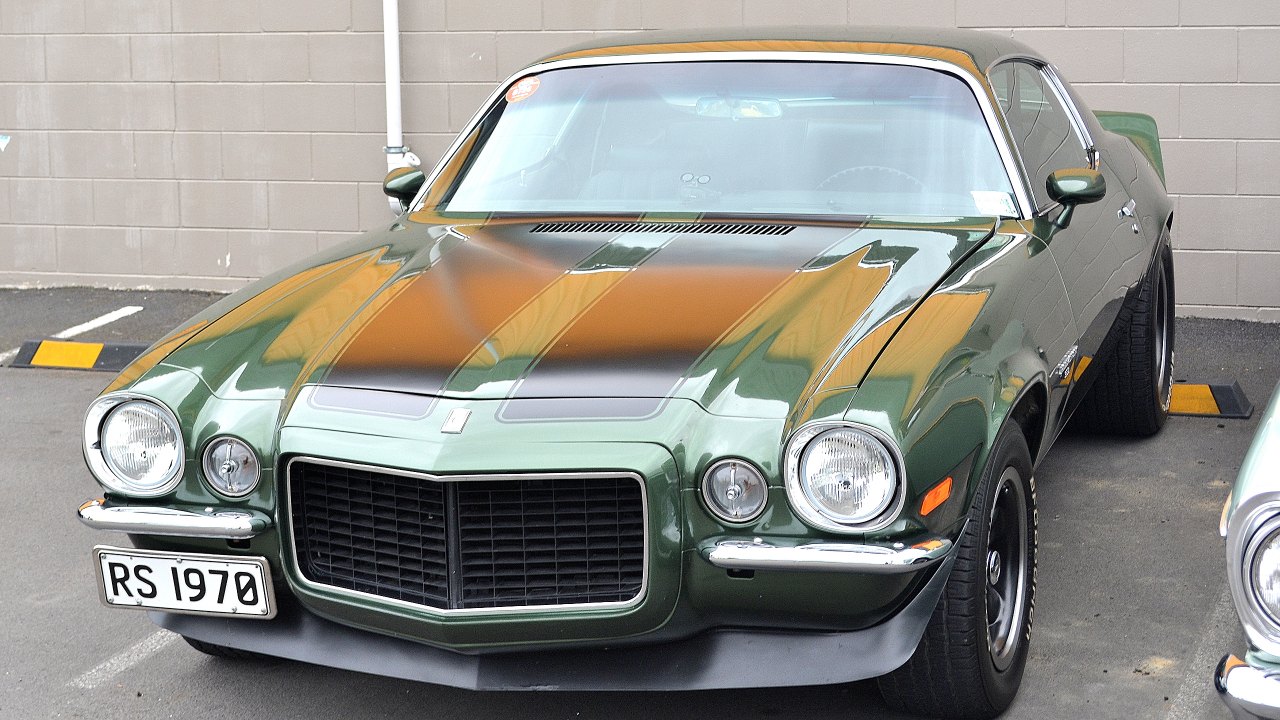
By the middle of the decade, the Camaro story shifted from raw performance to appearance and comfort, a pivot that confused buyers who still associated the nameplate with quarter‑mile bragging rights. Don, a commentator on the muscle and malaise transition, notes that by the mid‑70s horsepower ratings dropped dramatically and manufacturers compensated with flashy graphics and trim packages instead of big power, a pattern he describes in Don. Camaro followed that script, layering stripes, spoilers, and special interiors onto increasingly constrained drivetrains as emission controls and fuel economy concerns tightened their grip.
Those appearance‑heavy trims were often dismissed as “all show, not much go,” especially as Soon, emission controls and the oil embargos limited demand for true performance cars and signaled that the classic muscle car era was on its way out, a shift captured in Soon. In period, buyers either chased the last vestiges of big‑block performance or retreated to practical compacts, leaving mid‑range Camaro trims with dress‑up kits and modest engines in a no‑man’s‑land. I see those cars now as the bridge between the muscle era and the later performance renaissance, and their relative scarcity in today’s classifieds reflects how few people thought they were worth preserving when they were new.
The late‑’70s sales hits that collectors once ignored
Ironically, some of the most overlooked trims of the 1970s were also the ones that sold best. By the late part of the decade, the Camaro had evolved into a volume seller that leaned heavily on personal‑luxury cues and bold colors, culminating in the 1979 model that became the best‑selling Camaro of the second generation. A detailed look at that year’s car notes how even unflattering hues, including what one observer jokingly called “oops, we cleared the primer” beige, were replicated by enthusiasts who now appreciate the period correctness of those choices, a point that surfaces in a discussion where a user identified as nlpnt, Posted September 4 at 5:51 AM, reflects on duplicating that exact shade.
In their own time, those beige, brown, and earth‑tone Camaros were everywhere, which is precisely why few people bothered to save them. Buyers gravitated toward brighter colors and high‑profile stripes, and when the cars aged, the more subdued trims were first in line for repainting, modification, or the crusher. Yet as later analysis of second‑generation survivors has pointed out, collectors now talk enthusiastically about early 1970s and late 1970s production years that balance style and scarcity, especially the cars that slipped through emissions and safety crackdowns with distinctive looks but modest power, a trend highlighted in coverage of the Camaro production years collectors can’t stop talking about. I find it telling that the trims once mocked for their colors or tape stripes are now the ones restorers chase to recreate the full, sometimes awkward, personality of the late‑’70s market.
How the malaise era reshaped what “overlooked” means
To understand why certain Camaro trims were ignored in the 1970s, it helps to zoom out to the broader malaise‑era context. In the golden era of the 1960s and early 1970s, American muscle cars were all about raw power and style, but by the mid‑1970s the dream came crashing down under the weight of emissions rules, fuel crises, and insurance costs, a narrative captured in a survey of malaise‑era design that opens with the phrase In the golden era and contrasts it with what followed. Camaro did not escape that arc. As Soon, emission controls and the oil embargos limited demand for true performance cars, the brand had to pivot from quarter‑mile times to styling, comfort, and image, which left some trims stranded between old expectations and new realities.
That tension is visible in how later commentators reassess malaise‑era cars. A feature on cool but underrated designs singles out the 1980 Chevrolet Camaro Z/28 as a turning icon of the era, noting how its proportions and graphics still stand out even if its performance numbers lag behind earlier legends, and credits the photo to Chevrolet Camaro, with an Image Credit to Mustang Joe under a Creative Commons Zero Public Domain Dedication via Wiki Commons. That kind of retrospective praise reframes what “overlooked” means: trims that once seemed compromised now read as authentic artifacts of a turbulent decade, and their survival rates, or lack of them, are part of their appeal.
From forgotten trims to collector darlings
Looking back from today’s vantage point, it is clear that the trims buyers overlooked in the 1970s laid the groundwork for how the Camaro would evolve. A modern overview of Chevrolet Camaro Evolution, subtitled From Muscle Legend to Modern Performance Powerhouse, traces The Birth of an Icon in the first generation and follows the car through its reinventions as regulations and consumer tastes shifted, showing how each era, including the constrained 1970s, contributed to the model’s long‑term identity, a throughline explored in Chevrolet Camaro Evolution. The six‑cylinder commuters, the short‑run 1970 1/2 Z/28 RS, the mid‑decade appearance packages, and the late‑’70s sales leaders all represent different answers to the same question: how do you keep a performance nameplate relevant when the world around it is changing.
Collectors are now voting with their wallets and restoration hours, and their choices suggest that what was once ordinary has become extraordinary simply because so little of it survived intact. Early second‑generation survivors that balance style and scarcity, especially from the early 1970s as emissions and safety rules tightened, are now the production years enthusiasts cannot stop talking about, a pattern underscored in the analysis of Later production years. I see the overlooked trims of the 1970s not as footnotes, but as the connective tissue between the Camaro’s muscle‑car birth and its modern performance‑car status, and the renewed attention they are getting suggests that the market finally agrees.
More from Fast Lane Only: