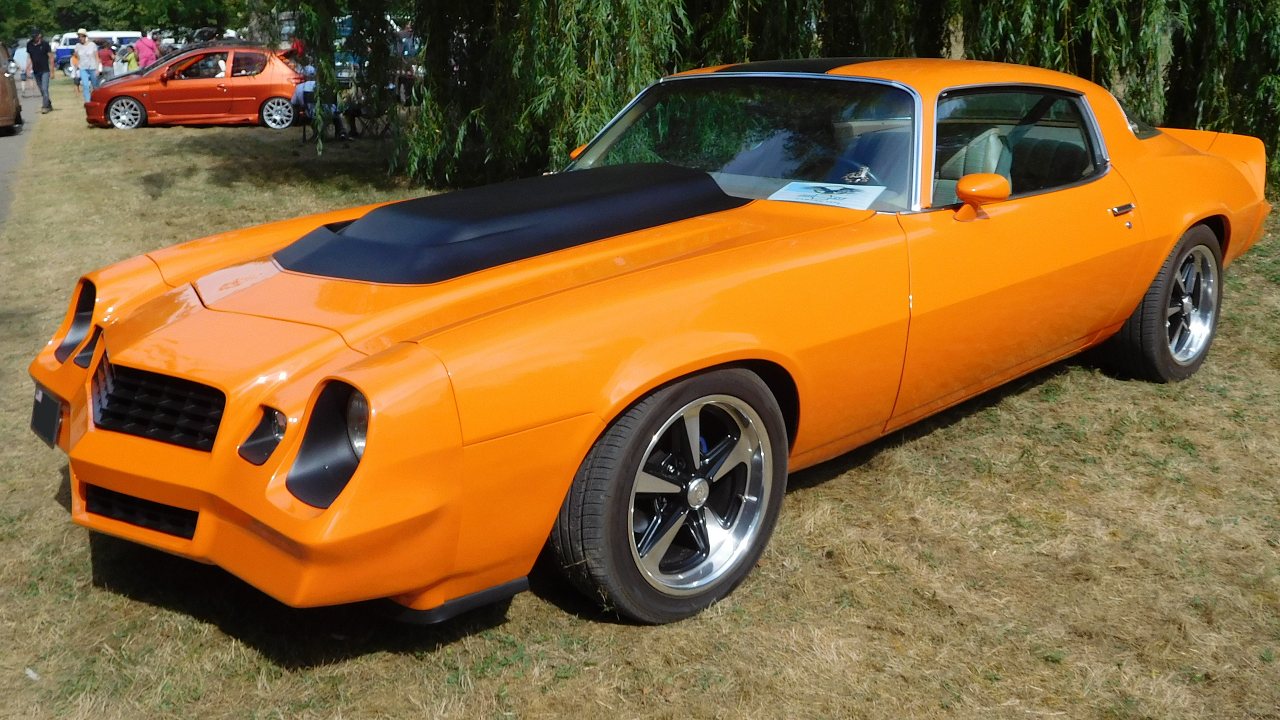
The 1979 Camaro arrived at a moment when American performance cars were supposed to be fading, yet it quietly reset expectations for what a V8 coupe could be in a tougher regulatory era. Rather than chasing raw horsepower, Chevrolet used that model year to refine styling, handling, and identity in ways that would echo through the 1980s and beyond. The result was a car that bridged the gap between the muscle car past and a more modern, efficiency conscious future.
Seen from today, the 1979 Camaro looks less like a stopgap and more like a pivot point, where record sales, a sharpened Z28 package, and a broadened engine lineup showed how a classic nameplate could adapt without losing its core appeal. It set patterns in design, marketing, and performance strategy that later generations of Camaro, and rival pony cars, would follow.
The year Camaro went mainstream without going soft
By 1979, the Camaro was no longer a niche enthusiast coupe, it was a volume car that had to satisfy commuters, style seekers, and performance fans at the same time. That year, Chevy managed to turn this balancing act into a commercial high point, selling more Camaros than in any other model year before or since. The fact that this peak came in the wake of fuel crises and tightening emissions rules showed that the formula had evolved beyond simple straight line speed.
That same year was also the high watermark for the Z28 badge, with Z28 sales reaching 84,000 and change, a figure that underlined how deeply performance branding had penetrated the mainstream. Instead of being a low volume special, the Z28 became the face of the lineup, a signal that buyers still wanted a car that looked and felt quick even if the era’s regulations limited outright power. That mass appeal, built on image as much as numbers, would become a template for later performance trims across the industry.
A restrained redesign that aged into a template
On paper, the 1979 Camaro did not introduce a clean sheet body, yet the visual and packaging tweaks it carried helped lock in the second generation’s mature look. There were relatively few mechanical changes, but the car benefited from a revised interior and detail updates that made it feel more contemporary without abandoning the long hood, short deck proportions that defined the model. According to period data, There were few changes to the 1979 Camaro, which underscores how much of its impact came from careful evolution rather than radical reinvention.
That evolutionary approach extended to the engine lineup, where the Engine choices remained familiar but strategically arranged. The 250 I6 was standard in the base and RS models, giving Chevrolet a more economical entry point while reserving V8 options for buyers who prioritized performance. That mix of accessible six cylinder power and aspirational V8s foreshadowed how later generations would use smaller engines and high output variants to cover a wide spectrum of customers without fragmenting the brand.
The Z28 as a bridge from muscle to modern performance
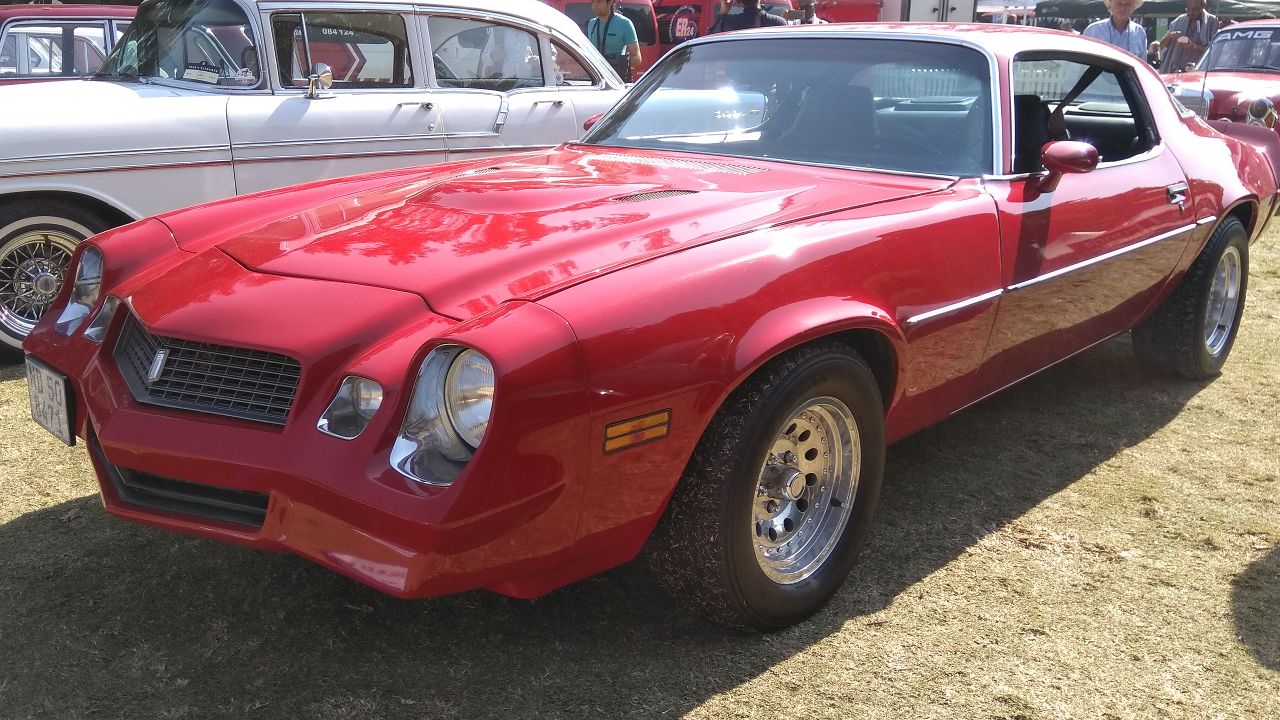
If the broader Camaro range showed how a pony car could go mainstream, the 1979 Z28 demonstrated how performance itself was being redefined. The Z28 badges returned as a clear performance declaration, but the package was about more than engine output. Chevrolet’s goal was simple, to keep the V8 spirit alive by focusing on chassis tuning, with upgraded suspension components and wider Goodyear radials that made the car feel more planted in real world driving. In effect, the Z28 shifted emphasis from quarter mile bragging rights to a more rounded performance experience that better matched the era’s roads and regulations.
Visually, the Z28 leaned into boldness as a way to signal its intent even before the driver turned the key. Prominent side stripes, color keyed wheels, and aggressive graphics made the car recognizable from a block away, turning the Z28 into a rolling billboard for attainable performance. Contemporary analysis notes that the Z28 was a statement car, one that carried the V8 torch into the 1980s by combining visual drama with a more sophisticated handling package. That combination of show and substance would become a defining trait of later performance trims, from third generation IROC Z models to modern track focused variants.
Engineering priorities that anticipated the 1980s
Underneath the styling, the 1979 Camaro reflected a shift in engineering priorities that would shape American performance cars for years. With emissions and fuel economy constraints limiting easy horsepower gains, Chevrolet invested in suspension tuning, tire technology, and weight distribution to extract more capability from the existing platform. The Z28’s wider Goodyear radials and revised suspension geometry were not headline grabbing on their own, but together they delivered a car that felt more responsive and composed than earlier versions built purely around straight line thrust.
This focus on handling over raw power anticipated the direction of the 1980s, when lighter, more agile performance cars would gain favor. The 1979 Z28 in particular is often cited as a turning point, a model that showed how a traditional V8 coupe could adapt to a world where cornering grip and braking mattered as much as acceleration. By proving that a Camaro could be judged on how it tackled a winding road rather than just a drag strip, Chevrolet helped reset expectations for what an American performance car should deliver in daily use.
Legacy, collectability, and the long shadow of 1979
Decades later, the 1979 Camaro’s influence is visible not only in design cues and performance strategies, but also in how enthusiasts value the car. Modern market analysis describes the 1979 Z28 as a turning point in one of America’s toughest automotive decades, a model that preserved the V8 experience while adapting to new realities. That context has helped lift its status among collectors, who increasingly see it as more than a stopgap between the late 1960s muscle era and the fuel injected cars that followed.
Today, the 1979 Z28 stands out as a relatively attainable classic that still carries significant historical weight. Its combination of bold graphics, recognizable silhouette, and period correct performance makes it a time capsule of late 1970s automotive culture, while its role in sustaining Camaro sales and performance credibility gives it a deeper narrative than many contemporaries. By keeping the Camaro nameplate relevant at a moment when performance coupes could easily have faded, the 1979 model year helped ensure that future generations would have a foundation to build on, from third generation aero shapes to modern reinterpretations of the pony car formula.
More from Fast Lane Only: