Few engines in automotive history have earned the reputation for durability and versatility like Chevrolet’s small-block V8. Introduced in the 1950s, it survived changing technology, evolving regulations, and shifting customer demands. Decades after its debut, the engine continued powering cars, trucks, race vehicles, and custom builds, proving that great engineering can remain relevant long after its introduction.
A Simple Design Created a Lasting Foundation
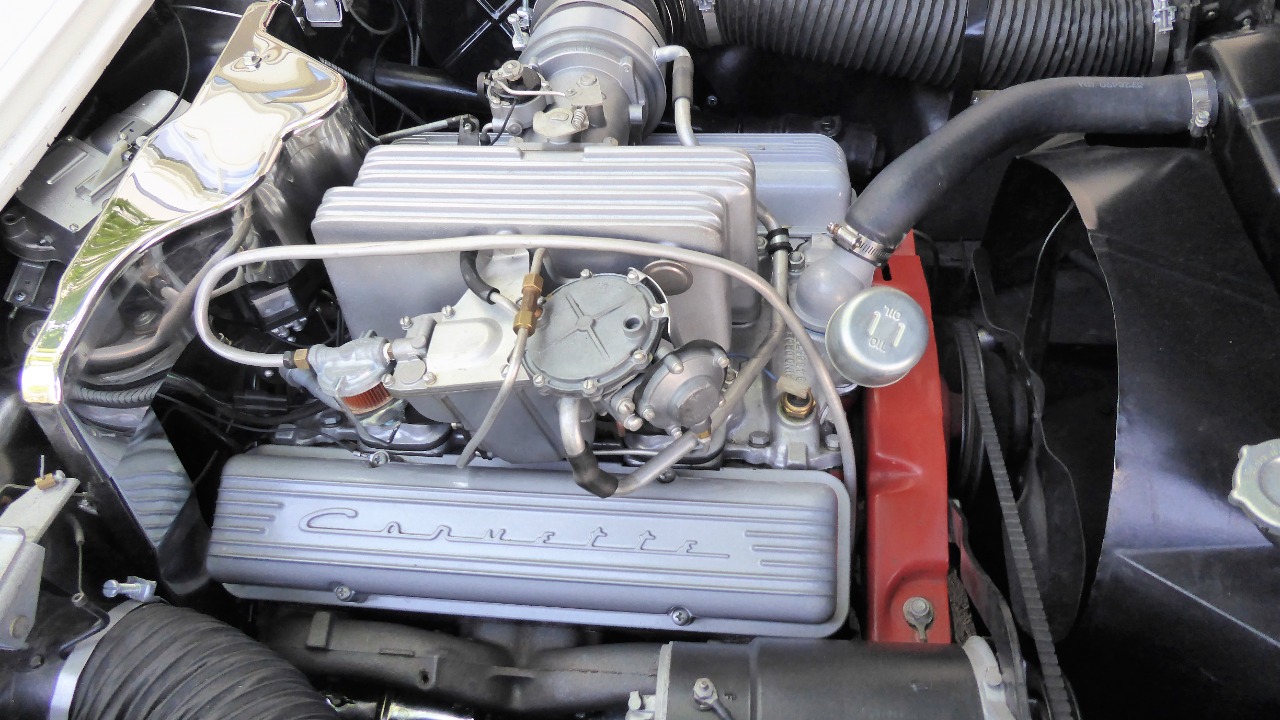
When Chevrolet introduced the small-block V8 in 1955, the company was taking a major step toward the future of performance. Engineers created an engine that was compact, lightweight, and efficient while still providing impressive power compared with older designs.
The original 265 cubic-inch V8 featured an innovative design that allowed it to fit into a wide range of vehicles. Its overhead valve layout, compact dimensions, and strong construction gave Chevrolet a flexible platform that could be improved over time.
Unlike engines designed for only one purpose, the small-block could serve family cars, sports cars, and trucks. This adaptability became one of its greatest strengths.
Chevrolet did not simply create a powerful engine—it created an architecture that could evolve for generations.
Endless Development Kept It Competitive
One reason the small-block V8 lasted so long was Chevrolet’s ability to continuously improve it. Engineers increased displacement, refined cylinder heads, improved fuel delivery systems, and developed new performance versions without abandoning the original design principles.
The engine appeared in legendary vehicles such as the Corvette, Camaro, Chevelle, Nova, and countless Chevrolet trucks. Each application showed the engine’s ability to adapt to different needs.
Performance enthusiasts also embraced the small-block because it responded well to modifications. Racers and builders discovered that they could create powerful combinations using widely available parts.
Its simplicity made it easy to understand, while its potential allowed experts to push its limits.
This combination helped the small-block remain popular among both everyday drivers and serious performance enthusiasts.
Racing Proved Its Strength
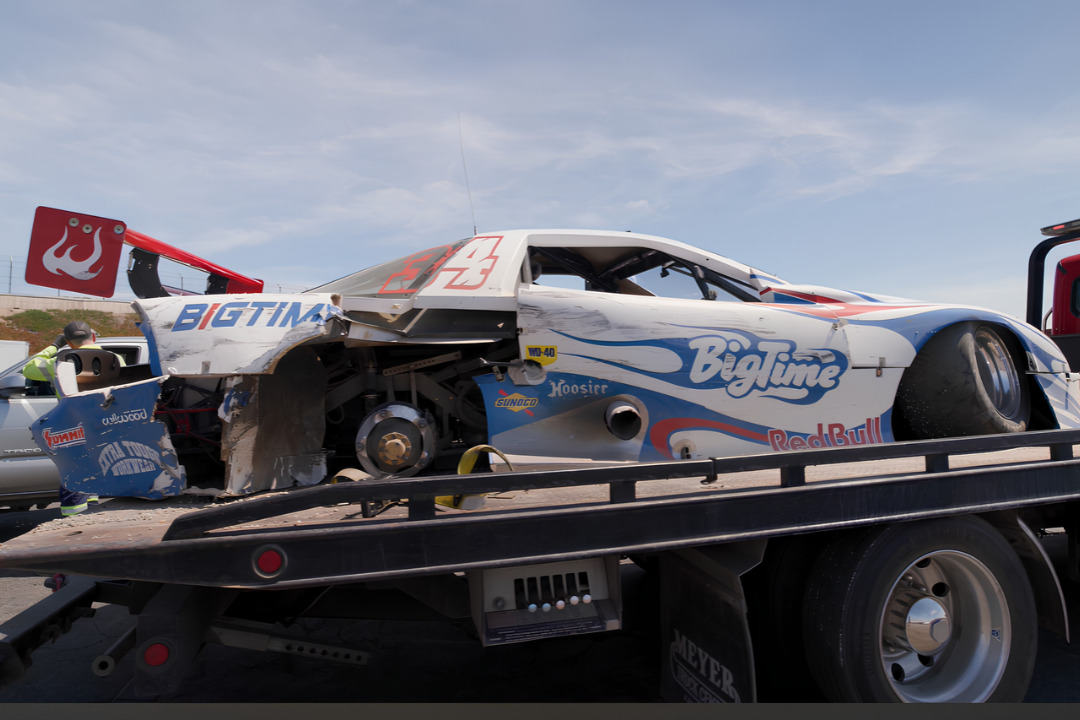
The Chevrolet small-block V8 became a dominant force in motorsports, where reliability and performance were essential. From drag racing to road racing, the engine demonstrated that it could handle extreme conditions while delivering competitive power.
Racing success helped strengthen Chevrolet’s performance image and encouraged engineers to continue refining the platform. Lessons learned from competition often influenced improvements in production engines.
The small-block’s reputation grew because it consistently performed when pushed to its limits. Whether installed in a weekend race car or a daily-driven vehicle, it earned trust through proven results.
Its success on the track helped turn the engine into a cultural icon.
A Legacy That Continues Today
The Chevrolet small-block V8 has survived because it represents a rare combination of durability, affordability, and performance. Few engines have remained relevant across so many decades while serving such a wide variety of vehicles.
Even as automotive technology continues changing, the principles behind the small-block remain respected. Modern Chevrolet performance engines continue carrying the same philosophy of compact design, strong power, and engineering flexibility.
Collectors, racers, and enthusiasts still value the engine because it represents one of Chevrolet’s greatest achievements.
The Chevrolet engine that refused to die succeeded because it was never limited to one era or one type of vehicle. It adapted, improved, and continued proving itself for generations, making it one of the most enduring engines ever created.
More from Fast Lane Only
- Unboxing the WWII Jeep in a Crate
- 15 rare Chevys collectors are quietly buying
- 10 underrated V8s still worth hunting down
- Police notice this before you even roll window down
*Research for this article included AI assistance, with all final content reviewed by human editors