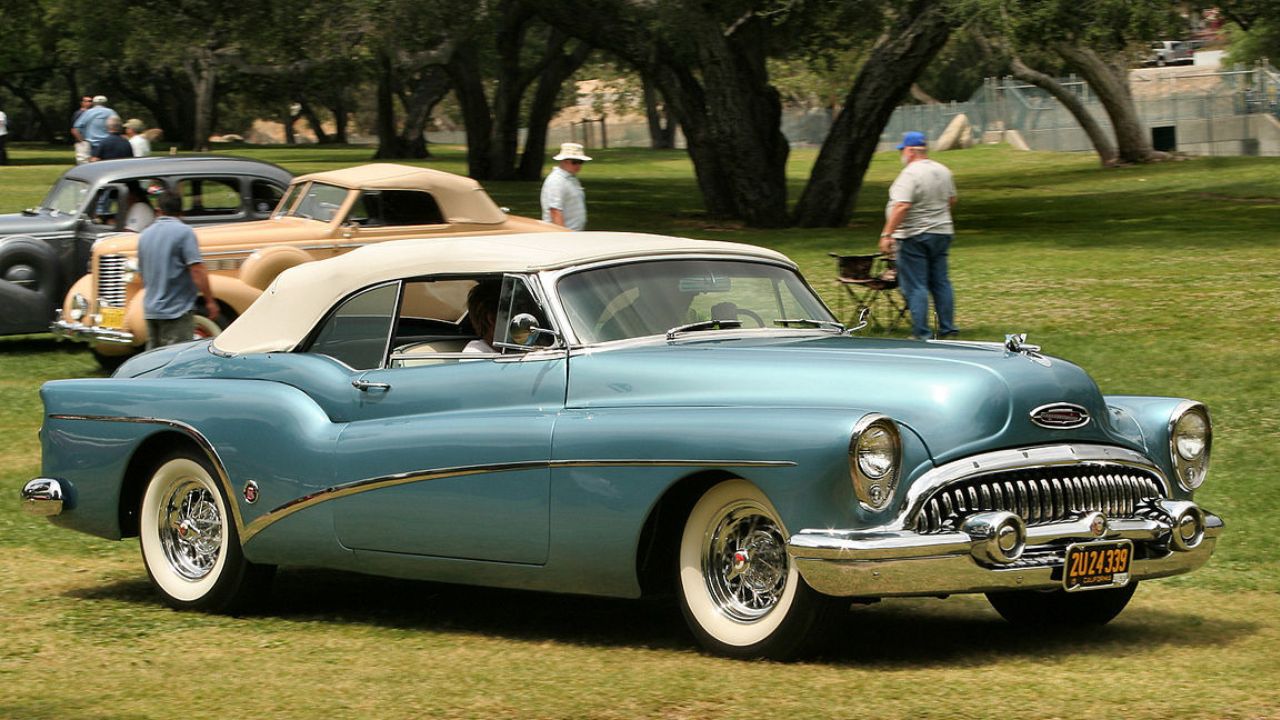
In 1953, Buick turned 50 and celebrated with the Buick Roadmaster Skylark, a convertible that cost slightly more than $5,000. That was roughly 50% more than the regular Roadmaster convertible it was based on. Buick built only 1,690, and few birthday presents have aged better.
That car sums up a certain kind of Buick. For decades, the brand sat one step below Cadillac and built big, smooth, well-trimmed cars. Today, though, many people remember them only for their portholes and chrome. Yet some of them were special from the day they left the showroom.
These seven are our picks for the Buicks we’d keep in the garage for good. The production figures, prices and engine ratings come from auction records, Buick’s published histories and period specifications. Which ones we’d never part with, however, is purely our opinion.
1. 1953 Buick Roadmaster Skylark
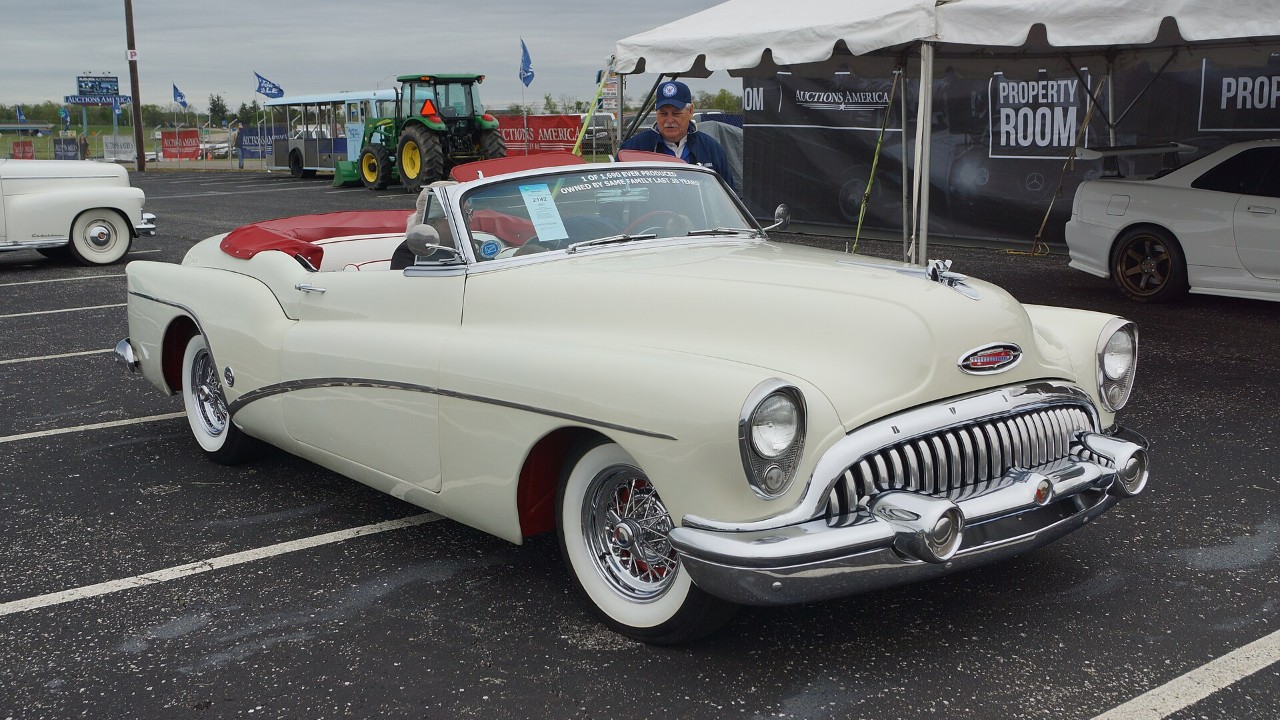
The Skylark was a factory custom. Buick cut the windshield almost three inches shorter than the regular convertible’s, which gave the car a low, chopped look straight from the showroom. Kelsey-Hayes supplied real wire wheels, chromed everywhere except a painted Skylark emblem in the centre. Under the hood sat Buick’s new Fireball V8, paired with a Dynaflow automatic.
RM Sotheby’s credits the design to Harley Earl and calls it his finest production convertible design. The cars also came well equipped. The one RM sold at Amelia Island in 2021 had power windows, power steering, a clock and a radio. According to RM Sotheby’s listing for that 1953 Skylark, it sold for $84,000. That car’s frame-off restoration around 1994 reportedly cost more than $250,000, which tells you how much work a proper one takes.
However, the Skylark didn’t last long. For 1954, Buick built only 836 Skylarks, priced at $4,843, and then dropped the model. In our view, the 1953 Buick Roadmaster Skylark is the one to keep forever. It was Buick’s birthday party on wheels, and it looks like a custom even though it came from the factory. We covered its arrival in more detail in Buick’s 1953 Skylark arrived like a celebration.
2. 1958 Buick Limited convertible
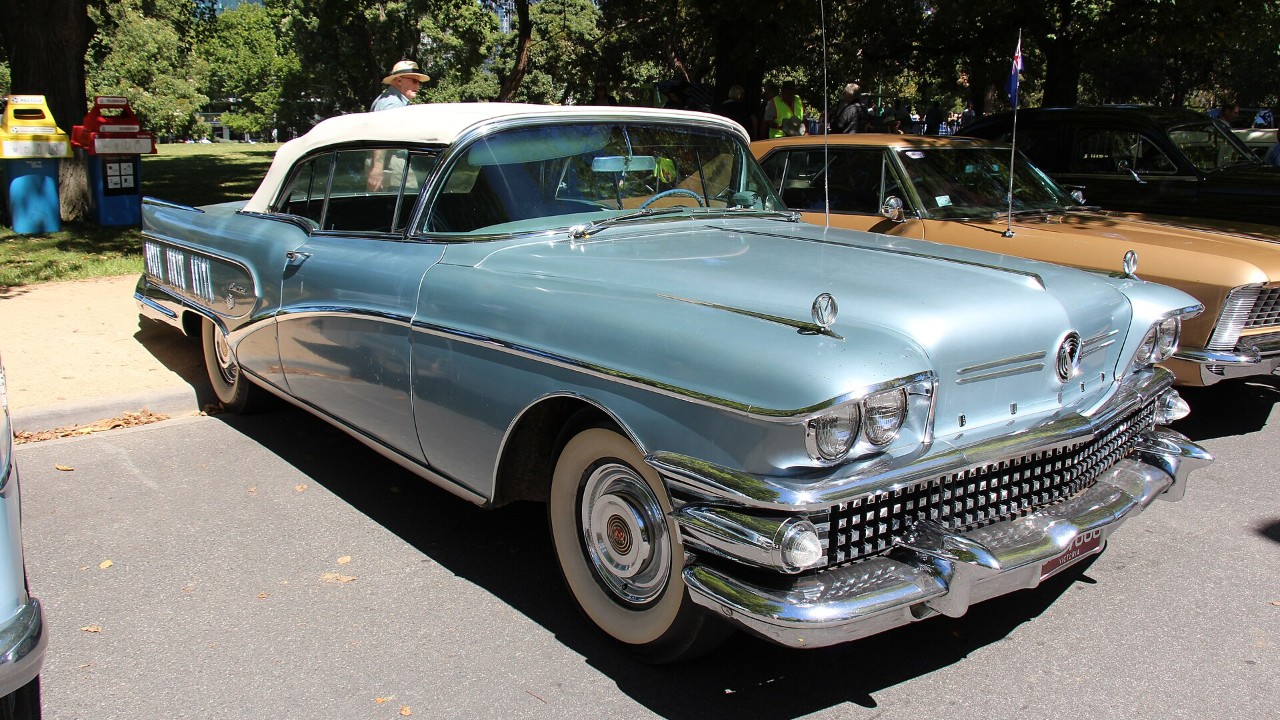
The Limited name came back for one year only in 1958, as a halo car for General Motors’ 50th anniversary. In short, it was a giant. The car measured 227.1 inches long on a 127.5-inch wheelbase. Its four-door hardtop started at $5,112, which was $221 more than a Cadillac Series 62 four-door hardtop.
The convertible is the one to have. According to RM Sotheby’s catalogue for a 1958 Limited convertible, Buick built just 839 of them. Power came from the 364-cubic-inch Nailhead V8 rated at 300 horsepower, through a Limited-only Flight Pitch Dynaflow. By comparison, Buick built 7,438 Limiteds across all body styles. That RM car wears Silver Mist, one of six new Lucite acrylic colours, over a silver leather interior.
Then there is the chrome. The Fashion-Aire Dynastar grille used 160 chrome squares, and Buick’s publicists said their shape helped them catch the light. On the rear fenders, fifteen slanted hash marks replaced a conventional side spear. Some call it excessive. Instead, we call it the most confident Buick of the decade. The RM car sold for $321,250 at the Hershey auction in 2026. That one result suggests the market agrees with us.
3. 1949 Buick Roadmaster Riviera hardtop
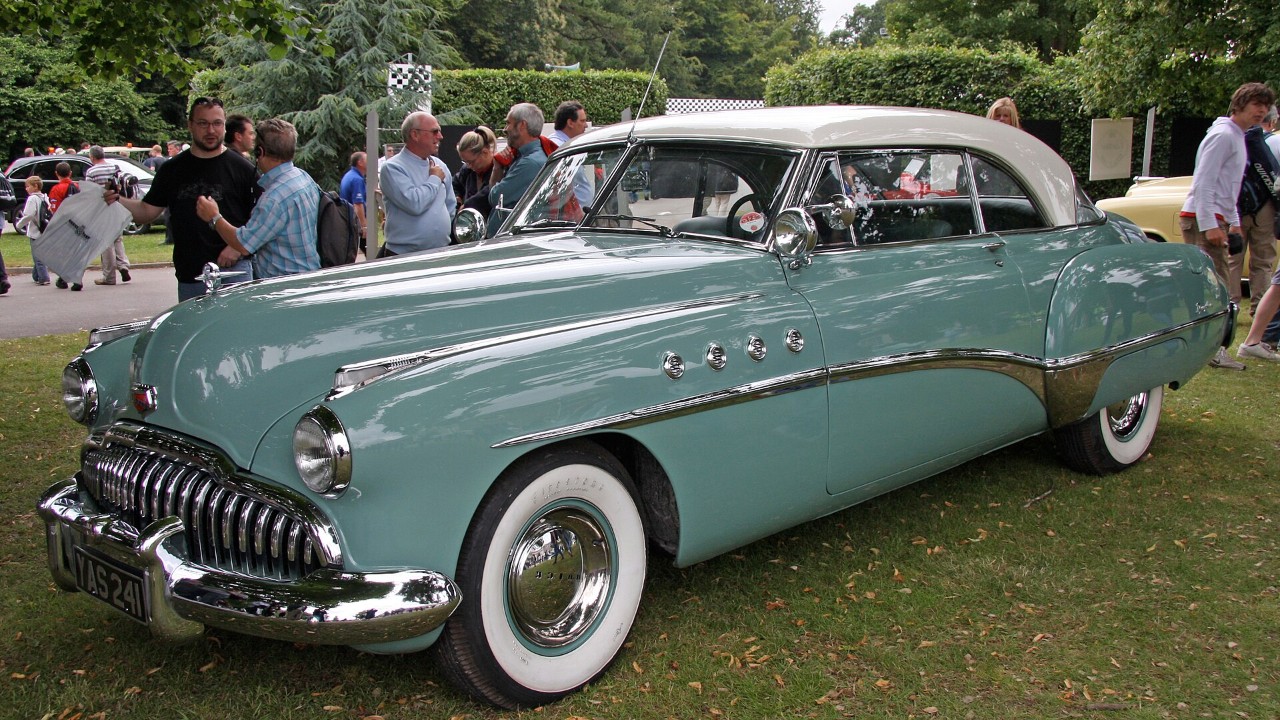
The Riviera joined the Roadmaster line partway through the 1949 model year. It was among the first hardtop coupes produced, with no fixed pillar between the side windows. As a result, buyers got the airy look of a convertible with the comfort of a steel roof. In its short first season, it found 4,314 buyers.
The rest of the car was just as new. Dynaflow automatic became standard on the Roadmaster for 1949, and the straight-eight’s output rose to 150 horsepower. Each front fender on the Roadmaster carried four VentiPorts. Those portholes became non-functional sometime during the model year. Even so, they became a Buick trademark for years. The story behind them is a good one, and we told it in how Buick’s 1949 VentiPorts began.
Our take: the 1949 Riviera is one of the most important body styles Detroit ever introduced. The pillarless hardtop spread across the industry in the following decade, and this car was there near the start. It also looks fantastic, with sweeping fenders and that famous toothy grille. We’d keep one for the history alone, and the 150-horsepower straight-eight with Dynaflow makes it a smooth, easy car to cruise. If you find one, check that the VentiPorts and brightwork are complete, because missing trim pieces can be hard to source.
4. 1959 Buick Electra 225 convertible
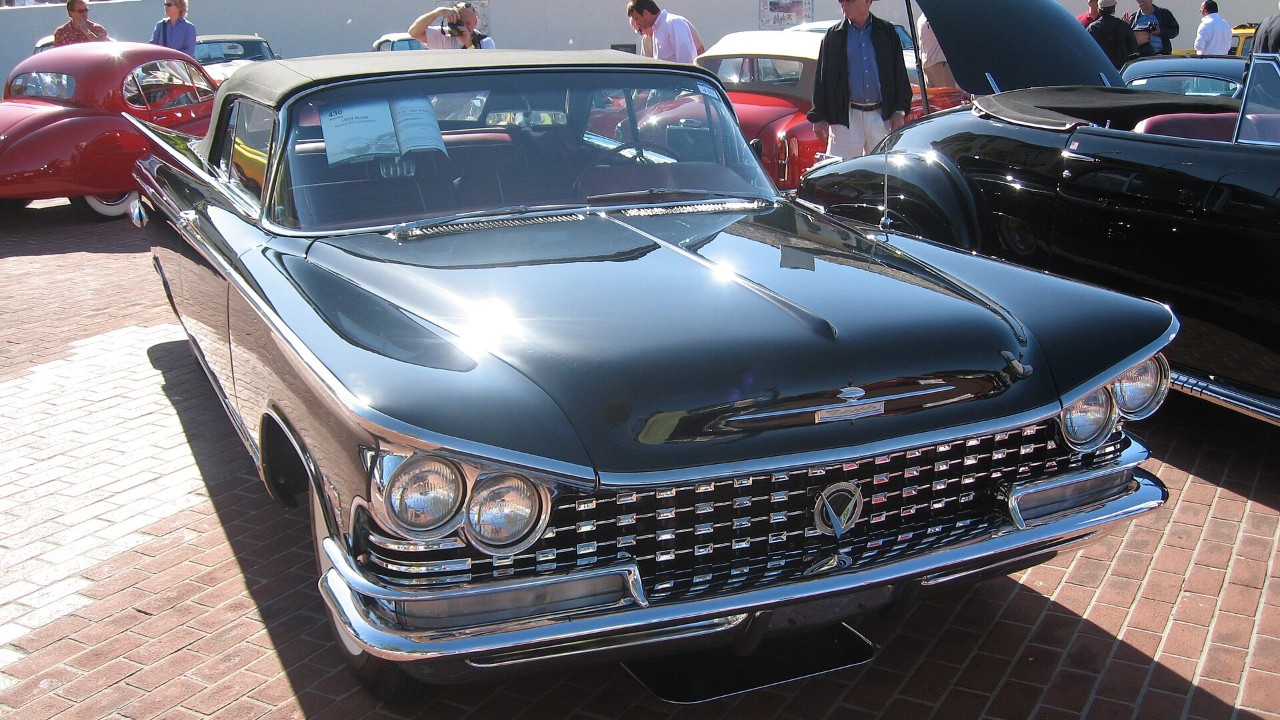
For 1959, Buick retired the Roadmaster name. Instead, the Electra and the Electra 225 took its place. The 225 referred to the car’s overall length of more than 225 inches. That number soon earned it a nickname on the street: the “deuce and a quarter.”
The convertible came only as an Electra 225, with leather trim inside. Its only engine was the 401-cubic-inch Wildcat V8, rated at 325 horsepower. Also, a two-speed Dynaflow automatic handled the shifting. Meanwhile, the 1959 styling was all new, with slanted headlights, a grille of chrome squares and sweeping Delta-Fins at the back. For a different view of the same car, see our story on how the 1959 Buick Electra 225 delivered luxury but not simplicity.
Why would we keep one? Because 1959 was a one-off moment. Buick threw out its traditional look and built something that looked like nothing before it. The slanted headlights give the front an angry squint, and the Delta-Fins stretch the tail even further. In our opinion, the convertible is the purest expression of that design. It is long, low and loud in all the right ways. A top-down drive in one feels like an event, even on a trip to the grocery store. That’s the kind of car you don’t sell once you have it.
5. 1941 Buick Roadmaster convertible
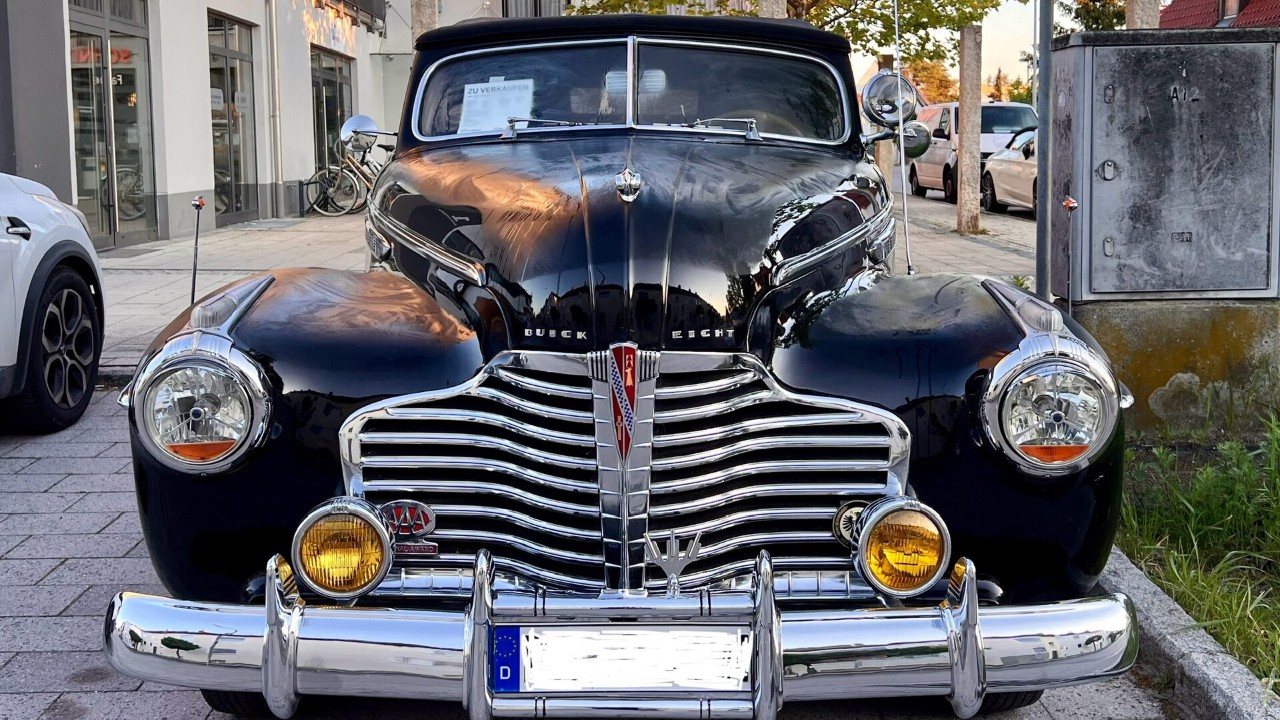
The 1941 Roadmaster convertible shows Buick at the top of its prewar game. That year, the straight-eight gained Compound Carburetion, a setup with twin two-barrel carburettors. In effect, it was a forerunner of the modern four-barrel. The result was a rating of 165 horsepower, a big number for 1941.
The two-door convertible was a new body style that year, and it sold 1,845 units. Buick also offered a Brunn-designed convertible priced at $3,500. However, no orders came in at that price. That tells you where the regular Roadmaster convertible sat. It was expensive and exclusive, but not so exclusive that nobody would buy it.
We’d never sell a 1941 Roadmaster convertible for a simple reason. It comes from Buick’s last full model year before America entered the war. The long hood, the flowing fenders and the folding top give it a grace that the heavier postwar cars lost. Compound Carburetion also makes it a strong performer for its age. If you buy one, though, budget for the twin-carburettor setup. It needs careful tuning to run the way Buick intended, so find a mechanic who knows prewar carburettors. Get that right, and you have one of the most capable open Buicks of its era.
6. 1966 Buick Wildcat convertible
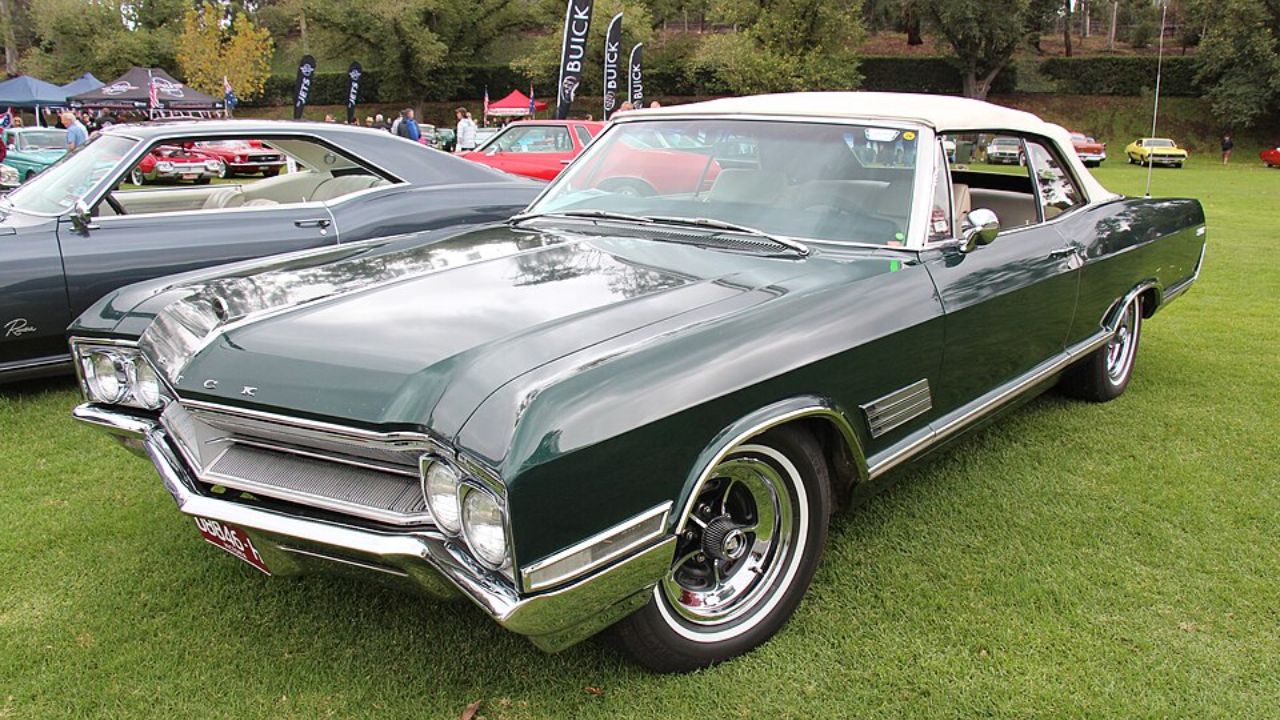
The Wildcat took its name from a series of 1950s Buick concept cars, and it ran from 1963 to 1970. In other words, it was Buick’s sporty full-size car. Through 1966, the standard engine was a 401-cubic-inch V8 rated at 325 horsepower. A 425-cubic-inch V8 was also available, with 340 horsepower on a single four-barrel or 360 with dual carburettors.
For 1966 only, buyers could order the Gran Sport Performance Group by ticking option A8/Y48. Buick built 1,244 Wildcat GS cars that year. Of those, just 242 were convertibles, and the rest were hardtops. That makes a Wildcat GS convertible a rare find among big Buicks.
Our take: the 1966 Wildcat convertible is the Buick for someone who wants a muscle car and a cruiser in one body. It has a soft top, a big V8 and, with the 425, a lot of torque. It also wears the clean, crisp lines of the mid-1960s GM full-size cars. If you find a genuine Gran Sport convertible, keep it. Similarly, if you find a regular Wildcat convertible, keep that too. Either way, ask for paperwork, because a Gran Sport claim should always be backed by documents.
7. 1961 Buick Special Skylark
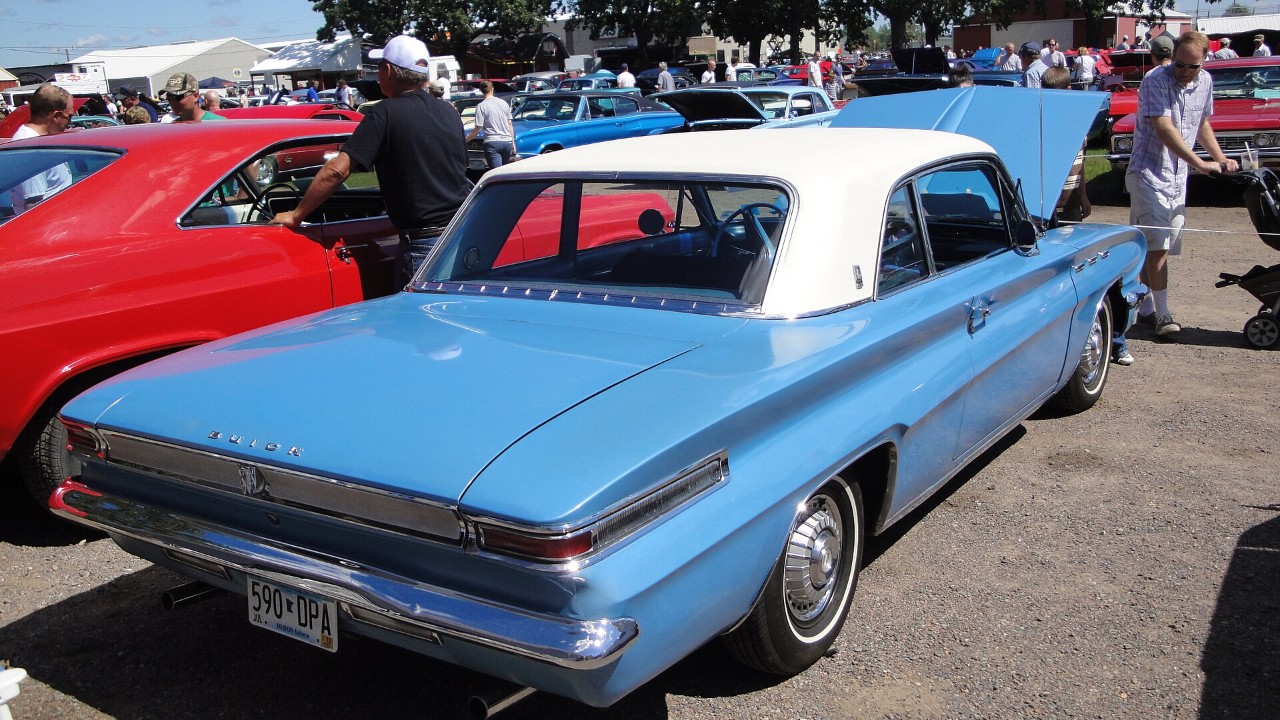
The Skylark name, first used on the 1953 Buick Roadmaster Skylark, returned for 1961 on the compact Buick Special. It was a sporty, upscale coupe with its own emblems, taillight housings, lower-body side mouldings and turbine wheel covers. In addition, a vinyl-covered roof came as part of the package. In a nod to the big Buicks, it also wore three VentiPorts on each fender.
Under the hood sat Buick’s 215-cubic-inch V8. For the Skylark, Buick added a four-barrel carburettor, which raised output from 155 horsepower to 185. Inside, buyers got an all-vinyl “Cordaveen” interior. The instruments were minimal, though: just a speedometer and a fuel gauge.
We’d never sell one because it is the first chapter of a long story. The Skylark name went on to carry Buick’s muscle cars in the late 1960s. This little coupe started that run, with a small V8 and a dressed-up cabin. In our opinion, it is also one of the most charming small American cars of the early 1960s. It is easy to park, easy to drive and unusual enough to start a conversation at any show. For 1962, Buick raised the Skylark’s output again, to 190 horsepower.
More from Fast Lane Only