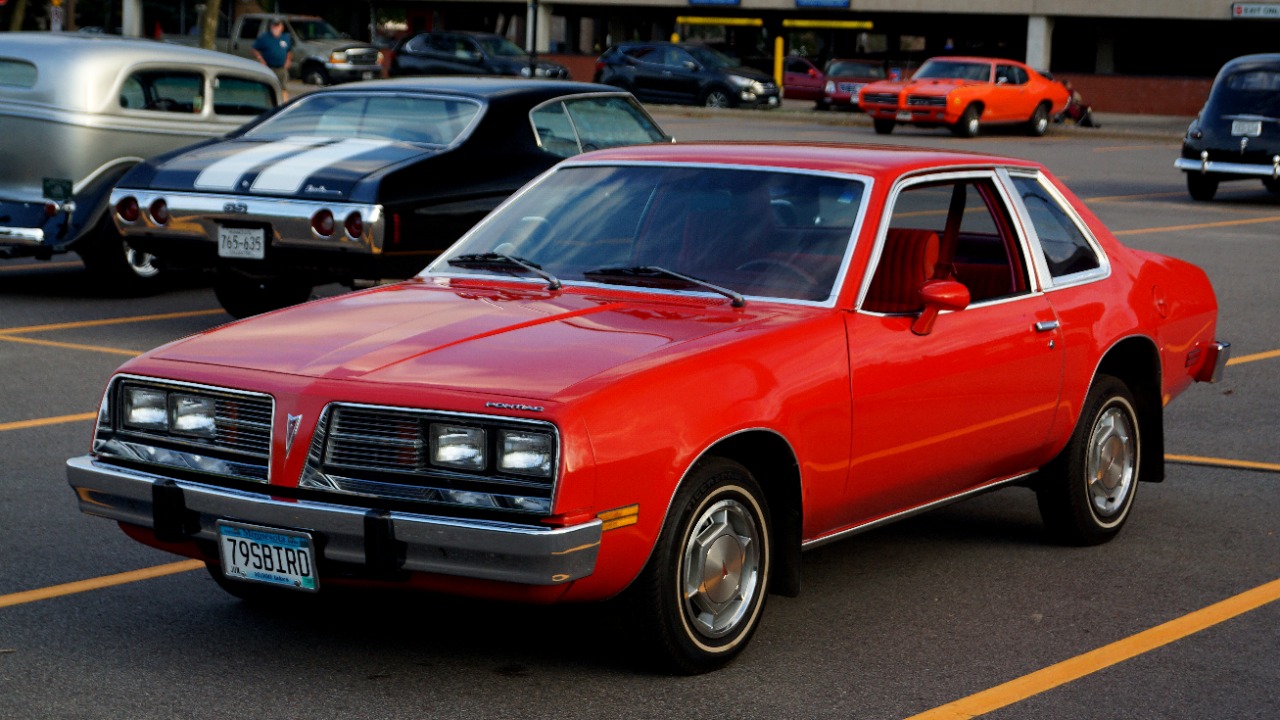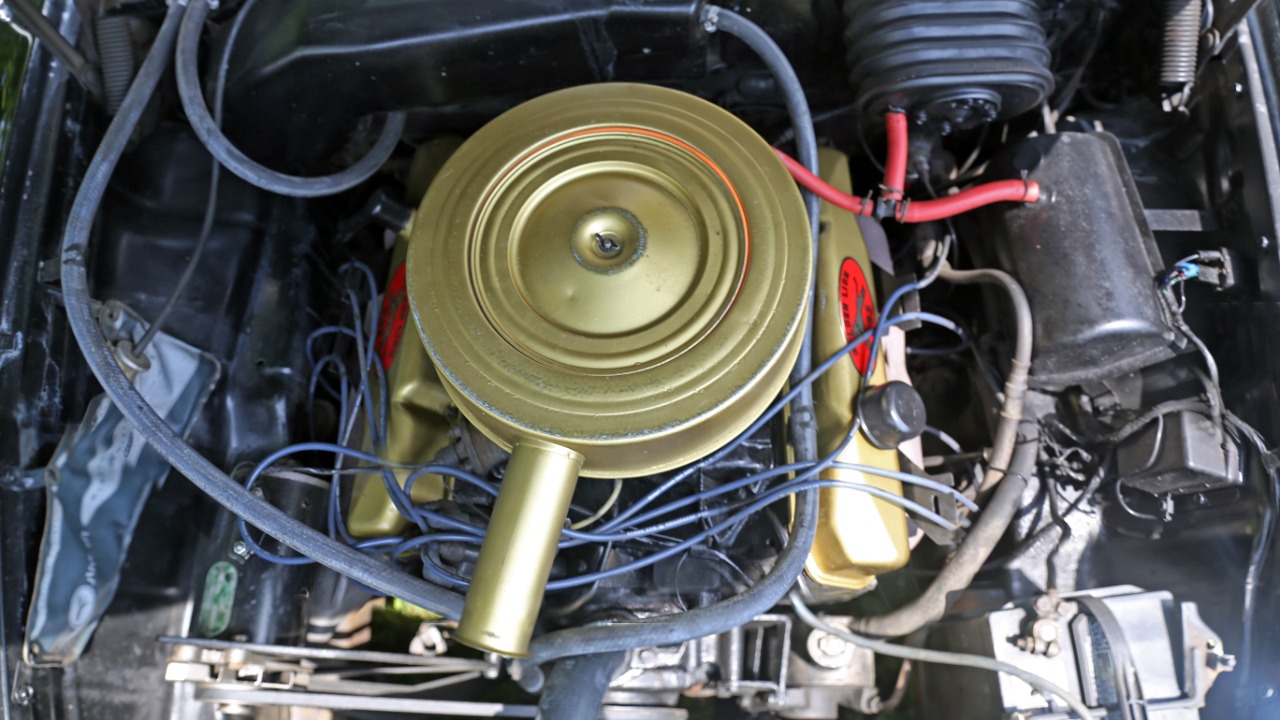
The classic 383 engine, often overshadowed by its more famous counterparts, has proven to be a powerhouse in its own right. With a rich history and impressive performance capabilities, the 383 is a testament to Chevrolet’s engineering prowess. I’ll delve into its unique features and how it has quietly outperformed expectations, leaving a lasting impact on the automotive landscape.
The Genesis of the 383 Engine
Developed by Chevrolet in the early 1960s, the 383 engine was part of a broader initiative to enhance the performance of small-block engines, which had gained significant popularity in the muscle car era. The 383 was essentially a 350 cubic inch engine that was bored out to 4.030 inches, allowing it to reach a displacement of 383 cubic inches. This adjustment not only improved the engine’s power output but also helped it maintain the efficiency that Chevrolet was known for. With a power band that was both broad and usable, the 383 quickly became a favorite among car enthusiasts.
Key design features such as the high-flow cylinder heads and a solid camshaft contributed to the 383’s distinctive performance. Unlike its more famous siblings like the 396 and 454, the 383 had a unique balance of torque and horsepower, making it ideal for a wide range of vehicles. Its introduction into the market was met with enthusiasm, especially among muscle car lovers who were eager for an engine that could deliver exhilarating performance without sacrificing drivability.
Performance Specifications and Capabilities
The performance specifications of the 383 engine are impressive, especially when compared to similar engines of its time. Typically, a stock 383 engine produced around 325 to 400 horsepower, depending on the specific configuration and any aftermarket upgrades. In terms of torque, it could generate between 400 and 450 lb-ft, providing a robust driving experience that enthusiasts crave. This made the 383 a solid choice for a variety of applications, from street cars to drag racing setups.
One of the most notable aspects of the 383’s performance was its efficiency. With a well-designed intake and exhaust system, the engine was able to optimize air-fuel mixtures, enhancing overall performance while maintaining reasonable fuel consumption. Additionally, the aftermarket performance upgrades available for the 383, such as high-performance carburetors, headers, and ignition systems, allowed owners to easily increase the horsepower output. Enthusiasts could push the limits of their 383 engines, often exceeding 500 horsepower with the right modifications, which made it a favorite for those looking to build powerful street machines.
The 383’s Impact on Muscle Car Culture
The 383 engine found its way into numerous iconic muscle cars, including the Chevrolet Corvette, Camaro, and even the El Camino. In many cases, it was offered as an upgrade option that allowed buyers to experience enhanced performance without stepping up to the larger and heavier big-block engines. This strategic positioning helped solidify the 383’s reputation as a go-to engine for performance enthusiasts who wanted a balance of power and agility.
Anecdotal evidence from car enthusiasts and collectors reveals a strong attachment to the 383 engine. Many recall the thrill of driving a vehicle equipped with this powerhouse, noting the immediate responsiveness and exhilarating acceleration it provided. Additionally, the engine’s versatility made it a popular choice for modifications and restorations. Whether it was a weekend cruiser or a track-ready machine, the 383 fit seamlessly into many builds, contributing to its ongoing legacy in automotive culture.
Misconceptions and Underrated Performance
Despite its impressive specifications, the 383 engine is often overlooked in favor of its more famous counterparts, such as the 396 and 454. Common myths surrounding the 383 include the belief that it lacks the raw power of larger engines or that it is less reliable. However, these misconceptions often stem from a lack of understanding of the 383’s design and capabilities. In reality, the 383 is known for its durability and ability to handle significant power increases without compromising reliability.
Comparing the 383 to more renowned engines reveals its strengths. While the 396 and 454 may boast higher horsepower figures, the 383’s torque curve and overall drivability make it superior for many applications. Automotive experts frequently highlight the true potential of the 383 engine, emphasizing how it can be tailored to suit various performance needs. Its capacity for both street and track use makes it a versatile choice that, when properly maintained and tuned, can outperform expectations.
The Legacy of the 383 Engine Today
Fast forward to today, and the 383 engine remains relevant in the modern automotive scene. Its legacy continues through a robust aftermarket support network that keeps the engine alive and thriving. Various companies specialize in 383 engine builds, offering everything from complete engines to individual components that allow for custom builds tailored to specific performance goals. This support ensures that the 383 is not just a relic of the past, but a viable option for new builds and restorations.
Community enthusiasm for the 383 is evident in car shows, online forums, and social media groups dedicated to Chevrolet enthusiasts. Owners proudly share their builds, showcasing the 383’s capabilities and the unique modifications they’ve made to enhance performance. As the classic car restoration market continues to grow, the 383 engine is often chosen for its blend of power, reliability, and historical significance, ensuring its place in the hearts of muscle car fans. Additionally, with the rise of electric vehicles, the nostalgia for classic engines has led to a resurgence in interest, further solidifying the 383’s status in automotive history.
Conclusion: Recognizing the 383’s True Power
In summary, the 383 engine deserves recognition for its impressive performance and significant role in automotive history. While it may not have the fame of larger big-block engines, its unique characteristics and capabilities have made it a beloved choice among enthusiasts. I encourage fellow car lovers to explore the potential of the 383, whether through restoration projects, performance upgrades, or simply appreciating its place in American muscle car lore. The 383 engine is more than just a powerplant; it’s a symbol of a vibrant era in automotive history and a reminder of what makes driving truly exciting.
More from Fast Lane Only
- Unboxing the WWII Jeep in a Crate
- 15 rare Chevys collectors are quietly buying
- 10 underrated V8s still worth hunting down
- Police notice this before you even roll window down
*Research for this article included AI assistance, with all final content reviewed by human editors.