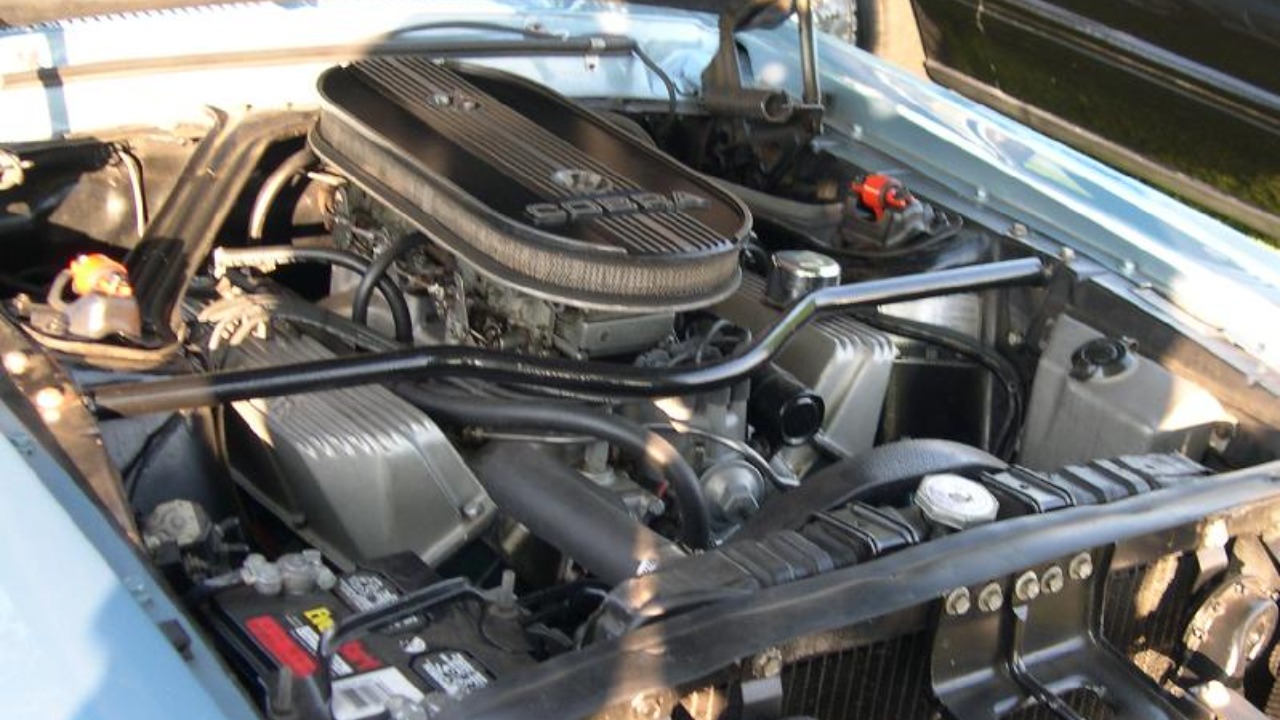
The Ford 428 engine, often overshadowed by its performance counterparts, quietly became a powerhouse in the automotive world. Its rich history, impressive specifications, and unrecognized horsepower potential have made it a fascinating subject for car enthusiasts and collectors alike.
The Origins of the Ford 428 Engine
The Ford 428 engine, introduced in 1966, was part of Ford’s FE (Ford-Edsel) engine family. It was developed during a period when American automakers were in fierce competition to produce high-performance engines that could dominate both the streets and the racetracks. The 428 was positioned to fill the gap between the already popular 390 and the more powerful 427 engines. With a bore of 4.13 inches and a stroke of 3.98 inches, the engine was designed to provide a balance of torque and horsepower, making it suitable for both performance and everyday driving.
Key models that featured the 428 engine included the Ford Thunderbird, the Ford Mustang, and the Mercury Cougar. The 428 was particularly celebrated in the 1968 Ford Mustang GT500KR, where it was paired with a four-speed manual transmission. Initial market reception was favorable, with consumers appreciating the blend of power and refinement that the engine offered. However, it was often overshadowed by the more famous 427 engine, which garnered significant attention due to its racing pedigree.
Technical Specifications and Features
The Ford 428 engine is notable for its robust design and impressive engineering features. It boasts a cast iron block and aluminum cylinder heads, which contribute to its durability while also helping to manage weight. The engine was equipped with a Holley four-barrel carburetor, providing optimal fuel delivery and performance. With a compression ratio of 10.5:1 in its most powerful variants, the 428 was capable of producing substantial power figures.
When compared to other engines of its time, such as the Chevrolet 396 and the Chrysler 440, the 428 stood out for its high torque output, which made it an ideal choice for muscle cars. The engine produced 345 horsepower in its initial iterations, but many enthusiasts believe that its true output was significantly higher, especially when accounting for factory underrating. The 428’s performance metrics included impressive torque figures, often exceeding 420 lb-ft, which allowed for exhilarating acceleration and responsiveness.
The 428’s Hidden Horsepower
Despite its factory horsepower rating of 345, many enthusiasts have discovered that the Ford 428 engine has a hidden potential that often goes unrecognized. Factory ratings tend to understate the engine’s true capabilities, a common practice during an era of strict insurance regulations and emissions standards. Real-world performance tests have shown that with the right modifications, the 428 can easily surpass its rated horsepower, with many enthusiasts reporting figures in the range of 400 to 475 horsepower.
Modifications that unlock this additional power often include upgrading the carburetor to a larger model, enhancing the exhaust system for better airflow, and tweaking the ignition system for improved timing. Anecdotes from mechanics and car enthusiasts reveal that the 428 is often capable of holding its own against more celebrated engines, providing thrilling performance at a fraction of the cost of its counterparts. The stories of street racing and spirited driving experiences with the 428 serve as testament to its underrated status.
The Legacy and Impact of the 428 Engine
The Ford 428 engine has left an indelible mark on Ford’s performance lineup and has influenced future engine designs. Its successful integration into various models laid the groundwork for the development of more advanced powertrains in Ford’s subsequent offerings. The 428’s performance and reliability have made it a favorite among car collectors, and it has become a symbol of the golden age of American muscle cars.
In the world of motorsport, the 428 made its presence felt in various racing events, including drag racing and stock car racing. It was particularly popular in the late 1960s, where its robust performance helped some drivers secure wins on the track. Today, vehicles equipped with the 428 engine are sought after by collectors, with prices for well-maintained examples often reaching into the tens of thousands of dollars. The current market trends indicate a growing interest in classic muscle cars, further solidifying the 428’s legacy.
Myths and Misconceptions
Despite its impressive capabilities, the Ford 428 engine is often surrounded by myths and misconceptions. One common belief is that the engine is prone to reliability issues due to its high horsepower ratings. However, many automotive experts argue that when properly maintained and cared for, the 428 is a remarkably reliable engine. Its solid construction and engineering have proven it to be durable, even in demanding conditions.
Another misconception revolves around the engine’s horsepower and torque figures. Enthusiasts often debate its true potential, with some claiming that the factory ratings are significantly lower than the actual output. Insights from automotive historians reveal that the 428 was deliberately underrated during its production to comply with insurance and marketing strategies. This has led to a resurgence of interest in the engine, as more people look to unlock its full potential through restoration and modification.
The Future of the Classic 428
The resurgence of interest in classic muscle cars has sparked a renewed appreciation for the Ford 428 engine. As younger generations of car enthusiasts discover the allure of vintage vehicles, the 428 is poised to reclaim its place in the spotlight. The ongoing trend of restomods—where classic cars are upgraded with modern technology—has made the 428 an attractive option for those looking to blend classic aesthetics with contemporary performance.
For enthusiasts interested in restoring or enhancing a vehicle equipped with the 428, there are several tips to keep in mind. Investing in high-quality components, such as aftermarket headers, performance camshafts, and upgraded ignition systems, can significantly improve the engine’s output and reliability. Additionally, connecting with other 428 enthusiasts through online forums or local car clubs can provide valuable insights and support during restoration projects.
Looking ahead, the Ford 428 engine is likely to maintain its status as a classic powerhouse. As the classic car market evolves, the significance of the 428 will only continue to grow, with more collectors recognizing its unique blend of performance and history. In a world where electric vehicles are gaining traction, the nostalgia and raw power of classic muscle cars like those featuring the 428 will likely ensure its place in automotive history for years to come.
More from Fast Lane Only
- Unboxing the WWII Jeep in a Crate
- 15 rare Chevys collectors are quietly buying
- 10 underrated V8s still worth hunting down
- Police notice this before you even roll window down
*Research for this article included AI assistance, with all final content reviewed by human editors.