In the realm of automotive performance, muscle cars have long been celebrated for their power and presence. However, a selection of European coupes has quietly emerged as formidable challengers, boasting engineering finesse and performance that often goes unnoticed in the shadow of their American counterparts. These vehicles, often characterized by their precision and handling, represent a different kind of performance ethos that deserves recognition.
The Rise of European Performance Cars
The history of European car manufacturing is rich and varied, with roots tracing back to the early 20th century. Companies like Mercedes-Benz, Ferrari, and Porsche established a legacy of engineering excellence and performance that set the stage for what would become the iconic European coupe. The post-war era saw a surge in demand for sportier vehicles, and brands like BMW and Audi began to define themselves through precision engineering and innovative designs. This shift in consumer preferences was not only about speed; it was also about the driving experience, emphasizing a connection between the car and the driver.
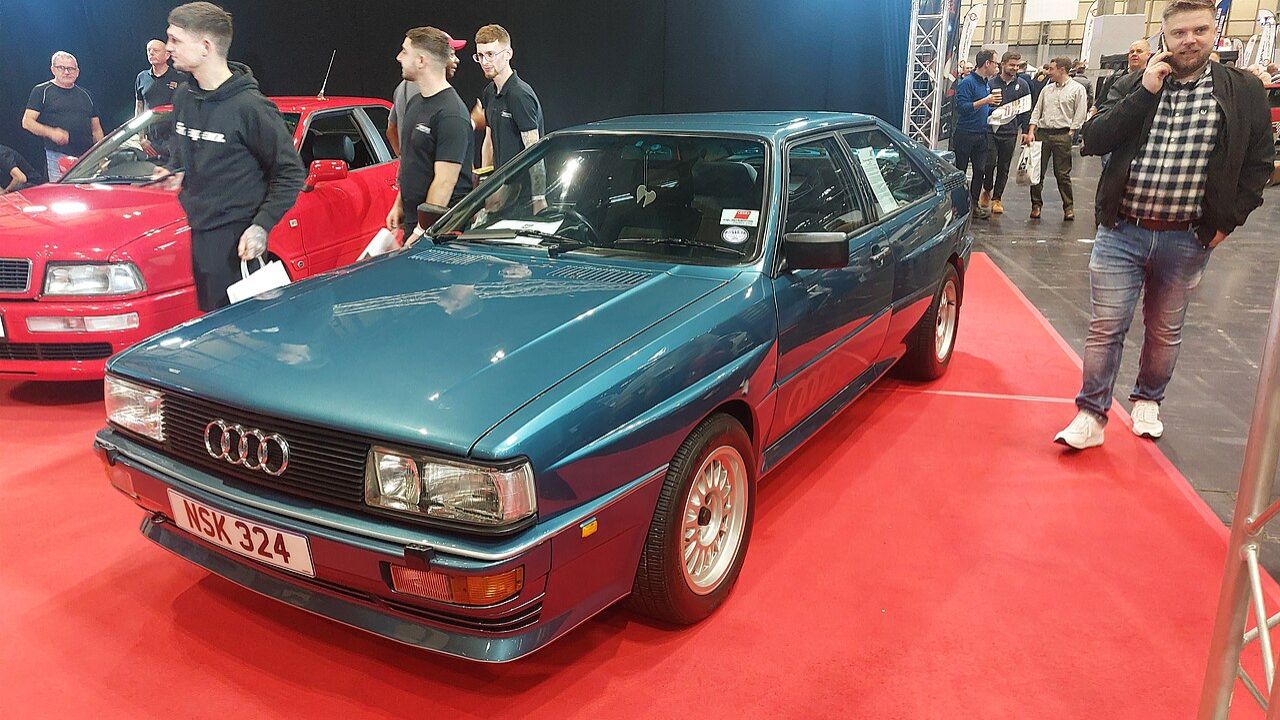
During the 1970s and 1980s, the automotive landscape began to change dramatically. As fuel prices skyrocketed, consumers started to favor cars that offered both performance and efficiency. European manufacturers responded with models that combined sporty aesthetics with engineering prowess, leading to the rise of the sports coupe segment. Cars such as the BMW 3 Series and the Audi Quattro laid the groundwork for a new generation that would ultimately challenge the dominance of American muscle cars.
Defining Characteristics of European Coupes
When considering the defining characteristics of European coupes, one must first acknowledge their emphasis on engineering precision and handling over sheer power. Unlike their American counterparts, which often prioritize horsepower and torque, European manufacturers focus on creating a balanced driving experience. This is evident in cars like the Porsche 911 and the Mercedes-Benz C-Class Coupe, where agility and responsiveness are paramount.
Lightweight construction techniques, such as the use of aluminum and carbon fiber, further distinguish these vehicles from traditional muscle cars. This focus on weight reduction not only enhances performance but also improves fuel efficiency—an increasingly important factor in today’s automotive market. The distinctive styling and craftsmanship found in European coupes also set them apart. Each model is often seen as a piece of art, with elegant lines and high-quality materials that reflect the brand’s heritage and commitment to excellence.
Key Models That Challenged Muscle Cars
Several European coupes have made significant inroads against American muscle cars, each bringing its own unique flair and performance metrics to the table. The BMW M3, particularly in its E30 and E46 iterations, has become a benchmark for performance and handling, often outpacing contemporary models from American manufacturers in terms of track performance and everyday usability. Similarly, the Audi TT has carved out a niche for itself with its Quattro all-wheel-drive system, which offers superior grip and stability, making it a formidable competitor against models like the Ford Mustang.
The Peugeot 504, while not as widely recognized in the U.S., was another model that showcased the capabilities of European engineering. Known for its reliability and handling, it participated in motorsport events, further elevating its status among enthusiasts. The cultural impact of these models cannot be understated; they have inspired generations of car enthusiasts and have represented a shift in what performance means in the automotive world.
Performance Metrics: A Closer Look
When it comes to performance metrics, European coupes often excel in acceleration and handling capabilities, frequently competing with and sometimes surpassing American muscle cars. For instance, the BMW M3 can reach 0-60 mph in just around 4 seconds, thanks to its turbocharged inline-six engine. In comparison, a classic American muscle car like the Dodge Challenger typically relies on a larger V8 engine, which may produce similar horsepower but often lacks the refined handling of its European counterparts.
Innovations in turbocharging and engine efficiency have played a key role in enhancing the performance of European coupes. The use of forced induction allows for smaller engines that produce impressive power figures without the weight penalty of larger engines. This advancement not only boosts performance but also improves fuel economy, making these vehicles more appealing in a market increasingly concerned with environmental impact. Automotive journalists often praise these vehicles for their real-world driving experiences, noting how European coupes provide a balanced and engaging ride that invites spirited driving.
The Role of Technology in Performance
Technology has become an integral part of the performance narrative for European coupes. Advancements in suspension and braking systems have allowed these vehicles to offer unparalleled handling characteristics. For example, the adaptive suspension technology found in modern Audi models enables the driver to customize their experience, from comfort to sport mode, adapting to different driving conditions seamlessly. This level of sophistication is less common in traditional muscle cars, which often retain a more simplistic approach to suspension design.
Furthermore, the integration of technology such as traction control and adaptive driving modes enhances safety and performance, allowing drivers to push their limits while maintaining control. When compared to muscle cars, which may focus primarily on raw power, European coupes often provide a more holistic driving experience that balances performance with everyday usability. The advancements in fuel efficiency and emissions standards also reflect the growing importance of technology in the development of performance vehicles.
Market Reception and Cultural Impact
The market reception of European coupes has varied across different regions, often influenced by cultural perceptions and consumer preferences. In Europe, these vehicles are often viewed as symbols of sophistication and engineering excellence. Brands like BMW and Mercedes-Benz have cultivated a loyal following, particularly among those who appreciate the nuances of driving. In contrast, the American market has historically leaned toward muscle cars, which embody a more straightforward approach to performance and power.
The automotive community’s response to European coupes has been largely positive, with many enthusiasts celebrating their performance and design. Motorsports have also played a crucial role in promoting these vehicles, with European manufacturers dominating events like the World Rally Championship and the 24 Hours of Le Mans. The visibility of these vehicles in competitive settings has further solidified their status as performance icons, influencing consumer choices and preferences.
Challenges Faced in the American Market
Despite their impressive capabilities, European coupes have faced significant challenges in the American market. Regulatory hurdles, such as emissions standards and safety regulations, often complicate the importation of these vehicles. Additionally, consumer preferences have historically leaned toward the more muscular, aggressive styling of American cars, which can overshadow the subtler appeal of European coupes.
The impact of pricing and availability is also a significant consideration. Many European models come with a premium price tag, which can deter potential buyers who might opt for a more affordable American muscle car. As a result, the presence of European coupes in the U.S. market has remained limited, despite their undeniable performance advantages.
The Legacy of European Coupes
The legacy of European coupes extends far beyond the vehicles themselves; they have influenced automotive design and performance standards for decades. These vehicles have paved the way for future generations of performance cars, inspiring innovations in engineering and design that continue to shape the industry today. The blend of performance, efficiency, and style found in models like the BMW M4 and the Mercedes-Benz AMG GT is a testament to the impact of their predecessors.
As the automotive landscape evolves, the ongoing evolution of the European coupe remains an exciting prospect. With increasing emphasis on sustainability and technology, these vehicles will continue to adapt to meet the demands of modern consumers while retaining their performance heritage. The enduring appeal of European coupes serves as a reminder that there is more to performance than sheer power; it’s about the experience, the engineering, and the passion that drives us to seek out the open road.
More from Fast Lane Only