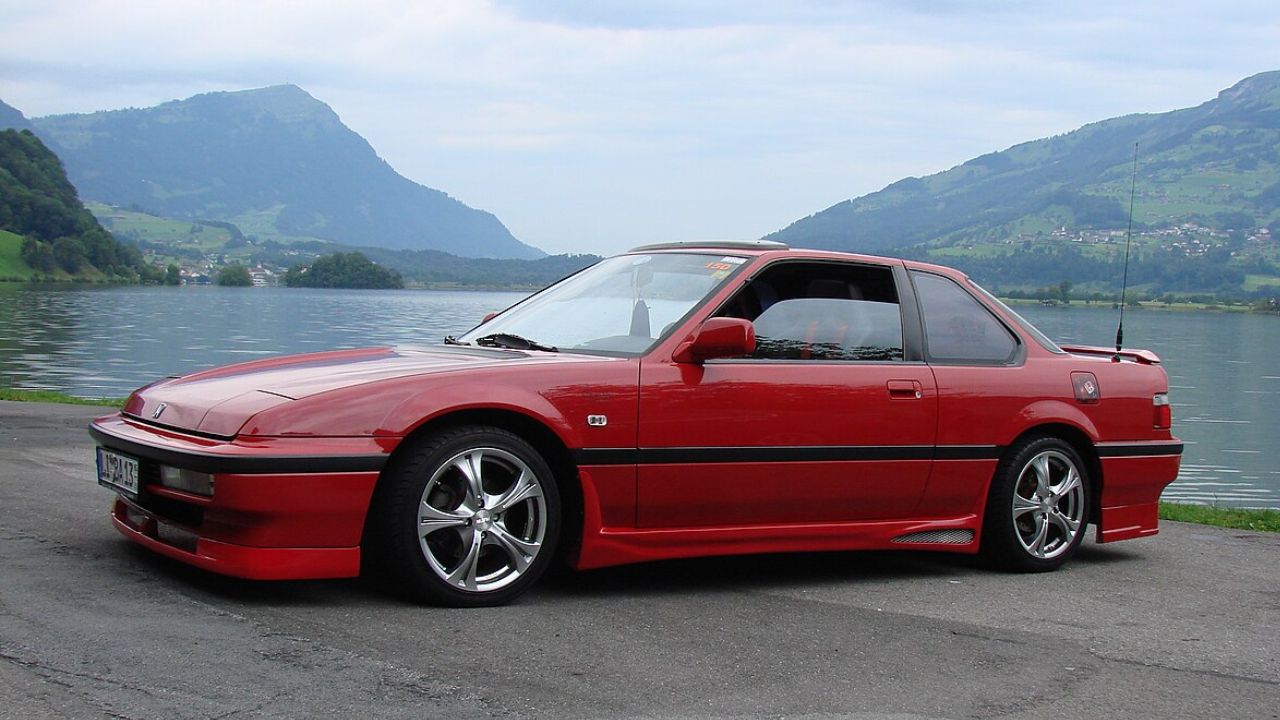
The Honda Prelude, a groundbreaking model in the automotive landscape, pushed the boundaries of performance and redefined expectations for sports cars in its era. With its innovative design and engineering, the Prelude captivated enthusiasts and changed perceptions of Honda as a performance brand, creating a legacy that resonates even today.
Historical Context of the Honda Prelude
The Honda Prelude made its debut in 1978, quickly establishing itself as a key player in Honda’s lineup. At a time when the automotive market was saturated with bland, utilitarian vehicles, the Prelude introduced a fresh perspective focused on sportiness and affordability. Positioned as a compact sports coupe, it aimed to attract a demographic eager for performance without breaking the bank.
During the late ’70s and early ’80s, the automotive landscape was undergoing significant shifts. The oil crisis had prompted consumers to seek fuel-efficient vehicles, yet there was still a strong desire for sporty designs. The Prelude emerged at the perfect juncture, offering a blend of both worlds. Key competitors such as the Toyota Celica and Datsun 240Z were already setting the stage for sporty coupes, but the Prelude sought to carve out its niche by emphasizing Honda’s engineering prowess and value.
Design Innovations
One of the standout features of the Honda Prelude was its distinctive styling, which set it apart from many contemporaries. With its sleek lines and aggressive stance, the Prelude influenced automotive design trends of the era. The introduction of the “civic coupe” aesthetic, characterized by a compact body and sporty features, would later inform the designs of future Honda models, including the popular Civic.
Moreover, Honda’s innovative use of lightweight materials and aerodynamic enhancements played a crucial role in the Prelude’s performance. The incorporation of features like a low drag coefficient and a well-proportioned silhouette not only contributed to its aesthetic appeal but also improved fuel efficiency and handling. The Prelude became a canvas for Honda’s creativity, showcasing how advanced engineering could harmonize with striking design.
Engine Performance and Technology
Across its various generations, the Honda Prelude offered an array of engine options that highlighted Honda’s commitment to performance. The early models featured a 1.6-liter engine, while later generations introduced more powerful variants, including a 2.2-liter inline-four engine. Notably, the Prelude was among the first to incorporate Honda’s revolutionary VTEC (Variable Valve Timing and Lift Electronic Control) technology, which significantly enhanced engine performance and responsiveness.
When comparing performance metrics, the Prelude stood tall against its competitors. For example, the 1997 Prelude Type SH boasted 200 horsepower and a 0-60 mph time of just over six seconds, rivaling the likes of the Nissan 240SX and Mazda MX-6. Such performance figures not only showcased Honda’s engineering capabilities but also established the Prelude as a serious contender in the sports coupe segment.
Driving Dynamics and Handling
The Prelude’s suspension system was another crucial element contributing to its driving dynamics. With a double-wishbone suspension setup, the Prelude delivered exceptional handling precision, allowing drivers to tackle corners with confidence. This engineering choice was particularly notable for a front-wheel-drive vehicle, as it often faced challenges in delivering the kind of performance associated with rear-wheel-drive sports cars.
The front-wheel-drive layout of the Prelude offered a unique driving experience, providing stability and predictability that many drivers appreciated. Automotive journalists frequently lauded the Prelude for its agile handling and responsive steering, often noting that it was one of the most enjoyable front-wheel-drive cars to drive. The Prelude’s combination of performance and driver engagement helped solidify its reputation as a sports car, redefining what Honda could offer.
Market Reception and Cultural Impact
Upon its release, the Honda Prelude received significant attention from both consumers and the media. Car enthusiasts praised its sporty styling and impressive performance, while mainstream audiences appreciated its affordability and practicality. The Prelude’s success played a crucial role in shaping Honda’s brand identity as a manufacturer of sporty, performance-oriented vehicles.
Beyond its performance, the Prelude found its place in popular culture, appearing in various movies and music videos, which further solidified its status as an icon. Films such as “The Fast and the Furious” featured modified Preludes, showcasing the car’s potential in the tuning community. This cultural impact helped fuel the enthusiasm surrounding the Prelude, creating a vibrant community of owners and fans.
Legacy and Influence on Future Models
The Honda Prelude left an indelible mark on subsequent Honda models, influencing the design and engineering of the Civic and Accord. The principles of lightweight construction, sporty aesthetics, and performance engineering that defined the Prelude became integral to Honda’s philosophy in crafting vehicles that appealed to enthusiasts. Its legacy is evident in how Honda has continued to prioritize performance across its lineup.
Despite its discontinuation in 2001, the Prelude’s influence on the sports coupe segment remains significant. The model set a benchmark for performance and handling that many manufacturers still strive to achieve today. As Honda navigated its strategic direction in the following years, the Prelude’s legacy served as a reminder of the brand’s potential in the performance market.
Revival and Future Prospects
Exciting developments are on the horizon with the introduction of the 2026 Honda Prelude, which aims to honor the original while incorporating modern advancements. The new Prelude is expected to feature hybrid technology, improved aerodynamics, and cutting-edge infotainment systems, aligning with contemporary consumer preferences while staying true to its performance roots.
As anticipation builds among enthusiasts, the 2026 Prelude promises to rekindle interest in the model. It represents a bridge between Honda’s storied past and its exciting future. With the potential to reestablish Honda as a frontrunner in the sports coupe market, the revival of the Prelude may influence the brand’s lineup for years to come. For more details on the new Prelude, check out this reveal.
Enthusiast Community and Ownership Experience
The Honda Prelude boasts a passionate enthusiast community that celebrates this iconic model. Owners often gather at car shows and events, sharing stories and showcasing their modified vehicles. This culture of camaraderie has helped sustain the Prelude’s legacy, as enthusiasts continue to appreciate the car’s performance and unique character.
Many owners engage in aftermarket modifications to enhance their Prelude’s performance or appearance. Popular upgrades include suspension enhancements, performance exhaust systems, and engine tuning. The availability of aftermarket support ensures that Prelude owners can personalize their vehicles while maintaining the spirit of the original design. Personal stories from owners often highlight unforgettable moments behind the wheel, emphasizing the joy that the Prelude brings to its drivers.
The Prelude’s Enduring Legacy
The Honda Prelude’s impact on the automotive industry is undeniable. It redefined performance expectations for Honda and helped establish the brand’s identity as a manufacturer of sporty vehicles. As a symbol of innovation, the Prelude continues to inspire new generations of enthusiasts, encouraging them to explore the rich history of Honda and the remarkable engineering behind the Prelude.
More from Fast Lane Only