Detroit’s horsepower wars did not just create quick cars, they created engines that stretched factory displacement to the edge of practicality. As automakers chased bragging rights in the 1960s and 1970s, big block V8s swelled past 400 cubic inches and kept going, until packaging, emissions rules, and fuel costs finally forced them back to reality. The story of those factory big blocks is a story of how far engineers were willing to push size before the rest of the car, and the market around it, pushed back.
When I look at the largest production V8s, what stands out is not just their cubic inches but how differently each brand used that capacity. Some treated huge displacement as a quiet luxury tool, others as a blunt-force performance weapon, and a few tried to do both at once. The engines that came out of that era still define what enthusiasts mean when they talk about “big block power.”
The luxury giant: Cadillac’s 500 cubic inch experiment
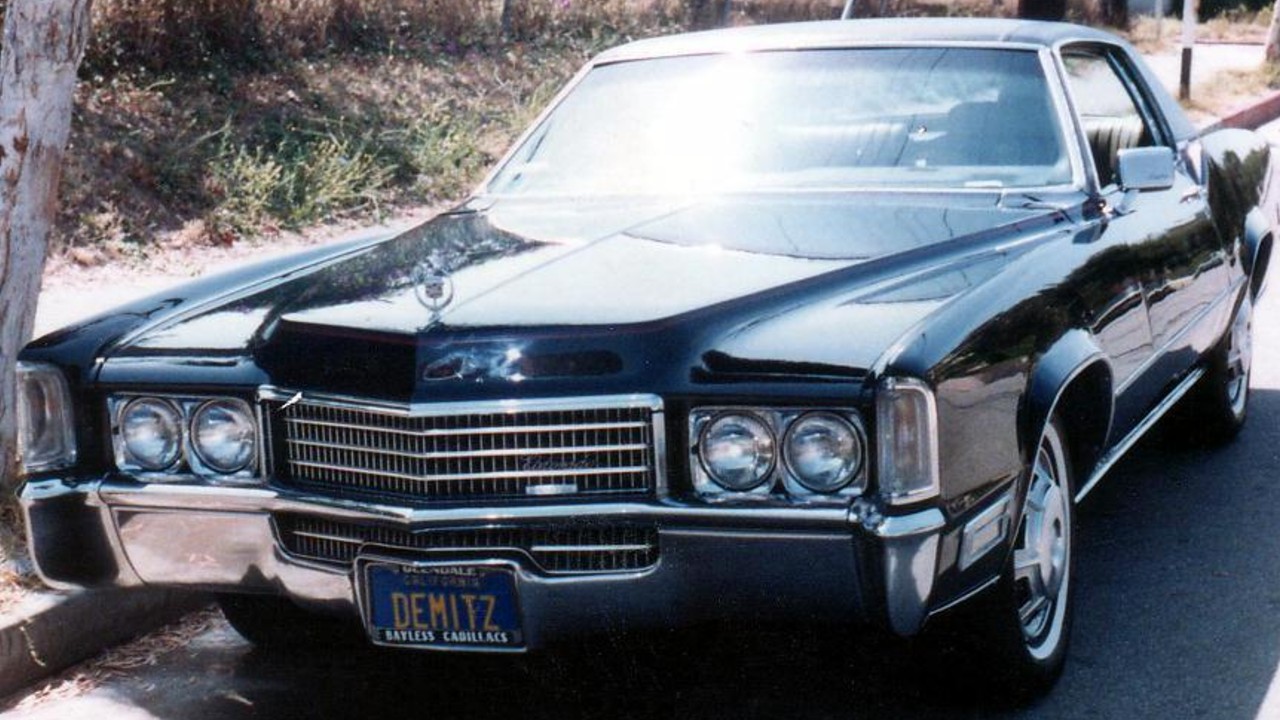
Nothing captures the upper limit of American factory displacement quite like the Cadillac 500 V-8 Engine. Built under the General Motors umbrella, this engine reached a full 500 cubic inches, a figure that still reads like a typo next to modern downsized powertrains. It appeared in big front-drive models such as the Cadillac Eldorado, where the priority was effortless torque and quiet thrust rather than quarter-mile times. For most of the 1960s, General Motors had a corporate policy that effectively capped engine size in many divisions, which makes the decision to greenlight a 500 even more striking, because it shows how far the company was willing to go when it wanted a flagship statement.
Despite its sheer size, the Cadillac 500 was not tuned as a race motor. Reporting on large-displacement engines has noted that in 1969 Cadillac introduced what was then the largest passenger car engine for sale, and in some trims it delivered relatively modest specific output, working out to roughly 23 horsepower per liter. That figure underlines how this 500 cubic inch design was optimized for low-rpm smoothness and quiet torque rather than peak numbers. It was a luxury solution to the same displacement race that muscle car divisions were fighting, and it pushed the idea of a factory big block to a scale that no other American V8 in regular production surpassed.
Muscle car sweet spot: 400 to 455 cubic inches
While Cadillac chased silent excess, the muscle car brands found their own upper limit in the 400 to 455 cubic inch range. Engines like the Pontiac Firebird 400 Engine and the Chevrolet Chevelle 402 V8 Engine defined what a street performance big block looked like in showrooms. The Pontiac Firebird used a 400 cubic inch V8 that balanced displacement with rev capability, giving buyers a car that could be driven daily yet still dominate stoplight contests. Chevrolet’s 402, which appeared in the Chevelle, nudged that figure slightly higher, illustrating how even small jumps in cubic inches were marketed as meaningful advantages in the late 1960s and early 1970s.
Above that, several divisions treated 455 cubic inches as the practical ceiling for a performance-oriented street engine. One analysis of large V8s highlights how a bore increased by 0.030 to 4.15 inches, combined with a 4.21 inches stroke, yielded 455.34 CID, a configuration that brands like Oldsmobile and Buick adopted as their “455” inch engines. Another overview of big General Motors powerplants lists a Pontiac 455 with 8 Cylinders, 454 Liters, 7.5 liters of displacement, and Horsepower ratings in the 290 to 370 range, with Years Used from 1970 to 1976. Those figures show how the 455 formula delivered both torque and flexibility, and they mark the point where engineers could still package the engine in intermediate muscle cars without overwhelming chassis and cooling systems.

Chevrolet’s big block family and the 494 cubic inch ceiling
Chevrolet’s big block program followed its own path, starting with a relatively modest displacement and steadily growing until it brushed against the practical limits of the architecture. The History of this engine family traces its debut to 1958 at 348 cubic inches, or 5.7 liters, a size that already counted as generous for the time. Over the following years, Chevrolet engineers stretched bore and stroke to create a series of larger variants, all sharing the same basic big block layout but aimed at different segments, from full-size sedans to performance models and heavy-duty applications.
In standard production form, that family eventually reached 494 cubic inches, a displacement that put Chevrolet’s big block in the same conversation as the largest V8s ever sold to the public. The fact that the architecture could grow from 348 to 494 without a complete redesign speaks to how much headroom the original engineers built into the block and bottom end. It also shows how the company used displacement as a flexible tool, scaling the same core design to meet everything from passenger car needs to high-torque roles, while still staying just below the extreme 500 cubic inch mark that Cadillac claimed for itself.
Horsepower versus cubes: when size did not equal speed
One of the most revealing contrasts in this era is the gap between displacement and real-world performance. Enthusiast discussions of 1960s and 1970s powerplants often point to the street Hemi as the benchmark, with claims that it was listed at 425 horsepower in gross terms and likely produced a bit more. That engine, along with specialized designs like The Max Wedg, showed how careful cylinder head and camshaft engineering could extract serious power without relying solely on cubic inches. In other words, the most feared engines on the street were not always the largest on paper.
At the same time, some of the biggest engines delivered surprisingly low horsepower relative to their size. Coverage of large-displacement V8s has highlighted the Cadillac 500 C.I. as a prime example, noting that when Cadillac introduced this 500 cubic inch engine in 1969, certain versions produced only about 23 horsepower per liter. That figure looks tame next to the specific output of smaller, more aggressively tuned performance engines of the day. The contrast underscores a key point about factory big blocks: past a certain size, packaging, emissions, and durability concerns often forced conservative tuning, so the largest engines were not always the quickest, even if they were the most relaxed and effortless in everyday driving.
Competition, culture, and the end of the displacement race
The reason these huge engines existed at all comes back to competition, both on the street and in the showroom. Analyses of the muscle car era describe how The High Performance Generation Was Fueled By Competition, with manufacturers constantly one-upping each other in advertised horsepower and cubic inches. Big block V8s became the centerpiece of that rivalry, and enthusiasts still celebrate some of the baddest factory combinations, from drag-strip specials to the heavy-hitting Muscle Cars highlighted by projects like The Brothe, which showcase how these engines were installed in production models that ordinary buyers could order.
Yet the same forces that created these giants also set their limits. As insurance costs rose and emissions regulations tightened in the early 1970s, it became less feasible to keep enlarging displacement as a shortcut to performance. Automakers began to detune existing big blocks, retire the most extreme versions, or shift focus to smaller, more efficient designs. By the time the last of the Pontiac 455 engines, with their 7.5 liters and 290 to 370 Horsepower ratings, cycled out after their listed Years Used from 1970 to 1976, the era of ever-growing factory big blocks was effectively over. What remained was a legacy of engines that had pushed size about as far as mass-market cars could reasonably carry, leaving a benchmark that modern powertrains, with their turbos and electronics, still measure themselves against in spirit if not in sheer cubic inches.