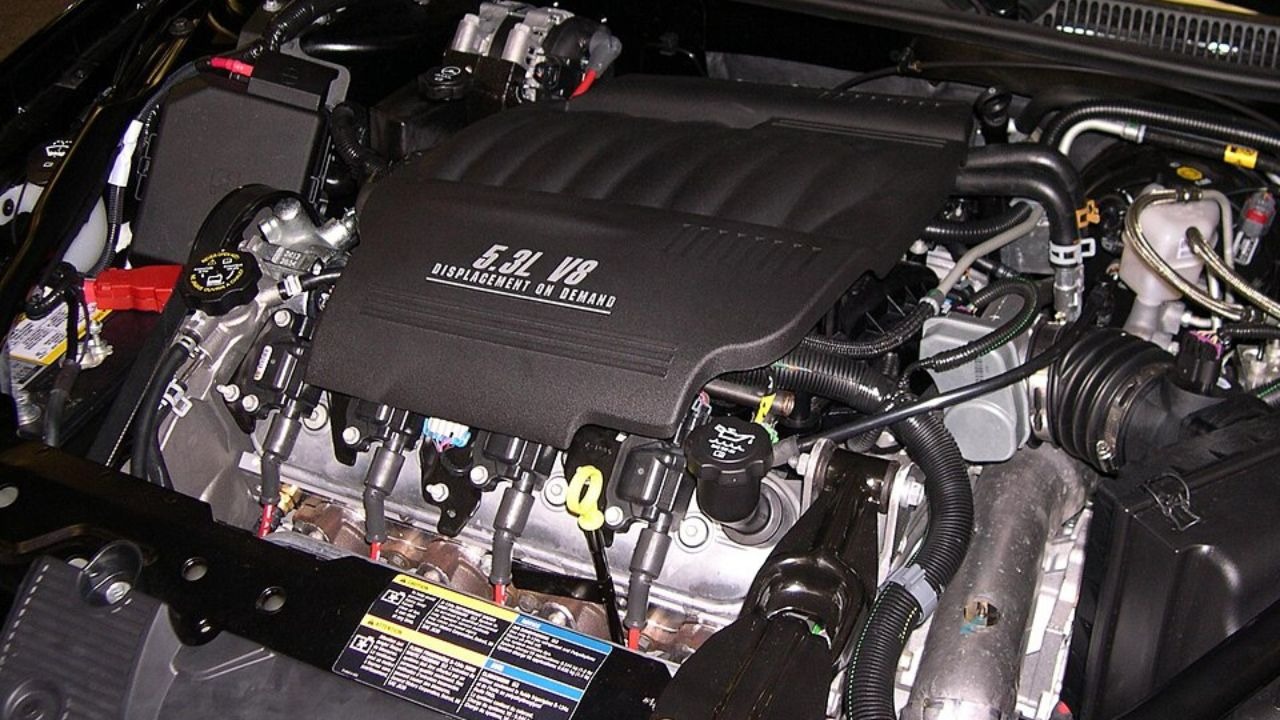
The Chevrolet small-block family is full of household names, yet one V8 spent years in the shadows before quietly becoming a favorite in shops and garages. Over time, that “forgotten” engine proved itself on the dyno and at the track, until builders began treating it as a secret weapon rather than a compromise. Its story says as much about changing priorities in hot rodding as it does about casting numbers and cubic inches.
Rather than chasing the flashiest displacement or the rarest block, a generation of budget-conscious enthusiasts learned to prize this workhorse for its mix of availability, strength, and tuning potential. The result is an unlikely legend that now underpins everything from street sleepers to serious bracket cars.
How a workaday Chevrolet V8 turned into a builder’s secret
The engine that fits this description is not the halo big-blocks or the early high-compression small-block icons. It is the later-production Chevrolet small-block that arrived in huge volume in trucks and sedans, often saddled with low factory output and smog-era hardware. In stock form it rarely excited anyone. What changed was how builders looked at the raw material.
As earlier performance blocks became scarce and expensive, shops started paying closer attention to the casting quirks of these later engines. They noticed thicker cylinder walls in certain truck castings, generous main webbing, and a supply of cores that seemed almost endless in salvage yards. The same traits that made the engine dull in factory trim, such as conservative cam profiles and restrictive heads, also meant it had lived an easy life and could tolerate serious upgrades.
Builders began to treat these engines as blank canvases. Simple combinations of better flowing cylinder heads, modern hydraulic roller cams, and revised intake manifolds transformed them from underachievers into stout performers. Articles that walked through these combinations, including one that detailed how a modest small-block quietly became a favorite among builders, helped spread the word to hobbyists who were used to thinking of the engine as disposable. That coverage highlighted how a carefully chosen cam and valvetrain package could unlock gains that the original factory tune never hinted at, and it turned a once-ignored casting into a sought-after core for budget builds.
Equally important, the engine’s compatibility with the broader small-block ecosystem made the transition easy. Existing aftermarket heads, intakes, and rotating assemblies slotted in with minimal drama. Builders could reuse brackets and accessories, drop the engine into familiar mounts, and still enjoy the benefits of later-design improvements such as roller lifter provisions or one-piece rear main seals. The combination of interchangeability and incremental refinement is what ultimately elevated this V8 from forgotten to quietly respected.
Key technical traits that won over engine builders
Under the surface, several technical details explain why this Chevrolet V8 gained such a devoted following. The first is block strength. Many of the truck and heavy-duty passenger car versions were cast with durability in mind, which meant thicker decks and cylinders than earlier high-performance blocks that had already seen decades of abuse. For a builder planning forced induction or high compression, that margin of safety mattered more than the engine’s lackluster original rating.
The second trait is the valvetrain architecture. Later small-blocks that came with hydraulic roller lifters provided a major reliability and performance advantage over flat-tappet predecessors. A roller cam profile can carry more aggressive lift and duration without the same wear concerns, which lets builders chase more power with off-the-shelf components. When combined with modern beehive springs and improved rocker arms, this architecture supports higher rpm and cleaner valve control than the engine’s reputation would suggest.
A third factor is the way these engines were tuned from the factory. Their widespread use in trucks meant they were designed to deliver torque at low and midrange rpm. That focus on usable torque, rather than peak horsepower, aligns neatly with how street cars and tow rigs are actually driven. When builders swapped in better heads and intake systems, they often found that the torque curve stayed broad while the top-end power climbed dramatically. The result was a responsive, street-friendly engine that still rewarded a deep throttle stab.
A detailed feature on how one Chevrolet engine “quietly became a favorite among builders” pointed to exactly this mix of strength, roller architecture, and torque bias as the reasons it keeps showing up in modern projects. By walking through dyno results and common parts combinations, that piece helped crystallize what engine shops had been seeing for years in their own work.
What changed in how enthusiasts value this Chevy V8
The perception shift around this V8 did not happen in a vacuum. It tracked with broader changes in the hobby, especially the move away from chasing period-correct parts at any cost. As younger builders entered the scene, they were less attached to specific casting numbers and more focused on performance per dollar. The once-overlooked Chevrolet engine fit that mindset perfectly.
Rising prices for traditional performance cores accelerated the change. When a worn-out early small-block or big-block demanded a premium, the later truck-based engines sitting under workbenches started to look more attractive. Builders discovered they could buy a complete running engine, tear it down, and still come out ahead compared with refreshing a rarer block. That economic reality did as much to elevate the engine’s status as any dyno chart.
At the same time, aftermarket support matured. Cylinder head manufacturers began offering castings specifically tailored to these later blocks, with combustion chambers sized for their typical dished pistons and port shapes that matched the intended rpm range. Camshaft grinders published off-the-shelf grinds optimized for the engine’s roller lifter layout and truck-style compression ratios. The more the market catered to this platform, the easier it became for a first-time builder to achieve strong results without bespoke machine work.
Online communities and social media further amplified success stories. When grassroots racers posted timeslips and dyno sheets from cars powered by this supposedly second-tier engine, it challenged long-held assumptions. Over time, the narrative shifted from “make do with what you have” to “seek out this specific core if you want reliable power on a budget.” The forgotten V8 had become a quietly endorsed standard.
Why this “forgotten” Chevrolet V8 matters right now
Today, the engine’s significance extends beyond nostalgia. It sits at the intersection of affordability, emissions-era hardware, and modern tuning practices. For builders who want V8 power without the cost or complexity of a late-model LS swap, this small-block offers a compelling middle path.
Its compatibility with carbureted and fuel-injected setups lets enthusiasts tailor projects to local regulations and personal taste. A classic muscle car can retain a period-correct look with a carburetor while hiding a roller-cam short-block underneath. A truck can run a factory-style throttle-body or port injection system updated with contemporary engine management for better drivability. That flexibility keeps the platform relevant even as emissions rules and inspection standards evolve.
The engine also serves as an educational tool. Because it shares architecture with generations of small-blocks, it teaches fundamental skills that transfer to other platforms: how to degree a cam, set up valvetrain geometry, or choose compression for a given fuel. Builders who cut their teeth on this V8 often move on to more exotic combinations with a deeper understanding of what works and why.
In the broader market, the engine’s continued popularity stabilizes demand for traditional small-block parts. That, in turn, encourages manufacturers to keep offering gaskets, rotating assemblies, and ignition components that support both older and newer variants. The forgotten V8 effectively anchors an ecosystem that benefits anyone still running a carbureted or early-injected Chevrolet powerplant.
What comes next for this quietly legendary Chevy engine
The future of this V8 will likely be defined by how it adapts to changing fuels, electronics, and enthusiast expectations. One clear trend is the spread of affordable standalone engine management systems. As more builders convert these engines to programmable fuel injection and ignition, the tuning ceiling rises. Spark curves and fuel maps can be tailored to specific cam profiles, compression ratios, and even local fuel quality, unlocking efficiency and power that older carb-only combinations struggled to match.
More from Fast Lane Only
- Unboxing the WWII Jeep in a Crate
- 15 rare Chevys collectors are quietly buying
- 10 underrated V8s still worth hunting down
- Police notice this before you even roll window down
*Research for this article included AI assistance, with all final content reviewed by human editors