Some classic cars are remembered because they broke speed records or dominated sales charts. Others are celebrated for something less measurable: character. Whether through unusual engineering, distinctive styling, or an unconventional approach to solving everyday driving needs, these classics stood apart from the crowd. Decades later, they continue to attract enthusiasts because they remind us that memorable cars don’t have to be the fastest or the most expensive—they just need a personality all their own.
1975 Chevrolet Cosworth Vega

The Chevrolet Cosworth Vega arrived at a time when American performance cars were struggling under new emissions regulations, yet it refused to follow the usual formula. Instead of relying on a large V8, it featured a sophisticated twin-cam, fuel-injected 2.0-liter four-cylinder developed with British engineering firm Cosworth. Every 1975 model wore black paint with gold accents, making it instantly recognizable. While buyers initially overlooked it because of its price, collectors now appreciate the Cosworth Vega as one of General Motors’ boldest and most technically advanced projects of the decade.
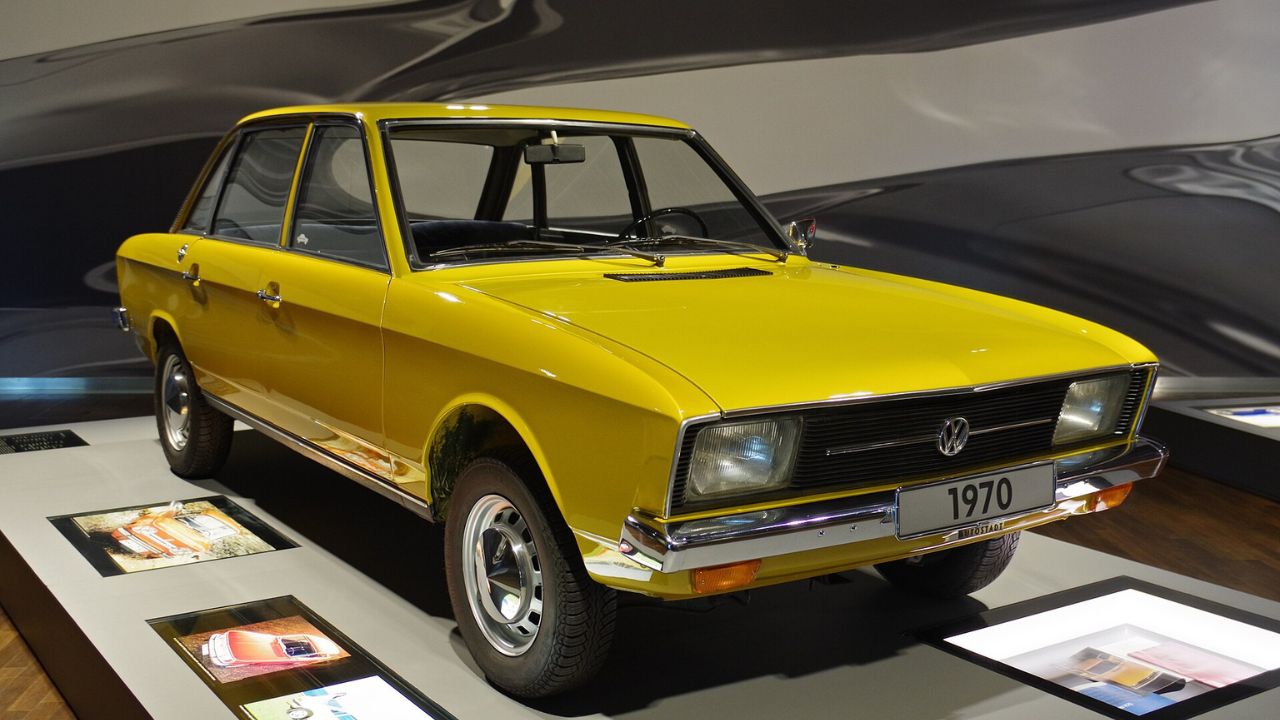
1971 Volkswagen K70

The Volkswagen K70 looked nothing like the Beetle or Type 3 models that made the brand famous. Originally developed by NSU before Volkswagen acquired the company, it introduced a front-mounted water-cooled engine and front-wheel drive to a manufacturer known almost exclusively for rear-engined, air-cooled cars. Its clean styling and practical interior hinted at Volkswagen’s future, even if buyers weren’t immediately convinced. Today, the K70 is remembered as one of the company’s most unusual models and an important stepping stone toward modern Volkswagen engineering.
1984 Dodge Rampage

The Dodge Rampage challenged traditional ideas about what a pickup truck should be. Built on a front-wheel-drive passenger-car platform, it combined the ride quality of a compact hatchback with the practicality of an open cargo bed. It wasn’t designed for heavy-duty work, but it excelled as an everyday vehicle for homeowners, commuters, and weekend adventurers. Long before modern lifestyle trucks became popular, the Rampage demonstrated that utility could come in a smaller, more comfortable package without sacrificing everyday usefulness.
1972 Mazda RX-3
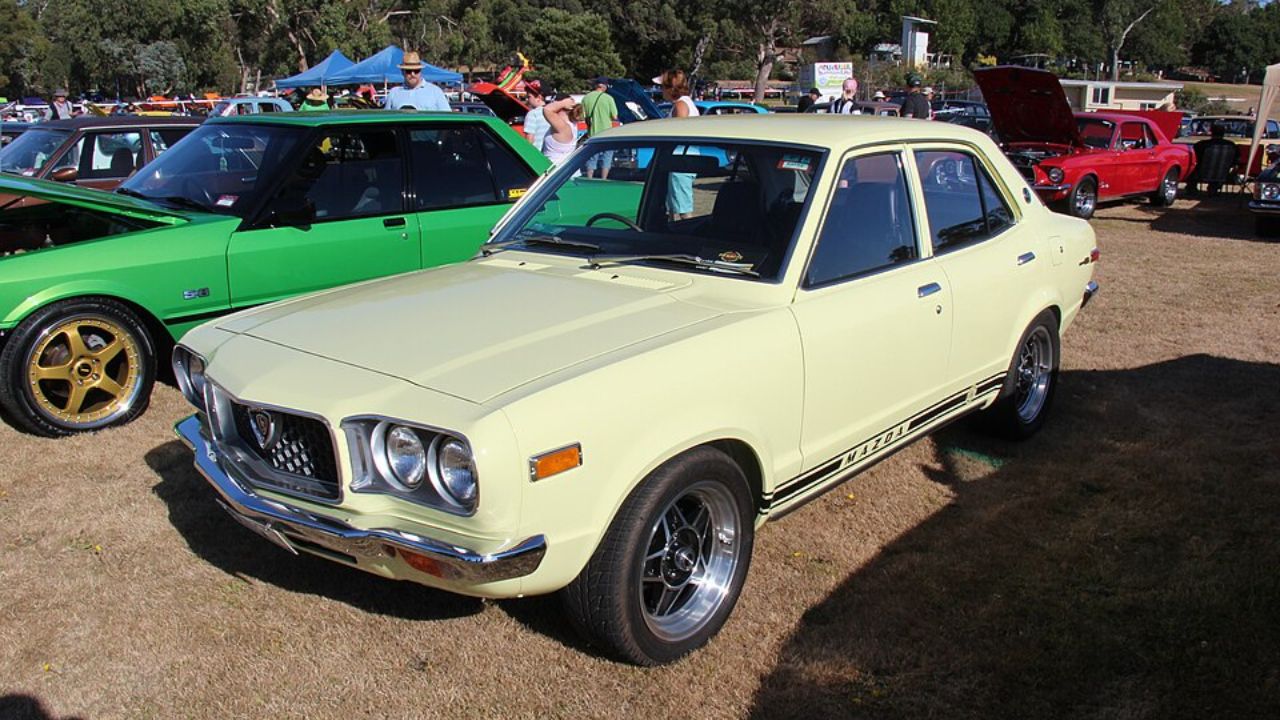
The Mazda RX-3 proved that excitement didn’t require a big engine. Powered by Mazda’s high-revving twin-rotor rotary engine, the compact coupe delivered a driving experience unlike anything offered by its competitors. Its lightweight body, rear-wheel-drive layout, and responsive handling made it a favorite among enthusiasts and racers alike. The RX-3 introduced many drivers to rotary power for the first time, helping establish Mazda’s reputation as an automaker willing to embrace unconventional engineering in pursuit of driving enjoyment.
1968 Imperial Crown
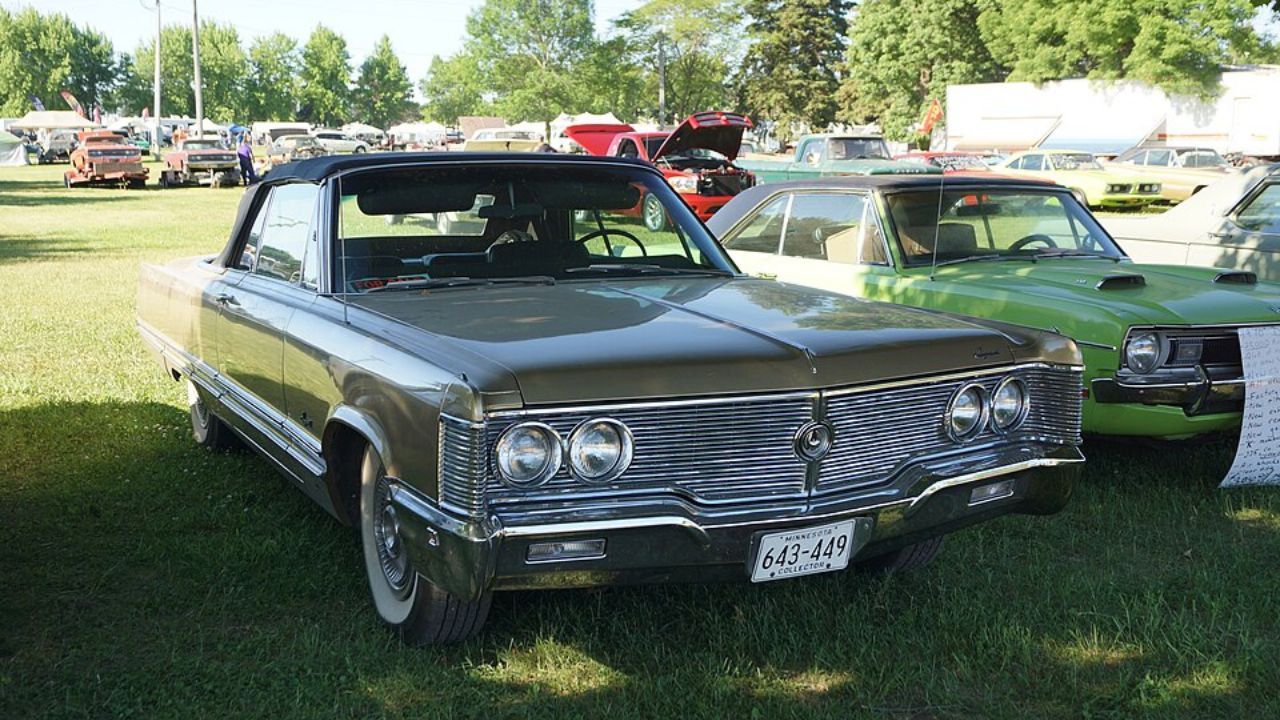
The Imperial Crown represented an era when luxury meant generous proportions, effortless power, and uncompromising comfort. Chrysler’s flagship sedan featured elegant styling, a spacious cabin, and a smooth 440-cubic-inch V8 that made long-distance travel feel effortless. While Cadillac often dominated the luxury conversation, the Imperial offered its own distinctive blend of craftsmanship and refinement. Today, its imposing presence and attention to detail make it a standout among classic American luxury cars from the late 1960s.
1986 Yugo GV

Few cars have earned a reputation as colorful as the Yugo GV, but its story is more interesting than the jokes suggest. Imported to America as the country’s least expensive new car, it promised affordable transportation for buyers who couldn’t stretch their budgets any further. Although quality issues ultimately damaged its reputation, the Yugo succeeded in making new-car ownership accessible to thousands of Americans. Its unusual history and cultural impact have turned surviving examples into unexpected collector favorites.
1974 Mercury Capri

Although it wore a Mercury badge, the Capri delivered a distinctly European driving experience. Built by Ford of Europe and imported through Lincoln-Mercury dealerships, it emphasized nimble handling, balanced performance, and compact dimensions instead of raw horsepower. Available with several four-cylinder and V6 engines, the Capri appealed to drivers who wanted something different from Detroit’s traditional coupes. Its blend of European engineering and American accessibility helped it carve out a unique place in Mercury’s history.
1978 Ford Fairmont

The Ford Fairmont never relied on dramatic styling to attract buyers, but beneath its conservative sheet metal was one of the most important engineering developments in Ford history. It introduced the versatile Fox platform, which would eventually underpin everything from family sedans to the legendary Fox-body Mustang. The Fairmont offered practical transportation when buyers needed it most, while its lightweight chassis later became a favorite among racers and performance enthusiasts looking for hidden potential.
1969 Saab 99
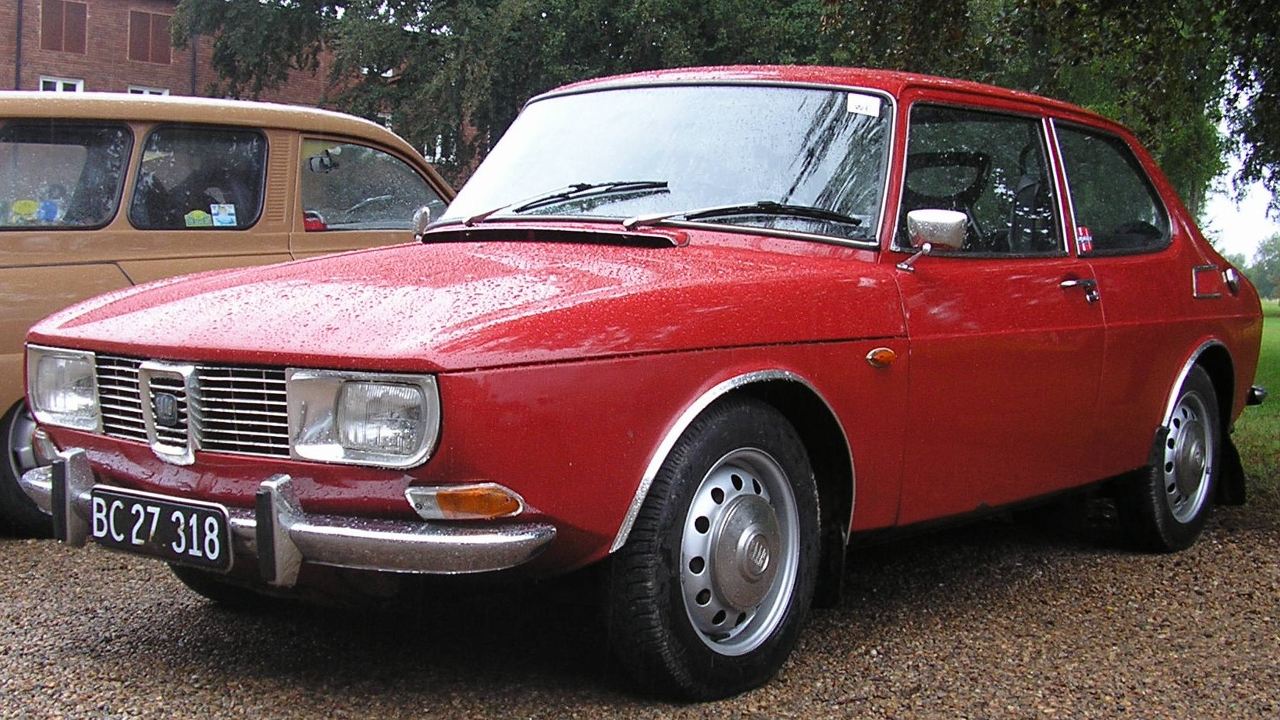
The Saab 99 established many of the qualities that enthusiasts would later associate with the Swedish brand. It combined front-wheel drive, thoughtful ergonomics, innovative safety engineering, and practical Scandinavian design into one highly distinctive package. Rather than chasing luxury or performance alone, Saab focused on building a car that excelled in everyday driving conditions. That philosophy earned the 99 a loyal following and laid the foundation for iconic models like the Saab 900.
1970 Buick Riviera
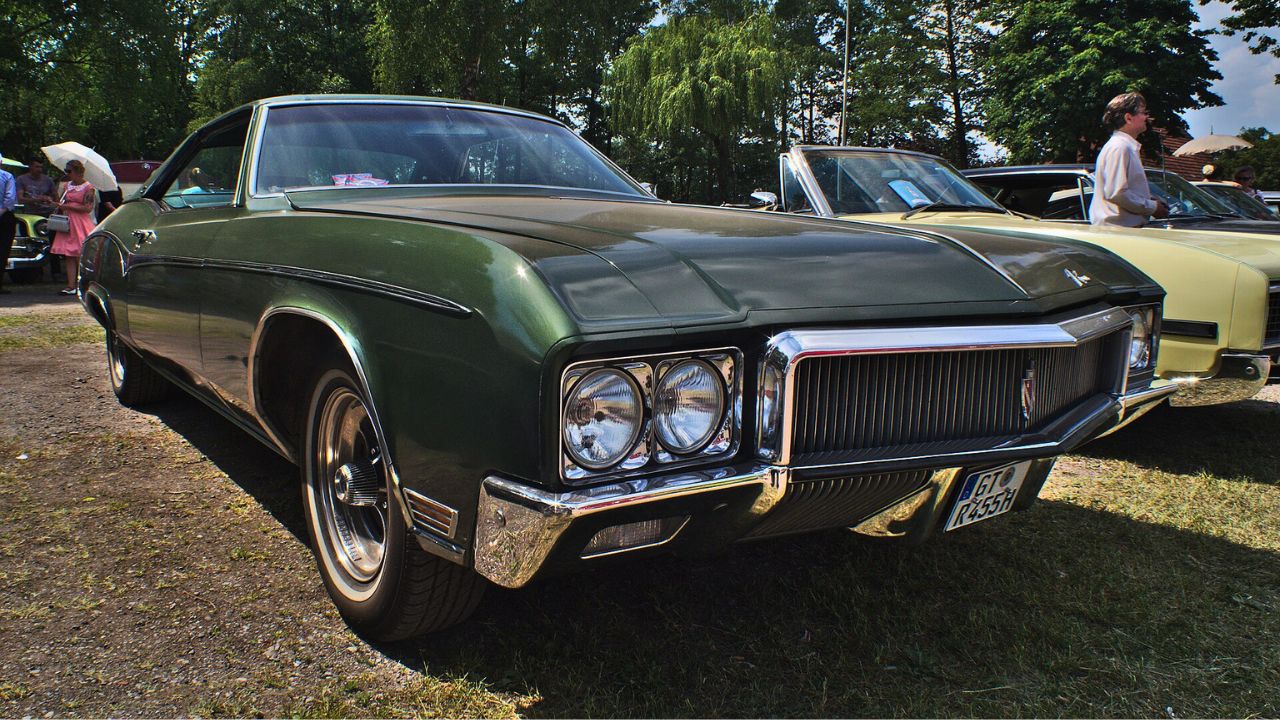
The Buick Riviera demonstrated that personal luxury could still have unmistakable style. Its elegant proportions, hidden headlights, and powerful 455-cubic-inch V8 created a grand touring coupe that balanced refinement with effortless performance. Rather than competing directly with muscle cars, the Riviera appealed to buyers who wanted comfort, sophistication, and confident road manners. Its timeless styling continues to make it one of Buick’s most admired classics.
1969 Ford XL
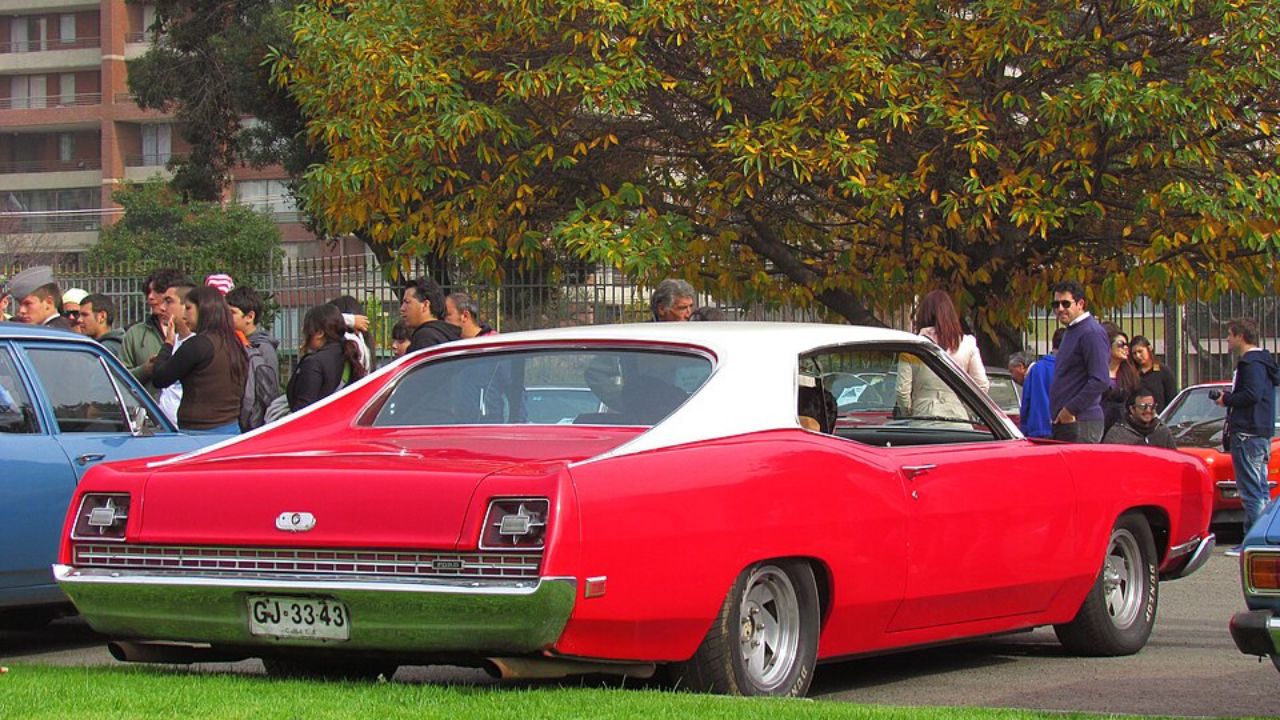
Overshadowed by the Mustang and Torino, the Ford XL quietly appealed to drivers who wanted full-size comfort without giving up V8 performance. Available with engines ranging from smooth cruisers to the legendary 428 Cobra Jet, the XL proved that a family-sized coupe could still deliver excitement. Its understated styling and spacious interior made it ideal for long-distance travel, giving buyers an appealing alternative to smaller, more aggressive muscle cars.
1971 Plymouth Cricket

The Plymouth Cricket was Chrysler’s answer to the growing demand for imported compact cars. Sourced from the United Kingdom and based on the Hillman Avenger, it offered simple engineering, respectable fuel economy, and practical transportation at a time when American buyers were beginning to embrace smaller vehicles. Although it enjoyed only a brief stay in U.S. showrooms, the Cricket’s unusual origins and rarity have made it one of Plymouth’s most distinctive and often-overlooked classic models.
More from Fast Lane Only