The Ford Mustang, an iconic symbol of American muscle, was not just celebrated for its speed and style; it also instilled a unique sense of fear in those who dared to drive it. This article delves into the often-overlooked reasons that contributed to this fearsome reputation.
The Birth of the Mustang: Performance Meets Power
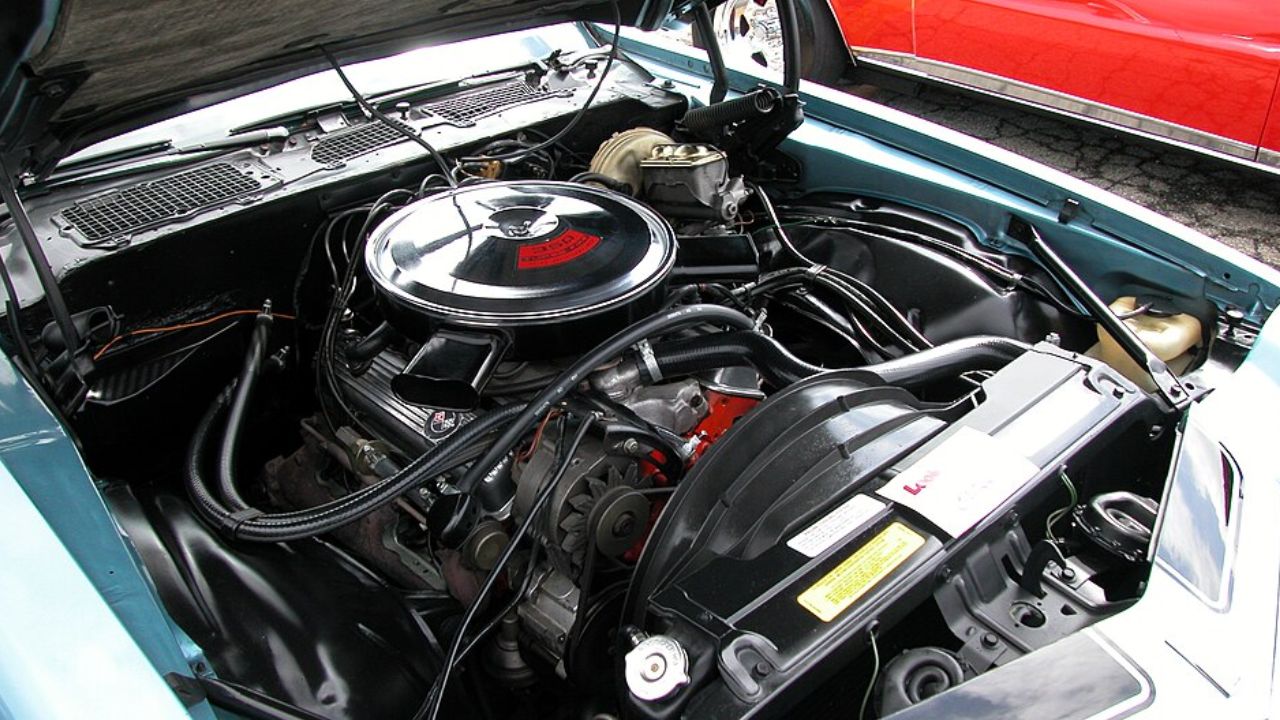
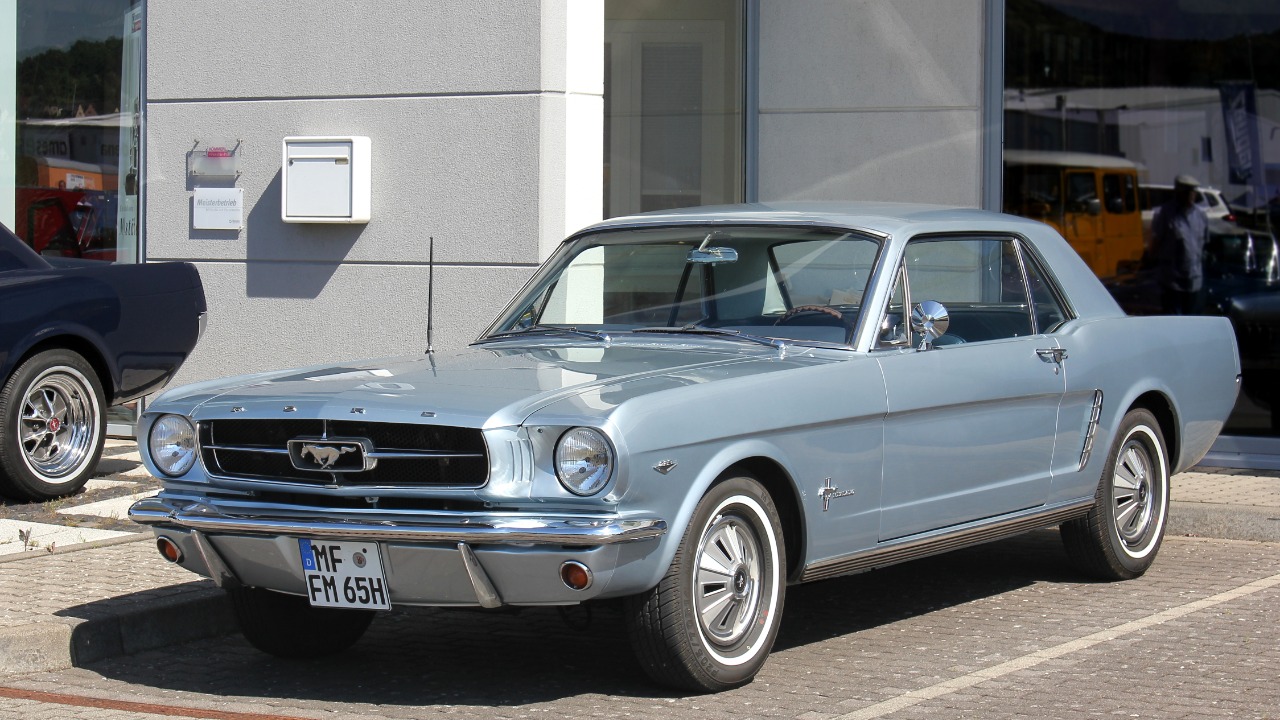
The Ford Mustang made its grand debut in 1964, quickly carving out a significant place in automotive history. It was a vehicle that combined performance and style, appealing to a burgeoning youth market eager for speed and excitement. The Mustang was a game-changer, introducing the concept of the “pony car” and setting the stage for a new era of American muscle. Featuring a wide range of powerful engine options, including the renowned 289 V8, early models of the Mustang delivered exhilarating performance that was both thrilling and, at times, overwhelming for less experienced drivers.
As I reflect on the Mustang’s early days, it’s evident that its sleek design and aggressive stance were intentional strategies aimed at attracting younger consumers. This focus on youth culture inadvertently raised the stakes for inexperienced drivers who may not have been prepared for the raw power that lay beneath the hood. The Mustang became a rite of passage for many, but with that came a sense of trepidation, especially for those who had never driven a high-performance vehicle before.
The Muscle Car Culture: A Double-Edged Sword
The 1960s and 1970s were a golden age for muscle cars, and the Mustang was at the forefront of this cultural phenomenon. The allure of the muscle car was not just in its performance but also in its representation of freedom, rebellion, and social status. Young drivers, influenced by their peers and the media, found themselves caught in a cycle of peer pressure that pushed them to drive faster and take risks. The Mustang’s reputation for speed and power made it a symbol of status among young enthusiasts, but it also came with a darker side—a heightened sense of danger.
The role of illegal street racing cannot be overlooked in this context. As I spoke with former Mustang drivers, many recounted tales of late-night races that took place on empty roads, where the thrill of competition often outweighed the risks involved. These races contributed significantly to the Mustang’s fear factor, as the adrenaline-fueled atmosphere coupled with the powerful engines often led to disastrous outcomes. The Mustang was not just a car; it was a ticket to a high-stakes game that left many feeling exhilarated yet terrified.
Handling and Technology: A Balancing Act
When it comes to driving a Mustang, handling plays a crucial role in the overall experience. The rear-wheel-drive configuration combined with powerful acceleration made for an exhilarating ride, but it also presented challenges, especially for novice drivers. The Mustang’s performance capabilities often encouraged aggressive driving, which, when paired with inexperienced hands, could lead to loss of control. I remember discussing this with a former Mustang owner who recalled how easy it was to spin out during sharp turns if the driver wasn’t careful.
Moreover, the technological limitations of early Mustangs, particularly in terms of braking systems and safety features, only added to the stakes. The drum brakes found in many early models, for example, were less effective than modern braking systems, often requiring a skilled driver to navigate safely. These limitations, combined with a lack of advanced safety features such as anti-lock brakes and traction control, made the Mustang a challenging vehicle to manage. This complexity added an intimidating layer for those who may not have had the requisite experience behind the wheel, cementing its reputation as a car that demanded respect.
Notorious Incidents and the Mustang’s Reputation
Throughout its history, the Mustang has been involved in numerous infamous accidents that have contributed to its fearsome reputation. One particularly notable incident occurred in 1967 when a Mustang driver lost control during a street race in Los Angeles, crashing into a crowd of onlookers. The repercussions were severe, leading to increased scrutiny of muscle cars and their safety. This incident, among others, fueled media narratives that painted the Mustang as a dangerous machine, further embedding fear into the hearts of potential drivers.
Personal anecdotes from drivers also illustrate the challenges faced while navigating the Mustang’s powerful engine. One driver shared a harrowing experience of nearly losing control while accelerating on a highway. The surge of power was thrilling, but the realization that he could easily spin out or crash prompted a healthy dose of fear. Such stories highlight the Mustang’s dual nature—an exhilarating ride that could quickly turn perilous, reinforcing the perception of the vehicle as both a beloved icon and a fear-inducing beast.
The Evolution of the Mustang: From Fear to Respect
As the automotive industry evolved, so did the Ford Mustang. Over the decades, the Mustang has undergone significant changes in terms of power, technology, and safety, shifting its image from a feared beast to a respected icon. The introduction of modern Mustangs, such as the 2015 Mustang GT, showcased an impressive blend of performance and user-friendliness, making it more accessible to a broader range of drivers. With advanced safety features, improved handling, and cutting-edge technology, today’s Mustangs strike a balance that allows drivers to enjoy the thrill of speed without the overwhelming fear that once accompanied earlier models.
Reflecting on this evolution, it’s clear that the Mustang has managed to adapt while retaining its muscle car roots. The introduction of features like electronic stability control and advanced braking systems has transformed the driving experience, allowing for a more manageable and safer ride. The shift in perception is evident; the Mustang is now viewed more as a performance vehicle that combines power with practicality, appealing to both seasoned enthusiasts and new drivers alike.
The Lasting Impact: Lessons Learned from the Mustang Experience
The Mustang’s reputation has had lasting implications not only for Ford but for the automotive industry as a whole. The lessons learned from the Mustang experience have shaped safety regulations and driving education, emphasizing the importance of responsible driving in high-performance vehicles. As I spoke with automotive safety experts, it became clear that the Mustang’s tumultuous past has prompted a greater focus on educating drivers about the risks and responsibilities that come with powerful cars.
Moreover, the broader implications for muscle cars and high-performance vehicles in contemporary society are noteworthy. The legacy of the Mustang serves as a reminder that with great power comes great responsibility. As muscle cars continue to evolve, the focus on safety and driver education remains paramount, ensuring that the exhilarating experience of driving a powerful vehicle does not come at the expense of safety.
More from Fast Lane Only
- Unboxing the WWII Jeep in a Crate
- 15 rare Chevys collectors are quietly buying
- 10 underrated V8s still worth hunting down
- Police notice this before you even roll window down
*Research for this article included AI assistance, with all final content reviewed by human editors.