Automotive progress rarely happens in a straight line. Every so often, a manufacturer creates a vehicle with technology, design, or engineering concepts that seem out of place because they arrive before buyers and rivals are ready. These cars introduced ideas that later became industry standards, even if they were overlooked when new. Their innovation helped shape the future and proved that bold thinking sometimes takes years to receive proper recognition.
Citroën DS
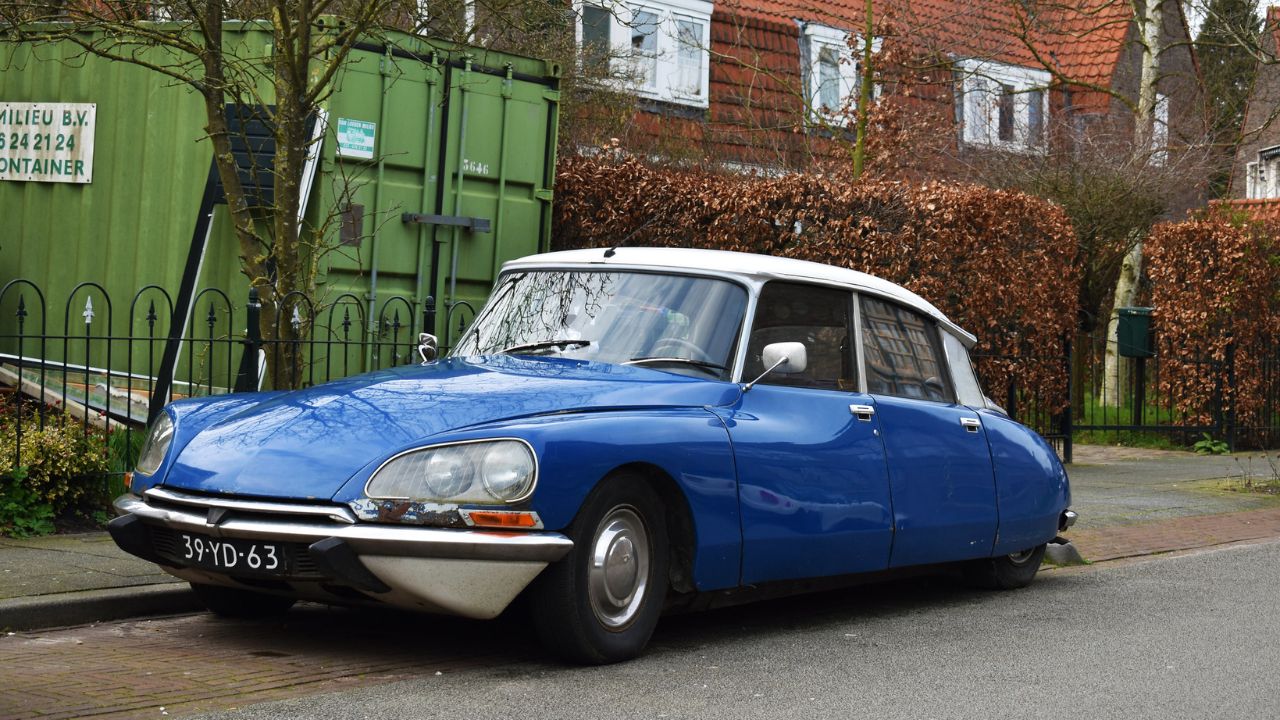
The Citroën DS looked like a machine from another era when it debuted in 1955. Its futuristic styling was matched by groundbreaking engineering, including hydropneumatic suspension, advanced aerodynamics, and innovative braking technology. The DS delivered a level of comfort and handling sophistication that few vehicles could match at the time. While other manufacturers were still refining traditional designs, Citroën was already imagining what the modern automobile could become.
Audi Quattro
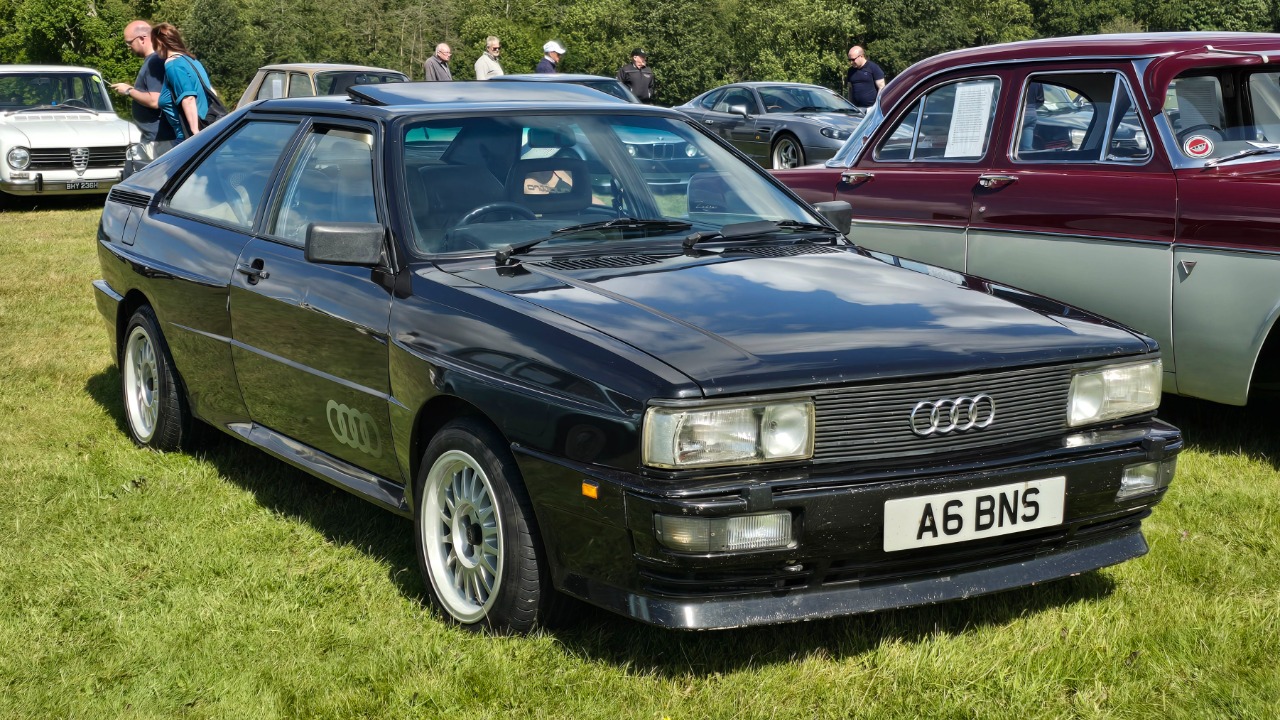
The Audi Quattro changed performance car engineering by proving that all-wheel drive could deliver serious advantages on the road and track. Introduced in 1980, it combined turbocharged power with a revolutionary drivetrain that transformed rally racing. Before the Quattro, all-wheel drive was mostly associated with off-road vehicles. Audi showed that it could improve performance, traction, and confidence, influencing nearly every modern high-performance vehicle that followed.
Oldsmobile Toronado
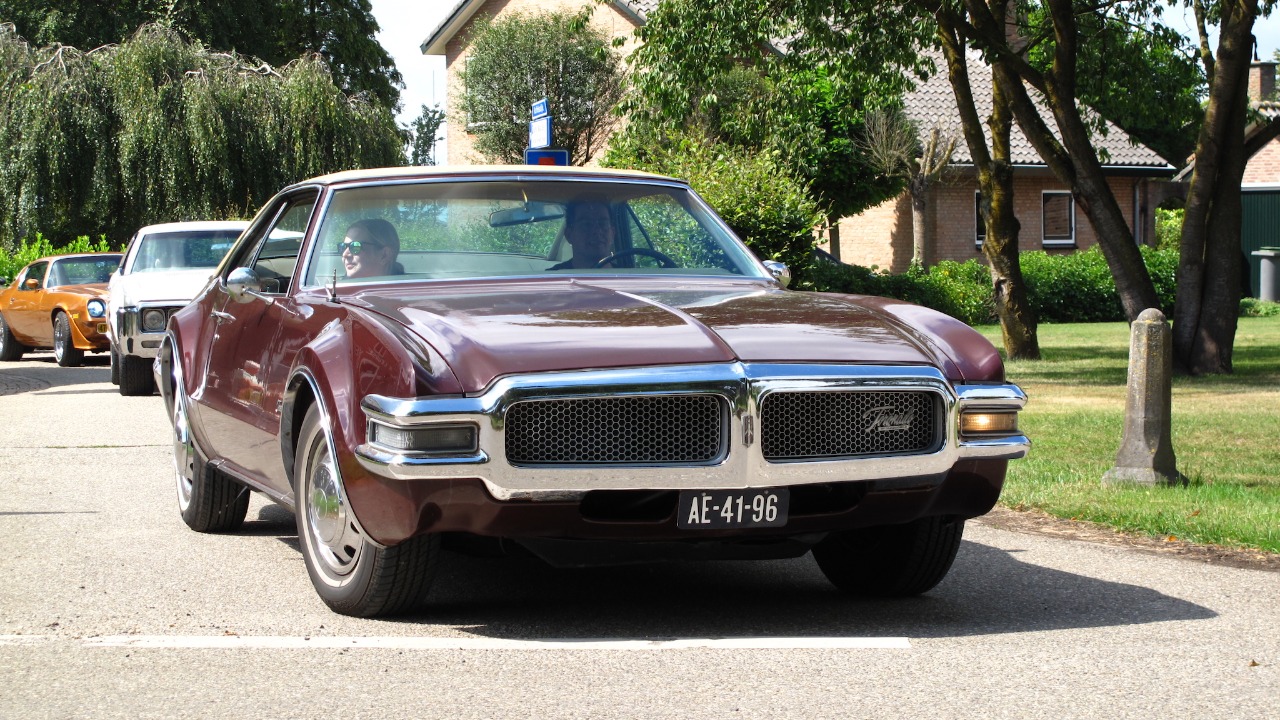
The Oldsmobile Toronado challenged decades of automotive tradition by introducing a powerful front-wheel-drive layout in a full-size American coupe. When it arrived in 1966, most performance cars relied on rear-wheel drive. The Toronado proved that front-wheel drive could handle substantial power while offering improved packaging and unique engineering benefits. Its advanced drivetrain made it one of the most technically ambitious American cars of its generation.
Lexus LS400

The Lexus LS400 completely changed expectations for luxury cars when it launched in 1989. It delivered exceptional build quality, quiet operation, reliability, and refinement at a price that challenged established European brands. While luxury manufacturers focused heavily on prestige, Lexus focused on engineering perfection and customer experience. Its success forced competitors to rethink quality standards and helped reshape the global luxury car market.
Mercedes-Benz 300SL Gullwing
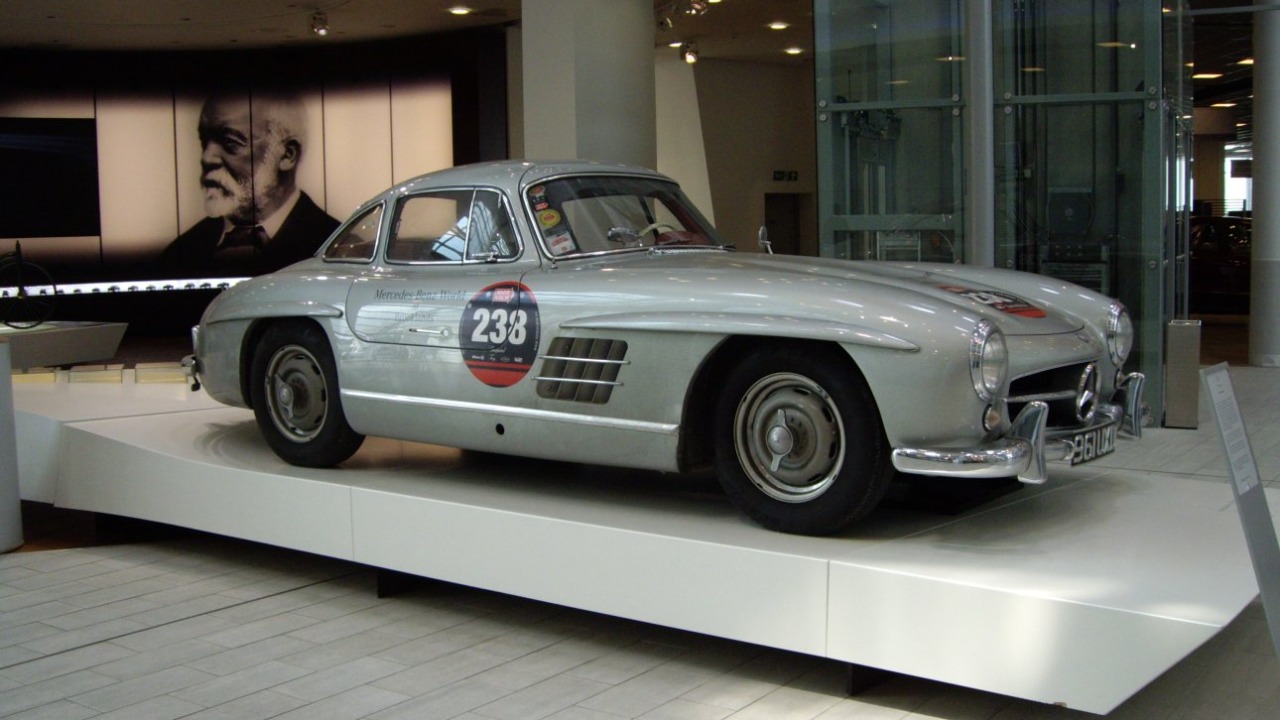
The Mercedes-Benz 300SL Gullwing introduced technology and design elements that seemed far ahead of the early 1950s. Its lightweight tubular frame, fuel-injected engine, and dramatic gullwing doors made it unlike anything else on the road. Originally developed from racing technology, it brought competition-inspired engineering to road cars. The 300SL became a symbol of innovation and remains one of the most influential sports cars ever built.
Tesla Model S
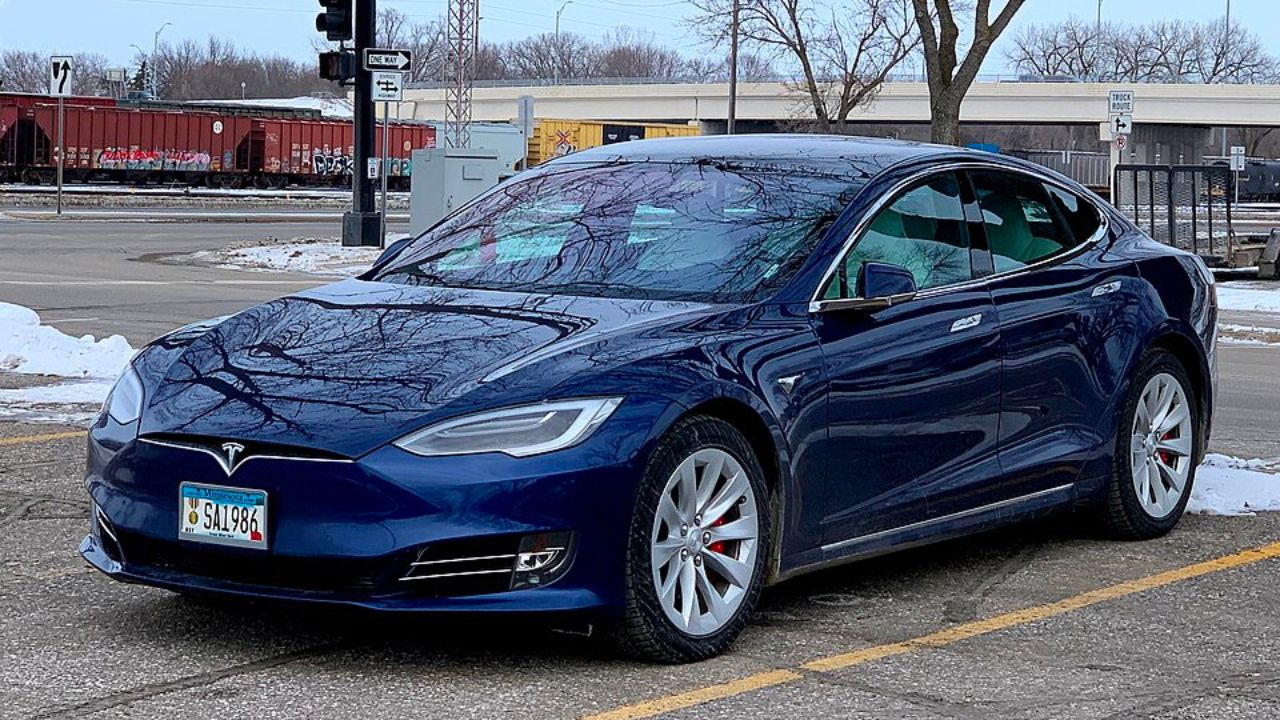
The Tesla Model S changed how the world viewed electric vehicles by proving they could offer luxury, speed, and long-distance capability. When it arrived, many buyers still associated electric cars with limited range and basic transportation. The Model S challenged that perception with impressive acceleration, advanced software, and over-the-air updates. Its success pushed traditional automakers to accelerate their own electric vehicle development.
Honda/Acura NSX
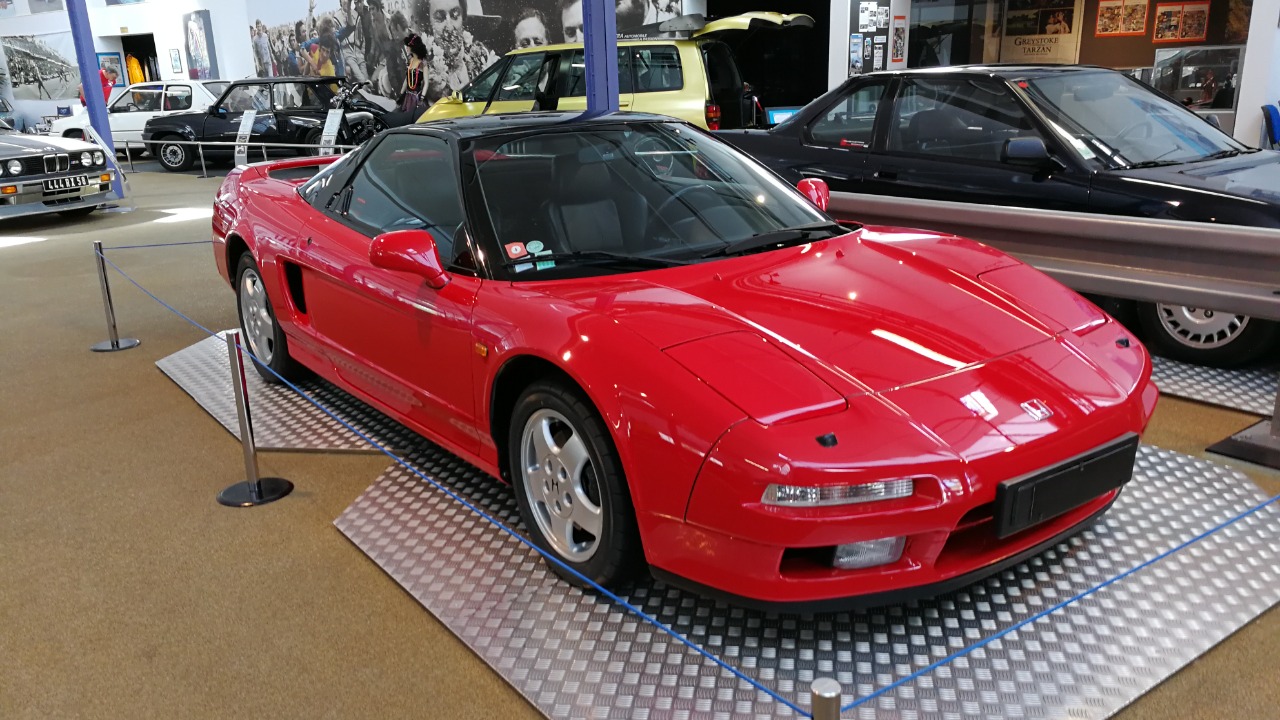
The Acura NSX redefined what an exotic sports car could be by combining supercar performance with everyday reliability. Its aluminum construction, precision engineering, and driver-focused design challenged the idea that high-performance cars had to be difficult to own. Ferrari and other manufacturers were forced to pay attention as the NSX demonstrated that advanced engineering could create both excitement and dependability in the same package.
BMW i3
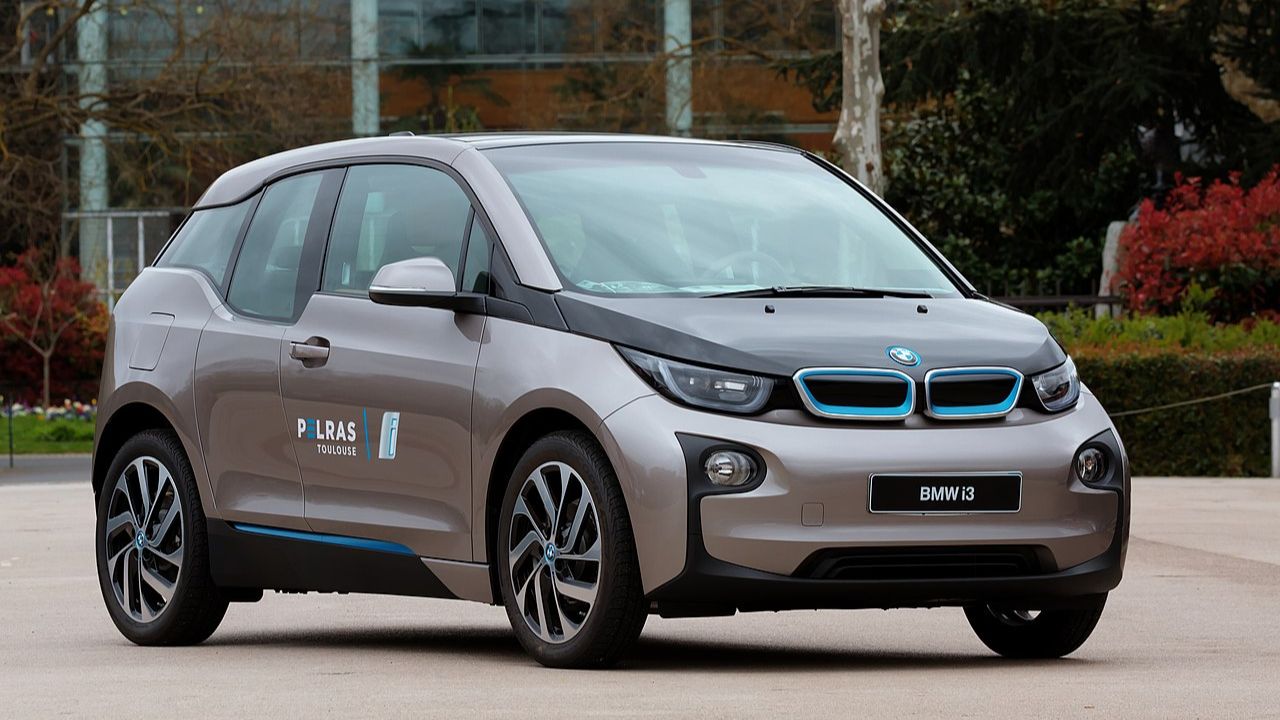
The BMW i3 was a bold experiment that pushed electric vehicle design in a completely different direction. Its carbon-fiber passenger cell, rear-mounted electric motor, and sustainable materials were unlike anything most manufacturers were offering at the time. Although its unusual styling divided buyers, the i3 showcased advanced manufacturing techniques and forward-thinking urban mobility concepts that continue to influence electric vehicle development.
Toyota Prius

The Toyota Prius introduced hybrid technology to mainstream buyers and changed the conversation around fuel efficiency. When it arrived in the late 1990s, few people believed a practical hybrid vehicle could succeed globally. Its combination of electric and gasoline power became a blueprint for future hybrid systems used across the industry. The Prius proved that environmental technology could become practical, reliable, and widely accepted by everyday drivers.
More from Fast Lane Only
- Unboxing the WWII Jeep in a Crate
- 15 rare Chevys collectors are quietly buying
- 10 underrated V8s still worth hunting down
- Police notice this before you even roll window down
*Research for this article included AI assistance, with all final content reviewed by human editors.