The Plymouth Superbird is often celebrated for its striking design and racing pedigree, but a lesser-known aspect of its legacy lies in how it revolutionized automotive engineering and marketing during a pivotal time in automotive history. While many enthusiasts focus on its bold aesthetics and track success, it’s essential to delve deeper into how the Superbird’s innovative features and strategic positioning contributed to its legendary status.
The Birth of the Superbird: Context and Concept
The late 1960s and early 1970s were a transformative period for the automotive industry, marked by the rise of muscle cars and the growing popularity of NASCAR. Automakers were in a race to create vehicles that not only appealed to the consumer market but also adhered to the strict regulations of stock car racing. Plymouth, a division of Chrysler, recognized that to make a mark in both arenas, it needed a car that would stand out on the track and in showrooms.
As a response to the increasing competition in NASCAR, Plymouth developed the Superbird as part of a corporate strategy that included building performance-oriented vehicles that could be marketed as both race cars and consumer products. The Superbird was designed specifically to comply with NASCAR’s homologation rules, which required manufacturers to produce a certain number of street versions of their race cars. This blend of marketing and engineering innovation allowed Plymouth to leverage the excitement of racing to boost sales.
Innovative Design Features
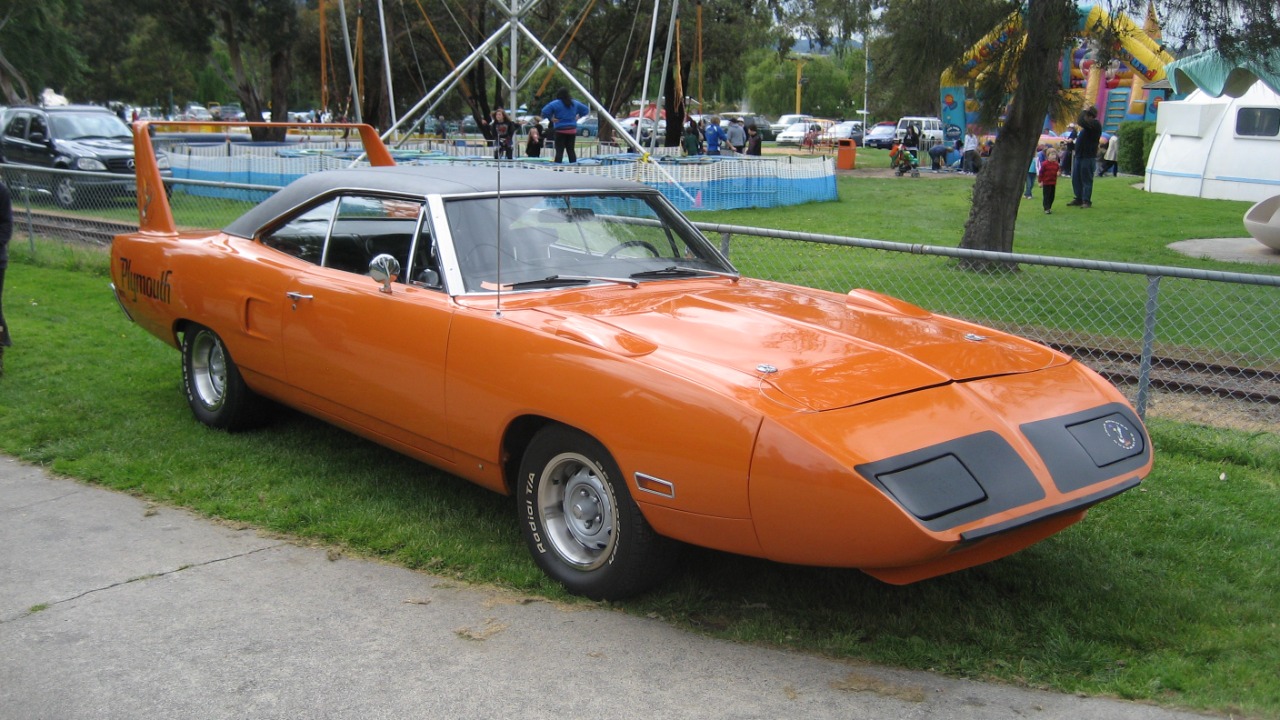
The Superbird’s design is perhaps its most striking feature, characterized by its unique aerodynamic elements. The car featured an elongated nose cone and a massive rear wing that, when combined, created a silhouette that was unlike anything else on the road. These design elements weren’t just for show; they were the result of extensive wind tunnel testing aimed at improving the vehicle’s aerodynamics and stability at high speeds.
Unlike contemporaneous models such as the Chevrolet Camaro or Ford Mustang, which adhered to more traditional design cues, the Superbird boldly embraced a radical approach. The incorporation of the nose cone helped to reduce drag, while the rear wing generated downforce, allowing the car to maintain grip during high-speed cornering. This innovative design was not just a marketing gimmick; it reflected a genuine commitment to performance and engineering excellence.
Performance and Engineering Breakthroughs
The Superbird was offered with several powerful engine options, including the legendary 426 HEMI V8 and the 440 cubic inch V8, both of which were designed to deliver exhilarating performance on the track. The HEMI engine, in particular, became a symbol of American muscle, known for its raw power and distinctive sound. This focus on engineering excellence set the Superbird apart from its competitors, providing it with a performance edge that resonated with both racers and enthusiasts.
Moreover, the Superbird was equipped with features that were groundbreaking for its time, such as heavy-duty suspension systems and unique gearing ratios tailored for racing. These engineering innovations not only enhanced the car’s performance but also shaped consumer perceptions. Owners felt they were driving a piece of history, and this allure contributed to the Superbird’s status as a coveted collector’s item.
The Superbird’s Cultural Impact
The Superbird transcended its role as just a performance vehicle; it became a cultural icon. Its distinctive aesthetics and racing pedigree have made it a fixture in popular culture, appearing in various films, television shows, and media outlets. From its notable appearances in the classic film “Vanishing Point” to its recognition in automotive documentaries, the Superbird has maintained a prominent presence in the collective consciousness of car enthusiasts.
The role of fan communities and car enthusiasts cannot be understated in keeping the Superbird’s legacy alive. Online forums, such as Reddit’s r/cars, are filled with passionate discussions about the car’s history, engineering, and cultural significance. Additionally, social media platforms like Instagram and Facebook have become vital for owners and fans to share stories, photos, and restoration projects. The community around the Superbird is a testament to its lasting impact on automotive culture.
The Superbird Today: A Legend Rediscovered
In recent years, there has been a notable resurgence of interest in classic muscle cars, including the Plymouth Superbird. This renewed enthusiasm can be seen at car shows, auctions, and through various online platforms where owners showcase their prized possessions. The Superbird, once overshadowed by newer models, is now being celebrated for its unique place in automotive history.
Car shows and auctions have become prime venues for Superbird enthusiasts to gather, share their passion, and appreciate these legendary vehicles. Events such as the Muscle Car and Corvette Nationals and the Mecum Auctions have featured Superbirds, drawing attention from collectors and fans alike. The power of social media in reviving the Superbird’s fame cannot be overlooked, with pages dedicated to the car’s history and restoration projects, such as Donut Media’s post highlighting its storied past.
Lessons from the Superbird’s Legacy
The story of the Plymouth Superbird offers valuable insights for the future of automotive design and marketing. In an industry that is rapidly evolving with the rise of electric vehicles and autonomous technology, the Superbird’s legacy serves as a reminder of the importance of innovation. The blend of performance, design, and cultural relevance showcased by the Superbird can inform current and future automotive strategies.
As manufacturers navigate the complex landscape of modern automotive trends, the lessons learned from the Superbird’s engineering and marketing strategies can provide a roadmap for success. Emphasizing creativity in design, understanding customer desires, and harnessing the power of community engagement are crucial components in developing vehicles that resonate with consumers. The Superbird teaches us that performance and design are not just about numbers; they are also about storytelling and creating an emotional connection with the audience.
More from Fast Lane Only
- Unboxing the WWII Jeep in a Crate
- 15 rare Chevys collectors are quietly buying
- 10 underrated V8s still worth hunting down
- Police notice this before you even roll window down
*Research for this article included AI assistance, with all final content reviewed by human editors.