John DeLorean’s legacy is often overshadowed by the iconic car that bore his name, but his life story is a fascinating tapestry of innovation, ambition, and controversy. His journey, marked by significant achievements and dramatic downfalls, deserves recognition beyond the glimmering surface of the DMC-12. This exploration of DeLorean’s life, the development of the car, and the impact on the automotive industry reveals the complexities behind the man and his machine.
The Early Life of John DeLorean
Born on January 6, 1925, in Detroit, Michigan, John DeLorean was the son of a Hungarian immigrant. His upbringing in a working-class family instilled in him a strong work ethic and a relentless drive for success. DeLorean pursued engineering at the Lawrence Institute of Technology, later earning a degree in electrical engineering. His education equipped him with the technical skills that would later reshape the automotive industry.
DeLorean’s career began at General Motors (GM) in 1956, where he quickly rose through the ranks, thanks to his innovative ideas and keen business acumen. He worked on several notable projects, including the Pontiac Tempest and the Chevrolet Corvette. His rapid ascent was influenced by mentors such as Bunkie Knudsen, who encouraged his vision of creating cars that were not only functional but also exciting. This mentorship played a pivotal role in shaping DeLorean’s approach to automotive design.
The Visionary Behind the Pontiac GTO
One of DeLorean’s most significant contributions to automotive history was his role in the creation of the Pontiac GTO. Launched in 1964, the GTO is often credited as the car that ignited the muscle car era. DeLorean’s vision was to combine performance with style, resulting in a vehicle that appealed to young, thrill-seeking drivers. The GTO’s success not only solidified DeLorean’s reputation as a forward-thinking automotive executive but also redefined the American car culture of the time.
The GTO’s impact was profound, ushering in a new era of performance vehicles characterized by powerful engines and aggressive styling. DeLorean’s ingenuity contributed to the muscle car craze, which saw cars like the Chevrolet Camaro and Ford Mustang rise to prominence. His work on the GTO exemplified how a well-executed marketing strategy could transform a car into a cultural icon, influencing the automotive landscape for decades to come. For a deeper understanding of the GTO’s legacy, consider exploring resources like this article.
The Birth of the DeLorean Motor Company
Despite his successes at GM, DeLorean felt constrained by corporate bureaucracy. In 1973, driven by a desire for independence and a vision of creating something revolutionary, he left GM to start the DeLorean Motor Company (DMC). His ambitious goal was to produce a sports car that would rival the best in the world, leading to the creation of the DMC-12, known for its distinctive design and innovative features.
Securing funding for DMC proved to be a significant challenge. DeLorean sought investors who shared his vision but faced skepticism due to his lack of experience as an entrepreneur. Despite these obstacles, he managed to raise capital through various channels, including the support of the British government, which offered incentives for establishing a manufacturing base in Northern Ireland. This partnership was aimed at boosting the local economy, but it also set the stage for the challenges that lay ahead in the production of the DMC-12.
Designing the DMC-12: A Blend of Innovation and Controversy
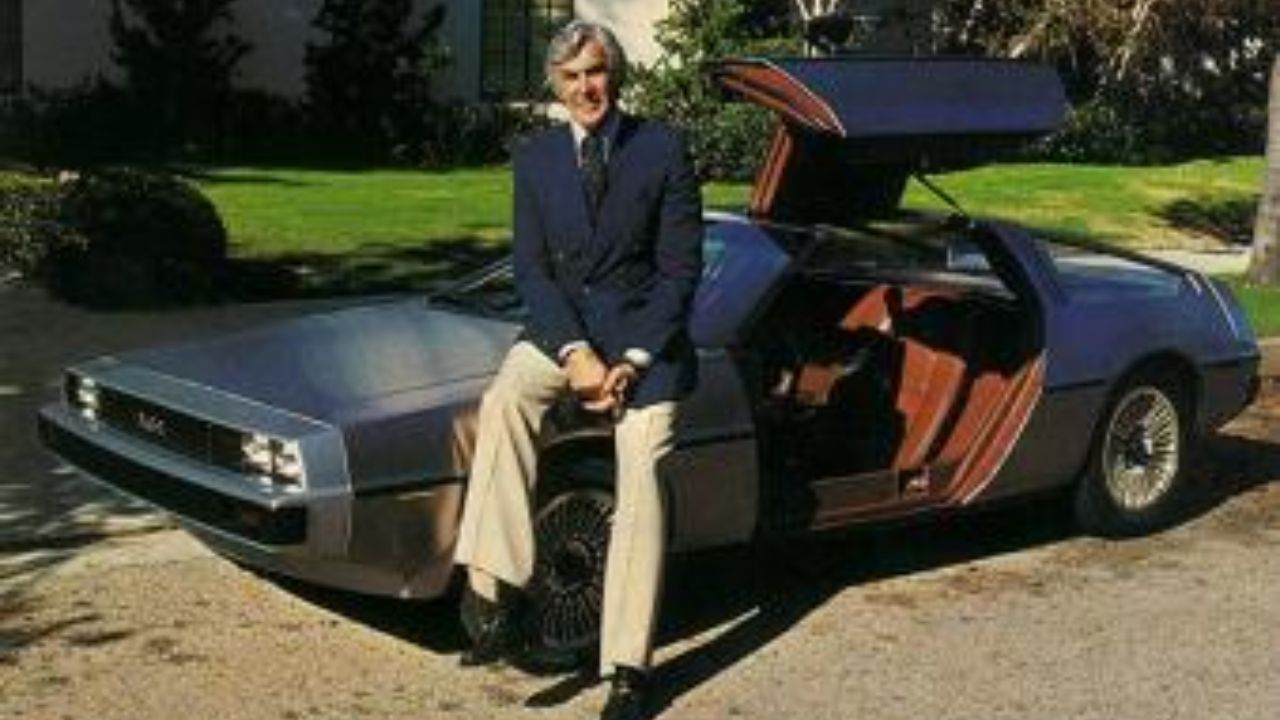
The DMC-12, which debuted in 1981, was designed by Giugiaro, a renowned automotive designer. Its most recognizable features included the stainless steel body and gullwing doors, which not only added to its futuristic aesthetic but also posed engineering challenges. The decision to use stainless steel was rooted in a desire for a low-maintenance exterior, yet it complicated the manufacturing process and significantly increased production costs.
Public and industry reactions to the DMC-12’s design were mixed. While many praised its innovative features and striking appearance, some critics questioned its performance and reliability. The car’s reputation suffered from production delays and quality control issues, which would later plague DMC. Despite these challenges, the DMC-12 became a symbol of innovation in automotive design, pushing the boundaries of what a sports car could be.
The DMC-12’s Production and Launch
The production of the DMC-12 took place at a newly established factory in Northern Ireland, a venture that was met with both optimism and skepticism. DeLorean aimed to create jobs and stimulate the local economy, but the factory faced numerous hurdles, including production delays and issues with quality control. These challenges became apparent during the early stages of manufacturing, as the ambitious goals set by DeLorean clashed with the realities of automotive production.
The marketing strategy for the DMC-12 was equally ambitious. DeLorean envisioned a car that would appeal to both affluent buyers and everyday consumers, positioning it as a vehicle of the future. However, the initial reception was lukewarm, as the car’s high price tag and production issues led to disappointment among potential buyers. Despite the setbacks, the DMC-12 gained a cult following, thanks in part to its unique design and the buzz surrounding its launch.
The Cultural Phenomenon: DMC-12 in Popular Media
One of the most significant boosts for the DMC-12 came from its appearance in the “Back to the Future” franchise. In the 1985 film, the DMC-12 is transformed into a time machine, capturing the imagination of audiences worldwide. This association with time travel and adventure elevated the car’s status to that of a cultural phenomenon, making it a symbol of innovation and nostalgia.
The DMC-12’s role in popular culture has had a lasting impact on automotive enthusiasts and collectors. The car has transcended its original purpose, becoming a sought-after collectible and a staple at car shows and events. Its unique design and connection to “Back to the Future” have solidified its status as an icon in the automotive world. For those interested in the cultural significance of the DMC-12, further insights can be found in resources like this book.
The Downfall: Financial Troubles and Legal Issues
Unfortunately, the excitement surrounding the DMC-12 could not overshadow the financial troubles that plagued the DeLorean Motor Company. By 1982, the company faced mounting debts and production setbacks, leading to a significant decline in sales. Factors such as economic downturns and stiff competition from established automakers contributed to DMC’s struggles. The once-promising venture was spiraling towards bankruptcy.
Adding to the turmoil, DeLorean became embroiled in legal issues that further tarnished his reputation. In 1982, he was arrested and charged with drug trafficking after a controversial FBI sting operation. The scandal shocked the automotive community, as DeLorean had been a celebrated figure just a short time prior. The public perception of DeLorean shifted dramatically; he went from being a visionary entrepreneur to a man embroiled in controversy and legal battles, a narrative that would haunt him for years.
The Legacy of John DeLorean
Despite the controversies and challenges, John DeLorean’s impact on the automotive industry is undeniable. His innovative spirit and willingness to challenge the status quo paved the way for future entrepreneurs and designers. The principles he championed—design, performance, and consumer engagement—continue to influence modern automotive trends and practices.
In reflecting on DeLorean’s legacy, it becomes clear that he was a complex figure. He is remembered both for his groundbreaking contributions to the automotive industry and the dramatic fall from grace that culminated in the demise of the DeLorean Motor Company. As the years pass, the narrative around DeLorean seems to shift, from a visionary leader to a cautionary tale about the perils of ambition without support.
The Future of the DMC Brand
In recent years, there have been efforts to revive the DeLorean brand, with plans to introduce new models that pay homage to the original DMC-12. The nostalgia surrounding the brand and its association with the “Back to the Future” franchise continues to drive interest among automotive enthusiasts. As consumer preferences evolve, the revival aims to integrate electric vehicle technology while maintaining the distinctive style that made the DMC-12 a classic.
The renewed interest in the DeLorean brand highlights the significance of nostalgia in shaping consumer behavior. As classic automotive brands seek to connect with a new generation of buyers, the legacy of John DeLorean serves as a reminder of the innovative spirit that can drive change. As electric and autonomous vehicles gain traction, the DMC brand may find new life in a rapidly evolving automotive landscape, bridging the gap between past innovations and future technologies.
More from Fast Lane Only