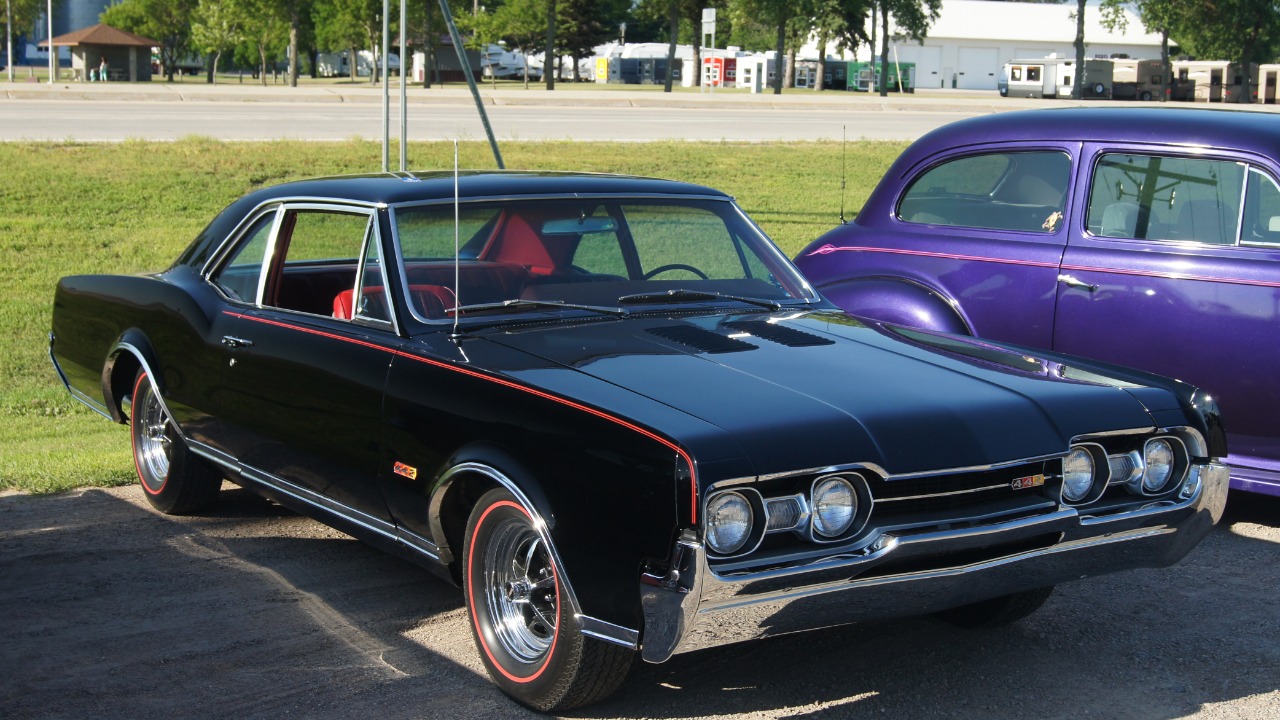
The Oldsmobile 442, once a cornerstone of American muscle cars, seemingly vanished from the automotive landscape for decades. The story of its decline is complex, influenced by shifting consumer preferences, economic challenges, and corporate dynamics. Understanding these factors reveals a deeper narrative about the evolution of American car culture and the enduring legacy of a vehicle that many enthusiasts still hold dear.
The Legacy of the Oldsmobile 442
The Oldsmobile 442 made its debut in 1964 as a performance version of the Oldsmobile F-85. Originally, the name “442” was derived from its four-barrel carburetor, four-speed manual transmission, and dual exhausts. This nomenclature quickly became synonymous with power and performance, capturing the essence of the muscle car era. Throughout the late 1960s and early 1970s, the 442 evolved into a formidable player in the muscle car segment, boasting impressive specifications such as a 455 cubic inch V8 engine that delivered up to 370 horsepower.
Culturally, the Oldsmobile 442 represented an era where American car manufacturers prioritized speed and power, appealing to a generation enamored with performance. It carved out a significant place in pop culture, appearing in films, music, and even television shows. As a muscle car, the 442 was not just a mode of transport; it was a symbol of freedom and rebellion, embodying the spirit of the 1960s and 1970s. The vehicle was celebrated in magazines and car shows, further cementing its status as an icon in American automotive history.
Factors Leading to Discontinuation
As the 1970s progressed, the automotive landscape began to shift dramatically. The oil crisis of 1973 led to skyrocketing fuel prices, which caused consumers to rethink their preferences. Suddenly, the thirst for high-performance muscle cars like the Oldsmobile 442 was overshadowed by a growing demand for fuel-efficient vehicles. As gas prices rose, buyers turned away from gas-guzzling V8 engines in favor of smaller, more economical cars.
In addition to changing consumer preferences, the Oldsmobile brand itself underwent significant corporate restructuring within General Motors. The company decided to streamline its operations and focus on more profitable divisions. This shift marked a decline in the prominence of Oldsmobile, which had long been one of GM’s flagship brands. The combination of the oil crisis and corporate decisions ultimately led to the discontinuation of the 442 in 1980, leaving a void in the muscle car market.
The Resurgence of Interest
The 1990s and early 2000s saw a revival of classic car culture, bringing renewed interest in vehicles like the Oldsmobile 442. As enthusiasts sought to preserve automotive history, classic car shows and restoration projects flourished. The nostalgia for the muscle car era prompted many to reminisce about vehicles that had once dominated American roads, and the 442 was no exception.
Collectors began to seek out the Oldsmobile 442, leading to a resurgence in its popularity. Organizations like the Oldsmobile Club of America played a crucial role in fostering interest and preserving the legacy of the 442. Enthusiasts shared stories, organized events, and worked tirelessly to keep the memory of this iconic car alive. The passion of these automotive aficionados helped to shape the narrative of the 442’s journey, highlighting its significance in American automotive history.
Attempts at a Comeback
In the years following the decline of the Oldsmobile brand, there were several official attempts by General Motors to revive the 442. In 1999, GM introduced a new version of the Oldsmobile 442 as part of the Oldsmobile Alero lineup. This modern iteration aimed to capture the spirit of the original while adapting to contemporary automotive standards. However, the new 442 failed to resonate with consumers as anticipated, leading to its discontinuation shortly after its release.
Additionally, there were concept cars and limited editions that paid homage to the legendary 442. For example, the 2001 Oldsmobile 442 concept showcased modern styling and performance features, but it never made it to production. Despite these efforts, the reception among car enthusiasts was mixed, with many longing for the classic muscle car rather than a new interpretation. The challenge of reviving a storied brand like Oldsmobile proved to be a daunting task, as the automotive landscape continued to evolve.
The Cultural Significance of Disappearance
The emotional connection that fans have with the Oldsmobile 442 runs deep. For many, it represents more than just a car; it embodies a sense of nostalgia and a longing for a bygone era. The disappearance of such iconic vehicles often reflects broader trends in the automotive industry and consumer culture. The decline of the muscle car era, marked by the rise of compact cars and fuel efficiency, has left enthusiasts yearning for the power and freedom associated with cars like the 442.
Media and popular culture have also played a crucial role in shaping the narrative around the 442. Movies like “American Graffiti” and “Two-Lane Blacktop” celebrated the muscle car lifestyle, further embedding vehicles like the Oldsmobile 442 into the fabric of American mythology. As the automotive landscape continues to evolve, the absence of such iconic cars serves as a reminder of the impact they had on a generation and the cultural shifts that have since taken place.
Lessons Learned from the Oldsmobile 442’s Journey
The story of the Oldsmobile 442 offers valuable insights into the auto industry, particularly regarding brand loyalty and consumer engagement. The decline of the Oldsmobile brand illustrates the importance of staying attuned to market trends and consumer preferences. As buyer demographics shift, manufacturers must innovate and adapt to remain relevant in a competitive landscape.
The significance of brand loyalty cannot be overstated. The passionate community surrounding the Oldsmobile 442 is a testament to how strong emotional connections can drive consumer engagement. Lessons from the 442’s journey remind us that understanding and nurturing such relationships can lead to a lasting legacy, even in an industry that is constantly changing.
Ultimately, the evolution of the Oldsmobile 442 serves as a cautionary tale for other automotive brands. As the market continues to shift toward sustainability and electric vehicles, the ability to embrace change while honoring legacy will be crucial for brands to thrive. The 442 may have disappeared from the automotive landscape for decades, but its legacy endures, reminding us of a remarkable chapter in American automotive history.
More from Fast Lane Only
- Unboxing the WWII Jeep in a Crate
- 15 rare Chevys collectors are quietly buying
- 10 underrated V8s still worth hunting down
- Police notice this before you even roll window down
*Research for this article included AI assistance, with all final content reviewed by human editors.