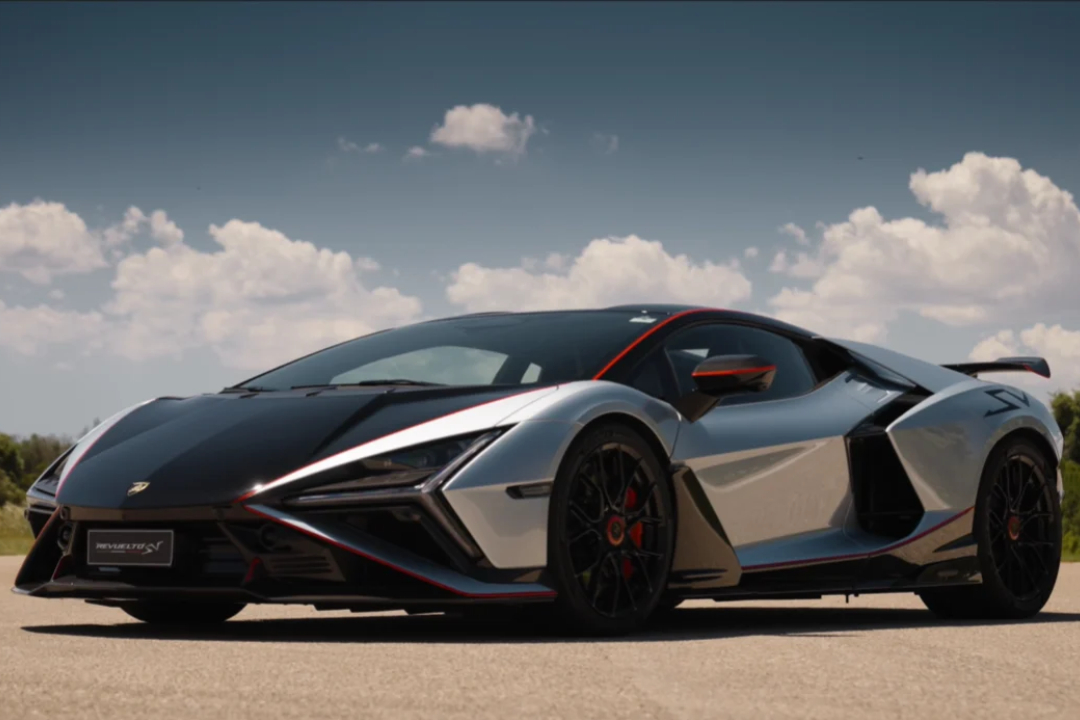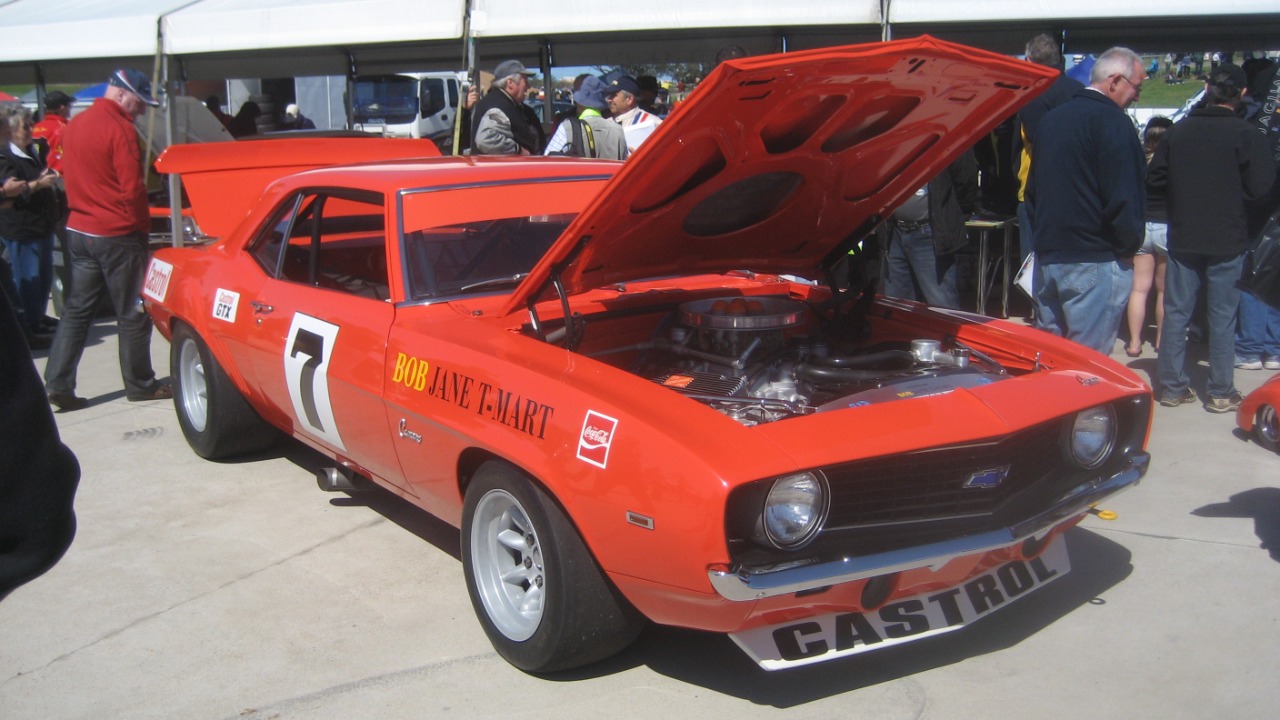
The world of rare V8s is filled with intriguing tales often overshadowed by more popular models. From engineering marvels to limited production runs, these vehicles possess a rich history that deserves to be uncovered. I want to delve into some lesser-known stories behind these captivating machines.
The Origins of Rare V8 Engines
The V8 engine has a storied history that dates back to the early 20th century, when automotive innovation was rapidly evolving. Initially developed for performance, the V8 became synonymous with American muscle cars in the post-World War II era. However, the origins of some rare V8 engines are less known and often involve a mix of ambition and adversity. For example, the Cadillac V8 first emerged in 1915, becoming the first mass-produced V8 engine in the United States. This was a groundbreaking achievement that laid the groundwork for future V8 designs.
Key manufacturers like Ford and Chrysler followed Cadillac’s lead, introducing their own unique V8 designs. Chrysler’s Hemi engine, launched in 1951, was particularly noteworthy for its hemispherical combustion chambers, which allowed for greater airflow and efficiency. However, the development of these engines wasn’t without challenges. Engineers faced numerous technical hurdles, including heat management and balancing, which were crucial for the performance and reliability of these rare machines. The story of the V8 engine is not just about power; it’s also about the innovative minds that dared to push the boundaries of what was possible in automotive engineering.
Legendary Models That Never Made It
Many of the most captivating stories in automotive history revolve around concept cars—those bold prototypes that never made it to production. One of the most ambitious was the 1966 Ford Mustang Cobra. Designed to compete against the likes of Ferrari, this vehicle featured a high-performance V8 engine and a sleek body that turned heads. However, due to market conditions and the changing landscape of consumer preferences, Ford ultimately decided not to produce it. The Mustang Cobra remains a fascinating “what if” in automotive lore.
Market factors often play a significant role in the fate of these legendary models. For instance, the oil crisis of the 1970s led to a shift in consumer demand from powerful V8s to more fuel-efficient options. This shift resulted in the cancellation of several promising V8-powered models. Designers and engineers who worked on these projects often share their regrets in interviews, revealing that many of their unrealized visions were not just about cars, but about the future of performance and technology. Such insights can be found in resources like documentaries and interviews with these industry veterans.
The Unsung Heroes of V8 Racing
While many V8 models have achieved legendary status on the streets, numerous racing V8s remain largely unrecognized despite their significant contributions to motorsport. For instance, the 1970 Ford Torino Talladega, built for NASCAR, featured a unique aerodynamic design that helped it dominate on the track. Despite its success, it never gained the fame of other muscle cars, often overshadowed by the likes of the Chevrolet Camaro and Pontiac Firebird. The Torino Talladega serves as a reminder that not all racing legends achieve iconic status.
Behind these rare racing V8s are dedicated teams of mechanics and engineers who work tirelessly to ensure their success. These unsung heroes often operate in the shadows, making critical adjustments that can mean the difference between victory and defeat. Their stories often go untold, yet they form the backbone of the racing industry. The impact of these racing legends on the automotive industry is profound, as many innovations developed for racing eventually trickle down to commercial models, influencing performance and design across the board.
Collector’s Paradise: The Market for Rare V8s
The allure of rarity draws collectors to obscure V8s, often leading to passionate pursuits that uncover hidden gems. For collectors, owning a rare V8 is about more than just the vehicle; it’s a connection to history and nostalgia. The market for these vehicles is vibrant, with collectors willing to pay top dollar for models like the 1969 Chevrolet Camaro ZL1, of which only a handful were ever produced. The rarity of such models often drives their value exponentially, making them highly sought after.
Restoration of rare V8s presents its own set of challenges and rewards. Many collectors take on the task themselves, seeking to revive vehicles that have been left to deteriorate over the years. This process often involves sourcing original parts and dealing with the intricacies of vintage technology. Notable auctions have showcased record-breaking sales of rare V8s, such as the 1970 Plymouth Hemi Cuda, which sold for over $3 million. The stories behind these sales often highlight the personal connections and historical significance that make these vehicles so desirable to collectors.
Cultural Impact and Media Representation
The cultural impact of rare V8s extends beyond the automotive world; they’ve made significant appearances in film and television, shaping public perception of performance cars. Iconic vehicles like the 1970 Dodge Charger featured in “The Dukes of Hazzard” and the classic 1967 Chevrolet Camaro in “Transformers” have left lasting impressions on audiences. These representations contribute to the mystique surrounding V8s, turning them into symbols of freedom and power.
Car culture enthusiasts often celebrate rare V8s through clubs, meetups, and online forums. These communities foster a sense of camaraderie and shared passion, allowing enthusiasts to exchange stories, advice, and restoration tips. Additionally, several books and documentaries, such as “The V8 Engine: A History of the V8 Powerplant”, delve into the rich narratives surrounding these vehicles, further documenting their significance in automotive history.
Future of Rare V8s: Trends and Predictions
The future of rare V8s is increasingly influenced by shifting market dynamics, particularly the rise of electrification and sustainability. As manufacturers pivot towards electric and hybrid technologies, the once-dominant V8s face challenges in maintaining their popularity. However, there remains a strong nostalgia for these powerful engines, with many enthusiasts advocating for their preservation. The balance between embracing innovation and preserving classic V8s will be a critical discussion in the coming years.
New models are emerging that may join the ranks of rare collectibles. For example, the Ford Mustang Mach-E, while electric, carries the spirit and performance legacy of its V8 predecessors. As automotive technology continues to evolve, it will be fascinating to see how new offerings pay homage to the powerful V8s that have captivated enthusiasts for decades. The future may hold a blend of classic performance and modern efficiency, ensuring that the essence of the V8 lives on in new forms.
More from Fast Lane Only
- Unboxing the WWII Jeep in a Crate
- 15 rare Chevys collectors are quietly buying
- 10 underrated V8s still worth hunting down
- Police notice this before you even roll window down
*Research for this article included AI assistance, with all final content reviewed by human editors.