Ferrari’s front engined V12 grand tourers have always lived in the shadow of the brand’s mid engined poster cars, but few have been as quietly sidelined as the 1990s 456. It arrived with the right ingredients for greatness, from a classic layout to serious performance, yet time moved on while this car slipped into the background. Looking back now, the 456 and its close relatives tell a story about how tastes, branding and subtle design choices can turn a thoroughbred into an overlooked footnote.
The 456: the V12 GT that should have been a landmark
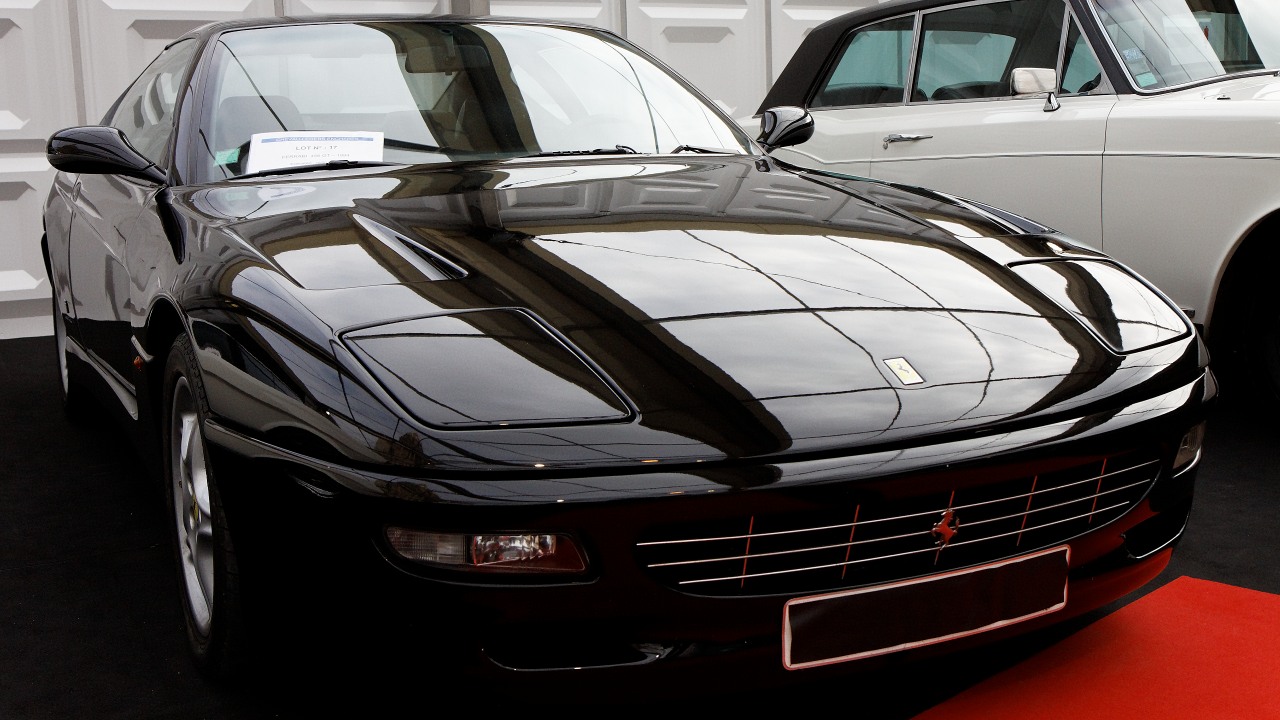
When Ferrari introduced the 456, the company built a car that, on paper, matched the grand touring brief almost perfectly. It used a front mounted V12, rear wheel drive and a 2+2 layout, a configuration that had defined the marque’s long distance cars for decades, and it wrapped that hardware in understated Pininfarina styling that looked more like a tailored suit than a race suit. Contemporary coverage of the 456 GTA noted that it was difficult to grasp the car’s size in photographs because Pininfarina had sculpted the body to disguise its relative enormity, a deliberate choice that signaled discretion rather than drama.
That restraint extended to the way the 456 was positioned. Reporting on Ferrari’s V12 grand tourer from the 1990s describes how the 456 should have been a legend, yet Instead it quietly slipped into the background as the brand’s mid engined cars and later hypercars soaked up attention. Only around 4,000 units of the 456 were ever produced, a figure that underlines how rare it is compared with more widely celebrated models, and that limited production has helped keep it out of the public eye even as collectors revisit the era. The car’s blend of performance and comfort was aimed at drivers who wanted a fast, long legged GT instead of a track addict, which made it less visible in a culture that often equates Ferrari with lap times rather than continent crossing ability.
Why the 456 slipped through the cracks
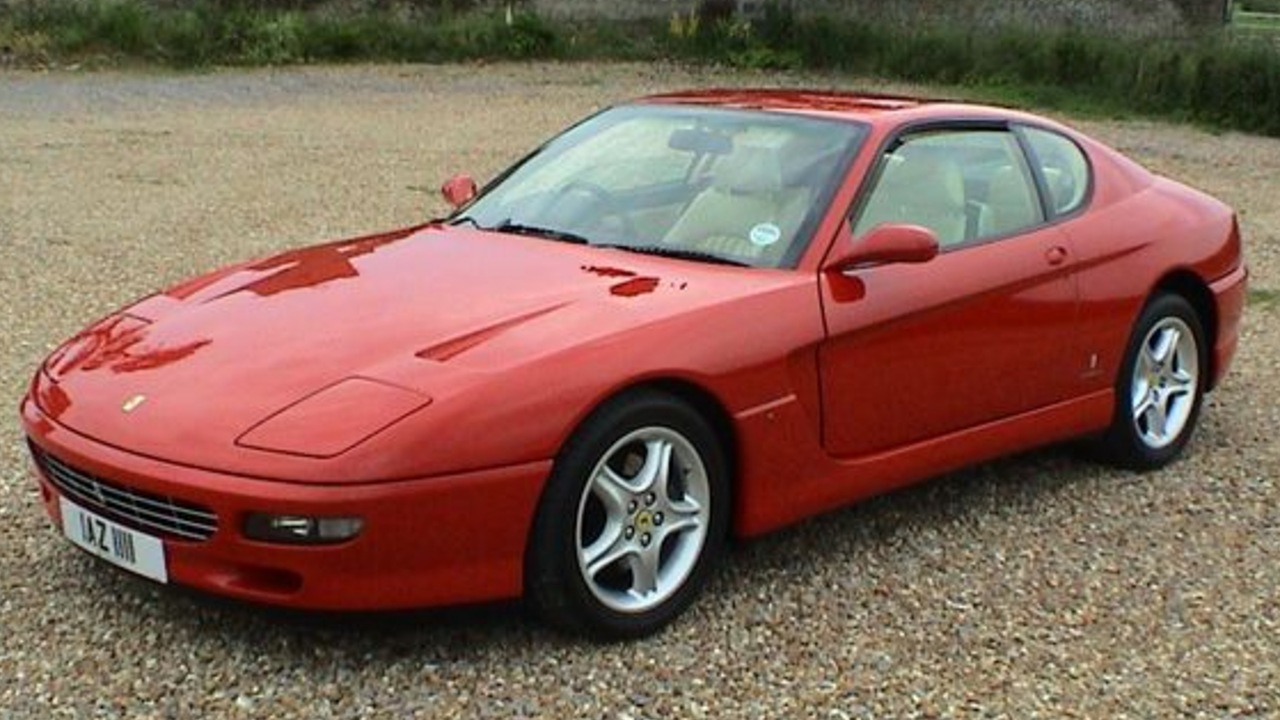
The reasons the 456 faded from view have as much to do with perception as with product planning. The car arrived at a moment when Ferrari’s image was dominated by high revving, mid engined machines, and a relatively subtle 2+2 coupe did not fit the poster car mold that defined bedroom walls and video games. The 456 GTA’s automatic transmission option, highlighted in period tests, reinforced the idea that this was a car for comfort and ease rather than pure aggression, even though the underlying chassis and V12 were fully capable of serious pace. In a brand narrative built on racing and noise, that quiet competence was easy to overlook.
Design also played a role in its low profile. The same Motor Trend assessment that praised Pininfarina’s sculpting for masking the car’s bulk hinted at a double edged sword: the 456 looked elegant and proportionate, but it did not shout about its performance the way some earlier Ferraris had. Later commentary on Ferrari’s V12 grand tourer from the 1990s notes that the 456’s styling and mission targeted a buyer who valued subtlety, which meant fewer magazine covers and less cultural imprint. In a market where visibility often drives legend status, the decision to prioritize refinement over spectacle helped the 456 become the car that enthusiasts now describe as forgotten.
Precedents in obscurity: 400i, 412 and the quiet GT lineage
The 456 was not the first Ferrari V12 grand tourer to be overshadowed by louder siblings. The earlier 400i and its closely related 412 set a template for low key, front engined 2+2 models that prioritized comfort and usability. Coverage of Forgotten Ferrari Models That Still Turn Heads Today points out that the Ferrari 400i and 412, built from 1979 to 1989, were designed for buyers who wanted refinement and discretion over spectacle, a philosophy that placed them at odds with the brand’s more extroverted offerings. Their angular, almost formal styling and available automatic transmissions made them ideal for long distance cruising, but they never captured the imagination of fans who associated Ferrari with wedge shaped supercars.
That same reporting frames the 400i and 412 as cars that still attract attention today precisely because they were so out of step with expectations when new. They were genuine V12 Ferraris with usable rear seats and real luggage space, yet they were often dismissed as “too sensible” or “too understated” compared with the brand’s halo models. By the time the 456 arrived, this pattern was already established: front engined V12 GTs with four seats and a focus on comfort tended to be appreciated by owners rather than idolized by the wider enthusiast community. The 456 inherited that dynamic, which helps explain why its time in the spotlight was so brief.
How the 612 Scaglietti and other GTs reframed the formula
Ferrari’s next major four seat V12, the 612 Scaglietti, tried to evolve the grand touring recipe while keeping the same basic layout. The 612 Scaglietti used a front mounted V12 and a 2+2 configuration like the 456, but it adopted more overtly modern styling and a longer wheelbase to improve interior space. Search results for the Ferrari 612 Scaglietti highlight its role as a successor in this lineage, with a design that pushed the brand’s GT language toward sharper lines and a more contemporary stance. Where the 456 had been almost classically reserved, the 612 looked more assertive, signaling that Ferrari wanted its big GT to stand out more clearly in the range.
Even so, the 612 Scaglietti remained a connoisseur’s choice rather than a mainstream icon. References to the model in the same research context as the 456 emphasize that it continued the tradition of front engined V12 2+2 cars that were bought for their usability and long distance comfort rather than for track days. The 612’s presence in search results alongside the 456 and 400i underlines how these cars form a continuous thread in Ferrari’s history, one that runs parallel to but separate from the mid engined supercars that dominate popular memory. In that sense, the 612 did not so much fix the 456’s invisibility as confirm that Ferrari was content to let its big GTs serve a quieter, more private role.
Rarity, coachbuilding and the appeal of the under the radar Ferrari
Outside the main GT line, Ferrari’s history is dotted with low volume models that show how scarcity and subtlety can eventually turn neglect into fascination. Reporting on forgotten Ferrari models highlights the 365 GTC, noting that it was Produced in very limited numbers, just 168 examples, and that the 365 GTC used a 4.4-liter V12 that delivered serious performance without chasing attention. Its design focused on reducing weight while increasing rigidity, and Its understated looks meant that it never became a poster car even though it offered the kind of driving experience that enthusiasts now prize. The 365 GTC’s trajectory from quiet presence to coveted classic mirrors, in miniature, what is starting to happen with the 456.
Coachbuilt projects reinforce this pattern of understated excellence. The 2011 Ferrari SP30, built under the direction of Kalikow, shows how a wealthy client can work with Pininfarina to refine an existing Ferrari into something even more tailored. Kalikow, identified as Peter Kalikow in auction records, directed Pininfarina to make subtle changes to each of the car’s body panels to enhance its visual elegance, recalling coachbuilt 250 GTs of the 1950s. That approach, focused on nuance rather than radical transformation, echoes the philosophy behind cars like the 456 GTA, where Pininfarina’s deft body sculpting was used to disguise size and create a sense of quiet sophistication rather than overt aggression.
The same under the radar appeal surfaces in coverage of a forgotten V12 grand tourer described as one of Ferrari’s most unusual cars, where a pristine example came up for sale and reminded observers how distinctive these less heralded models can be. When you think of Ferrari, the reporting notes, you might picture mid engined exotics, yet this front engined V12 GT with its 15 inch alloy wheels and unusual proportions stands apart from that stereotype. The 456 sits squarely in this category: a car that did not fit the brand’s loudest narratives when new, but which now offers a different, more mature expression of Ferrari’s capabilities. As collectors and enthusiasts look beyond the obvious icons, the 456 and its grand touring relatives are finally starting to receive the attention that quietly passed them by the first time around.
More from Fast Lane Only: