Many innovative vehicle concepts have been unveiled over the years, showcasing bold design and advanced technology. However, a surprising number of these concepts never make it to production, often due to reasons that are not immediately apparent.
Market Viability
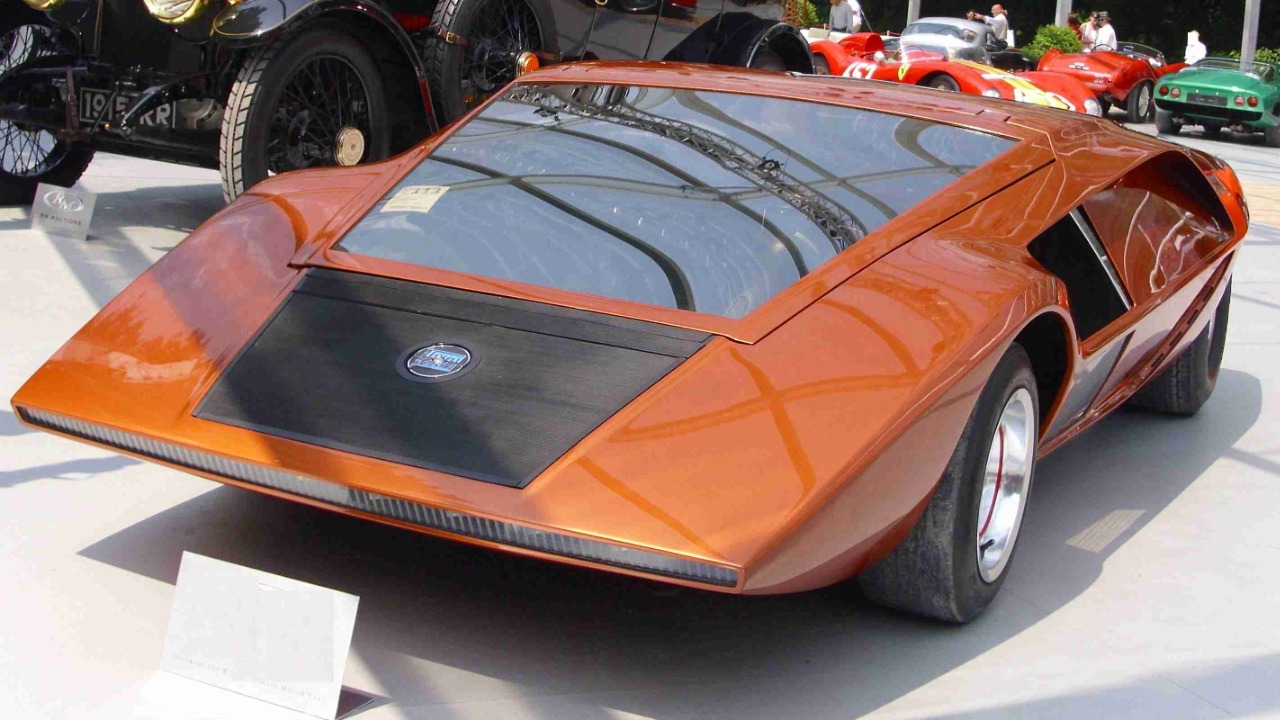
When assessing vehicle concepts, one key factor is market viability. Manufacturers often gauge consumer interest and demand for radical designs before committing significant resources to production. The market is notoriously fickle, and a concept that seems groundbreaking in the design studio can fall flat in showrooms if consumers aren’t ready to embrace it. For instance, the c Concept was a stunning vision that included a unique design and advanced technology, yet it was ultimately deemed too avant-garde for the typical sports car consumer at that time.
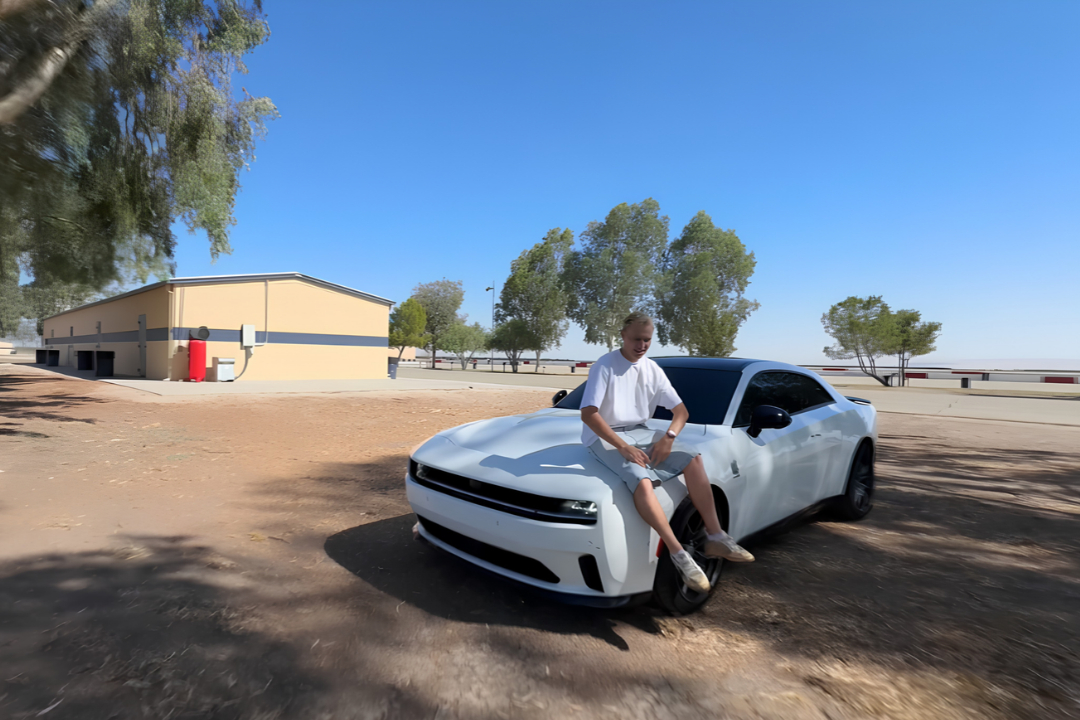
Economic conditions also play a significant role in vehicle sales and production decisions. During economic downturns, consumers tend to prioritize practicality and affordability over innovation. A case in point is the 2008 financial crisis, which saw many manufacturers scale back or abandon ambitious projects. The Chrysler Portal, unveiled as a family-oriented electric vehicle concept in 2017, was a bold effort that showcased new tech and modular design. However, as consumer demand shifted and economic uncertainties loomed, it was sidelined, illustrating how external factors can derail even the most promising concepts.
Technological Limitations
The role of existing technology is crucial in bringing vehicle concepts to life. Even the most creative designs can falter if the necessary technology to produce them doesn’t exist or is not yet mature. Take the case of the Mercedes-Benz F 015 Luxury in Motion concept from 2015, which envisioned a fully autonomous vehicle with a futuristic design. While the concept was praised for its innovative approach to mobility, the technology needed for fully autonomous driving was not ready for mass-market production at that time.
Challenges in developing new materials or systems can also lead to the shelving of concepts. For example, the 2015 Tesla Roadster was set to revolutionize electric sports cars but faced numerous technical hurdles related to battery technology and performance metrics. Although Tesla ultimately released a more refined version, the delays demonstrate how technological limitations can stymie even the most innovative ideas.
Regulatory Hurdles
Understanding safety and environmental regulations is another critical factor that can inhibit production. Vehicle concepts must meet stringent safety standards and environmental regulations that vary across countries. The Volkswagen I.D. Buzz, a modern homage to the classic VW Microbus, faced numerous regulatory challenges that delayed its production. While the concept drew significant consumer interest, the complexities involved in meeting international standards ultimately affected its rollout.
Compliance issues have also caused some fascinating concepts to be altered or abandoned altogether. The Honda Fuya-Jo, a unique urban vehicle concept, was initially met with excitement but later faced challenges with safety regulations, leading Honda to rework the design significantly. This illustrates how even the most promising ideas can face setbacks due to the regulatory landscape, which can differ greatly from one region to another.
Corporate Strategy and Vision
Corporate strategy can significantly affect the fate of vehicle concepts. As companies evolve, their priorities often shift, which can lead to the abandonment of previously promising concepts. A notable example is the General Motors EV1, which was one of the first mass-produced electric vehicles. Despite its initial success, shifting leadership priorities and a lack of long-term vision for electric vehicles led to its discontinuation in the early 2000s, a decision that still raises eyebrows today.
Leadership changes can also influence project continuation. When a new executive team takes over, they may prioritize different goals, leading to the cancellation of existing projects. For instance, when Ford acquired the luxury brand Aston Martin, several concepts were left in limbo as the new management focused on profitability over innovation. The Aston Martin Cygnet, a compact luxury city car, suffered from this shift in focus, ultimately leading to its discontinuation despite its innovative approach.
Design and Aesthetic Challenges
The intersection of innovation and practicality in design is often a fine line. While brands want to push boundaries, they must also consider consumer preferences. For instance, the 2010 Nissan Juke was initially met with mixed reactions due to its unconventional design. Though it became a success over time, concepts that stray too far from traditional aesthetics can often face backlash, leading manufacturers to rethink their production plans.
Consumer backlash against avant-garde aesthetics can significantly affect production decisions. The Pontiac Aztek, launched in the early 2000s, is a prime example of a vehicle that was criticized for its radical and unconventional design. Despite its practicality and innovative features, the Aztek was ultimately viewed as unattractive, leading to poor sales and its eventual discontinuation. This demonstrates the risks companies face when they prioritize innovation over traditional design aesthetics.
Cultural and Social Factors
The influence of societal trends and attitudes on vehicle acceptance cannot be overstated. Different regions have varying preferences and cultural contexts, which can shape the viability of certain concepts. For example, the Smart Fortwo was designed as a compact urban vehicle ideal for city living. However, it struggled to gain traction in markets like the United States, where larger vehicles dominate consumer preferences. This failure to resonate with local culture ultimately hindered its success.
Moreover, the growing emphasis on sustainability and environmental concerns has also shaped vehicle design decisions. Concepts like the Toyota Mirai, a hydrogen fuel cell vehicle, reflect this trend by focusing on eco-friendliness. However, the technology is still in its infancy, and the infrastructure needed to support such vehicles is lacking in many areas. This mismatch between concept and cultural readiness can lead to projects being shelved until the market is more prepared to embrace them.
In summary, the journey from concept to production for vehicle designs is fraught with challenges. Market viability, technological limitations, regulatory hurdles, corporate strategy, design aesthetics, and cultural factors all play critical roles in determining whether an innovative idea makes it to the streets. Understanding these multifaceted influences can offer valuable insights into the automotive industry and the future of vehicle design.
More from Fast Lane Only
- Unboxing the WWII Jeep in a Crate
- 15 rare Chevys collectors are quietly buying
- 10 underrated V8s still worth hunting down
- Police notice this before you even roll window down
*Research for this article included AI assistance, with all final content reviewed by human editors.