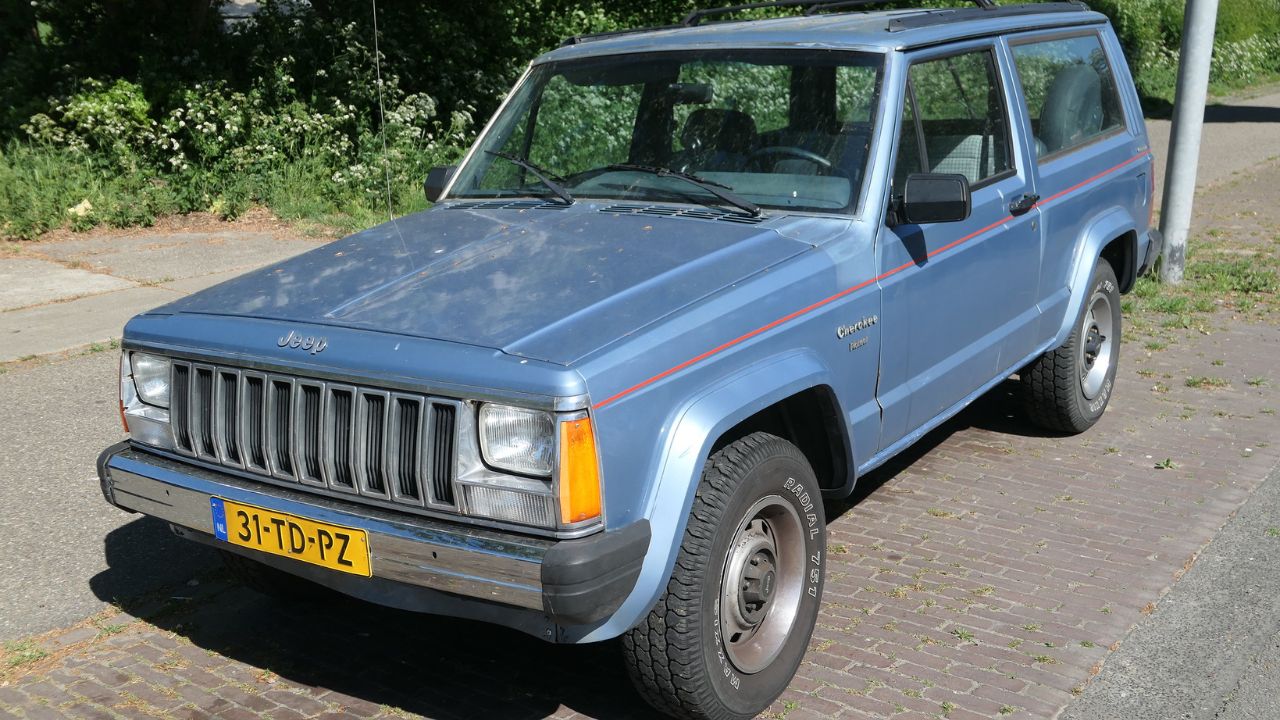
The 1984 Jeep Cherokee is often hailed as a transformative model in the SUV segment, not just for its off-road capabilities but for its groundbreaking design and marketing approach. By combining ruggedness and everyday usability, it captured the imagination of a generation and set a new standard for what an SUV could be. This article explores the unique aspects that set the Cherokee apart and how it ultimately changed the landscape of SUVs forever.
The Birth of the Jeep Cherokee: A New Era in SUV Design
The Jeep Cherokee was developed during a time when consumer demand was shifting toward vehicles that could serve multiple purposes. With this in mind, the design team at Jeep aimed to create a vehicle that was not only capable off-road but also practical for everyday use. The Cherokee emerged as a compact SUV, a departure from the larger, truck-like vehicles that dominated the market at the time. Its introduction marked a pivot towards more versatile vehicles that catered to a broader audience.
Previous Jeep models, such as the Wagoneer and CJ series, were primarily focused on off-road performance, often at the expense of comfort and practicality. The Cherokee, however, incorporated features that appealed to families and urban drivers alike. This new design direction was heavily influenced by consumer preferences, which increasingly leaned towards vehicles that could seamlessly transition from rugged terrain to city streets. The Cherokee’s sleek lines and approachable size made it a standout option for those seeking a blend of adventure and day-to-day functionality.
Unibody Construction: Redefining SUV Architecture
One of the most significant innovations in the 1984 Jeep Cherokee was its use of unibody construction, which differed markedly from the traditional body-on-frame architecture prevalent in SUVs at the time. Unibody construction integrates the body and frame into a single unit, offering several advantages such as reduced weight, improved handling, and enhanced fuel efficiency. This structural design allowed the Cherokee to maintain a robust off-road capability while also providing a more car-like driving experience.
The impact of this construction method was profound, as it paved the way for a new generation of SUVs that prioritized comfort and efficiency without sacrificing performance. Other manufacturers took notice, and the unibody design became a blueprint for future SUVs. For example, vehicles like the Honda CR-V and Toyota RAV4, which followed in the Cherokee’s footsteps, adopted similar construction techniques, further solidifying the unibody as the standard for modern SUV design.
Off-Road Capability Meets Everyday Usability
The Jeep Cherokee was engineered with a variety of four-wheel-drive systems that catered to different driving needs. Whether tackling rocky trails or navigating snowy streets, the Cherokee offered options that provided both off-road capability and everyday usability. This blend of ruggedness and comfort changed consumer perceptions of SUVs, positioning them as versatile vehicles that could fulfill multiple roles.
For example, the Cherokee featured a Command-Trac four-wheel-drive system that allowed drivers to engage four-wheel drive on-the-fly, making it easy to adapt to changing road conditions. Additionally, the suspension system was designed to provide a smooth ride, whether traversing rough terrain or cruising on the highway. This balance of performance and comfort helped solidify the Cherokee’s reputation as a go-to vehicle for adventure-seekers and families alike, showcasing the potential for SUVs to serve as practical options in everyday life.
Marketing Strategy: The Cherokee’s Bold Positioning
The marketing strategy surrounding the Jeep Cherokee was revolutionary for its time, targeting not only off-road enthusiasts but also families and urban dwellers. The campaigns emphasized the Cherokee’s versatility, showcasing its ability to handle rugged landscapes while remaining a comfortable family vehicle. This dual focus allowed Jeep to effectively capture a wider audience, shifting the perception of SUVs from niche vehicles to mainstream options.
The use of lifestyle branding played a crucial role in the Cherokee’s marketing success. By associating the vehicle with outdoor adventures and family outings, Jeep positioned the Cherokee as an aspirational vehicle that could enhance the consumer’s lifestyle. This strategy set a precedent for future SUV marketing, encouraging manufacturers to adopt similar approaches that emphasized the lifestyle benefits of their vehicles. As a result, the SUV segment began to flourish, with brands such as Ford and Chevrolet introducing their own models to compete in this burgeoning market.
Technological Innovations in the 1984 Cherokee
The 1984 Jeep Cherokee was not merely a pioneer in design; it also introduced several technological innovations that improved performance, safety, and efficiency. One notable feature was the introduction of fuel injection systems, which enhanced engine responsiveness and fuel efficiency. This technology was particularly significant during an era when fuel economy was becoming an increasingly important factor for consumers.
Moreover, the Cherokee incorporated advancements in safety that would later become industry standards. Features such as crumple zones and improved seatbelt designs were introduced, addressing growing consumer concerns about vehicle safety. These innovations not only enhanced the Cherokee’s appeal but also influenced competitors to prioritize safety features in their own models. The Cherokee’s commitment to blending technology with user-friendly features set a new standard for the SUV market, reflecting a broader trend toward integrating advanced technology in everyday vehicles.
The Role of the Cherokee in the Growing SUV Market
In the early 1980s, the SUV market was still in its infancy, dominated by a few key players and largely defined by large, rugged vehicles. The introduction of the Jeep Cherokee changed the landscape, contributing to a surge in popularity for compact SUVs. Its sales success was remarkable, and it quickly became a cornerstone of Jeep’s brand identity, demonstrating that there was a substantial demand for vehicles that combined off-road capability with everyday usability.
The Cherokee’s impact on the SUV market extended beyond its own sales figures. Its popularity encouraged other manufacturers to explore the compact SUV segment, leading to the introduction of models like the Ford Explorer and the Chevrolet Blazer. As a result, the SUV market began to expand rapidly, evolving into one of the most competitive segments in the automotive industry. The Cherokee’s success not only solidified Jeep’s reputation but also reshaped consumer expectations, establishing a benchmark for what an SUV could offer.
Cultural Impact: The Cherokee in Popular Media
The Jeep Cherokee’s influence extended beyond the automotive industry and into popular culture. Its rugged image and versatility made it a favorite among filmmakers and television producers, resulting in numerous appearances in movies and shows throughout the 1980s and 1990s. Films like “The Terminator” and TV shows such as “The A-Team” featured the Cherokee prominently, further solidifying its status as an icon of American culture during that era.
These media representations contributed to the Cherokee’s symbolic status, embodying the spirit of adventure and freedom that many Americans aspired to. As SUVs became synonymous with an active lifestyle, the Cherokee played a crucial role in shaping consumer trends and lifestyle choices. Its presence in popular media not only increased brand visibility but also reinforced the idea that the Cherokee was more than just a vehicle; it was a lifestyle statement.
The Enduring Love for the Jeep Cherokee XJ
Even decades after its initial release, the Jeep Cherokee XJ model continues to enjoy a dedicated following among automotive enthusiasts. Many owners appreciate the Cherokee for its rugged design, reliability, and off-road capabilities. This cult following has fostered a vibrant community of fans who engage in discussions, restoration projects, and modifications, often sharing their passion on online platforms like Reddit’s r/cars.
Enthusiasts are not only committed to keeping the Cherokee’s legacy alive but are also active in promoting the model through various online forums and social media groups. These platforms serve as spaces for sharing tips, showcasing modifications, and organizing meetups to celebrate their shared love for the Cherokee. This enduring passion highlights how the Jeep Cherokee XJ has transcended its original purpose, becoming a symbol of community and adventure for those who cherish its unique blend of capabilities.
More from Fast Lane Only