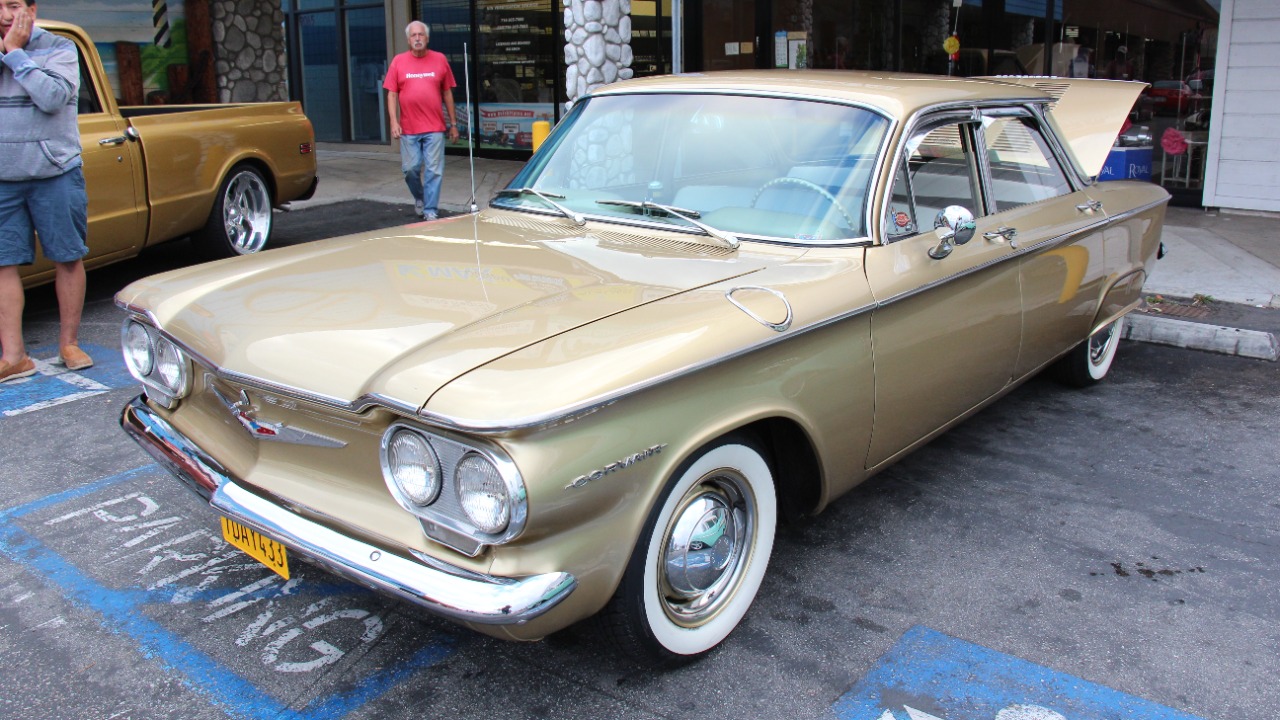
The Chevrolet Corvair, launched in 1960, became a symbol of innovation and controversy in the automotive world. Its unique design and engineering choices sparked intense debates, particularly surrounding safety concerns and corporate ethics, ultimately shaping public perception of American automobiles.
Historical Context of the Corvair
The automotive landscape of the 1960s was marked by rapid changes and fierce competition. With the post-war economic boom, consumers were increasingly seeking vehicles that offered efficiency, style, and performance. American manufacturers, particularly General Motors, were at the forefront of this transformation. The introduction of compact cars became a response to changing consumer expectations, as families sought options that were economical and practical without sacrificing comfort.
In this context, the Chevrolet Corvair emerged as a bold response to the growing demand for compact cars. Designed to appeal to a younger demographic, it was innovative in its approach, featuring a unique rear-engine layout that set it apart from competitors like the Ford Falcon and the Plymouth Valiant. General Motors, recognizing the shift in consumer preferences, positioned the Corvair as a vehicle that embodied modernity and style, aiming to redefine American car culture during a pivotal era.
Design and Engineering Innovations
The Corvair’s rear-engine layout was revolutionary for its time. Unlike traditional front-engine designs, this configuration offered several advantages, particularly in terms of handling and performance. The rear weight distribution contributed to improved traction, especially in wet conditions, making it a fun car to drive. However, this unique design also led to criticisms, as it was perceived to have handling characteristics that could be unsettling for some drivers.
Another standout feature was the Corvair’s air-cooled engine, a significant departure from the water-cooled engines commonly used in the industry. This design not only simplified maintenance but also reduced weight, contributing to the vehicle’s overall efficiency. The aesthetics of the Corvair were equally appealing, with a sleek and modern profile that caught the eye of younger consumers. GM’s marketing strategy emphasized these attributes, showcasing the Corvair as a stylish and innovative choice that aligned with the shifting cultural tides of the 1960s.
The Safety Controversy
However, the Corvair’s innovative design did not come without controversy. Ralph Nader’s book, “Unsafe at Any Speed,” published in 1965, brought significant attention to the vehicle’s safety issues. Nader argued that the Corvair was prone to rollovers and had a tendency to lose control, which he attributed to its unconventional design. His criticisms sparked a national debate about automotive safety that resonated deeply with the public, leading many to question the integrity of American car manufacturers.
The handling characteristics of the Corvair became a focal point of contention. While some drivers praised its sporty feel, others reported difficulties with steering and stability. Nader’s allegations prompted investigations and discussions about safety regulations, ultimately leading to the formation of more stringent automotive safety standards in the years that followed. The Corvair controversy highlighted a critical shift in consumer expectations, as the public began to demand greater accountability from manufacturers regarding vehicle safety.
Corporate Responses and Public Reaction
General Motors’ response to Nader’s allegations was multi-faceted, involving extensive public relations efforts to counter the negative publicity surrounding the Corvair. The company attempted to discredit Nader’s claims, asserting that the Corvair was a safe and reliable vehicle. However, the damage had been done; public confidence in the model began to wane, leading to declining sales figures. Despite its innovative features, the Corvair became synonymous with controversy, affecting its overall reputation in the marketplace.
Sales of the Corvair fell significantly in the years following the publication of “Unsafe at Any Speed.” By 1966, GM had sold nearly 250,000 Corvairs, but that number plummeted to just 10,000 by 1969. The fallout from the controversy not only impacted the Corvair but also set a precedent for the broader automotive industry. Other American manufacturers became more vigilant in addressing safety concerns, ultimately leading to significant changes in design and engineering practices across the board.
Legacy and Cultural Impact
Today, the Chevrolet Corvair remains an important part of automotive history, influencing design and safety standards for decades to come. Its unique layout and engineering innovations paved the way for future compact cars, while the safety debates it ignited helped shape the regulatory landscape of the automotive industry. The legacy of the Corvair serves as a reminder of the importance of safety in vehicle design and the responsibilities of manufacturers to their consumers.
Moreover, the Corvair has found a place in popular culture, appearing in various films and media that reflect its iconic status. Its mention in shows like “The Simpsons” and its role in the classic movie “The Graduate” highlight its enduring impact on American culture. The debates surrounding the Corvair continue to resonate today, reminding us of the delicate balance between innovation, safety, and corporate ethics in the automotive world.
More from Fast Lane Only
- Unboxing the WWII Jeep in a Crate
- 15 rare Chevys collectors are quietly buying
- 10 underrated V8s still worth hunting down
- Police notice this before you even roll window down
*Research for this article included AI assistance, with all final content reviewed by human editors.