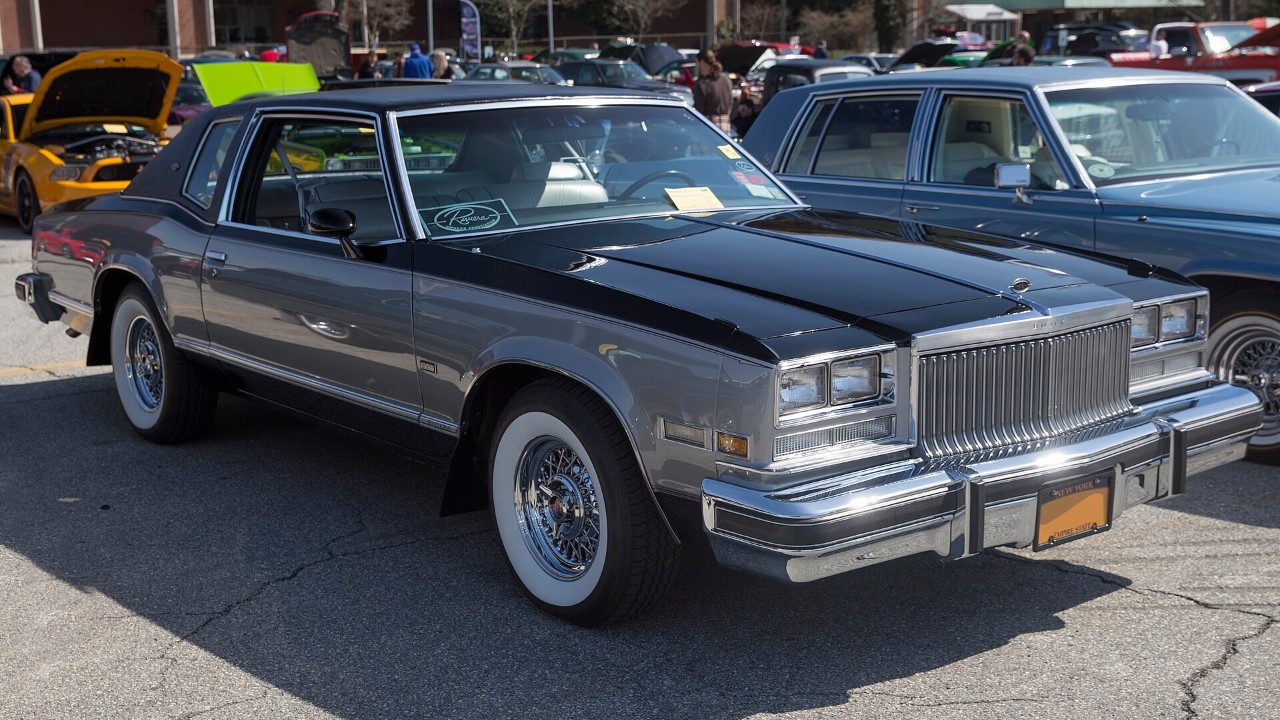
Buick built only 2,889 cars with the 1978 Riviera LXXV package, the coupe that marked the brand’s 75th anniversary. Each one wore silver and black paint and sat on four-wheel disc brakes. Few of them turn up anywhere today, which is a shame, because the 1970s were the golden age of the personal-luxury coupe.
Detroit built plenty of these cars. They had long hoods, opera windows, plush seats and big V8s, and they promised comfort with a dash of style. Then fuel prices, downsizing and changing tastes pushed them aside, and the odd versions faded fastest.
These seven are our picks, from a one-off show car to anniversary editions and a few forgotten Mopars. The verdict that almost nobody has seen them is our opinion. The production numbers, engines and history come from maker records, auction coverage and reference sources we checked for this story.
1. 1978 Buick Riviera LXXV Edition
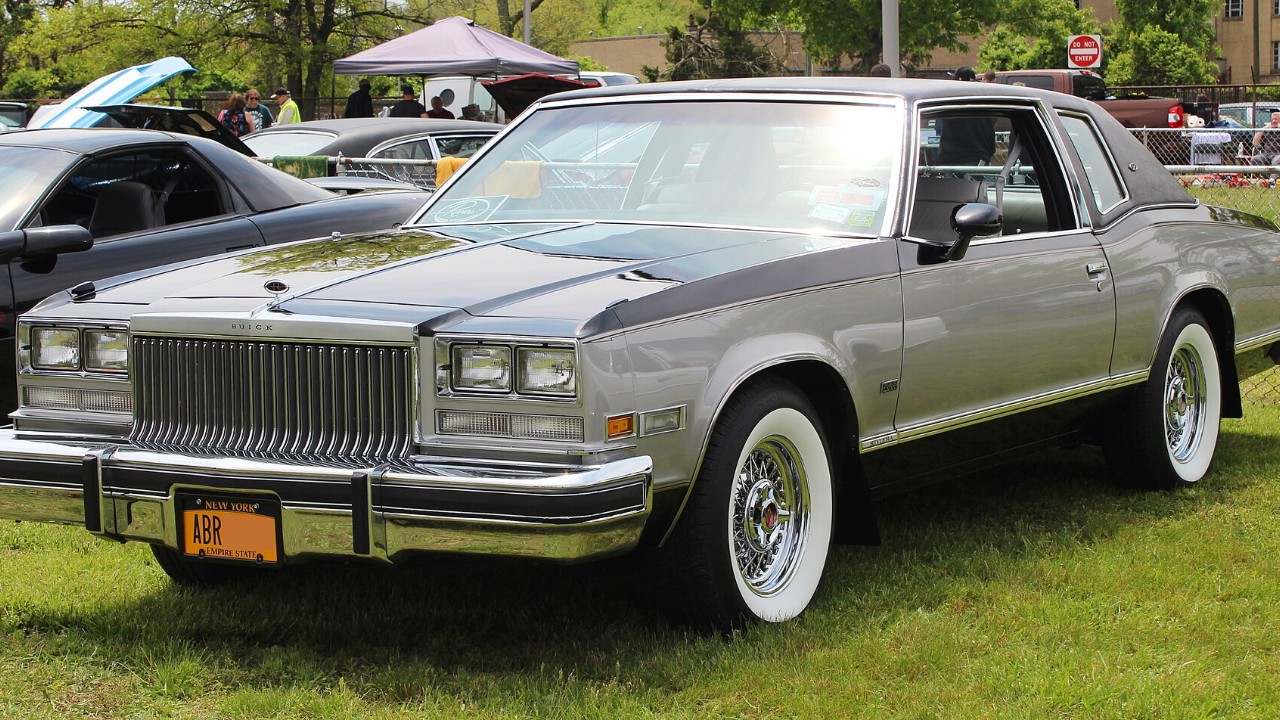
Buick shrank the Riviera for 1977. The new car moved onto GM’s smaller B platform and shared much of its structure with the LeSabre coupe. It lost about 660 pounds, and the wheelbase dropped to 115.9 inches. Buyers chose between a 155-horsepower Buick 350 and a 185-horsepower Oldsmobile 403.
Then, for 1978, Buick celebrated its 75th year with the LXXV package. According to The Truth About Cars, all 2,889 carried silver and black paint, gray upholstery with black piping, extra chrome and four-wheel disc brakes. Reference records add brushed chrome trim, deep pile carpet and special LXXV nameplates. Out of 20,535 Rivieras built that year, the anniversary car was a small slice.
It was also the end of an era. The 1978 car was the last rear-drive Riviera before the front-drive redesign for 1979. We’ve covered the Rivieras that showed what Buick could build before, but the Riviera LXXV rarely gets a mention. In our view, the Riviera LXXV is the most stylish of the downsized cars, and a clean one draws a crowd simply because nobody expects it.
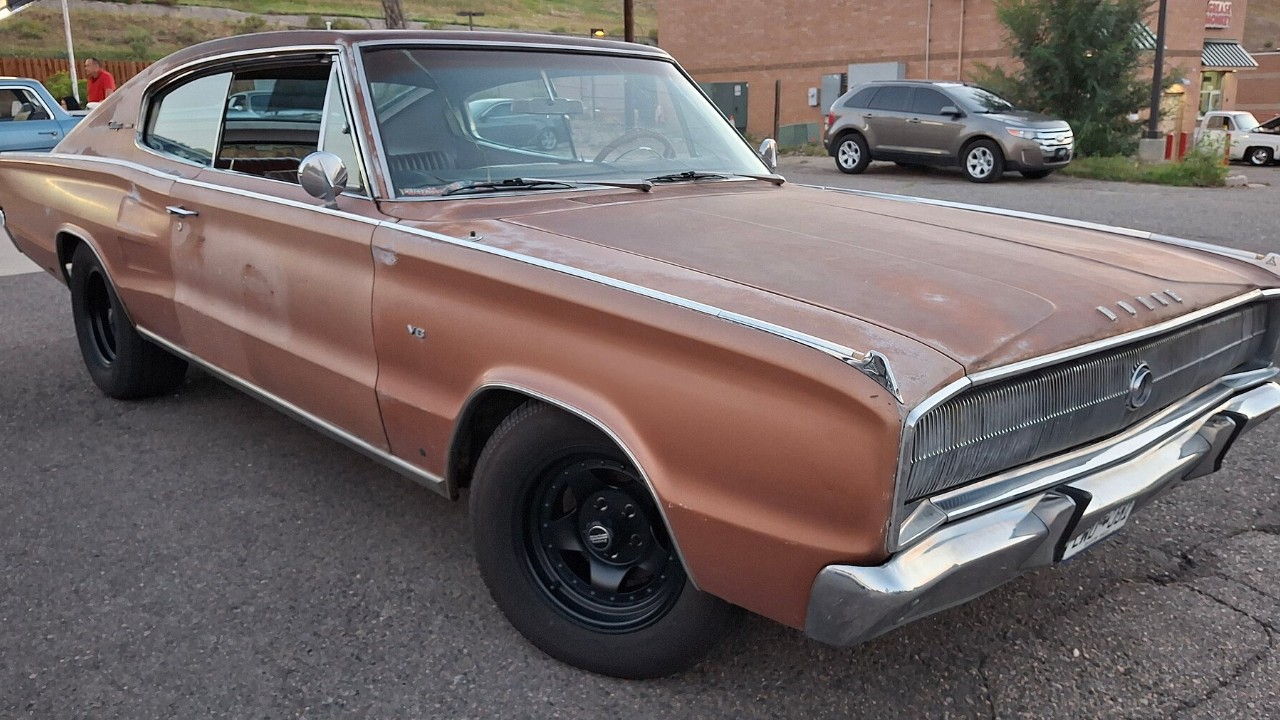
2. 1978 Dodge Magnum XE
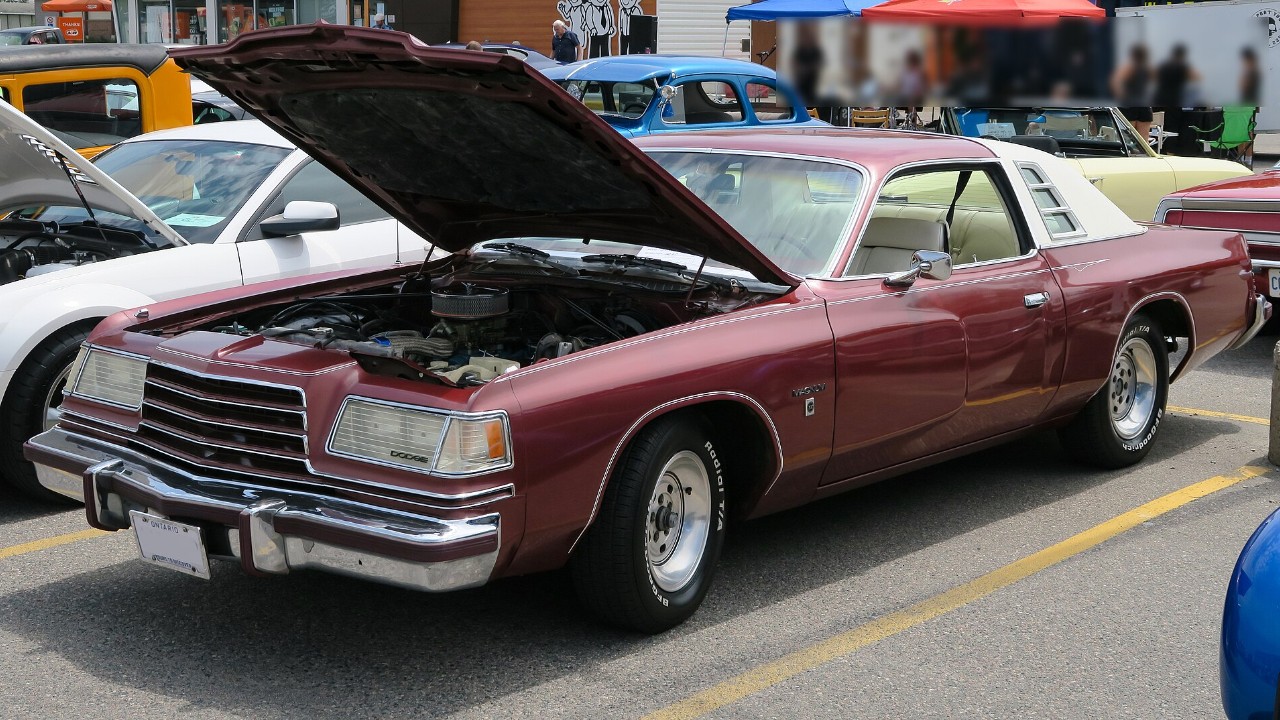
The Magnum started with a racing problem. By 1978, Dodge’s Charger body was no longer competitive in NASCAR. So Dodge rounded off the shape and launched the Magnum to sit alongside the Charger. Petty Enterprises’ test cars reached 190 mph, although factory support faded during the season.
On the street, the Magnum came as the XE or the sportier GT. Its face was the real talking point. Four rectangular headlights hid behind clear covers that retracted when the lights came on. Narrow opera windows finished the look, and a T-bar roof was optional. Power steering, power brakes and power seats came standard. A 318 V8 was standard, while bigger 360 and 400 V8s were optional.
Dodge built 47,827 Magnums for 1978, and the car lasted just two years. The 400 V8 disappeared at the start of 1979, and Dodge sold only 25,367 Magnums that final season. It was also the final car on Chrysler’s B platform. We think the XE is the better looker of the two trims, because it skips the GT’s extra badging and lets that clean nose speak for itself. It’s also the trim most people have forgotten.
3. 1983 Dodge Mirada CMX
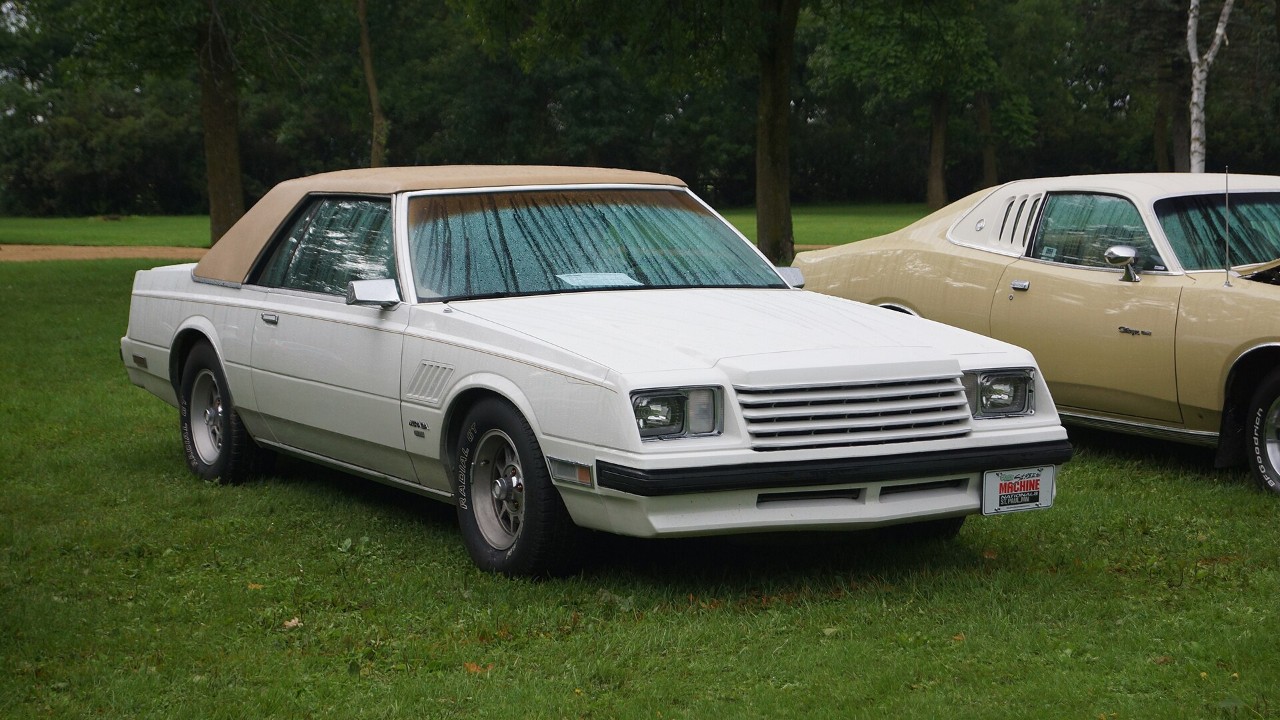
The Mirada replaced the Magnum for 1980. It rode on Chrysler’s J platform, shared with the second-generation Cordoba and the Imperial. Designer Ernie Barry gave it a grille inspired by the Cord 810 and 812, and a flexible plastic front end.
The Mirada never found its audience. Chrysler sold 52,947 in four model years, and only 5,597 of them were 1983 models. The CMX was the top trim. By 1983, the most potent engine left was a 318 V8 rated at 130 horsepower. Chrysler also hoped the car would win in NASCAR, but testing showed it ran about 8 mph slower than the GM and Ford cars. Most teams switched to GM bodies, although Arrington Racing still scored 17 top-ten finishes in Miradas on short tracks.
In our view, the 1983 CMX is the one to find. It is the rarest year of an already scarce car, and the Cord-style nose makes it look far more expensive than it was. If you see one at a show, take a close look. You may not see another for a long time.
4. 1984 Oldsmobile Toronado Caliente
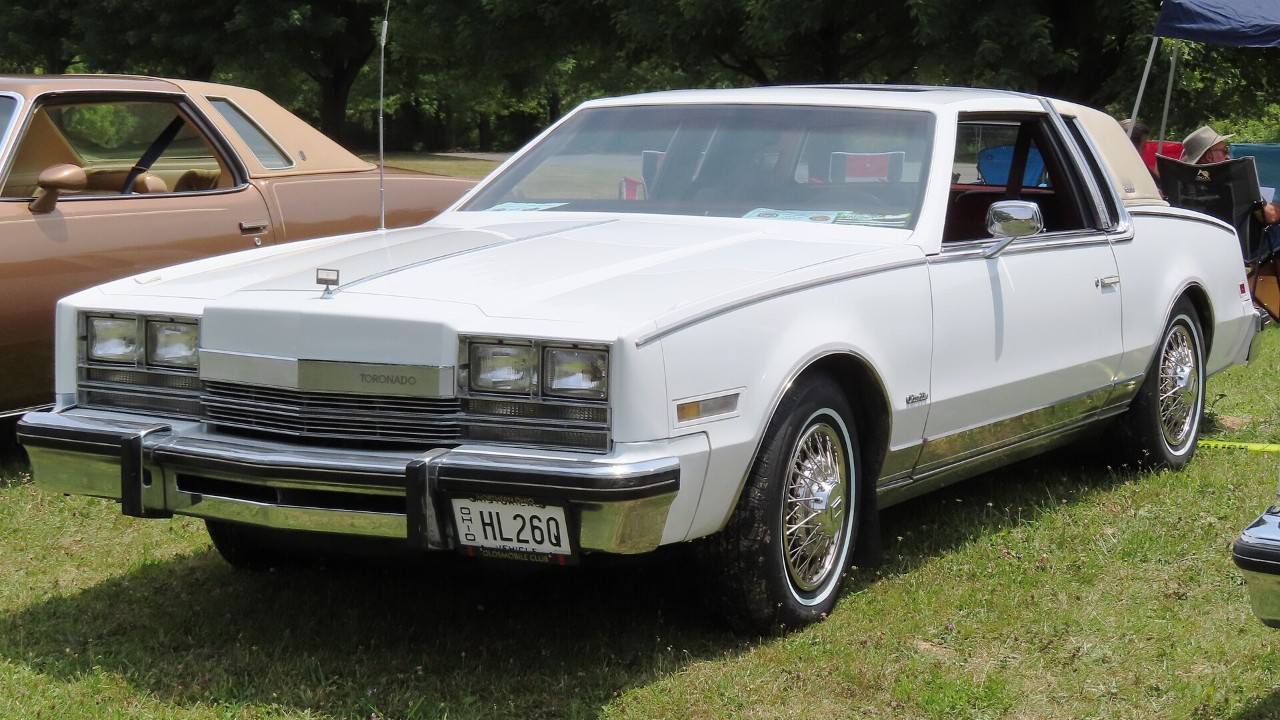
The third-generation Toronado arrived for 1979 a lot smaller than before. It lost nearly 1,000 pounds and almost 16 inches of length. Even so, Oldsmobile kept the car’s unusual layout. It remained front-wheel drive with a lengthwise V8 and a separate frame, making it one of the last cars built that way.
For 1984 and 1985, Oldsmobile added the Caliente trim package. The option list in those years also included velour or leather upholstery and digital instruments. Engine choices had shifted by then. A 307 V8 rated at 140 horsepower became standard for 1985, while a Buick V6 offered through 1984 proved unpopular because of slow acceleration. The Oldsmobile diesel V8, also offered in this generation, developed a poor reputation and was dropped. On the plus side, a four-speed overdrive automatic arrived for 1982, which helped the big coupe cruise.
So, if you shop for a Caliente, look for the V8 gas engine and avoid the diesel. We’ve written about why the Toronado became controversial, but the Caliente deserves a kinder view. It drives like a big, smooth front-driver, and it looks distinctly 1980s. That alone makes it worth a second glance today.
5. 1963 Ford Thunderbird Italien
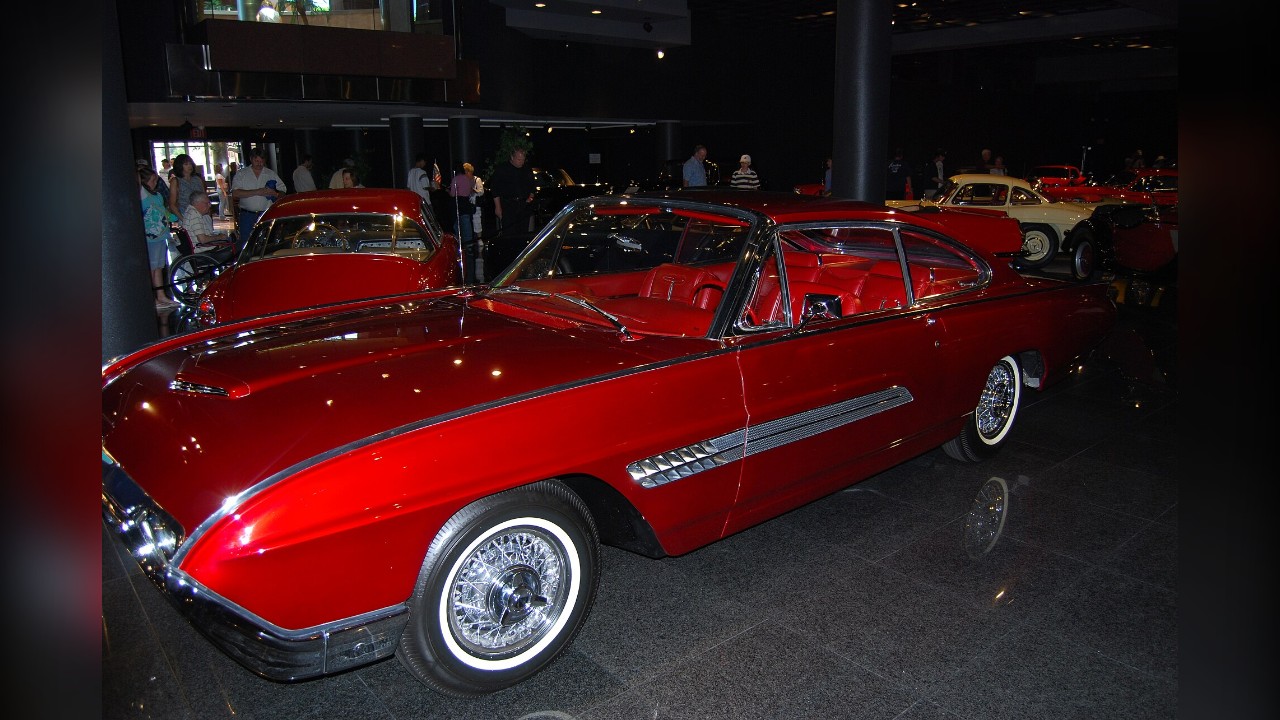
This one truly earns the headline, because Ford built only one. According to Hagerty’s story on the car, the Italien grew out of Henry Ford II’s interest in Italian style. Ford’s own stylists drew it, and Dearborn Steel Tubing built it.
DST started with a 1962 Thunderbird convertible and turned it into a hardtop coupe. A fiberglass fastback roof went on top, and designer Vince Gardner shares some of the credit for it. The car also wore 1963 fenders and doors, unique side vents and candy apple red paint. Inside, leather covered the dashboard, the beltline and even the headliner. Ford sent it out on its Custom Car Caravan, a promotional tour of heavily modified cars.
Like most show cars, it was supposed to be crushed afterward. Instead, DST saved it. Tom Maruska restored it in 2005, and the car has had seven owners in all. Hagerty reports that it sold at RM Sotheby’s for $456,000 including fees. That’s more than 600% above the value Hagerty gives a concours-condition 1963 Thunderbird. In our view, the Italien proves how good a fastback Thunderbird could have looked.
6. 1967 Ford Thunderbird Two-Door Landau
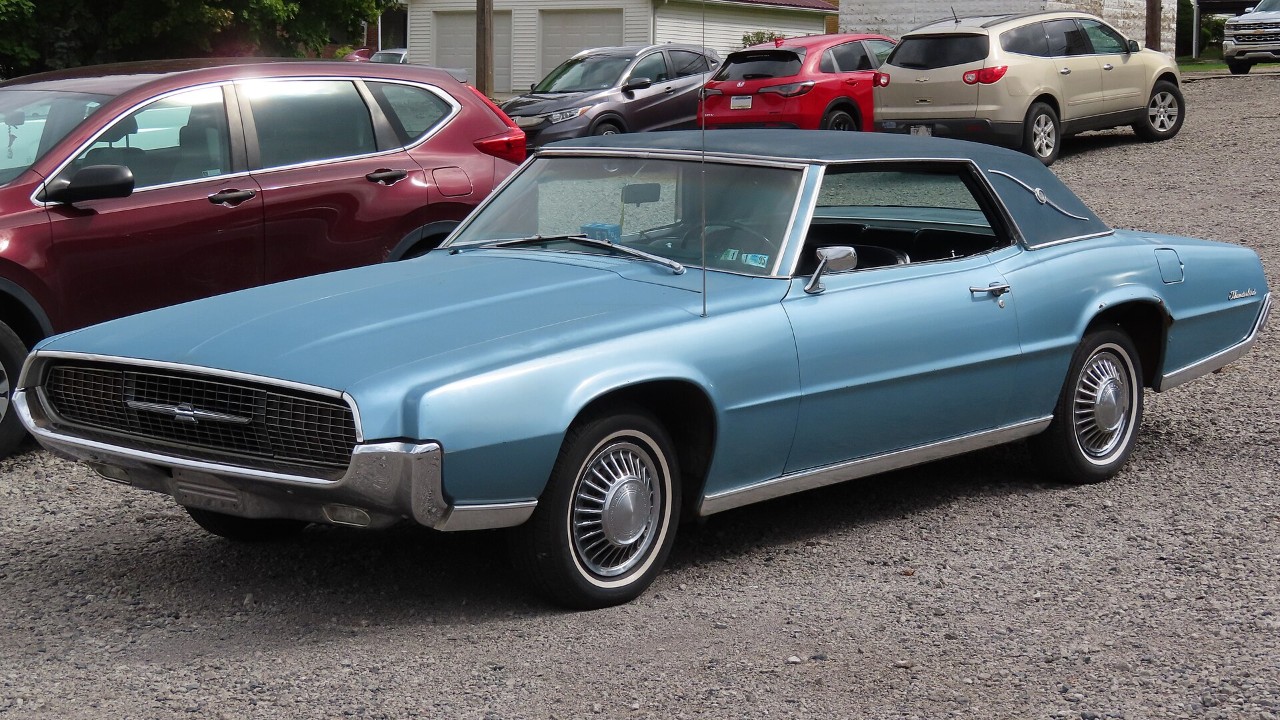
The 1967 Thunderbird was a big break with the past. Ford dropped the car’s usual unit-body construction and switched to a separate frame, with rubber mounts between body and chassis. It also dropped the convertible. In its place came a four-door with rear-hinged back doors, 2.5 inches longer than the coupe.
Up front, a wide “fishmouth” grille hid the headlights, so the nose looked clean and wide with the lights off. The two-door Landau carried a list price of $4,704, and Ford built 77,976 Thunderbirds of all types that year. That’s hardly a small number. However, in our view the four-door’s coach doors steal the spotlight, so the two-door Landau tends to get overlooked.
We think that’s unfair. The two-door Landau keeps the clean, long-hood shape without the extra door cuts, and it looks every bit the late-1960s Ford. We suspect many fans picture an earlier car when they hear “Thunderbird.” As a result, a well-kept 1967 coupe surprises people, and spotting one is a real treat. Our take: it’s the Thunderbird to choose if you want late-1960s style in its simplest, two-door form.
7. 1967 Avanti II
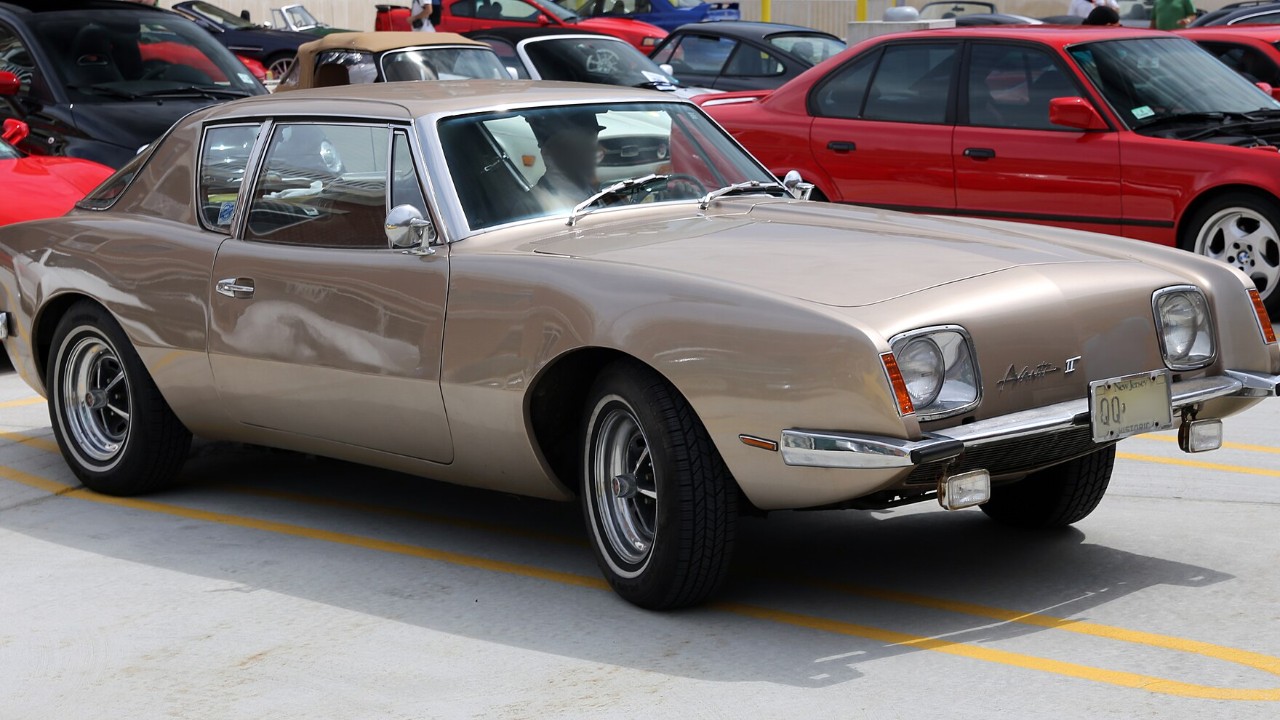
When Studebaker shut its South Bend plant, the Avanti should have died with it. Instead, two brothers, Nate and Arnold Altman, teamed up with Leo Newman. All three were local Studebaker dealers. Together, they bought the Avanti name, tooling and parts and formed the Avanti Motor Corporation.
They introduced the slightly changed Avanti II in 1965. Power came from a 327-cubic-inch Chevrolet Corvette V8, rated at 300 horsepower in 1965. The company hand-built the cars in small numbers. That approach kept the fiberglass coupe alive long after its maker had left the business. In fact, the Avanti went through five ownership arrangements between 1965 and 2006. That’s a lot of hands for one car.
Our look at Studebaker Avantis that seemed ahead of their time covers the original cars. The 1967 Avanti II is the bridge between those and everything after. In our view, it’s one of the most interesting survivors of the era, because it outlived the company that designed it. A 1967 car comes from the early Altman years, only two seasons after the Avanti II first appeared.
More from Fast Lane Only