The 1980s marked a pivotal era in automotive history, particularly for diesel passenger cars, which were often overshadowed by their gasoline counterparts. The decade saw a surge in interest for diesel technology, fueled by economic factors and shifting consumer preferences. As someone who lived through this transformative period, I remember how owning a diesel vehicle was both a unique experience and a reflection of broader societal changes.
The Diesel Revolution Begins
Diesel technology began gaining traction in the automotive market during the late 1970s and early 1980s, largely as a response to the 1973 oil crisis. As gas prices skyrocketed, consumers became more interested in fuel-efficient alternatives. Key manufacturers such as Volkswagen and Mercedes-Benz led the charge, introducing models like the Volkswagen Rabbit Diesel (1977) and the Mercedes-Benz 240D (1974). These vehicles showcased the potential of diesel engines, offering impressive fuel economy compared to their gasoline counterparts.
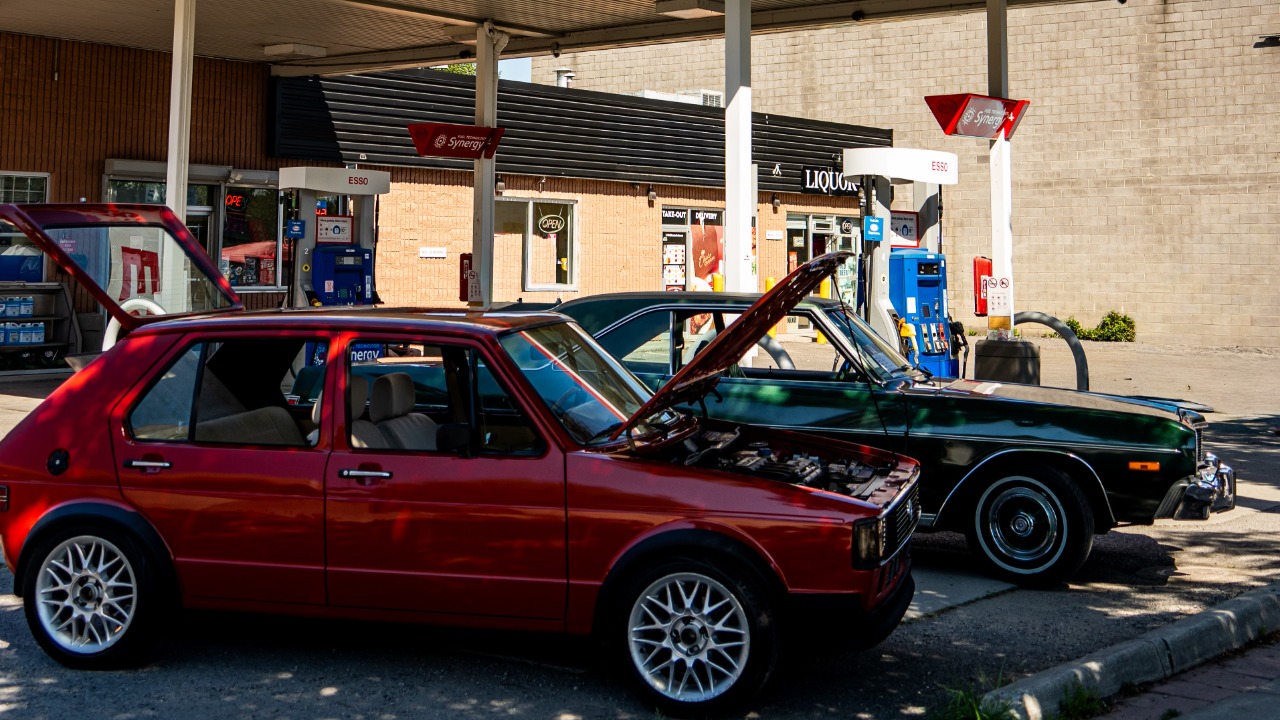
Volkswagen’s marketing of the Rabbit Diesel capitalized on the growing concern for fuel efficiency, with claims that it could achieve over 40 miles per gallon. This was particularly appealing during a time when consumers were searching for ways to cut costs. The 1980s saw a shift in consumer preferences, with diesel cars becoming increasingly popular not just in Europe, but also gaining a foothold in North America.
Economic Considerations
One of the most appealing aspects of owning a diesel vehicle in the 1980s was the cost benefits. Diesel engines typically offered better fuel economy, which translated to fewer trips to the gas station. Additionally, diesel engines were known for their durability, often requiring less frequent maintenance compared to gasoline engines. For example, the 1985 Mercedes-Benz 300D was lauded for its longevity, with many owners reporting that their vehicles exceeded 200,000 miles with proper care.
However, the fluctuating price of diesel fuel throughout the decade posed challenges for diesel owners. While diesel was often cheaper than gasoline, there were times when prices surged, particularly during geopolitical tensions in the Middle East. These fluctuations affected consumer confidence, and many began to question whether the fuel savings from a diesel vehicle would offset the higher initial purchase price. Tax incentives in certain regions also encouraged diesel usage, further complicating the economic landscape for potential buyers.
Performance and Driving Experience
Driving a diesel vehicle in the 1980s offered a different experience compared to gasoline cars. Diesel engines are known for their high torque, which made them particularly effective for highway driving and towing. However, they often lagged in acceleration compared to their gasoline counterparts. For instance, the 1984 Volkswagen Jetta Diesel was not a speed demon, but its reliability and efficiency made it a favorite among commuters.
Consumer perceptions of diesel performance varied. While some praised the reliability and longevity of diesel engines, others found the noise levels and slower acceleration frustrating. Anecdotes from owners often highlighted the unique satisfaction of driving a vehicle that felt robust and capable, especially during long-distance travel. Trips in my own diesel car, a 1982 Peugeot 604, were often marked by a sense of confidence in its ability to handle the road, despite its more leisurely pace.
Cultural Perception and Stereotypes
Socially and culturally, diesel vehicles in the 1980s carried certain stereotypes. Many viewed diesel owners as practical and perhaps a bit frugal, often associating them with a more utilitarian approach to car ownership. Marketing strategies by companies like Mercedes-Benz positioned their diesel cars as the choice for discerning drivers who valued efficiency without sacrificing luxury. Their advertisements often highlighted the combination of comfort and economy, appealing to a demographic that wanted the best of both worlds.
Pop culture also reflected the growing presence of diesel cars. Films like “The French Connection” (1971) showcased the power of diesel engines in high-stakes automotive chases, while television shows like “Knight Rider” featured characters who drove efficient vehicles. This representation contributed to a growing interest in diesel technology, as people began to see these vehicles as more than just economical options; they became symbols of a changing automotive landscape.
Environmental Concerns and Regulations
As the 1980s progressed, so did the awareness of environmental issues, particularly concerning vehicle emissions. Diesel engines, while efficient, faced increasing scrutiny for their particulate emissions and nitrogen oxides. Government regulations began to tighten, and manufacturers were challenged to develop cleaner technologies. This shift prompted companies like Volkswagen to invest in cleaner diesel technologies, leading to innovations that would shape the future of diesel engines.
The debate surrounding diesel versus gasoline intensified, with environmentalists pointing out the long-term sustainability concerns associated with diesel fuel. While diesel engines produced less carbon dioxide, the emissions they did produce were harmful to air quality. This growing awareness led to a reevaluation of diesel’s role in the automotive market, laying the groundwork for future shifts toward alternative fuels and cleaner technologies.
The Legacy of 1980s Diesel Cars
The experiences of diesel car owners in the 1980s have left a lasting impact on the automotive industry and consumer preferences. As the decade came to a close, the transition from diesel to alternative fuels began to take shape, driven by a combination of environmental concerns and technological advancements. The lessons learned from diesel technology informed the development of hybrid and electric vehicles in the years that followed.
Reflecting on my own experience as a diesel owner, I often think about how the practicality and efficiency of those vehicles shaped my understanding of what a car could be. Today’s automotive landscape is vastly different, with electric vehicles gaining prominence. However, the legacy of 1980s diesel cars remains evident in the emphasis on fuel efficiency and environmental sustainability that continues to drive innovation in the industry.
More from Fast Lane Only
- Unboxing the WWII Jeep in a Crate
- 15 rare Chevys collectors are quietly buying
- 10 underrated V8s still worth hunting down
- Police notice this before you even roll window down
*Research for this article included AI assistance, with all final content reviewed by human editors.