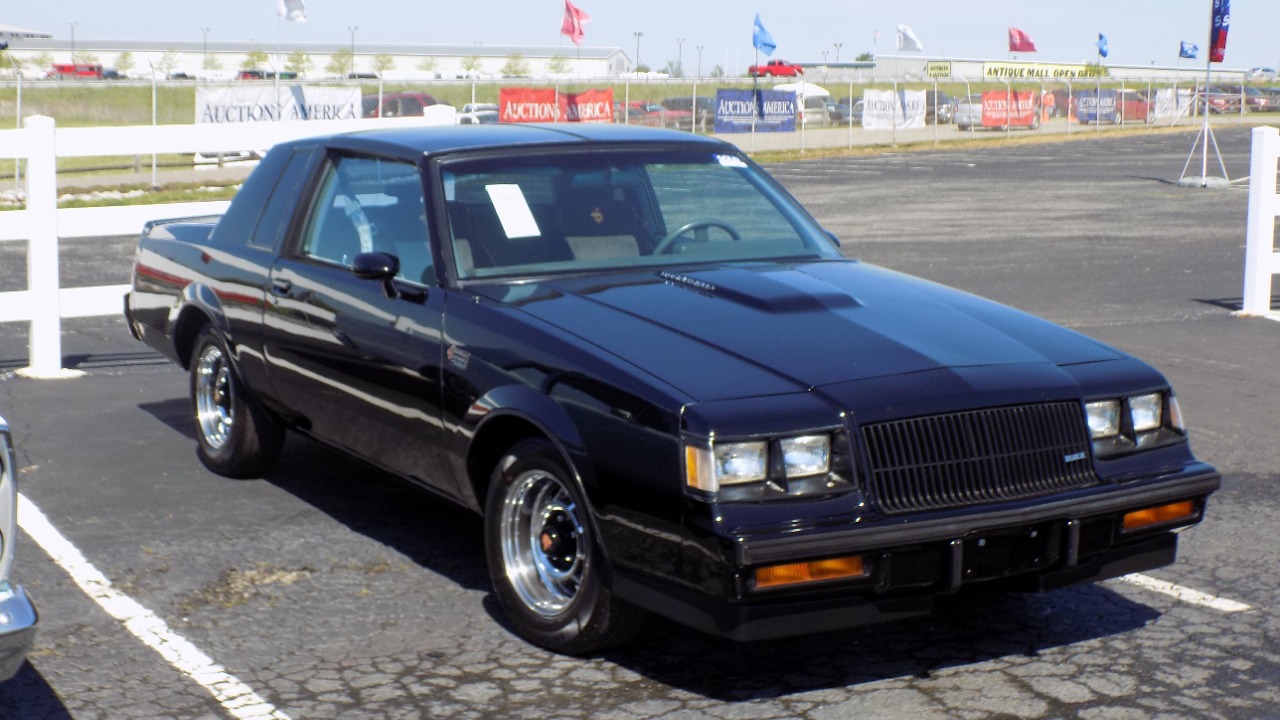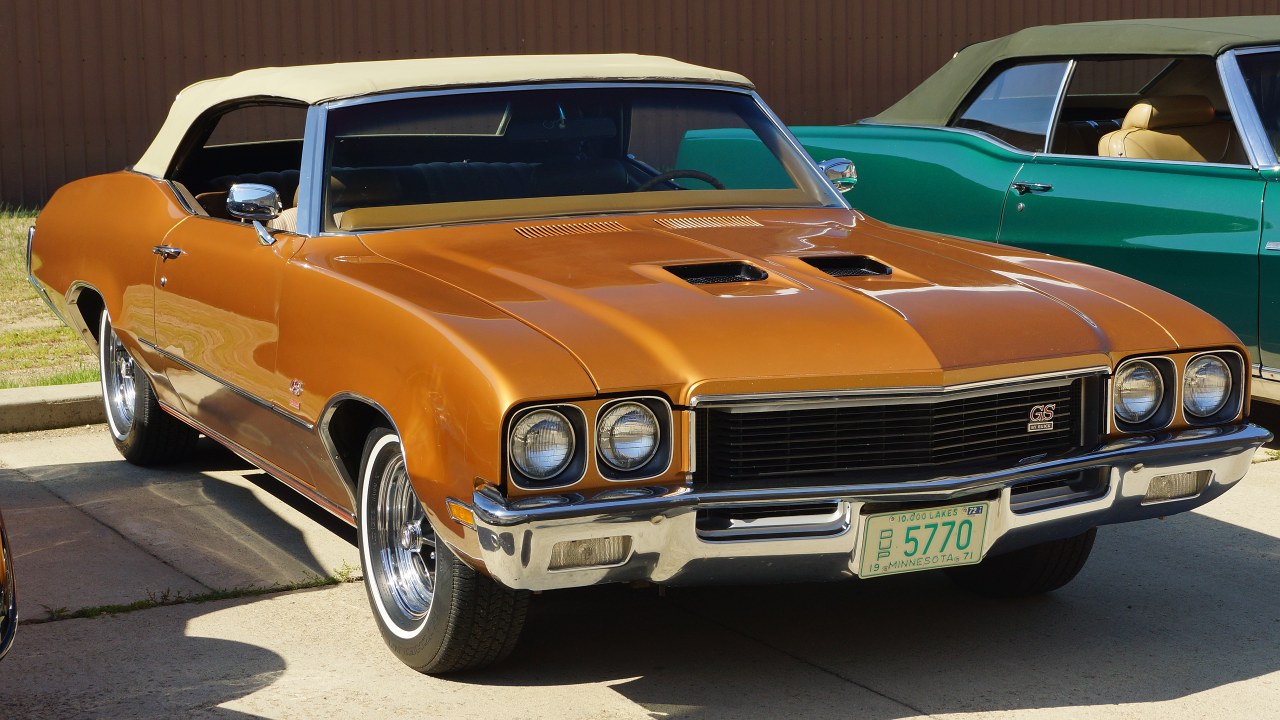
The Buick Skylark GS 400 sat at the heart of the late‑sixties muscle car wave, pairing a midsize body with serious big‑block power and understated styling. Collectors now chase these cars not only for their performance, but also because the GS 400 badge appeared for only a short run, which keeps supply tight and prices surprisingly resilient. I want to walk through exactly which years Buick built the Skylark-based GS 400 and how those limited production windows shape what the cars are worth today.
The brief production run of the Skylark GS 400
Buick’s Gran Sport program grew out of the Skylark line, and the GS 400 nameplate marked the moment when the division fully embraced the big‑block formula in a midsize shell. The broader Skylark story stretches across multiple generations, as laid out in an All Buick Skylark Models guide that tracks body styles by year and shows how the Gran Sport variants sat on top of the regular lineup. Within that larger family, the GS 400 appears in the late 1960s, when Buick slotted a 400‑cubic‑inch V‑8 into the Skylark-based Gran Sport and marketed it as a distinct performance model.
Period coverage and valuation data converge on a tight three‑year window for the GS 400 badge tied to Skylark-based Gran Sports. A detailed look at Buick GS models from Sep 24, 2018, focuses specifically on the 1968 and 1969 cars, while separate valuation tools list 1967, 1968, and 1969 GS 400s as distinct entries. Those tools describe a 1967 Buick GS 400 with a 400cid engine, a 1968 Buick GS 400, and a 1969 Buick GS 400, which together confirm that the Skylark-based GS 400 ran from 1967 through 1969 and then gave way to later Gran Sport branding and, eventually, different engine displacements.
How the GS 400 fit into Buick’s late‑sixties muscle strategy
Within Buick’s performance hierarchy, the GS 400 represented a step up from the earlier small‑block Gran Sports and a precursor to the even more aggressive early‑seventies cars. A historical overview of the Gran Sport line notes that The California GS appeared in 1967 as a budget-oriented variant, offered only in California that year, while a similar model reached a wider audience later. That context shows how Buick used multiple Gran Sport trims to cover different price points, with the GS 400 positioned as the more serious big‑block option above The California GS and other entry packages in 1967.
By the end of the decade, Buick was already preparing to escalate the formula further. A later discussion of the 1970–1972 Buick GSX describes that car as a heavyweight in the muscle car wars, especially the 1970 Buick GSX 455 Stag model with its 455‑cubic‑inch engine. That reference to a 455‑powered Buick GSX underscores how quickly the brand moved from the 400‑cubic‑inch GS 400 to even larger and more aggressive combinations. In that light, the 1967–1969 GS 400s look like a transitional but crucial chapter, bridging the early Gran Sports and the 455‑equipped Buick GSX halo cars that followed.
1967 GS 400: Launch year and current values
The 1967 Buick GS 400 marked the first time Buick officially paired the Skylark-based Gran Sport with a 400‑cubic‑inch V‑8 and the GS 400 badge. Valuation data for a 1967 Buick GS 400 2dr Coupe lists an 8‑cyl. 400cid/340hp 4bbl configuration, which captures the core mechanical package that defined the model. That same entry pegs the value at $23,000 for a representative example, with a noted change of 9.5%, indicating that the market has been moving rather than sitting flat.
Those numbers suggest that the first‑year GS 400 has matured into a solid mid‑tier collectible rather than a speculative outlier. The combination of the Coupe body style, the 400cid/340hp 4bbl engine, and the relatively short three‑year run gives the 1967 car a clear identity that buyers can understand and price. When I look at that $23,000 benchmark and the 9.5% shift, I see a car that has enough demand to keep values climbing, but still sits below the stratospheric levels of the later 455‑powered Buick GSX models, which leaves room for enthusiasts to enter the market without chasing six‑figure auctions.
1968–1969 GS 400: Refinement, Stage 1 performance, and pricing
For 1968, Buick refined the GS 400 formula and expanded the body styles, which today gives collectors more ways to buy into the nameplate. A valuation entry for a 1968 Buick GS 400 2dr Convertible lists an 8‑cyl. 400cid/340hp 4bbl engine and a representative value of $26,200. That figure, higher than the 1967 Coupe benchmark, reflects both the desirability of the Convertible configuration and the appeal of the second‑year refinements. The presence of a 400cid/340hp 4bbl engine in both years also shows that Buick kept the core powertrain consistent while adjusting styling and options.
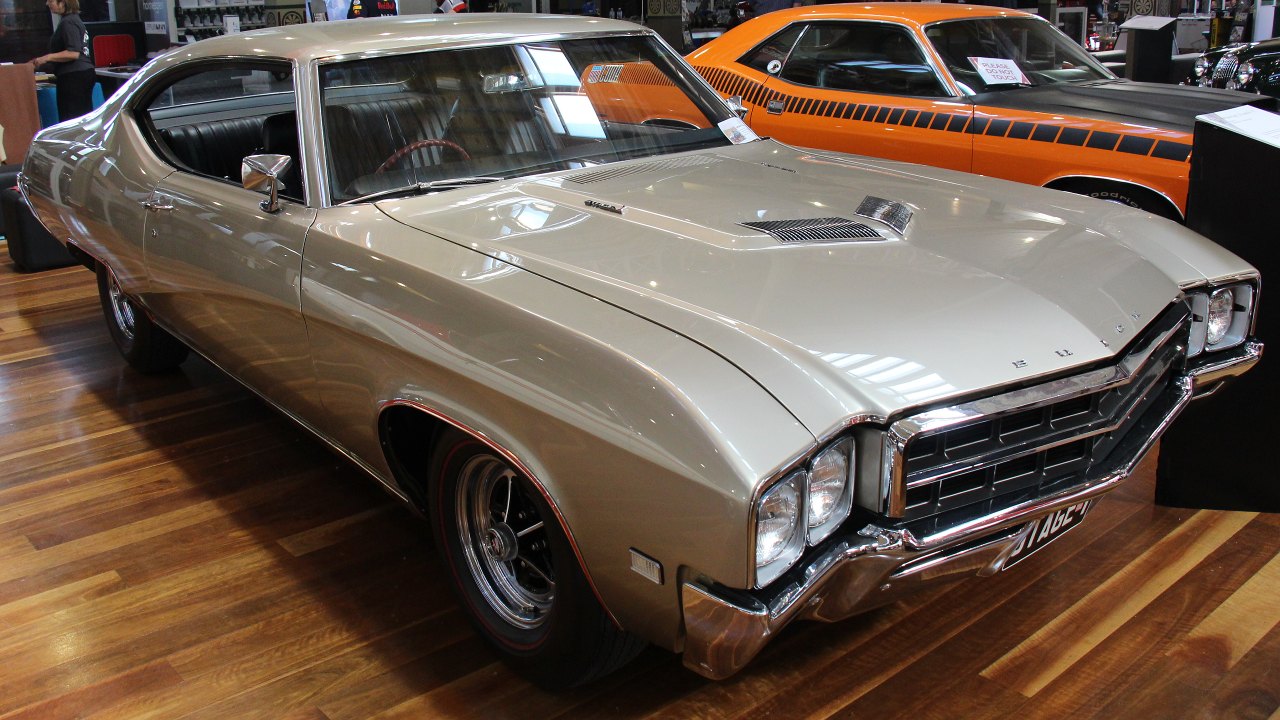
The 1969 GS 400 added another layer of interest with the availability of the Stage 1 performance package, which has become one of the most coveted combinations from the era. A detailed feature on the 1969 Buick GS 400 Stage 1 describes the car as Extremely rare but still underrated and notes that, more than half a century later, the 1969 GS 400 Stage 1 still lives in the spotlight for muscle car fans. That same coverage emphasizes how the Stage 1 specification, built on the 400 foundation, delivered far more muscle than its official ratings suggested. On the valuation side, a 1969 Buick GS 400 2dr Sport Coupe with an 8‑cyl. 400cid/340hp 4bbl engine carries a representative price of $18,400, which is lower than the 1968 Convertible figure but reflects the more common Sport Coupe body style rather than a rare Stage 1 configuration.
How rarity and configuration shape GS 400 prices today
Looking across the three model years, the GS 400 market today is defined by a mix of body style, performance package, and provenance. The valuation tools make clear that a 1967 Buick GS 400 Coupe, a 1968 Buick GS 400 Convertible, and a 1969 Buick GS 400 Sport Coupe each occupy different price bands, from $18,400 at the lower end of these examples to $26,200 at the higher end. Those figures are for base configurations with the 400cid/340hp 4bbl engine, which means that rarer options, better condition, or documented performance packages can push real‑world sale prices higher. When I compare those numbers to the historical narrative that places the GS 400 between The California GS and the later Buick GSX 455 Stag, it is clear that collectors are pricing the cars as desirable but still accessible entries into Buick’s muscle portfolio.
Special variants, particularly the 1969 GS 400 Stage 1, sit in a different conversation altogether. The Stage 1 package, built on the same 400 foundation, is described as Extremely rare and still underrated, and that combination of scarcity and performance tends to amplify values beyond the baseline Sport Coupe figure of $18,400. At the same time, the presence of the 455‑powered Buick GSX at the top of the range helps anchor expectations, since buyers know that the most extreme Buick muscle cars, like the 1970 Buick GSX 455 Stag, command a premium above the GS 400s. In practice, that leaves the 1967–1969 GS 400s as a three‑year slice of Buick history where enthusiasts can still find big‑block performance, distinctive styling, and documented factory specs like 400cid/340hp 4bbl engines without immediately entering the rarefied air of the very highest‑dollar muscle machines.