The Corvette Grand Sport name carries unusual weight in American performance culture, because it links a tiny batch of 1960s race cars to modern factory specials and a thriving replica scene. For buyers today, understanding when Chevrolet and licensed builders produced Grand Sport inspired cars is the key to judging what a replica really is and what it should cost.
I want to trace that timeline from the original 1963 concept through later factory Grand Sports and into today’s continuation and replica market, then connect it to the prices shoppers are actually seeing. That mix of history and current values is what separates a casual Corvette shopper from someone who can spot a well priced Grand Sport tribute at a glance.
The 1963 Grand Sport origin story and why replicas exist
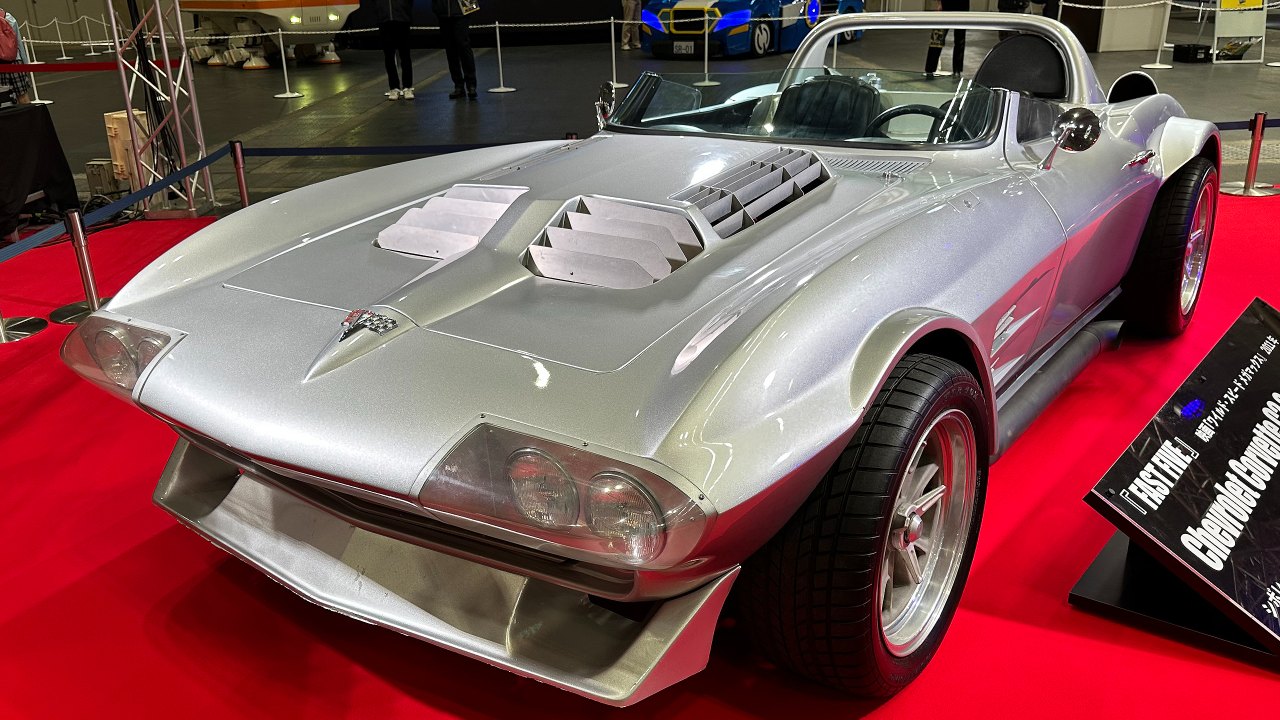
The Grand Sport legend starts with a small run of ultra light 1963 race cars that pushed the second generation Corvette far beyond showroom spec. Only a handful of those original 1963 Corvette Grand Sport chassis were completed, and they were built to attack international sports car racing before corporate politics shut the program down. Later historical write ups describe how the 1963 Corvette Grand Sport became a touchstone for enthusiasts, which is why modern builders talk about a 1963 Chevrolet Corvette Grand Sport Replica as a tribute rather than a simple styling package, and why they emphasize that only Six original examples were finished for competition.
That scarcity is exactly what opened the door for replicas. With so few authentic cars, most fans will never see a real Grand Sport in person, let alone own one, so continuation and replica projects step in to recreate the look and feel. One enthusiast focused history of the 1963 Corvette Grand Sport We notes that the 1963 Chevrolet Corvette Grand Sport Replica is framed explicitly as a tribute to the original race program, tying modern builds back to the 1962-63 and 1963-64 racing seasons that appear in period racing timelines listing 1962-63 and 1963-64 among key Grand Sport related years. Those same historical notes help explain why replica builders obsess over details like flared fenders, side pipes, and race inspired interiors, because they are chasing a very specific moment in Corvette competition history.
Licensed continuation cars and modern replica builders
Among replica makers, one of the most visible names is Superformance, which produces licensed continuation versions of the 1963 style Grand Sport. On its factory model pages, the company presents a Corvette Grand Sport that is built with modern materials and drivetrains but shaped to match the original race cars, and it emphasizes that these are officially licensed recreations rather than generic kit cars. In a video walkaround published on Jan 24, 2018, a representative identified as Rich McDonald, speaking for Superformance in Orange County California, introduces what he calls a 1963 replica of a Corvette Gra, underscoring that the car is meant to mirror the original Grand Sport silhouette while using contemporary engineering.
These continuation cars are not tied to a single model year in the way a factory Corvette is, because they are produced on an ongoing basis for customers who order them. Superformance markets the Corvette Grand Sport as a current factory model, which means buyers can commission a new build rather than hunting for a decades old kit. Other replica examples surface in enthusiast communities, such as a 1963 Chevrolet Corvette Grand Sport Replica With a 502 V8 highlighted in a social media post dated Sep 27, 2024, where the builder calls out the 502 engine and again reminds readers that Six original 1963 Corvette Grand Sport cars were built. That kind of modern powertrain in a vintage shaped shell shows how the replica world blends period correct styling with contemporary performance, and it also hints at why prices can vary so widely depending on the components used.
Factory Grand Sport years: C4, C6 and C7 production
While replica builders focus on the 1963 shape, Chevrolet has periodically revived the Grand Sport name for production Corvettes, and those factory cars now anchor much of the market for street legal Grand Sports. Historical model guides note that Chevrolet released the Grand Sport version in 1995 to mark the end of production of the C4 Corvette, and that The Grand Sport was offered in both coupe and convertible form. Production figures for that run show 810 coupes and 190 convertibles, and a detailed market listing for the C4 Grand Sport semi convertible repeats the 810 figure for coupes while explaining that Drive from this engine was sent to the rear wheels through a 6 speed manual transmission. Those 1995 cars are not replicas of the 1963 racers, but they borrow the name and some visual cues, which is why they are often cross shopped with continuation cars by buyers who simply want a Grand Sport badge with real performance.
The name returned again with later generations. The Chevrolet Corvette (C6) is described as the sixth generation of the Corvette sports car that was produced by Chevrolet from 2005 to 2013, and within that span Chevrolet offered a C6 based Grand Sport that combined wide body styling with upgraded brakes and suspension. Even more recently, production breakdowns for the seventh generation highlight how popular the Grand Sport trim became. One detailed analysis dated Sep 25, 2019 looks at the C7 Corvette Grand Sport and notes that Between the start and end of C7 production, the Corvette Grand Sport accounted for a significant share of coupes and convertibles. That same breakdown, framed as Next up in a broader analysis of Corvette production, shows how the Grand Sport evolved from a limited run 1995 send off into a core performance variant by the time the C7 rolled off the line.
How replica Grand Sports are configured today
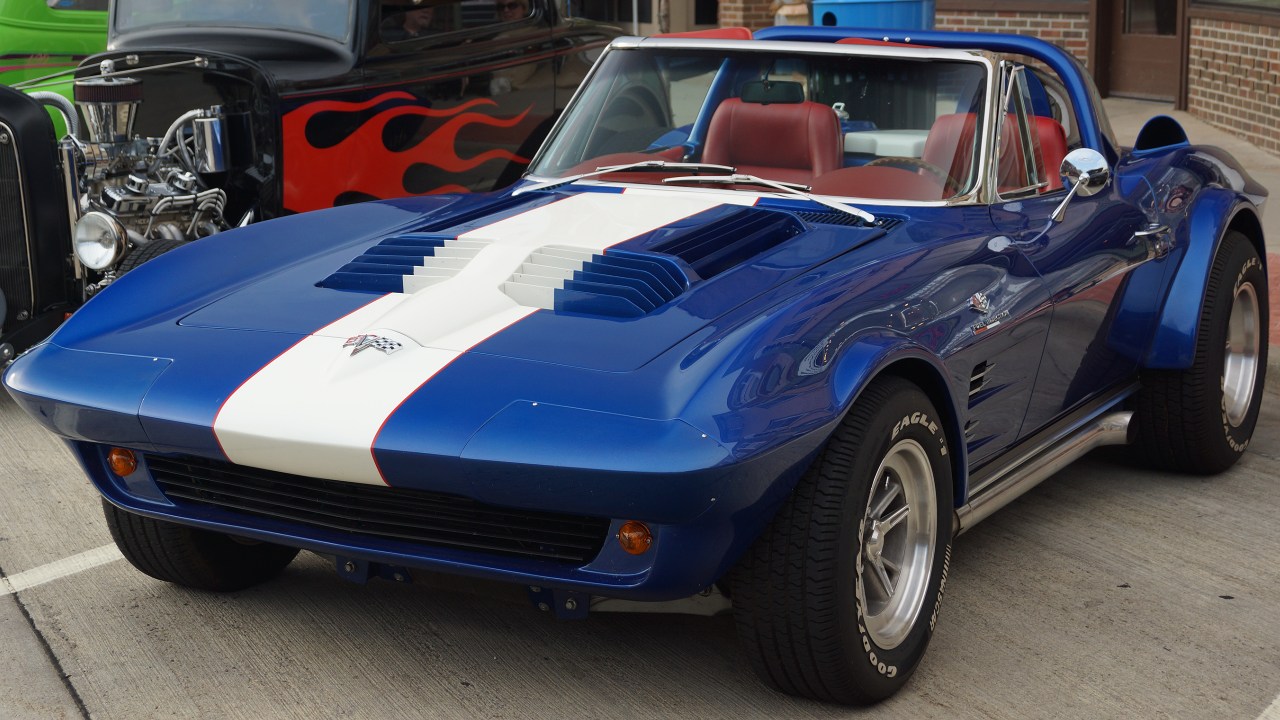
Modern Grand Sport replicas and continuations tend to split into two broad camps: historically styled builds that chase 1960s authenticity and restomod style cars that prioritize modern power and comfort. The 1963 Chevrolet Corvette Grand Sport Replica With a 502 V8 mentioned earlier is a clear example of the second camp, because the 502 engine is far more powerful and tractable than the small blocks used in the original Six race cars. Builders who follow that template often add contemporary disc brakes, updated suspensions, and modern gearboxes, creating a car that looks like a 1963 racer but behaves more like a present day track toy or grand tourer.
Licensed continuation cars from Superformance lean toward a similar blend of old and new. The company’s Corvette Grand Sport model is marketed as a faithful recreation of the original body and chassis layout, but the specifications highlight modern drivetrains, safety features, and interior comforts that owners expect from a car they can drive regularly. In the Jan 24, 2018 walkaround, the Superformance representative in Orange County California points out that the 1963 replica of a Corvette Gra is built to be driven, not just displayed, which is why the company offers a range of engine options and encourages customers to tailor the car to their intended use. That flexibility is one reason replica Grand Sports can be harder to price than factory built C4, C6, or C7 Grand Sports, because no two continuation builds are exactly alike.
What Grand Sport replicas and factory cars cost now
Pricing for Grand Sport related cars today depends heavily on whether the car is a factory built Corvette or a replica, and on how rare or well optioned it is. For late model factory cars, valuation tools focused on the 2019 Chevrolet Corvette Grand Sport show that condition, mileage, and options can swing values dramatically, with top tier examples trading for sums that approach the upper end of recent auction results. One such valuation guide notes in its Common Questions section that the highest sale price for a 2019 Chevrolet Corvette Grand Sport in the last three years was $110,000, which gives a sense of how collectors are already treating the final front engine Grand Sports as future classics.
Broader used Corvette listings help frame the lower end of the market. A dealer inventory that includes a 2011 Chevrolet Corvette CONV Premium, Auto, 15 Spoke Chromes $3k, Only 39k, priced at $33,995, and a 2016 Chevrolet Corvette Coupe 3LT, Z51, FAY, priced higher, shows how non Grand Sport Corvettes with decent mileage and options can still be found in the mid five figure range. Those numbers matter for replica shoppers, because they set a baseline: if a well kept late model Chevrolet Corvette Coupe can be bought for around the cost of a nicely built kit, a buyer has to decide whether they value the Grand Sport look and story more than the factory engineering and everyday usability of a standard Corvette.
Replica and continuation Grand Sports occupy a wide band between those two poles. Licensed builds from companies that market a Corvette Grand Sport as a current factory model typically command a premium over home built kits, because they come with documented parts, consistent quality, and, in the case of Superformance, a direct link to the 1963 design that Rich McDonald highlighted in Orange County California. At the same time, enthusiast market posts featuring a 1963 Chevrolet Corvette Grand Sport Replica With a 502 V8 show that individual sellers often price their cars based on build cost and perceived uniqueness rather than any standardized guide. With only Six original 1963 Corvette Grand Sport cars in existence and a long list of later factory Grand Sports from 1995, from 2005 in the C6 era, and into the C7 generation, I find that buyers who study both the historical production figures and current valuation tools are in the best position to judge whether a given Grand Sport replica or factory car is fairly priced in today’s market.