New cars now ship with sprawling touchscreens, app stores, and always-on data connections that make them feel less like mechanical machines and more like rolling computers. That shift promises convenience and new features, but it also drags the problems of the tech industry into a space where mistakes can be deadly and privacy is hard to escape. I see a widening gap between what drivers think they are buying and the deeply networked, software-dependent products they actually get.
Software is eating the dashboard
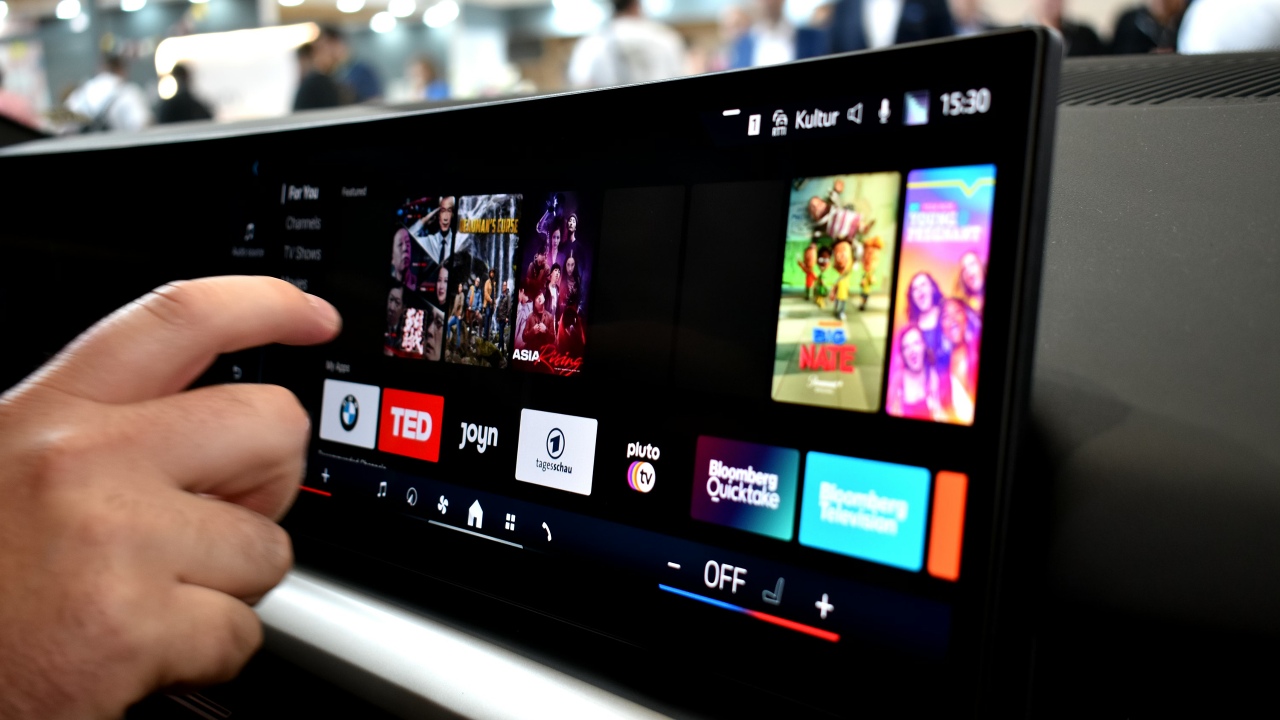
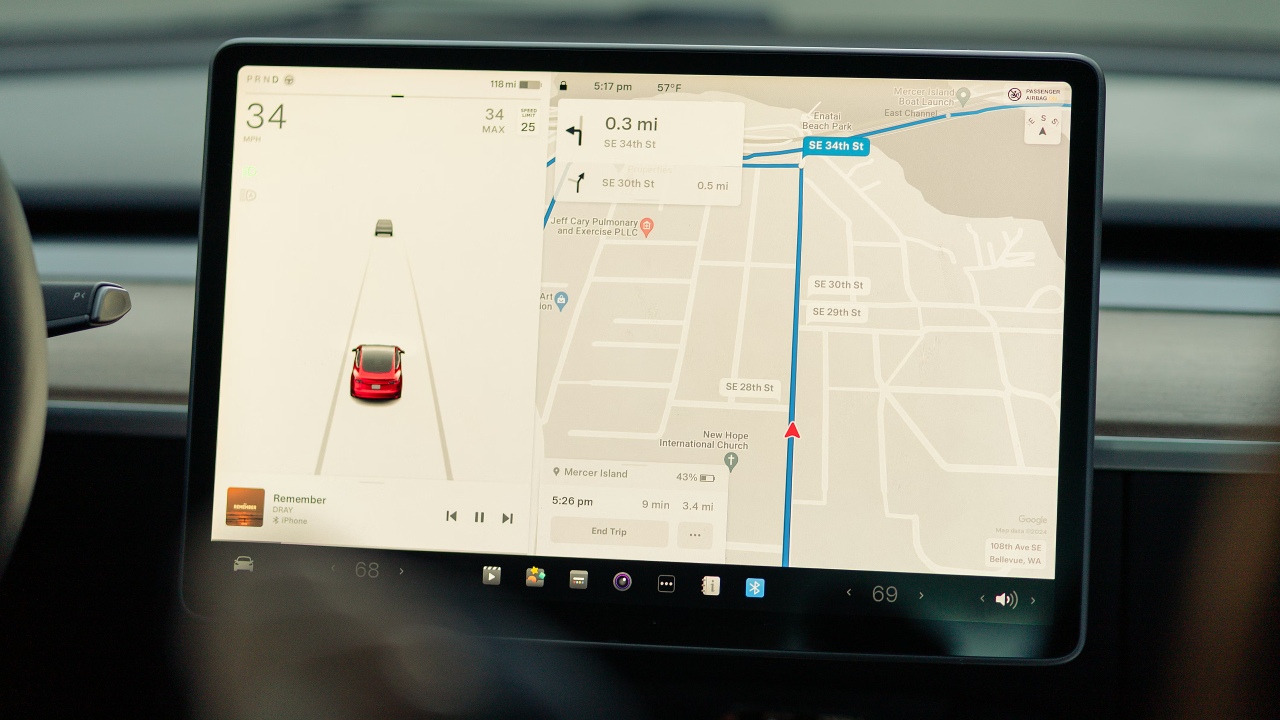
Automakers have spent the past decade turning instrument clusters and center stacks into giant glass panels, and the result is a driving experience that now depends on complex software stacks. Instead of physical knobs and switches, core functions such as climate control, navigation, and even gear selection are routed through touch interfaces and digital menus that behave more like smartphone apps than traditional car controls. When those systems glitch or lag, the driver is suddenly wrestling with a user interface problem at highway speeds rather than a simple mechanical fault.
That shift is not just cosmetic, it reflects a deeper move to centralized computing platforms that run everything from infotainment to driver-assistance features on shared hardware. In practice, that means a bug in a software update or a conflict between modules can ripple across multiple systems at once, affecting displays, sensors, and connectivity in ways that are hard for owners to diagnose. As vehicles adopt over-the-air updates and app ecosystems, they inherit the same patch cycles, compatibility issues, and unexpected regressions that laptop users know too well, only now those headaches live in the middle of the daily commute.
Over-the-air updates blur the line between fix and experiment
Over-the-air software updates were sold as a way to fix defects quickly and add features without a trip to the dealer, but they also turn every car into a permanent beta test. When a manufacturer can push new code to thousands of vehicles overnight, the temptation is to ship first and refine later, trusting that any issues can be patched in the field. For drivers, that means the car they wake up to on a Monday morning may not behave exactly like the one they parked on Sunday, even if they never asked for a change.
That fluidity can be helpful when it closes safety gaps or improves performance, yet it also raises questions about consent and reliability. Owners often have little practical way to audit what changed, how thoroughly it was tested, or whether new features might introduce fresh vulnerabilities. In effect, the vehicle becomes a moving endpoint in a software deployment pipeline, subject to the same rapid iteration mindset that governs phone apps, even though the stakes for failure on the road are far higher.
Data collection turns every trip into telemetry
Modern vehicles quietly harvest detailed information about how, when, and where they are driven, and that data is increasingly treated as a business asset. Location histories, driving behavior, in-car voice commands, and even biometric signals from driver monitoring systems can be logged and transmitted back to manufacturers or their partners. What once stayed inside the cabin now feeds remote servers that can analyze patterns, build profiles, and link a person’s movements to other digital records.
For drivers, the problem is not just that this telemetry exists, but that it is often gathered and shared under broad consent language that is hard to avoid if you want the car to function as advertised. Insurance programs, connected services, and in-vehicle commerce all create incentives to expand data collection and keep it running in the background. As cars become more like laptops on wheels, they inherit the same surveillance economics that have defined the web, only now the tracking is tied to physical mobility and daily routines in a way that is difficult to opt out of without giving up core features.
Security risks follow the connectivity
Every new wireless interface, cloud service, and app integration widens the attack surface of a vehicle that is already packed with networked control units. A compromised infotainment system or telematics module can provide a foothold for attackers to move deeper into the car’s internal networks, where critical functions such as steering, braking, and acceleration are managed. Security researchers have repeatedly shown that poorly isolated systems and weak authentication can turn a convenience feature into a potential safety hazard.
The industry has responded with more rigorous testing and dedicated cybersecurity teams, but the basic tension remains: the more connected and software-driven the car becomes, the more it resembles any other internet device that must be defended against evolving threats. Unlike a laptop, however, a vehicle cannot simply be powered down or disconnected from the road when something looks suspicious. Owners depend on these systems to work reliably in all conditions, yet they have little visibility into how secure the underlying code and communications really are.
Ownership is constrained by code and contracts
As software takes over, the traditional idea of owning a car outright is being quietly rewritten by licensing terms and digital locks. Critical functions are increasingly governed by embedded firmware and cloud services that drivers are not allowed to modify, even when the hardware is physically in their driveway. Subscription-based features, remote disablement tools, and strict anti-tampering rules can leave owners feeling more like long-term renters of a platform than custodians of a machine they fully control.
That shift has practical consequences when something breaks or when a manufacturer decides to discontinue support. Independent repair shops may struggle to access diagnostic data or software tools, and enthusiasts who once could swap parts or tune engines now run into encrypted modules and warranty threats. The more a vehicle behaves like a locked-down computer, the more its capabilities and lifespan are dictated by corporate roadmaps and licensing agreements rather than by the mechanical soundness of the underlying hardware.
Drivers are left managing complexity they never asked for
For many people, a car is still supposed to be a reliable appliance that gets them from one place to another without demanding constant attention. Instead, they now juggle software updates, privacy settings, app logins, and subscription choices layered on top of the basic task of driving. When something goes wrong, the symptoms can be confusing: a frozen screen, a misbehaving sensor, or a disabled feature that turns out to be tied to a billing issue rather than a mechanical fault.
That cognitive load matters, especially in stressful conditions or for drivers who are not comfortable troubleshooting technology. The industry’s push to mirror the smartphone experience in the cabin has delivered slick interfaces and new conveniences, but it has also imported the frustrations of consumer tech into a context where distraction and uncertainty carry higher risks. As cars continue to evolve into networked computers on the road, the challenge is not just adding features, it is making sure the people behind the wheel are not overwhelmed by the complexity that comes with them.
More from Fast Lane Only: