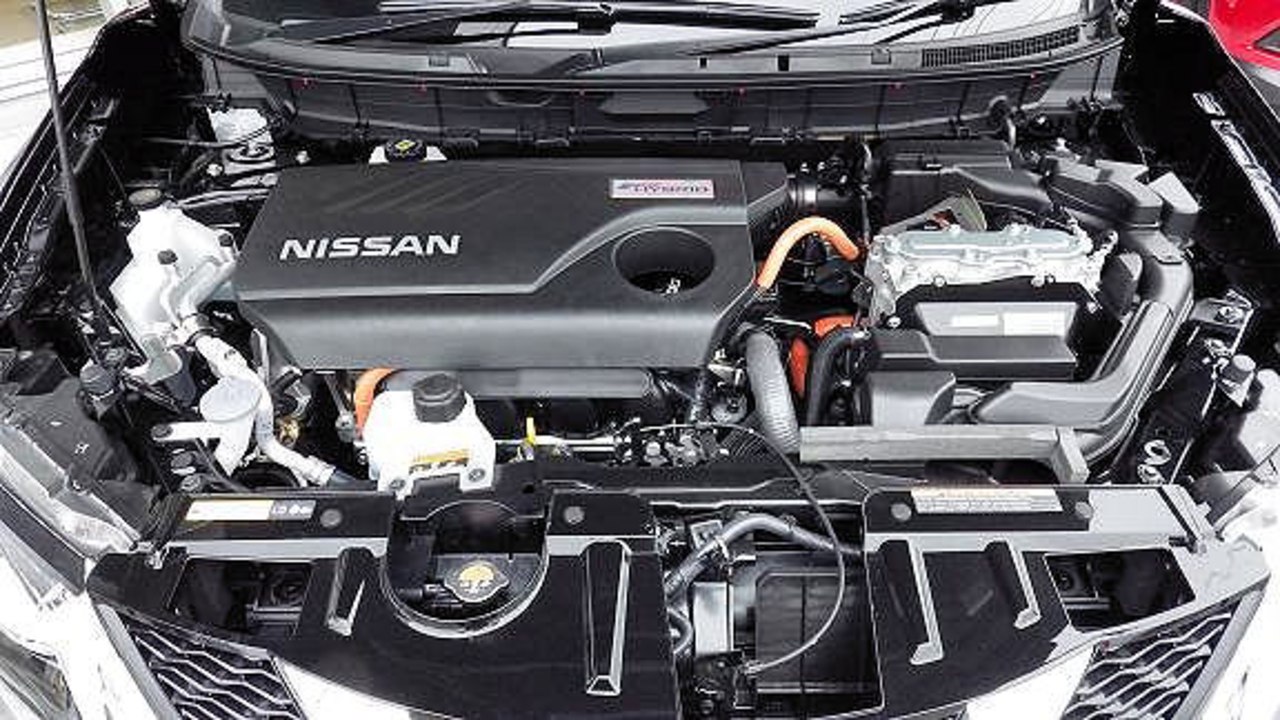
Carmakers spent the past decade promising an all-electric future, yet the newest wave of multibillion‑dollar investments is flowing back into gasoline engines. Instead of treating internal combustion as a dead technology, global manufacturers are re‑engineering it, pairing it with batteries and software to squeeze out more efficiency and profit. I see that shift less as a retreat from electrification and more as a hard‑nosed response to policy uncertainty, consumer hesitation, and the brutal economics of mass‑market EVs.
The result is a messy, transitional era in which the same companies that championed zero‑emission roadmaps are quietly betting that advanced gas and hybrid powertrains will carry them through the next decade. Those bets are reshaping product plans, factory footprints, and even long‑standing alliances, as automakers hedge against the risk that pure EV demand will not grow fast enough to justify earlier ambitions.
EV euphoria meets market reality
Automakers did not wake up one morning and rediscover their love of pistons; they ran into the limits of early EV optimism. After a burst of growth, demand for battery‑only models has cooled in key markets, especially at mainstream price points where buyers remain sensitive to cost, charging access, and resale value. Several large manufacturers have acknowledged that their original EV sales targets were too aggressive, and they are now stretching timelines or trimming forecasts while they regroup around more flexible powertrain strategies supported by updated guidance.
That recalibration is happening just as the industry confronts high interest rates, volatile battery material prices, and political pushback against strict emissions rules. Some companies have delayed dedicated EV plants or slowed capacity expansions, citing weaker than expected order books and pressure on margins that were already thin on many electric models. In that environment, executives are finding it easier to justify fresh spending on combustion platforms that can be sold profitably today, while still keeping one foot in the EV future through targeted investments in next‑generation batteries and software‑defined vehicle architectures documented in recent filings.
Hybrids and “multi‑pathway” strategies buy time
The most visible expression of this pivot is the renewed embrace of hybrids, which rely on gasoline engines but deliver lower emissions and better fuel economy. Companies that once treated hybrids as a stopgap are now presenting them as a core pillar of their product mix, especially in North America and parts of Europe where charging networks remain patchy outside major cities. Several global brands have announced expanded hybrid lineups and fresh capital spending on flexible platforms that can support internal combustion, hybrid, and full EV variants on the same assembly lines, a strategy laid out in their multi‑pathway plans.
For executives, this approach offers a hedge against regulatory and consumer uncertainty. If EV incentives are cut or grid constraints slow charger deployment, they can lean harder on hybrids and efficient gas models; if policy tightens again, they can ramp up battery‑only versions without scrapping entire factories. That flexibility is particularly attractive in markets where governments are revisiting phase‑out dates for combustion engines or adjusting fleet emissions rules, as reflected in recent regulatory reviews that have opened the door to extended use of low‑emission ICE technology.
New engine tech, old hardware
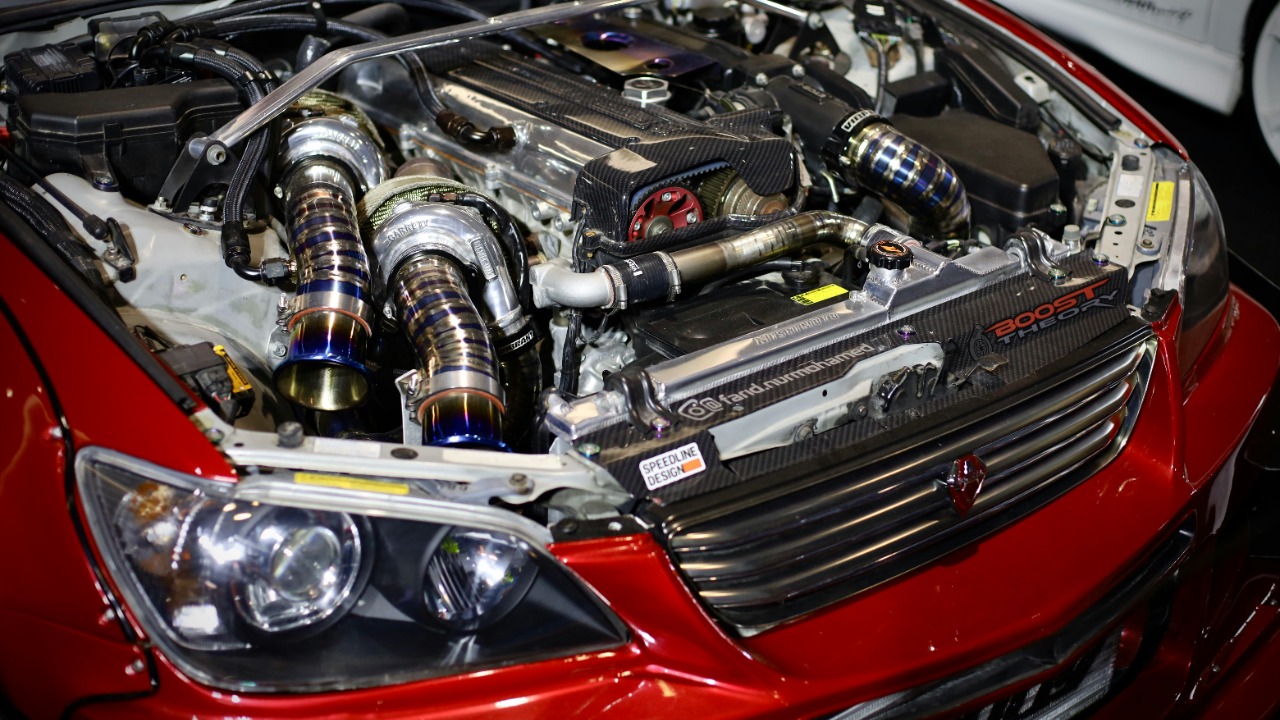
Investing in “old‑school” engines today does not mean freezing technology at yesterday’s standards. Carmakers are pouring money into cleaner, more efficient combustion systems that can run on a wider range of fuels, from advanced biofuels to synthetic e‑fuels, while meeting tougher emissions limits. Several manufacturers have detailed programs to develop new families of turbocharged engines with higher thermal efficiency, integrated exhaust aftertreatment, and sophisticated control software, backed by multibillion‑dollar capital plans outlined in their recent disclosures.
These projects often share components and production lines with hybrid powertrains, which helps spread costs and keeps unit economics attractive even as volumes fluctuate. Engineers are also designing engines specifically optimized to work with electric motors, batteries, and power electronics, rather than treating the hybrid system as an add‑on. That integration allows smaller displacement engines to operate in their most efficient ranges more often, cutting fuel use and emissions in real‑world driving, a benefit highlighted in technical briefings and efficiency studies shared with investors.
Policy whiplash and regional realities
Regulation was supposed to push combustion engines off the road, yet shifting political winds have complicated that narrative. In the United States, federal emissions rules and state‑level mandates still favor rapid electrification, but legal challenges and election‑driven policy debates have injected uncertainty into long‑term planning. Automakers have responded by lobbying for technology‑neutral standards that reward overall fleet emissions reductions rather than prescribing specific powertrains, a stance reflected in their comments to regulators and in coverage of rule revisions.
Outside wealthy urban centers, the case for pure EVs is even more complicated. In parts of Asia, Latin America, and Africa, charging infrastructure is sparse, electricity grids are strained, and household incomes make affordable combustion vehicles hard to replace quickly. Manufacturers with large footprints in these regions are explicit that they expect internal combustion and hybrids to dominate sales for years, even as they roll out EVs in premium segments. Their regional strategies, detailed in recent market briefings, help explain why global product plans still allocate significant capital to new gasoline and diesel engines despite headline commitments to carbon neutrality.
Profit, pricing power, and the EV learning curve
Behind the technical and regulatory arguments sits a blunt financial reality: most legacy automakers still earn their best margins on combustion vehicles, especially trucks and SUVs. EV programs require heavy upfront spending on batteries, software, and dedicated platforms, while price competition and discounting have eroded profitability on many electric models. Several companies have reported losses per EV sold or singled out their electric divisions as drags on group earnings, even as they tout long‑term potential, a tension laid out in their quarterly results and analyst calls.
By contrast, updated combustion platforms can often be developed and produced using existing plants, supplier networks, and engineering teams, which keeps capital intensity lower and payback periods shorter. That makes it easier to fund shareholder returns and ongoing R&D while the EV business climbs the learning curve on costs and quality. Some manufacturers are explicitly using profits from high‑margin gas and hybrid models to subsidize battery investments and software development, a cross‑subsidy strategy described in their capital allocation plans and echoed in investor presentations.
Strategic hedging, not a U‑turn
Seen together, these moves do not amount to a wholesale abandonment of electrification so much as a strategic hedge against an uncertain transition. Automakers are still committing large sums to battery plants, dedicated EV platforms, and digital services, but they are pairing those bets with renewed spending on combustion technology that can deliver near‑term returns and regulatory compliance. The industry’s public roadmaps now read less like straight lines to an all‑electric endpoint and more like branching paths that can be adjusted as policy, technology, and consumer behavior evolve, a shift that is evident across multiple strategy updates.
For drivers, that means the showroom will stay crowded with choices: pure EVs for those ready to plug in, hybrids for buyers who want lower fuel bills without range anxiety, and increasingly sophisticated gasoline models for markets where infrastructure or incomes lag. I read the current wave of investment in gas engines not as nostalgia for the past, but as a pragmatic bet that the road to cleaner transport will be longer, more regional, and more technologically mixed than early EV evangelists expected. The companies writing the checks are preparing for that messy middle, and for now, the combustion engine is still very much part of their future.
More from Fast Lane Only: