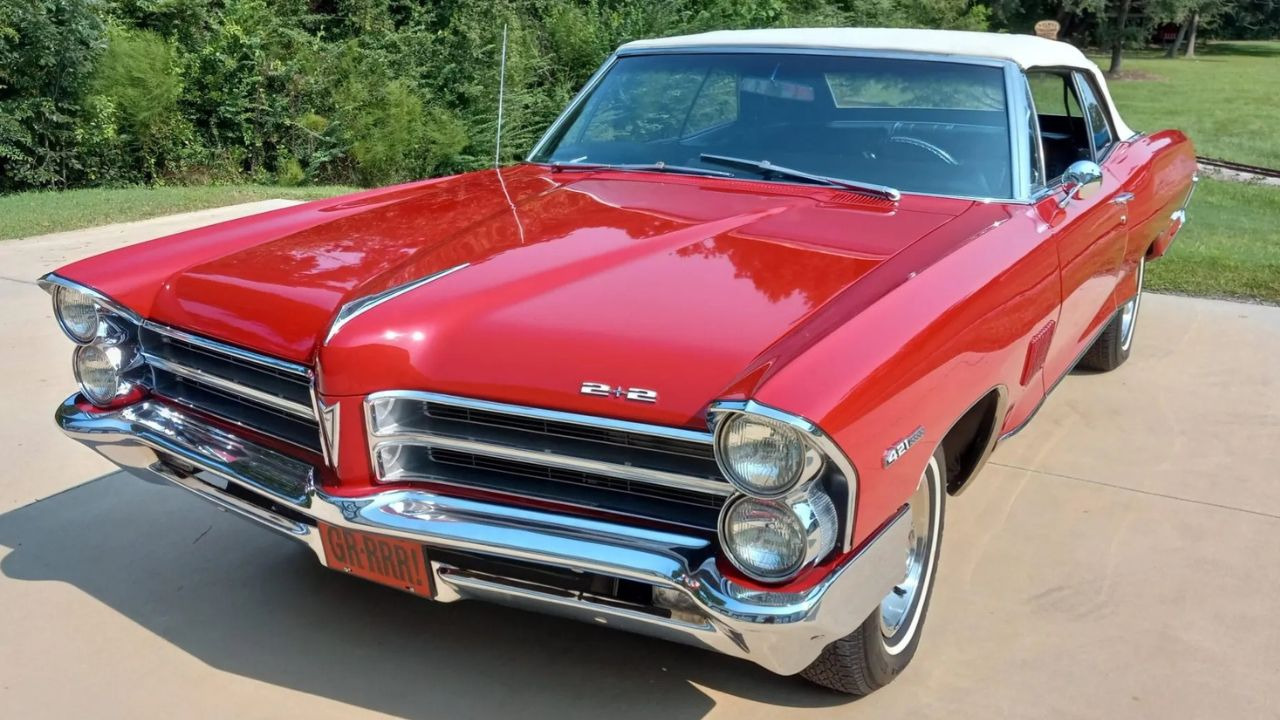
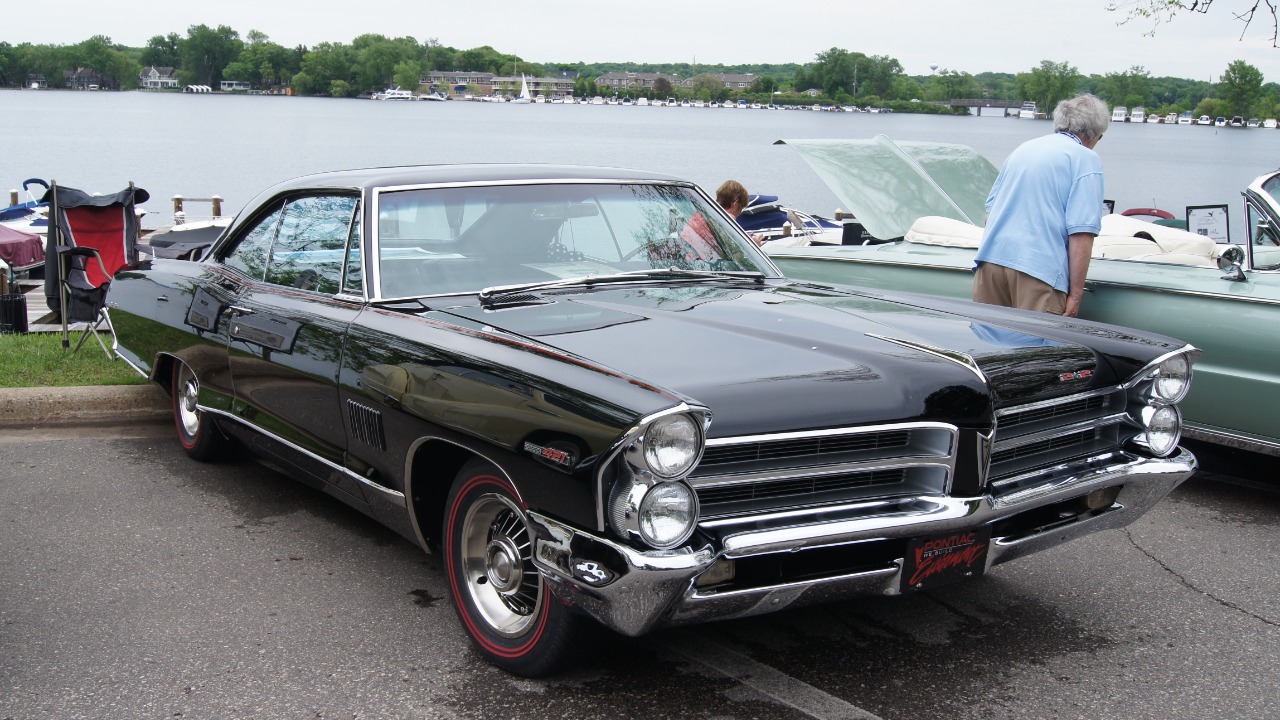
The 1965 Pontiac Catalina may not hold the same fame as the Chevelle, but during its prime, it was a formidable presence on the drag strip. With a robust engine and a sleek design, this often-overlooked classic had the potential to challenge even the most celebrated Chevelles.
The Rise of the Muscle Car Era
The 1960s marked an exciting period for the automobile industry, characterized by the birth of the muscle car era. American automakers were fiercely competitive, each striving to create the ultimate performance vehicle that could dominate both the streets and the drag strips. Among these manufacturers, General Motors played a significant role with its impressive lineup, capturing the imagination of car enthusiasts nationwide.
The Chevelle, introduced by Chevrolet, quickly rose to prominence as a quintessential muscle car. Its combination of style, power, and affordability made it a favorite among young drivers and collectors alike. The Chevelle’s popularity was further cemented by its appearances in popular media and its success on the racing circuit. However, amidst this competitive landscape, the 1965 Pontiac Catalina quietly emerged as a worthy contender, despite not achieving the same iconic status.
Pontiac Catalina: The Unsung Hero
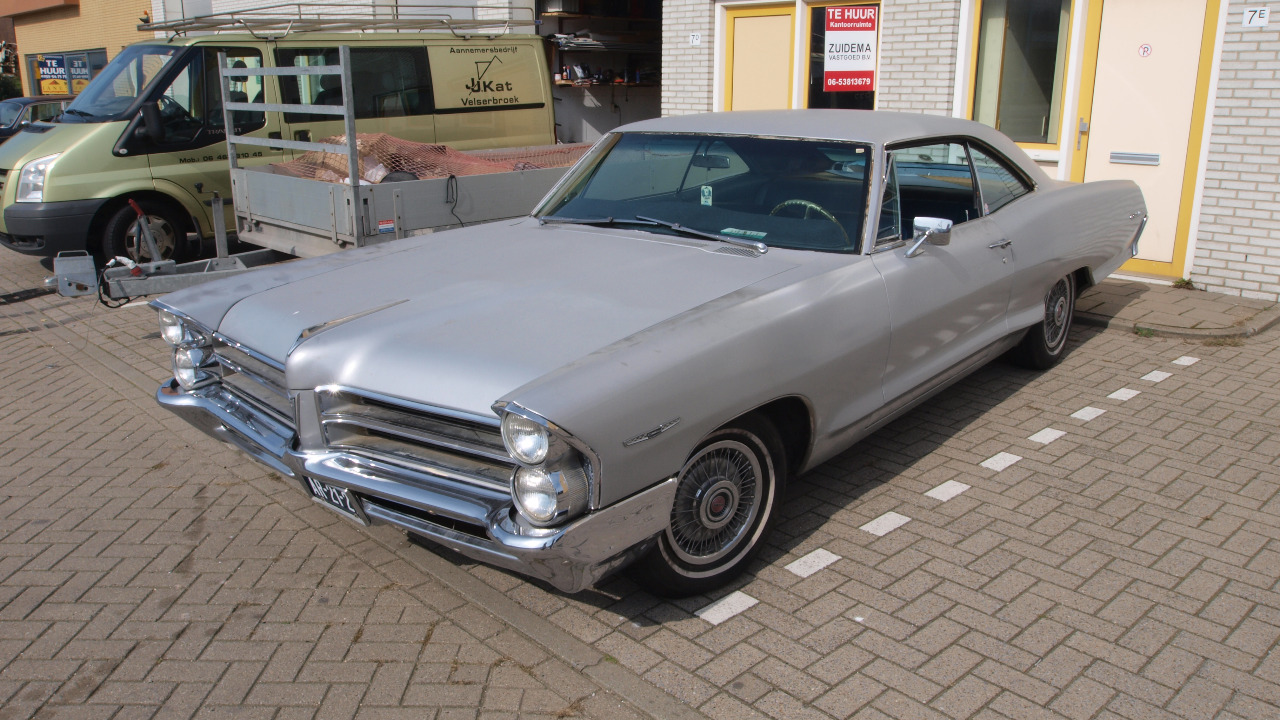
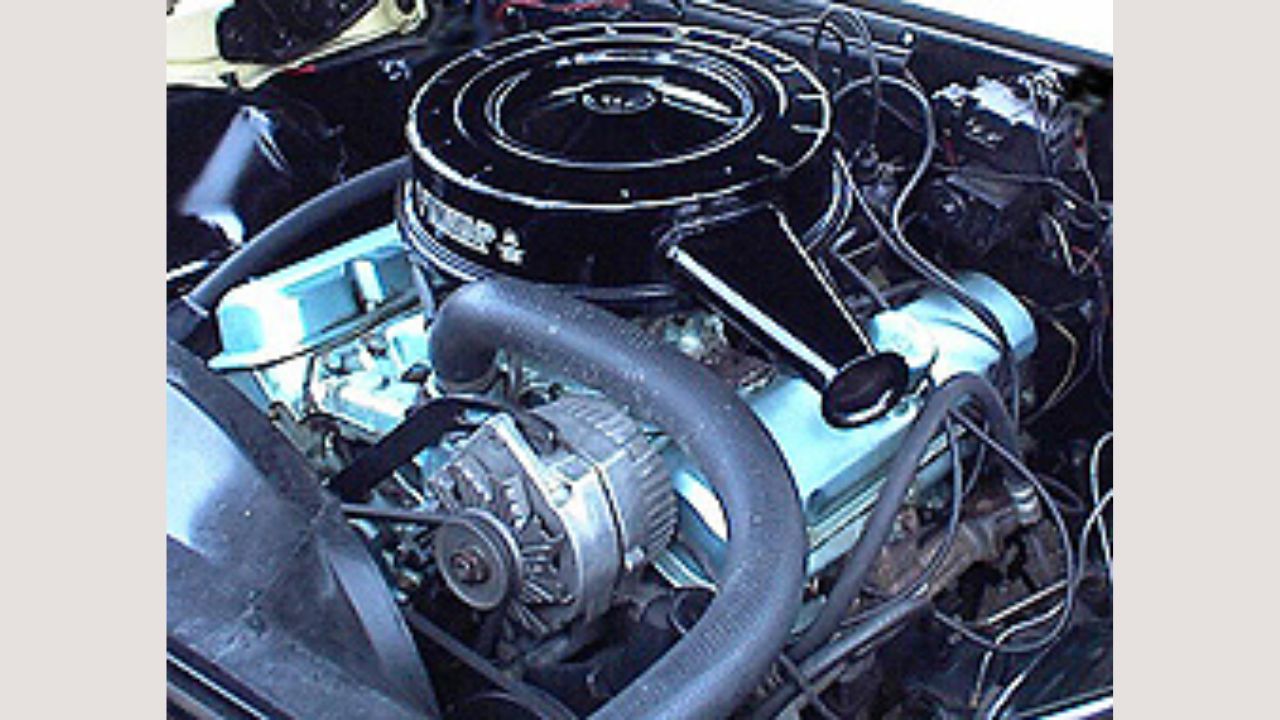
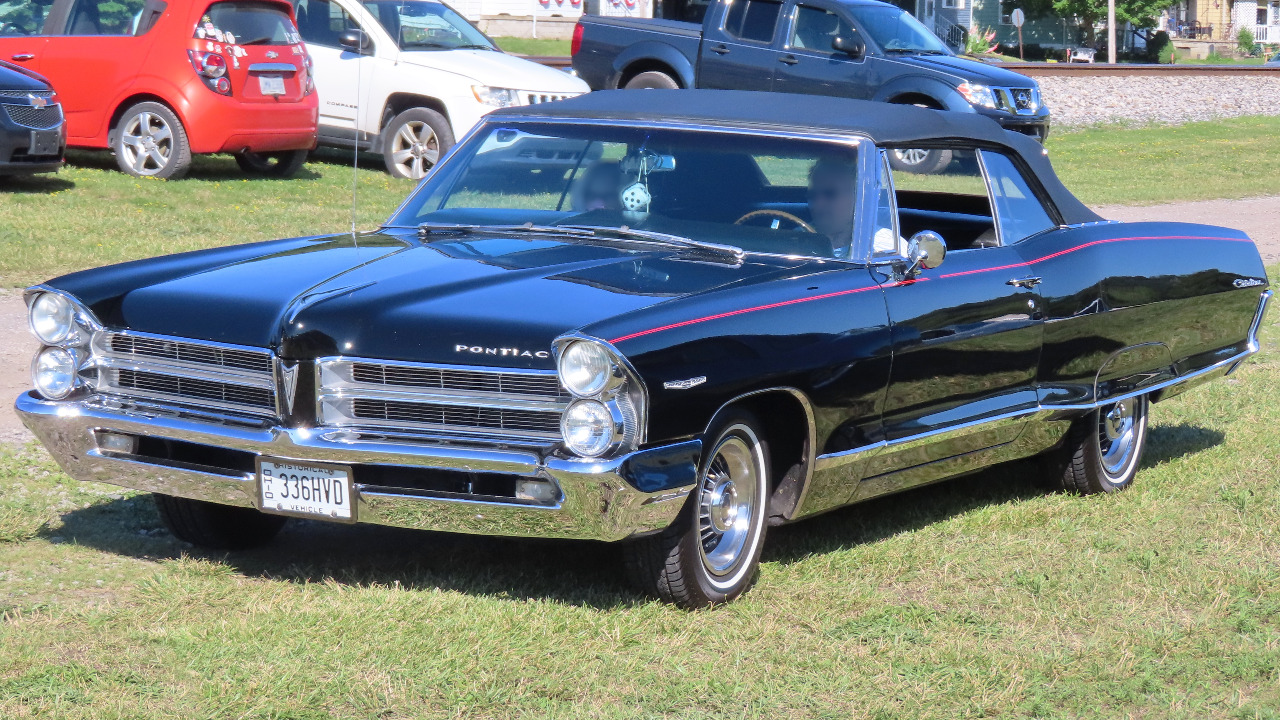
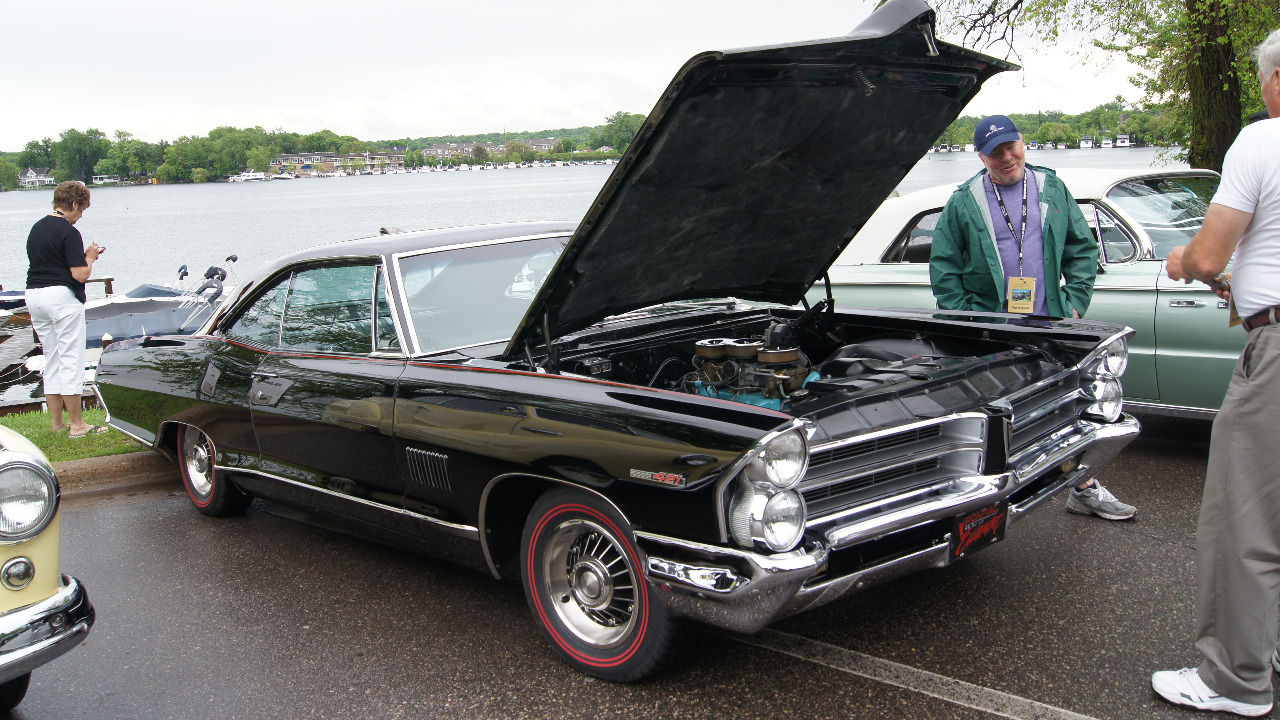
The 1965 Pontiac Catalina was a testament to the innovative design and engineering prowess of Pontiac. Sporting a sleek silhouette and a commanding presence, the Catalina was equipped with a powerful engine that made it a formidable competitor on the drag strip. It was available with a range of engine options, including the high-performance 421 Super Duty, which could deliver impressive horsepower and torque.
Despite its impressive specifications, the Catalina did not achieve the same legendary status as the Chevelle. This was partly due to Pontiac’s marketing strategy, which often focused more on luxury and less on performance compared to Chevrolet’s aggressive promotion of the Chevelle as a muscle car icon. Nonetheless, the Catalina had its share of admirers who recognized it for the hidden gem it was, capable of holding its own against more popular rivals.
Performance Showdown: Catalina vs. Chevelle
When comparing the engine specifications of the 1965 Catalina and Chevelle models, the differences are intriguing. The Catalina’s 421 Super Duty engine boasted significant horsepower and torque, rivaling the Chevelle’s offerings. In real-world performance metrics, the Catalina often matched or exceeded expectations, proving itself in historical drag races. Enthusiasts have long debated the merits of each vehicle, with discussions often turning to the competitive dynamics between these GM A-bodies.
While the Chevelle has been celebrated as one of the fastest production cars of its time, the Catalina’s capabilities were not far behind. Race outcomes varied, with each car having its share of victories, yet the Catalina remained largely underappreciated in the shadow of its more famous cousin. Enthusiast forums and communities continue to explore and celebrate the legacy of the Catalina and its role in the muscle car era.
Engineering Marvels and Modifications
The engineering innovations of the 1965 Catalina contributed significantly to its performance prowess. With a robust chassis and advanced suspension system, the Catalina offered a smooth yet powerful driving experience. Enthusiasts took these engineering feats further, often opting for aftermarket enhancements to boost the Catalina’s capabilities, ranging from engine upgrades to customized exhaust systems.
The modification culture around the Catalina was vibrant, with owners keen to extract every ounce of performance from their vehicles. In comparison, Chevelle owners also embraced modifications, but the culture surrounding each car was distinct. While forums like Hot Rod celebrated the engineering marvels of the Catalina, the broader muscle car community continued to explore and appreciate the unique charm of each vehicle.
Legacy and Influence of the 1965 Catalina
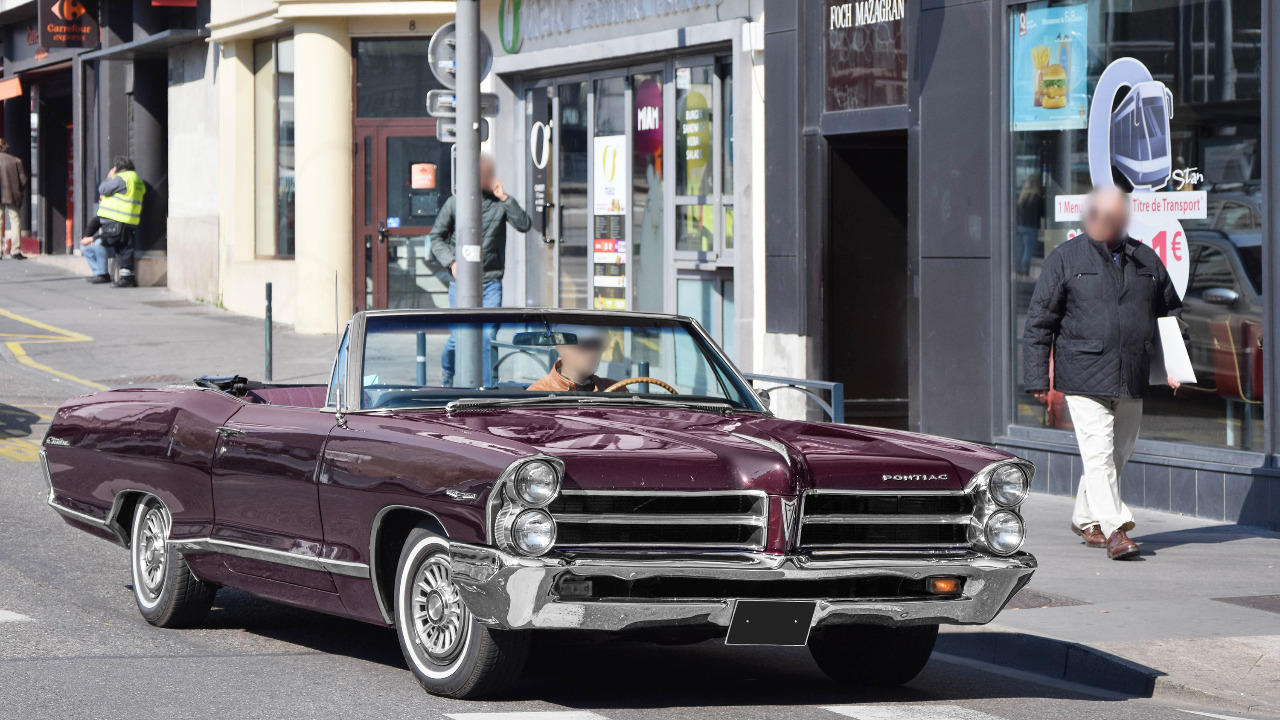
The 1965 Pontiac Catalina left a lasting impact on subsequent Pontiac models and the brand’s legacy in the muscle car domain. Its influence is evident in the design and performance features of later models, showcasing how the Catalina set a standard for innovation and power. Although it never reached the legendary status of the Chevelle, the Catalina’s contributions to the muscle car era are undeniable.
Today, the 1965 Catalina enjoys a resurgence in appreciation, with restoration culture thriving among enthusiasts. The classic car market recognizes its value, and collectors are drawn to its unique blend of style and performance. Online communities play a crucial role in preserving the history of the Catalina, with forums like dedicated groups celebrating its legacy and sharing restoration journeys.
The Modern Muscle Car Enthusiast’s Perspective
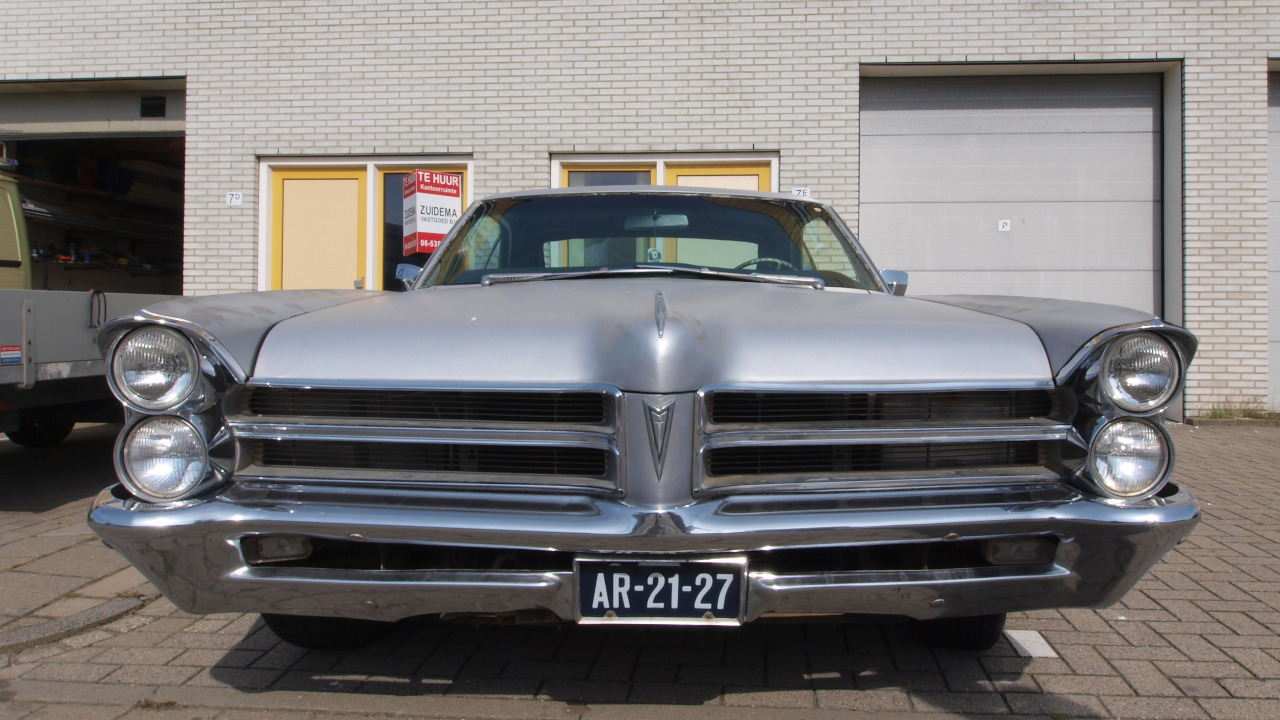
Modern muscle car enthusiasts view the 1965 Catalina with a sense of reverence, acknowledging its place in the pantheon of classic American automobiles. While the Chevelle continues to dominate discussions, the Catalina has carved out a niche for itself, with a passionate community of owners and admirers. These enthusiasts often turn to online platforms to exchange restoration tips, share experiences, and celebrate their love for this underrated classic.
Stories and testimonials from current owners highlight the deep connection they have with their Catalinas. Whether it’s the thrill of driving a piece of automotive history or the satisfaction of meticulous restoration, the Catalina continues to inspire dedication and passion. As the muscle car culture evolves, the 1965 Pontiac Catalina remains a cherished part of the conversation, appreciated for its contributions and the unique charm it brings to the classic car world.