The Plymouth Duster, a classic American muscle car, has captured the hearts of automotive enthusiasts for decades. Among its various iterations, one particular factory build stands out as the rarest, embodying a unique blend of performance and historical significance. This article delves into the history, rarity, and cultural impact of the Duster, focusing on what makes this specific model a true standout in the automotive world.
History of the Plymouth Duster
The Plymouth Duster made its debut in 1970 as a compact muscle car, designed to attract younger buyers looking for both style and performance. Initially marketed as an affordable and sporty coupe, it quickly gained traction in the muscle car market. The Duster was built on the Chrysler A-body platform and was equipped with a variety of powerful engines, including a 225 cubic inch Slant Six and the iconic 340 cubic inch V8. This combination of performance, affordability, and style helped the Duster carve out a place in the hearts of car enthusiasts and collectors alike.
Throughout the years, the Duster evolved significantly, adapting to changing consumer preferences and federal regulations. The 1971 model introduced several aesthetic changes, including a new grille and rear taillight design, while the engine options expanded to include the formidable 360 cubic inch V8. The Duster’s impact on the automotive market was profound, as it demonstrated that a compact car could deliver the exhilarating performance typically associated with larger muscle cars. Its popularity prompted other manufacturers to explore similar compact options, effectively changing the landscape of American muscle.
The Rarest Factory Build
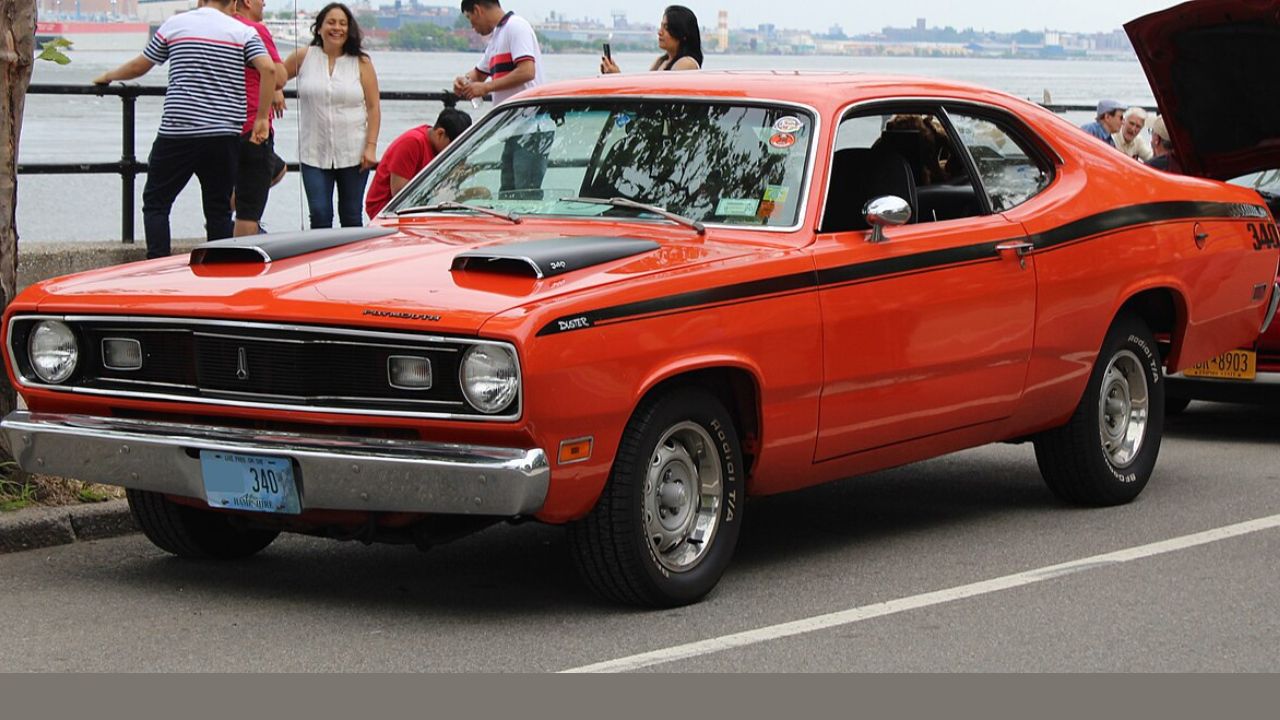
Among the many models of the Duster, the 1971 Plymouth Duster 340 has garnered the title of the rarest factory build. With production numbers estimated to be less than 1,500 units, this model is a true collector’s item. What sets the 1971 Duster 340 apart is not only its limited production but also its unique specifications, which include a powerful 340 cubic inch V8 engine, performance-tuned suspension, and distinctive styling cues like the “Duster 340” striping package. It was a car that appealed to both the speed enthusiast and the style aficionado.
The rarity of this specific model is further enhanced by the fact that many of these vehicles have either been lost to time or heavily modified over the years. The 1971 Duster 340 represents a critical moment in automotive history, showcasing the muscle car’s peak just before stricter emissions regulations began to limit performance options. For collectors, owning one of these rare models is akin to holding a piece of automotive history.
Unique Features and Specifications
The 1971 Plymouth Duster 340 is distinguished by several unique features that elevate it above its peers. One of the most notable aspects is its engine—the 340 cubic inch V8—known for its power and performance. This engine was designed to produce 275 horsepower and could be paired with either a 3-speed automatic or a 4-speed manual transmission, making it a thrilling choice for driving enthusiasts. Furthermore, the Duster’s lightweight construction contributed to its impressive power-to-weight ratio, allowing it to perform admirably on both the street and the track.
Another unique feature that enhances the rarity of certain builds is the optional sunroof, which was offered on a limited basis. This sunroof option was not just about aesthetics; it provided a more open driving experience that many muscle car enthusiasts cherished. However, the sunroof was often overlooked by buyers who prioritized performance over luxury, which makes models equipped with this feature even rarer today. The combination of the powerful engine, lightweight design, and optional features like the sunroof makes the 1971 Duster 340 a standout in both performance and style.
Survivor Stories and Current Ownership
Stories surrounding the surviving 1971 Duster 340 models are as diverse as the individuals who own them. Many current owners have fascinating tales of how they stumbled upon these rare gems. For instance, some have inherited these classic cars from family members who cherished them, while others have spent years searching through classified ads and car shows to find the right model. One notable story involves a Duster owner who discovered their vehicle in a barn, covered in dust but still boasting its original paint job and engine. This kind of find is a dream for many collectors.
Preservation efforts have played a crucial role in maintaining the integrity of the Duster. Owners often participate in restoration projects focusing on keeping the car as close to its original specifications as possible. Some have taken part in community events and car shows, where they share their restoration experiences and showcase their vehicles. The dedicated community surrounding the Duster can be seen in forums and social media groups, such as the Plymouth Duster Owners Group, where enthusiasts connect, exchange tips, and celebrate their passion for this classic car.
The Duster’s Place in Automotive Culture
The Plymouth Duster holds a significant place in American muscle car culture. It is often compared to other iconic models of the era, such as the Ford Mustang and Chevrolet Camaro. While those models may dominate discussions in popular media, the Duster has built a dedicated fan base that appreciates its unique blend of performance and affordability. The Duster is often celebrated in automotive circles for its underdog status, as it provided thrilling performance at a price point that was accessible to many. This narrative resonates with car enthusiasts who appreciate the Duster not just as a vehicle, but as a symbol of a golden age in American automotive history.
Social media and online communities have played a pivotal role in promoting awareness and appreciation of the Duster. Enthusiasts frequently share photos, restoration tips, and stories about their cars on platforms like Instagram and Facebook. These communities foster a sense of belonging among Duster owners, allowing them to connect with like-minded individuals who share their passion. Events like car shows often feature the Duster, showcasing its significance to collectors and its lasting impact on automotive culture.
Future of the Plymouth Duster
The future of the Plymouth Duster looks promising, especially regarding its value and desirability in the collector car market. As the demand for classic muscle cars continues to rise, models like the 1971 Duster 340 are likely to appreciate in value, making them attractive investments for collectors. Experts predict that as more people become aware of the Duster’s rarity and historical significance, interest in these models will only grow. Collectors are increasingly seeking out original, unmodified vehicles, which adds to the allure of the Duster as a collector’s item.
Restorations and modifications can also enhance the Duster’s appeal. Some owners are opting for performance upgrades that maintain the car’s classic look while improving drivability. This includes modernizing the suspension, upgrading brakes, or even retrofitting the vehicle with contemporary engine technology to enhance reliability without sacrificing authenticity. These modifications can make the Duster more enjoyable to drive while ensuring that it remains a cherished piece of automotive history.
The enduring legacy of the Plymouth Duster is a testament to its place in automotive history. As enthusiasts continue to celebrate and preserve these vehicles, the Duster will likely remain a beloved icon of American muscle car culture for generations to come. For those interested in learning more about specific models, such as the rare 1971 Duster with a sunroof, resources like auto evolution articles provide in-depth insights and showcase the ongoing fascination with this classic car.
More from Fast Lane Only
- Unboxing the WWII Jeep in a Crate
- 15 rare Chevys collectors are quietly buying
- 10 underrated V8s still worth hunting down
- Police notice this before you even roll window down
*Research for this article included AI assistance, with all final content reviewed by human editors.