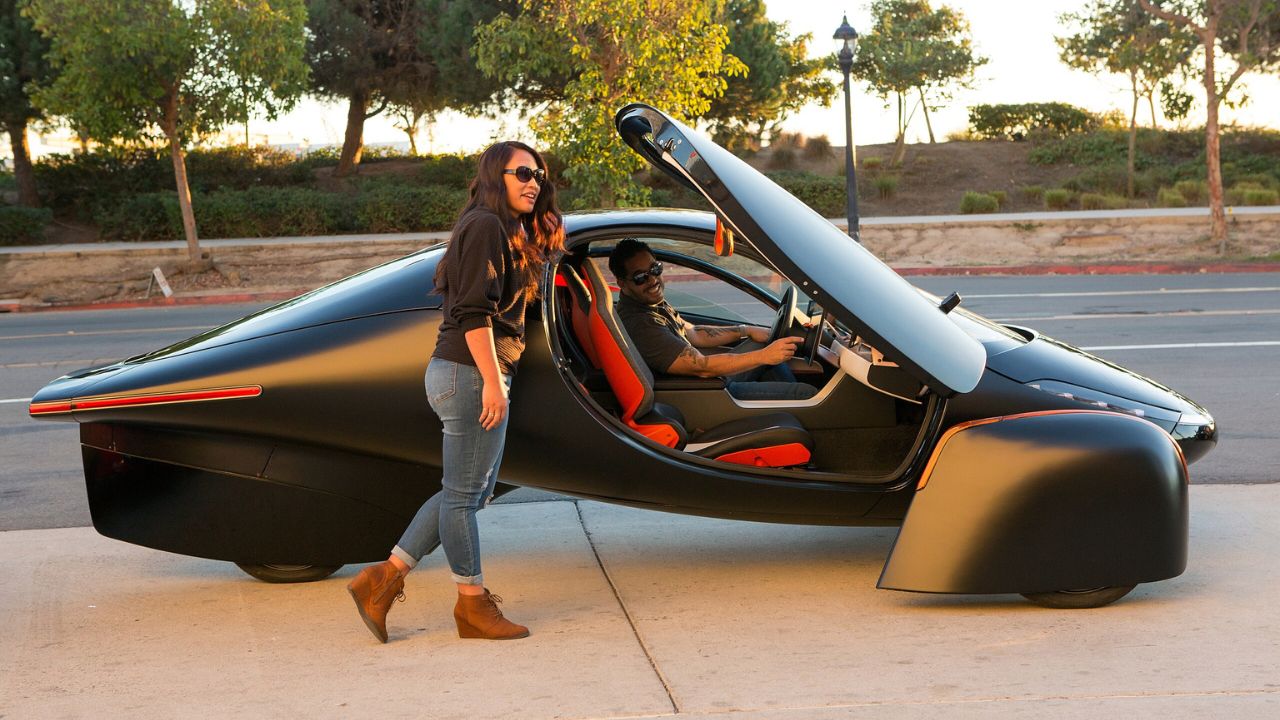
The world of automobiles is vast and diverse, with innovations that have occasionally challenged traditional concepts of vehicle design. Among these innovations are three-wheeled cars, which have intrigued both manufacturers and consumers alike. This exploration highlights some of the noteworthy three-wheeled cars that successfully made it to production, showcasing their unique designs and historical significance.
The Pioneers of Three-Wheeled Cars
The Reliant Robin
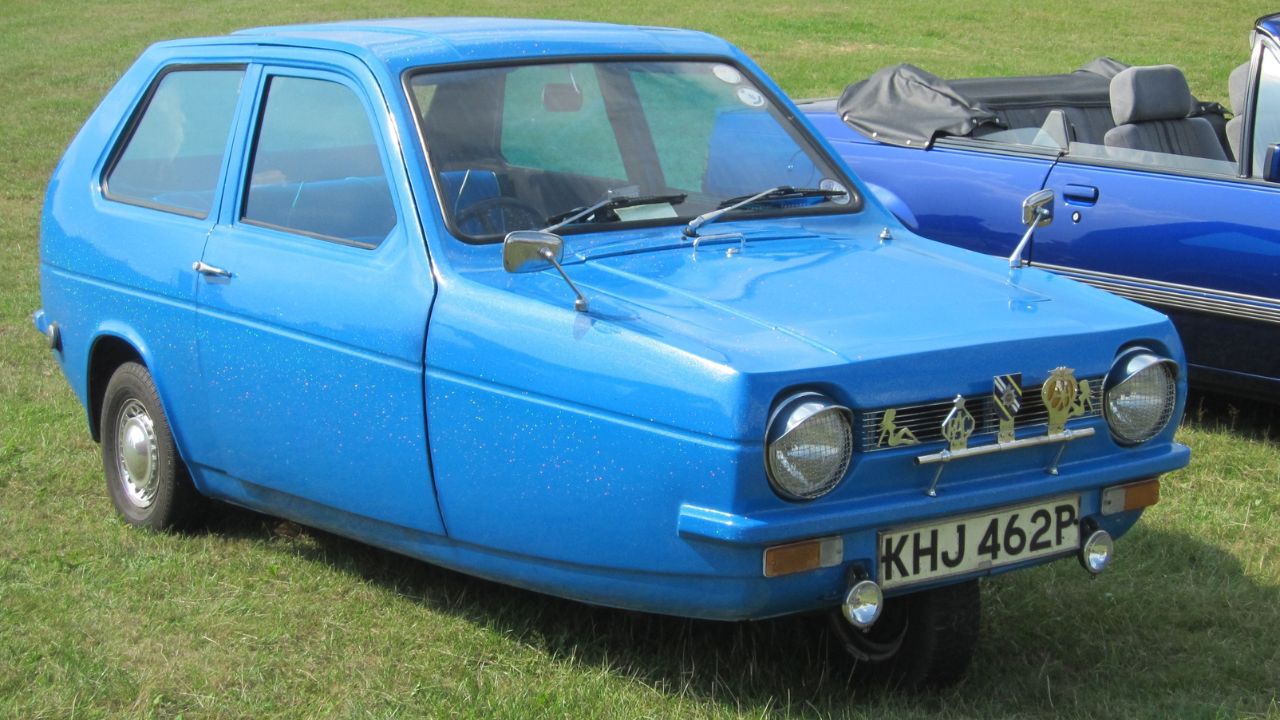
The Reliant Robin stands as a quintessential example of British automotive ingenuity, known for its lightweight design and affordability. Produced from 1973 to 2002, the Robin became a cultural icon in the UK, often remembered for its distinctive shape and the comedic mishaps it inspired in popular media. Despite its reputation for tipping over easily, the Robin’s appeal lay in its economical operation and the fact that it could be driven with a motorcycle license, making it accessible to a broad audience.
Its unique design featured a single front wheel, which was both a design challenge and a defining characteristic. The Robin’s fiberglass body contributed to its lightweight nature, enhancing fuel efficiency. However, the three-wheel configuration posed stability issues, which became a part of its charm and notoriety. Despite these challenges, the Reliant Robin remains a beloved piece of automotive history, celebrated for its quirky design and cultural impact.
The BMW Isetta

The BMW Isetta, often referred to as a “bubble car,” emerged as a symbol of post-war innovation and urban mobility. Originally designed by the Italian company Iso SpA, BMW acquired the license to manufacture the Isetta in 1954. Its compact, egg-shaped design and front-opening door made it an ideal solution for the congested streets of Europe. The Isetta’s small size and efficient use of space allowed it to navigate tight urban environments with ease.
During the post-war era, the Isetta’s economic success was significant, as it provided an affordable and practical transportation option during a time of economic recovery. Its engineering was simple yet effective, featuring a single-cylinder engine that delivered impressive fuel economy. The Isetta’s influence on urban mobility was profound, setting the stage for future microcar designs and solidifying its place in automotive history.
Modern Three-Wheeled Innovations
The Polaris Slingshot

The Polaris Slingshot represents a modern fusion of motorcycle and car, offering a unique driving experience with its open-air, sporty design. Introduced in 2014, the Slingshot features two wheels at the front and one at the rear, providing a distinctive look and feel. Its aggressive styling and powerful engine cater to thrill-seekers and automotive enthusiasts who crave performance and excitement.
Targeted at a niche market, the Slingshot has been well-received by consumers who appreciate its blend of motorcycle agility and car-like stability. Its appeal lies in its ability to deliver an exhilarating ride while maintaining a level of comfort and safety not typically found in traditional motorcycles. The Slingshot’s success highlights the growing interest in unconventional vehicle designs that offer a unique driving experience.
The Campagna T-Rex

The Campagna T-Rex is a high-performance three-wheeler that has captivated enthusiasts with its exceptional engineering and dynamic capabilities. Developed in Canada, the T-Rex combines the thrill of a motorcycle with the stability of a sports car, featuring a powerful engine and a lightweight chassis. Its design emphasizes speed and agility, making it a favorite among those seeking a high-octane driving experience.
With its niche appeal, the T-Rex has carved out a unique market presence, attracting a dedicated following of fans who appreciate its blend of performance and style. The vehicle’s engineering prowess is evident in its precise handling and impressive acceleration, qualities that have earned it a reputation as one of the most exciting three-wheelers available. The T-Rex continues to be a testament to the potential of innovative vehicle design.
Three-Wheeled Electric Vehicles
The Aptera

The Aptera represents a futuristic approach to sustainable transportation, with its aerodynamic design and focus on energy efficiency. Initially introduced in the early 2000s, the Aptera has undergone several iterations, each emphasizing its commitment to reducing environmental impact. Its teardrop shape minimizes drag, allowing it to achieve remarkable efficiency and range on a single charge.
Despite facing production challenges, the Aptera’s potential in the electric vehicle market remains significant. Its innovative design and commitment to sustainability resonate with eco-conscious consumers seeking alternatives to traditional vehicles. As the demand for electric vehicles continues to grow, the Aptera stands poised to make a meaningful impact on the future of transportation.
The Arcimoto FUV

The Arcimoto FUV, or Fun Utility Vehicle, offers an eco-friendly alternative for urban transportation, combining practicality with a sense of fun. Designed for short trips and city commutes, the FUV features a compact design that makes it ideal for navigating crowded streets and tight parking spaces. Its electric powertrain provides a clean and efficient mode of transport, appealing to environmentally conscious drivers.
The FUV’s design philosophy emphasizes simplicity and utility, making it a versatile option for a variety of applications. Its reception has been positive, with consumers appreciating its unique approach to urban mobility. As cities continue to seek sustainable transportation solutions, the Arcimoto FUV’s potential impact on urban transportation is promising, offering a glimpse into the future of eco-friendly commuting.
Three-Wheeled Cars in Popular Culture
Influence on Film and Television

Three-wheeled cars have made memorable appearances in film and television, capturing the public’s imagination and cementing their place in popular culture. The Reliant Robin, for instance, gained fame through its comedic portrayal in the British sitcom “Only Fools and Horses,” where its frequent mishaps became a running gag. Similarly, the BMW Isetta was featured in the movie “Austin Powers: The Spy Who Shagged Me,” adding to its quirky charm.
These appearances have significantly influenced public perception, often highlighting the vehicles’ unique characteristics and endearing them to audiences worldwide. The visibility of three-wheeled cars in media has contributed to their cult status, making them iconic symbols of innovation and individuality.
Cult Following and Fan Communities
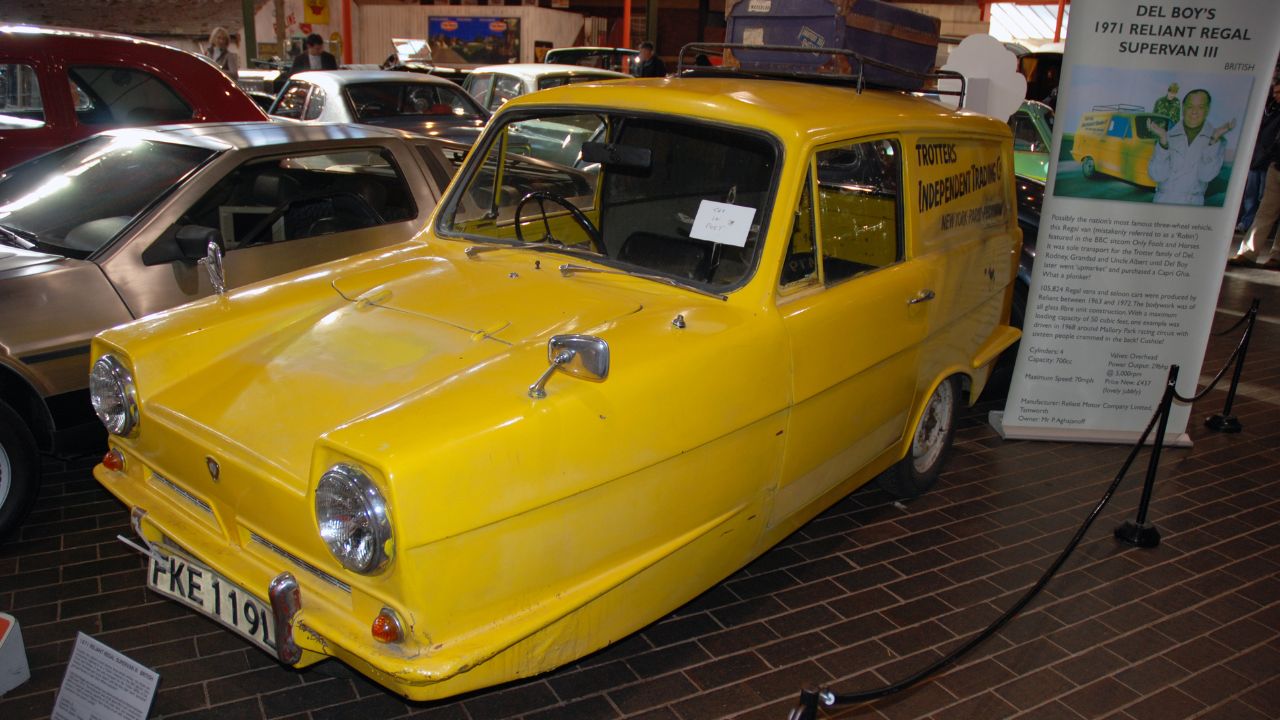
Enthusiasts of three-wheeled cars have formed vibrant fan communities, celebrating these unique vehicles through clubs and events. Owners and aficionados gather to share their passion, exchange stories, and showcase their prized possessions. Events such as the annual Reliant Robin Owners Club meet-ups offer a platform for fans to connect and celebrate their shared interest.
These communities play a crucial role in preserving the legacy of three-wheeled cars, fostering a sense of camaraderie among enthusiasts. Interviews and anecdotes from owners reveal a deep appreciation for the vehicles’ distinctive designs and the joy they bring to their drivers. The enduring appeal of three-wheeled cars is a testament to their impact on automotive culture and the passion they inspire in their fans.
Like Fast Lane Only’s content? Be sure to follow us.
Here’s more from us:
*Created with AI assistance and editor review.