The Datsun Fairlady roadsters won ten national SCCA championships, yet most Americans only remember the Z that replaced them. That pattern runs right through Datsun’s history. For every 510 or 240Z that found a big audience, another good car slipped past buyers.
Some were too odd for their moment, like a roadster with a sideways rear seat. Others arrived in the wrong body style, or with a diesel when few Americans wanted one. A few sold decently and simply deserved more.
These are our picks, eight Datsuns we think should have sold better than they did. That verdict is our opinion. The engines, sales figures and build counts behind each one, though, come from Nissan’s own heritage records, enthusiast histories and marque references.
1. 1964 Datsun Fairlady SP310
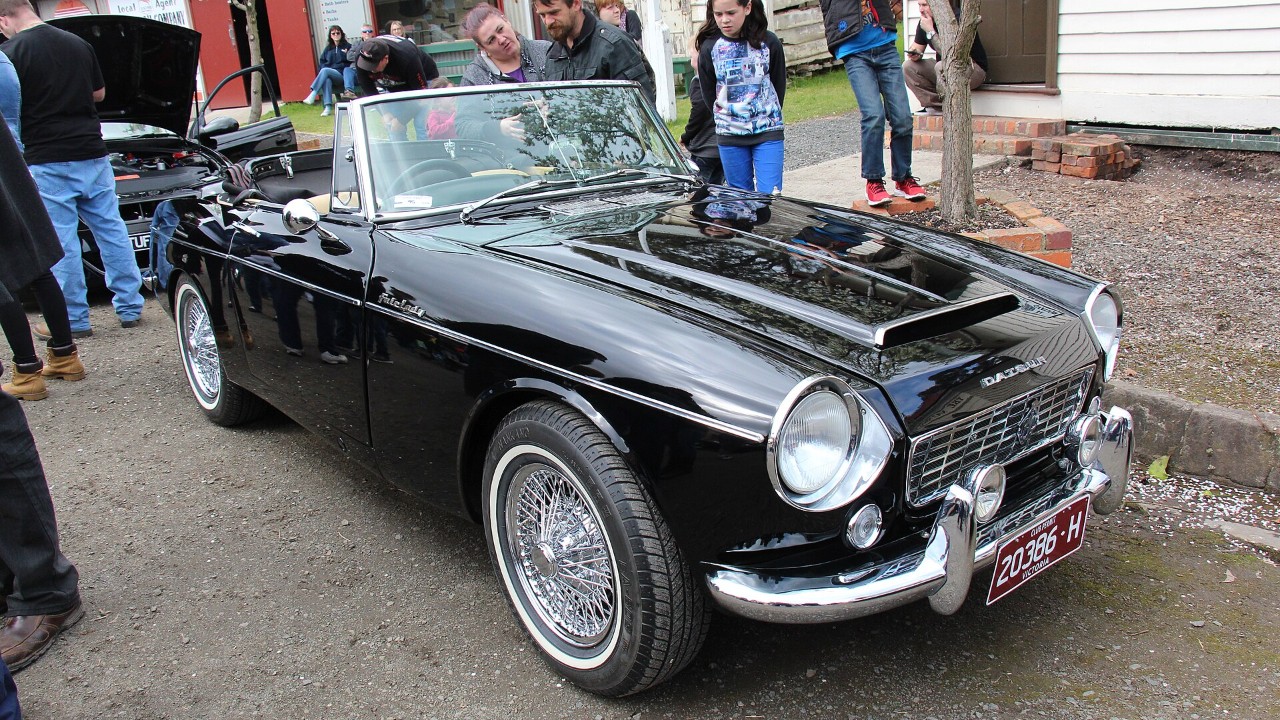
Nissan showed the SP310 at the 1961 Tokyo Motor Show, but production only got going in late 1962. In America, it went on sale as the Datsun 1500. In our view, that plain name did little to tell buyers they were looking at a sports car. Its 1.5-liter four-cylinder came from the Cedric sedan, and Hidehiro Iizuka designed the body in-house as his first complete exterior.
The early car had one feature no rival offered. According to Curbside Classic, it was sold as a three-seater until mid-1964, with the third seat set sideways behind the driver. For 1965, Nissan dropped that rear seat and made the car a true two-seater. Curbside Classic even argues that Iizuka’s shape appeared before the MGB’s.
Our take: the 1964 Datsun Fairlady deserved more attention than it got. In our view, it was a tidy, practical roadster that deserved a much bigger audience. Buyers who passed on it missed a neat little sports car with a quirky party trick.
Today, that sideways seat is the detail we’d point out first on any early Datsun Fairlady. It also sets the early cars apart, because the later SP310s lost it.
2. Datsun SRL311 2000 Sports
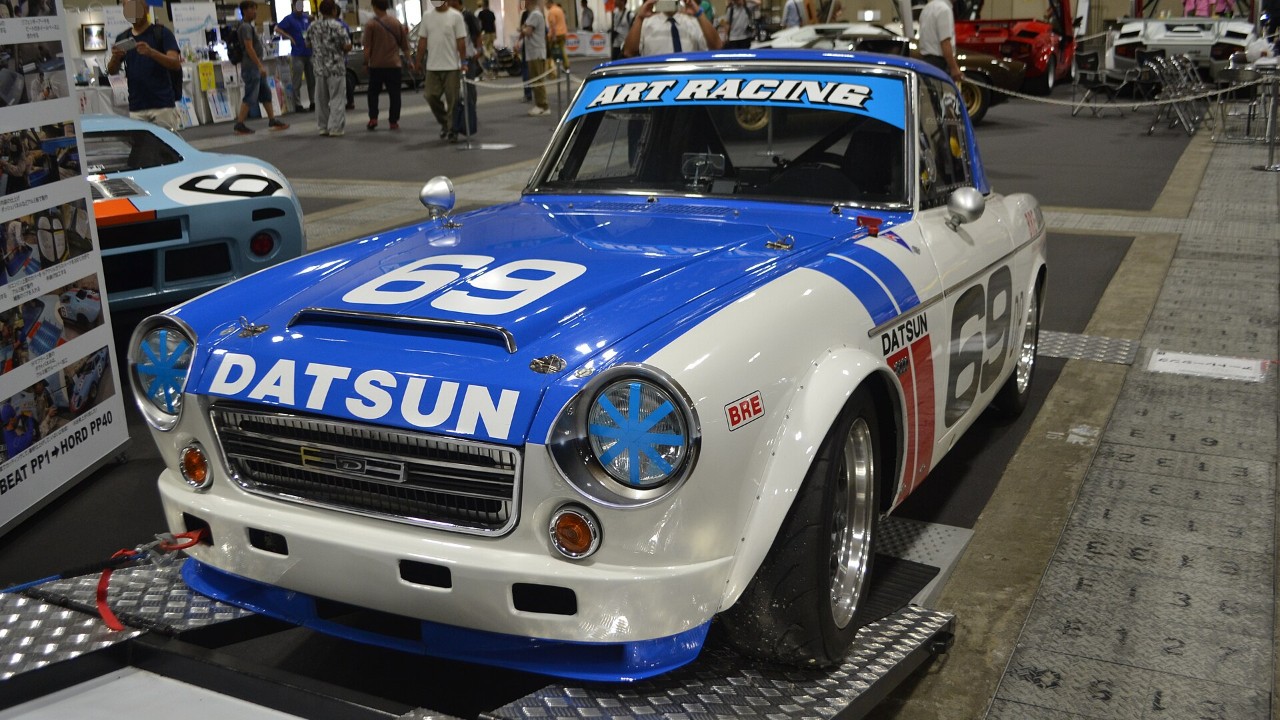
The SRL311 took the Datsun Fairlady roadster and gave it real muscle. Its U20 engine was a 1,982cc overhead-cam four with an aluminum head, and it drove through a five-speed manual. In original 1968–1970 trim, it made 135 hp on the SAE gross scale, and a Competition package raised that to 150 hp.
Nissan’s Heritage Collection quotes a top speed of 205 km/h, or about 127 mph, for the export car. Its record also notes the five-speed used Porsche-type synchromesh, and export cars came in left-hand drive for the U.S. On track, the Datsun 1600 and 2000 together won ten national SCCA titles, and drivers such as John Morton and Bob Sharp raced them. We picked it among Datsuns that still stop traffic, too.
So why does it belong here? Nissan built roughly 40,000 Fairlady roadsters of every type from 1959 to 1970, a small number for a car with that kind of race record. In our opinion, the 2000 had the speed and the race record to sell far more, and buyers simply didn’t take the chance.
3. 1977 Datsun 200B SSS coupe
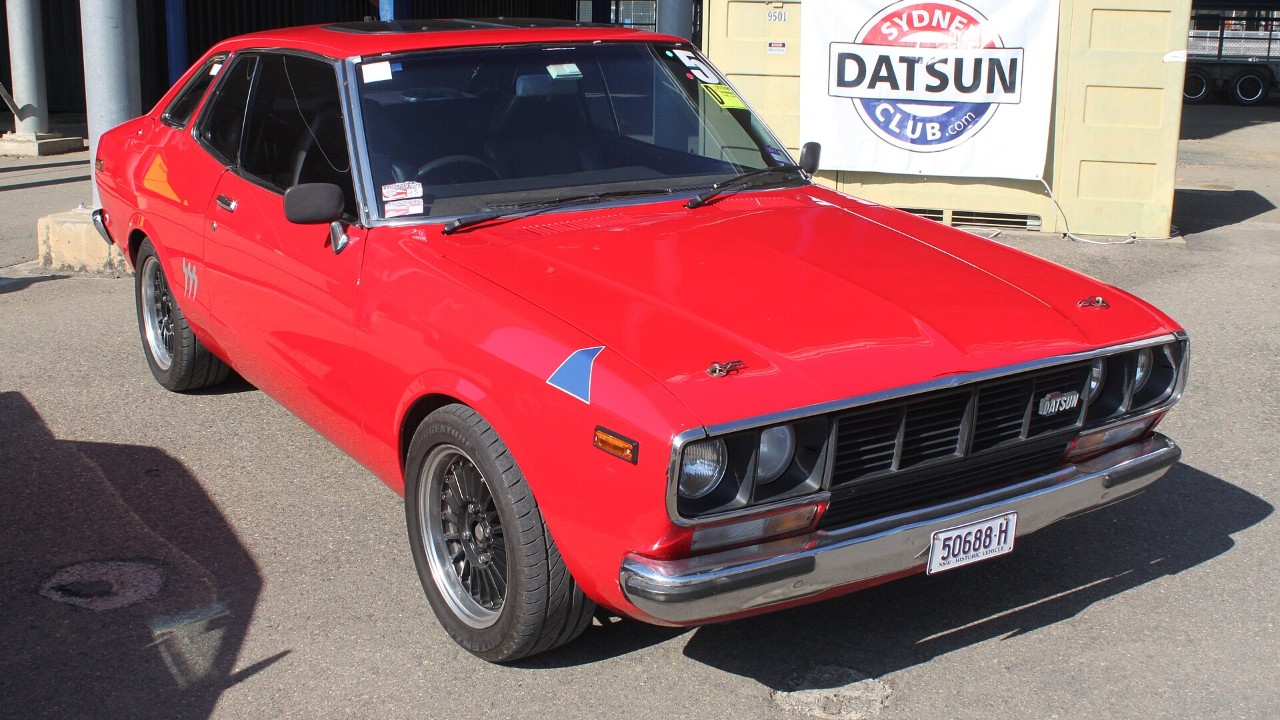
Nissan built the 810-series Bluebird from July 1976 to November 1979. Markets such as Australia called it the 200B, and the sporty two-door hardtop wore the SSS badge. The styling grew out of the earlier 610, with squarer lines and a slight coke-bottle shape. Alongside the coupe, Nissan offered a four-door sedan and a five-door wagon, but no two-door sedan in this series.
The SSS badge meant something. In Europe, the SSS model got a little more power than the standard car, at 90 PS. Australia’s 200B coupe kept the SSS name until Nissan discontinued it in 1979. In North America, by contrast, the two-door didn’t arrive until January 1979, and it was sold simply as the Datsun 810.
Here’s the problem. The 810 series did not sell very well, and Nissan hurried its replacement, the 910, as a result.
In our view, the SSS coupe deserved better. It was a clean, rear-drive hardtop with a sporting badge, exactly the kind of Datsun we’d go looking for today. If you find one, buy it for the shape and the badge.
4. Datsun 810 Maxima wagon diesel
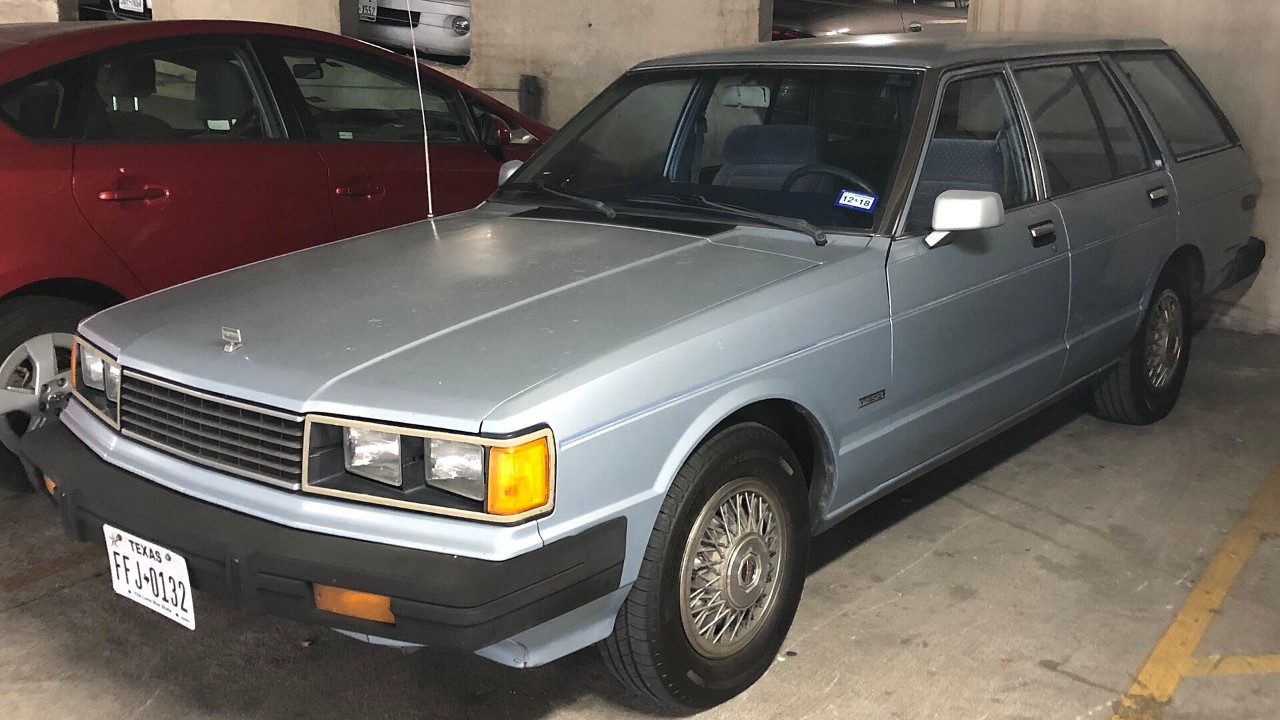
Datsun offered its Maxima wagon with a 2.8-liter LD28 diesel six in the U.S. from mid-1981 through 1983. Buyers could pair it with a five-speed manual or a four-speed automatic with overdrive. Unlike the sedan, the wagon used a leaf-sprung live rear axle and rear drum brakes. Datsun sold the range in two trims, the 810 Deluxe and the 810 Maxima, each as a sedan or a wagon. Then, for 1982, the Maxima name took over completely.
It wasn’t quick. Curbside Classic puts the LD28 at about 80 hp. However, the car did have a party trick: a voice warning system that spoke alerts out loud. Nissan’s Maxima of this era is often called the first talking car sold in the U.S.
Our take: the diesel Maxima wagon was a six-cylinder family hauler with real character. In our opinion, it deserved a longer run, because its slow-revving diesel suited long-distance family duty.
It’s also a reminder of how much Datsun tried in the early 1980s. If you find one, have a diesel specialist inspect it first, then enjoy the talking dash.
5. 1972 Datsun 510 wagon
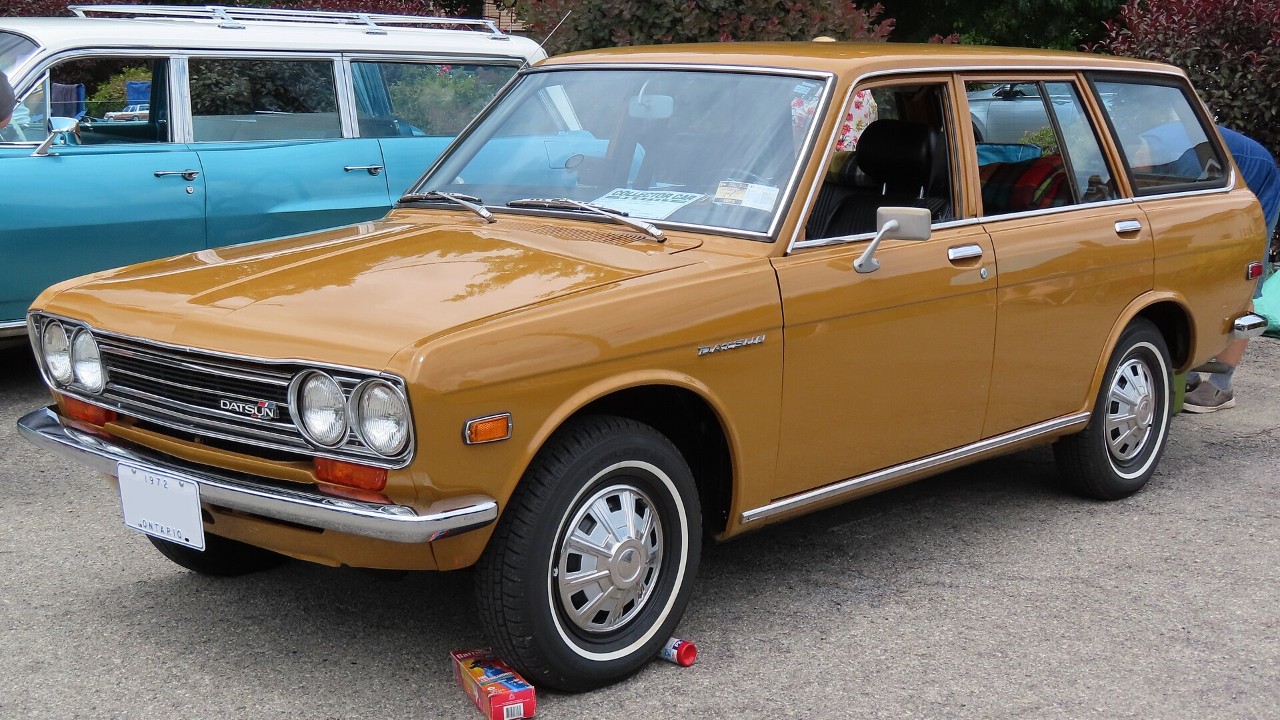
Datsun launched the 510 in the U.S. in October 1967 as a four-door sedan. The wagon followed in November 1968, along with a coupe. Every version used the 1.6-liter L16 four, advertised at 96 hp gross in North America.
The sedan is the famous one. It had independent rear suspension with semi-trailing arms, and John Morton won the 1971 and 1972 Trans Am under-2.5-liter titles in a BRE Racing 510. The wagon, by contrast, used a solid rear axle on leaf springs, so it never got the racing glory. We traced the earlier cars in Datsuns sold in America before the 240Z.
In our view, the 510 wagon is the most overlooked member of a celebrated family. It shared the sedan’s lively engine and added cargo space, yet most buyers chose the four-door. Production of the 510 ended after 1973. Even in the UK, Nissan imported only about 4,000 510 models, a small number for such a capable car.
In our opinion, a clean 510 wagon is now every bit as appealing as the sedan. If you shop for one, have the body checked for rust before anything else.
6. 1972 Datsun 1200 Coupe
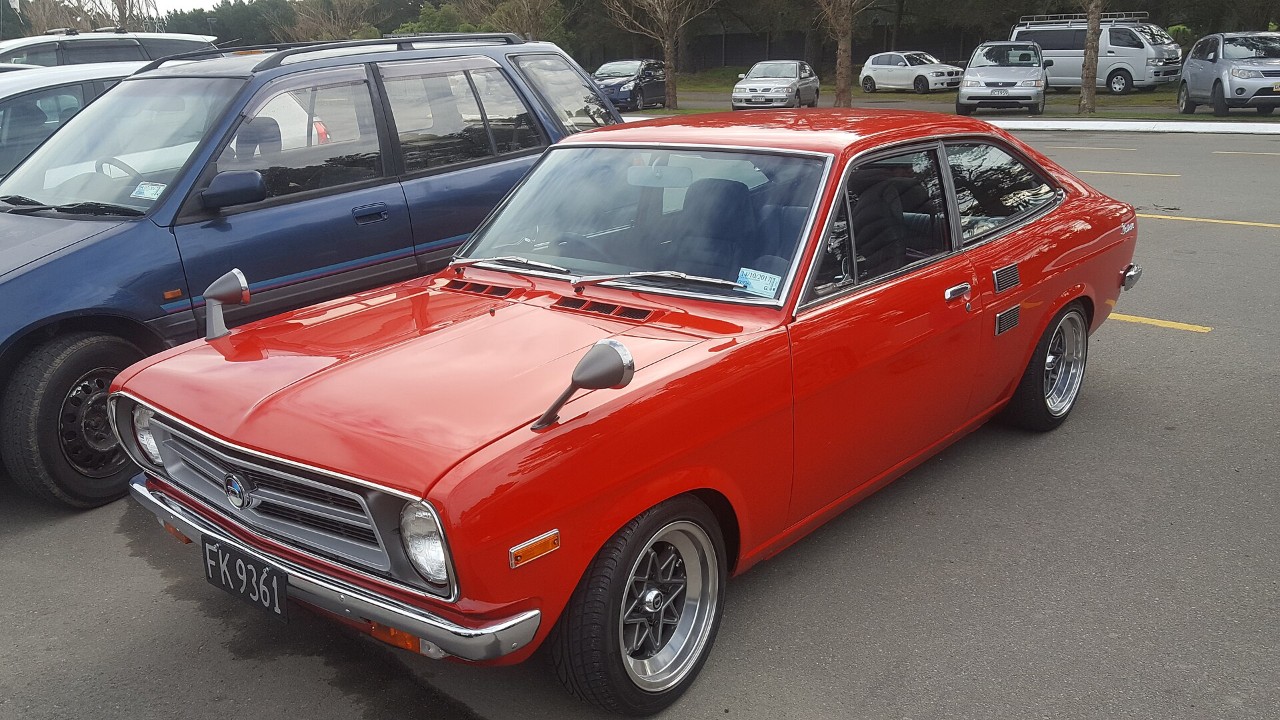
The second-generation Sunny arrived in January 1970 and went abroad as the Datsun 1200. Its 1,171cc A12 engine made 69 hp when the car reached America, and the coupe gave it a sporty fastback roofline. In Japan, the 1200GX coupe was Nissan’s answer to Toyota’s Corolla Levin. It also proved itself in racing, winning Class A at the 1970 Bathurst 500 in Australia.
The numbers show how good it was. The EPA rated the 1200 the most fuel-efficient vehicle in the country in 1973, at 28.7 mpg overall. Datsun sold more than 133,000 of them in the U.S. across three model years, and the coupe accounted for 89,541 of North American sales.
So why is it here? Those are solid numbers for a small import, yet the 1200 lasted only three model years in America before the B210 took over. In our opinion, a car that frugal and that much fun deserved a longer run, especially once the 1973 fuel crisis hit.
If you find a coupe today, have the body checked for rust first, and keep the A12 engine if it’s still there.
7. 1980 Datsun 280ZX 10th Anniversary
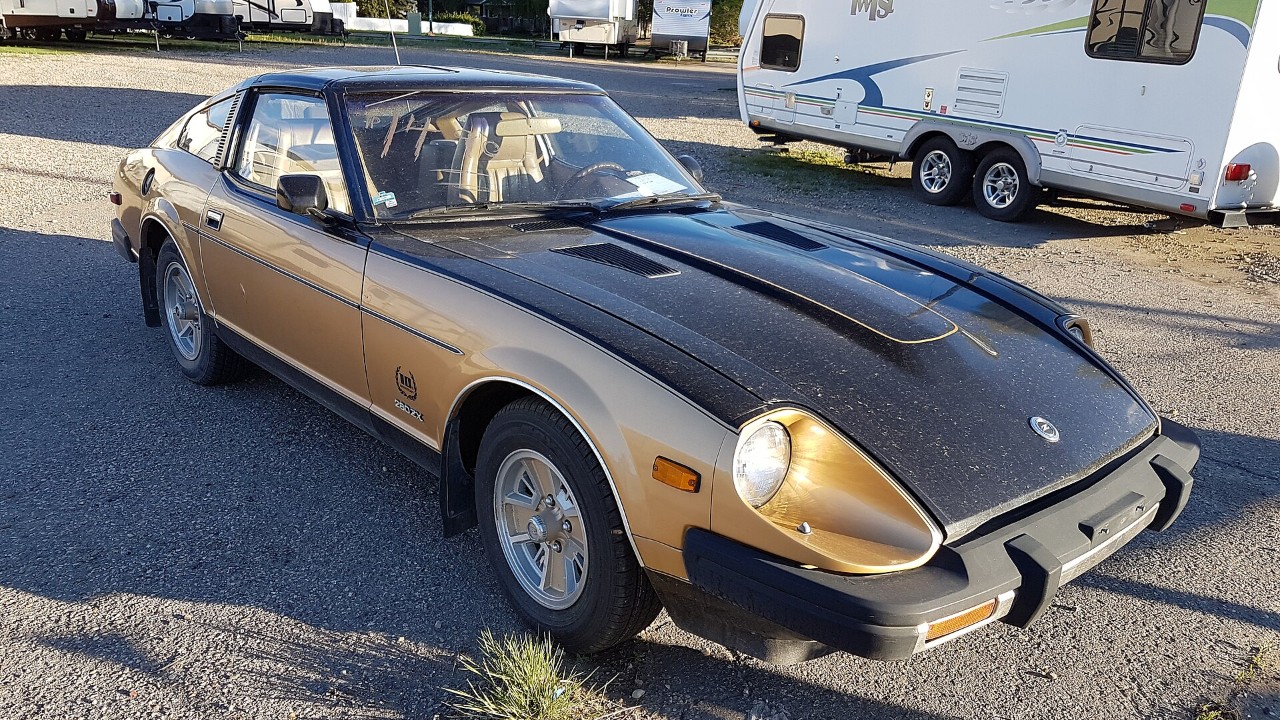
For 1980, Datsun marked ten years of the Z car with a special 280ZX. It built 3,000 of them: 2,500 in black and gold and 500 in black and red. Each got two-tone paint, leather seats and other special trim.
The base car was strong. Motor Trend named the 280ZX its import car of the year for 1979, and the 2.8-liter L28E six made 135 hp in 1979 and 1980. From 1980, buyers could also order a removable T-bar roof on both the two-seater and the 2+2. Later, from 1981, Datsun added a turbocharged L28ET version rated at 180 hp.
Unlike most cars on this list, the 280ZX itself was a sales success. Our point is narrower. In our view, Datsun stopped the anniversary run too soon, and 3,000 cars weren’t enough for a milestone this important.
That scarcity is why we’d stop for a 10th Anniversary car today. If you find one, check that the two-tone paint is original, and confirm the leather interior matches the edition.
8. 1964 Datsun Bluebird 1200 Deluxe
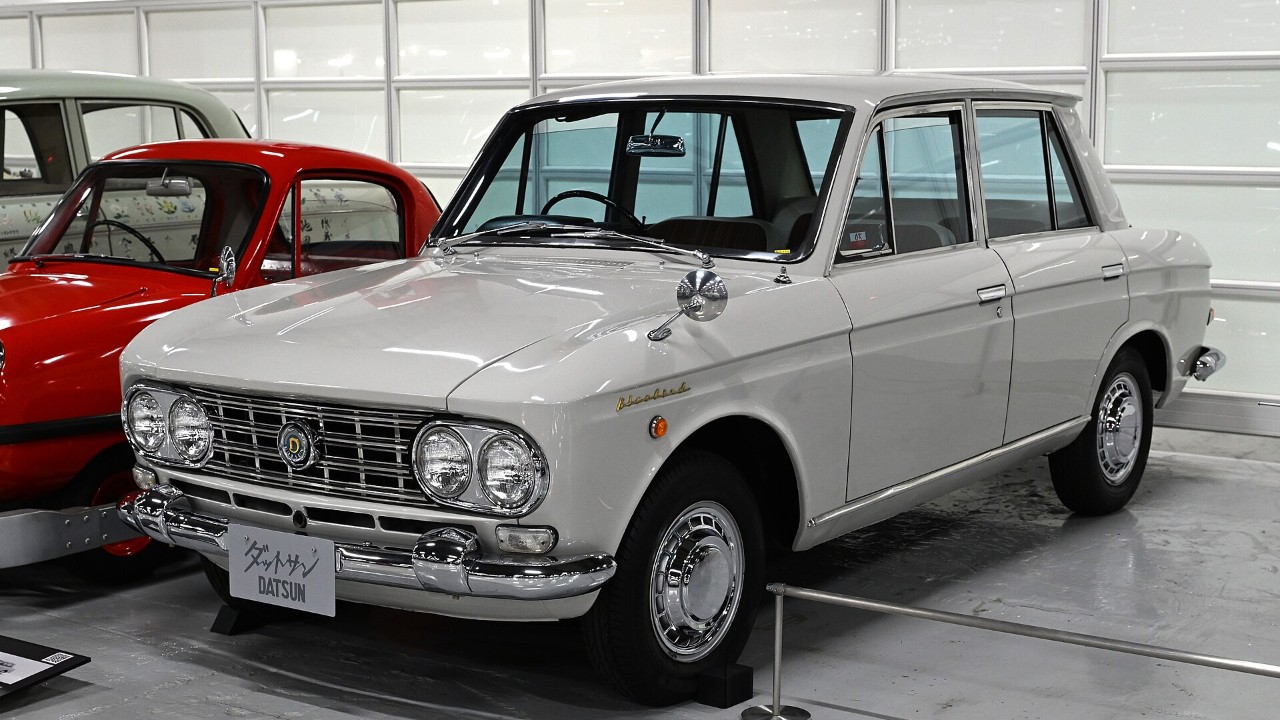
In September 1963, Nissan gave the Bluebird a boxier new body styled by Pininfarina, with European cues. This 410-series car came in a five-model lineup that included the 1200 Standard, the 1200 Deluxe, the Fancy Deluxe and a wagon. All of them used the 1.2-liter E-type four. Then, in May 1965, Nissan enlarged the base engine to a 1.3-liter rated at 67 PS.
Sport versions followed quickly. The SS arrived in March 1964 with a tuned 1.2-liter engine, and then the twin-carburetor 1.6-liter SSS appeared in May 1965. That SSS badge stayed in the Bluebird range until 2001.
The 410 also traveled. About 700 went to Finland, where Datsun passed Saab and Triumph in registrations around that time, and roughly 10,510 kits were assembled in Mexico.
Our take: an Italian-styled family sedan from Japan deserved more attention than it got. In our opinion, the Bluebird 1200 Deluxe was a good-looking car that should have found a far bigger audience abroad. Besides, the Pininfarina connection makes it a great talking point today.
More from Fast Lane Only