The automotive industry is undergoing a significant transformation with the rise of direct-to-consumer (DTC) car sales. This model bypasses traditional dealerships, offering consumers a more streamlined and personalized purchasing experience. As technology advances and consumer preferences shift, the DTC model is set to reshape the future of car buying.
The Evolution of Car Sales
Historical Context of Traditional Car Dealerships
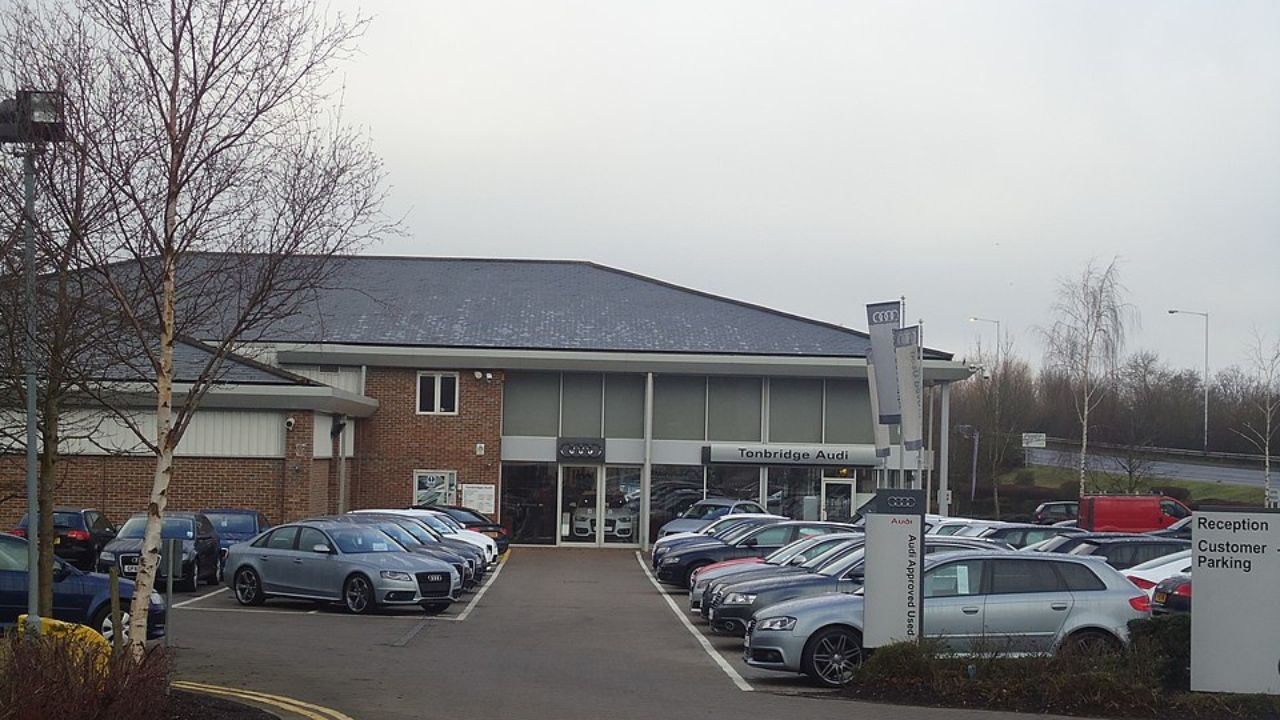
For much of the 20th century, car dealerships were the cornerstone of the automotive sales industry. These dealerships served as the primary interface between car manufacturers and consumers, providing a venue where potential buyers could see, touch, and test-drive vehicles before making a purchase. Dealerships played a crucial role in educating consumers and facilitating financing options, acting as middlemen in the car buying process. However, as the digital age progressed, the traditional dealership model began facing increasing challenges. High overhead costs and a reliance on in-person sales tactics made it difficult for many dealerships to adapt to rapidly changing consumer expectations.
In recent years, traditional dealerships have struggled to keep up with the demands of a new generation of consumers who value convenience, transparency, and efficiency. The emergence of online automotive platforms has introduced new ways for buyers to research and purchase cars, often without ever stepping foot in a dealership. These digital experiences have highlighted some of the limitations of the traditional dealership model, such as lengthy negotiation processes and limited inventory options.
The Shift Towards Online Purchasing

As e-commerce has revolutionized various industries, its influence on car buying has become increasingly apparent. Consumers have grown accustomed to the convenience and transparency offered by online platforms, where they can easily compare prices, read reviews, and access detailed product information. This shift in consumer behavior has led to a growing demand for digital buying experiences in the automotive sector, prompting manufacturers to explore direct-to-consumer sales models.
The growth of online car sales platforms highlights the increasing popularity of purchasing vehicles online. These platforms offer a wide range of vehicles with detailed descriptions, pricing transparency, and home delivery options, appealing to consumers who prefer a hassle-free buying experience. The success of these platforms underscores the potential for direct-to-consumer car sales to become a dominant force in the automotive industry.
Advantages of Direct-to-Consumer Car Sales
Enhanced Customer Experience

One of the primary benefits of the direct-to-consumer model is the enhanced customer experience it offers. By eliminating the intermediary role of dealerships, manufacturers can provide a more personalized and customized buying process. Buyers can use online configurators to build and order a vehicle tailored to their specific preferences, from color and interior options to advanced technology features. This level of personalization is often difficult to achieve within the constraints of a traditional dealership setting.
Additionally, the direct-to-consumer model simplifies the purchasing process, offering greater transparency and reducing the stress associated with negotiating prices and dealing with sales personnel. Consumers can access clear pricing information and make informed decisions without the pressure of in-person sales tactics. Tesla, for example, has successfully adopted this model, allowing customers to configure and purchase vehicles directly through its website, which has contributed to its strong brand loyalty and customer satisfaction.
Cost Efficiency and Savings
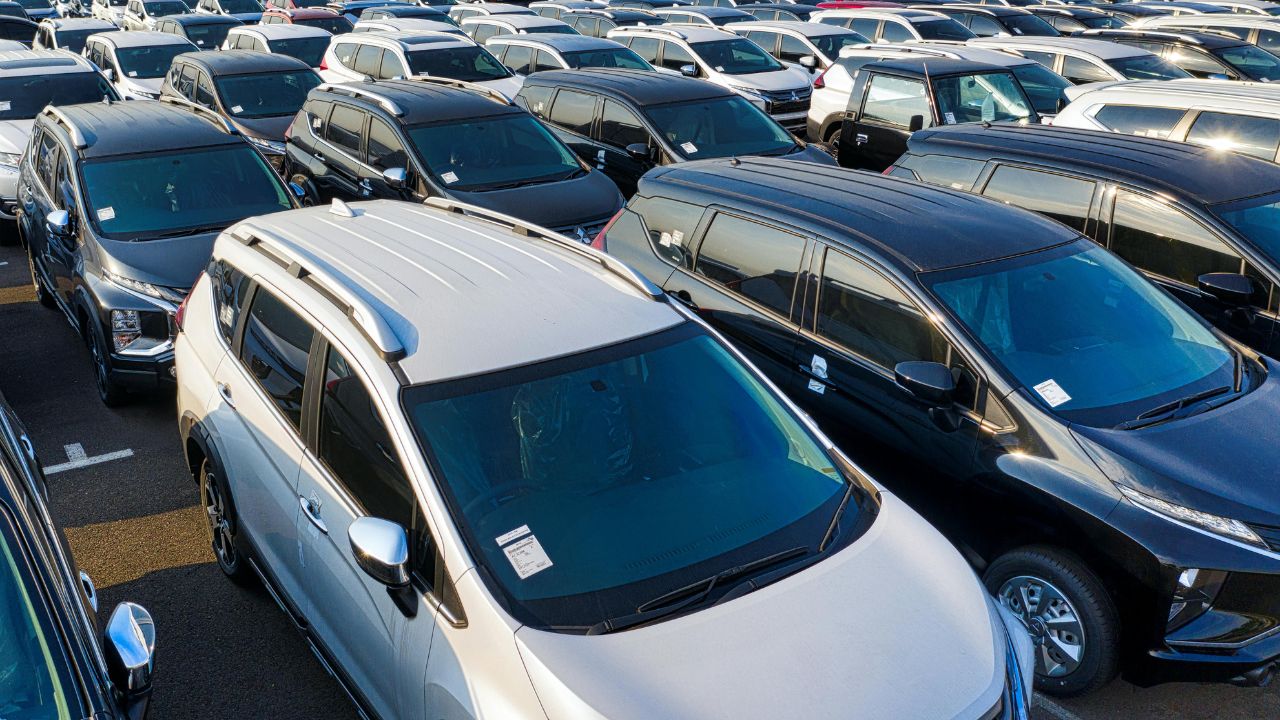
Another significant advantage of direct-to-consumer car sales is the potential for cost efficiency and savings for both manufacturers and consumers. By bypassing traditional dealerships, manufacturers can reduce overhead costs associated with maintaining physical showrooms and large sales staff. These cost savings can be passed on to consumers in the form of lower vehicle prices, making cars more affordable and accessible to a wider audience.
Furthermore, the direct-to-consumer model enables manufacturers to operate more efficiently by streamlining their supply chains and production processes. By gathering direct feedback from consumers, manufacturers can better align their offerings with market demands, reducing waste and maximizing profitability. This approach not only benefits manufacturers but also contributes to a more sustainable and environmentally friendly automotive industry.
Technology Driving the Change
Role of Digital Platforms and Tools

Technology plays a pivotal role in the success of direct-to-consumer car sales, with digital platforms and tools transforming the way consumers interact with car manufacturers. Online configurators and virtual showrooms provide an immersive experience, allowing potential buyers to explore and customize vehicles from the comfort of their homes. These tools offer a level of convenience and engagement that traditional dealerships often struggle to match.
Moreover, the adoption of augmented reality (AR) and virtual reality (VR) technologies has further enhanced the car buying experience. Companies like Audi and Porsche have integrated AR and VR into their sales processes, enabling customers to visualize and interact with vehicles in a virtual environment. This technology not only enhances the purchasing experience but also helps customers make more informed decisions by providing a realistic representation of the vehicle they are considering.
Data Analytics and Customer Insights

Data analytics and customer insights are crucial components of the direct-to-consumer sales model, allowing manufacturers to tailor their marketing and sales strategies to meet the needs of individual consumers. By leveraging data analytics, manufacturers can gain a deeper understanding of consumer preferences and behavior, enabling them to create more targeted and effective marketing campaigns.
Artificial intelligence (AI) is also playing an increasingly important role in enhancing customer service and support. AI-driven chatbots and virtual assistants can provide real-time assistance to consumers, answering questions and guiding them through the purchasing process. These technologies not only improve the overall customer experience but also enable manufacturers to build stronger relationships with their consumers by providing personalized and timely support.
Challenges and Considerations
Regulatory and Legal Hurdles

Despite the many advantages of direct-to-consumer car sales, there are several challenges and considerations that manufacturers must navigate. One of the primary hurdles is the complex regulatory and legal landscape governing car sales in different regions. State laws and dealership franchise agreements often present significant obstacles to the implementation of direct-to-consumer models, requiring manufacturers to carefully navigate these regulations to ensure compliance.
Lobbying by traditional dealerships also poses a challenge, as these entities may resist changes that threaten their established business models. Efforts to protect the interests of dealerships can lead to legal battles and legislative efforts aimed at restricting the growth of direct-to-consumer sales. Manufacturers must be prepared to address these challenges by working with regulators and policymakers to find mutually beneficial solutions.
Building Consumer Trust and Confidence

Building consumer trust and confidence is another critical consideration for manufacturers adopting direct-to-consumer sales models. Consumers may have concerns about the quality assurance and after-sales service associated with purchasing a vehicle online. Manufacturers must address these concerns by providing comprehensive warranties, reliable customer support, and convenient service options to instill confidence in their products.
Ensuring a seamless and secure online transaction process is also essential to building trust with consumers. Manufacturers must invest in robust cybersecurity measures to protect consumer data and provide a secure platform for online transactions. By prioritizing transparency, security, and customer satisfaction, manufacturers can enhance consumer confidence and drive the growth of direct-to-consumer car sales.
The Future of Car Buying
Predictions for the Automotive Retail Landscape

As the automotive industry continues to evolve, the future of car buying is likely to be shaped by a hybrid model that combines elements of direct-to-consumer and traditional dealership sales. This approach allows manufacturers to capitalize on the strengths of both models, providing consumers with a flexible and comprehensive car buying experience. The integration of digital tools and technologies will play a crucial role in facilitating this transition, enabling manufacturers to offer a seamless and engaging experience to consumers.
The rise of electric and autonomous vehicles is also expected to influence the future of car sales. These vehicles represent a new era of automotive innovation, with unique features and capabilities that may require new sales and marketing strategies. Manufacturers will need to adapt their approaches to effectively communicate the benefits of these vehicles to consumers and differentiate themselves in an increasingly competitive market.
Implications for Manufacturers and Consumers

The shift towards direct-to-consumer car sales has significant implications for both manufacturers and consumers. For manufacturers, this model presents an opportunity to forge closer relationships with consumers, gaining valuable insights into their preferences and needs. By leveraging these insights, manufacturers can innovate and differentiate their products, creating a competitive advantage in the market.
For consumers, the direct-to-consumer model offers greater convenience, transparency, and customization options, enhancing the overall car buying experience. As the industry continues to evolve, consumers can expect even more innovative and personalized offerings from manufacturers, driven by advancements in technology and data analytics. The future of car buying promises to be an exciting and dynamic landscape, with new opportunities for both manufacturers and consumers alike.
Like Fast Lane Only’s content? Be sure to follow us.
Here’s more from us:
*Created with AI assistance and editor review.