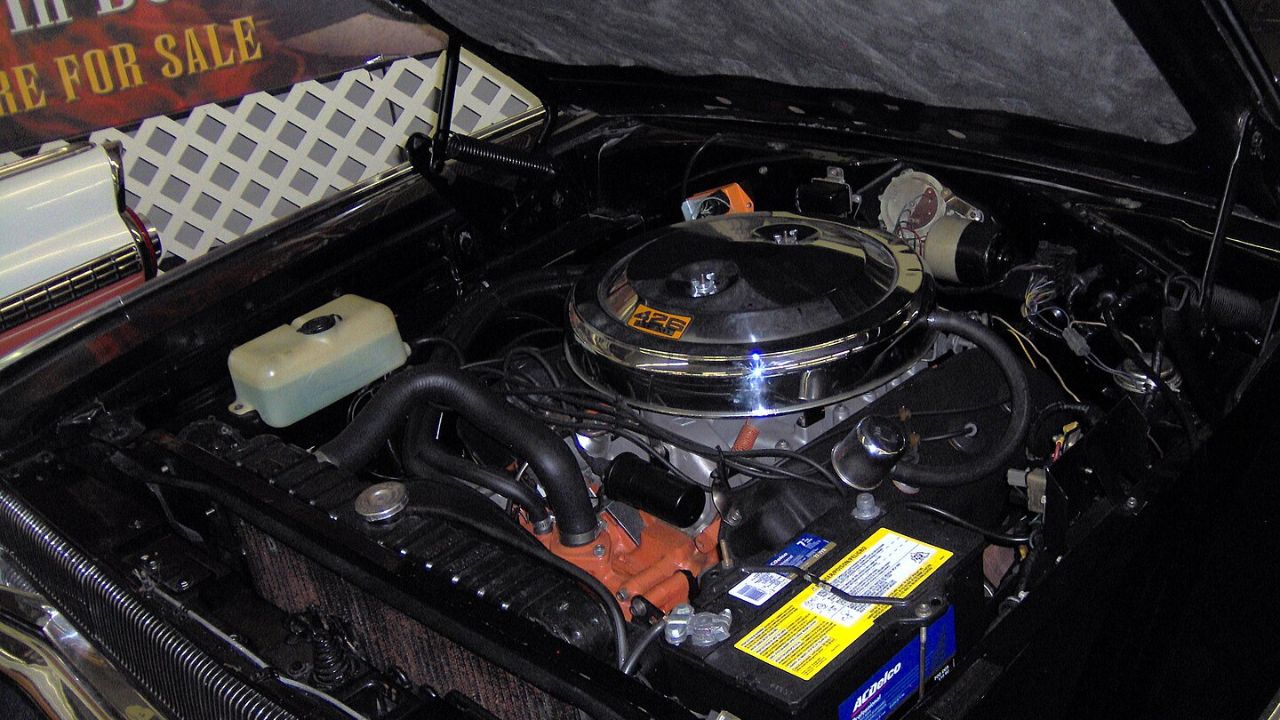
Some big-block engines earned legendary reputations not because they were perfect, but because they could survive years of hard use. Strong blocks, simple designs, generous displacement, and widely available parts helped many of these engines stay on the road for decades. Their durability still makes them popular with enthusiasts today.
Chevrolet 454
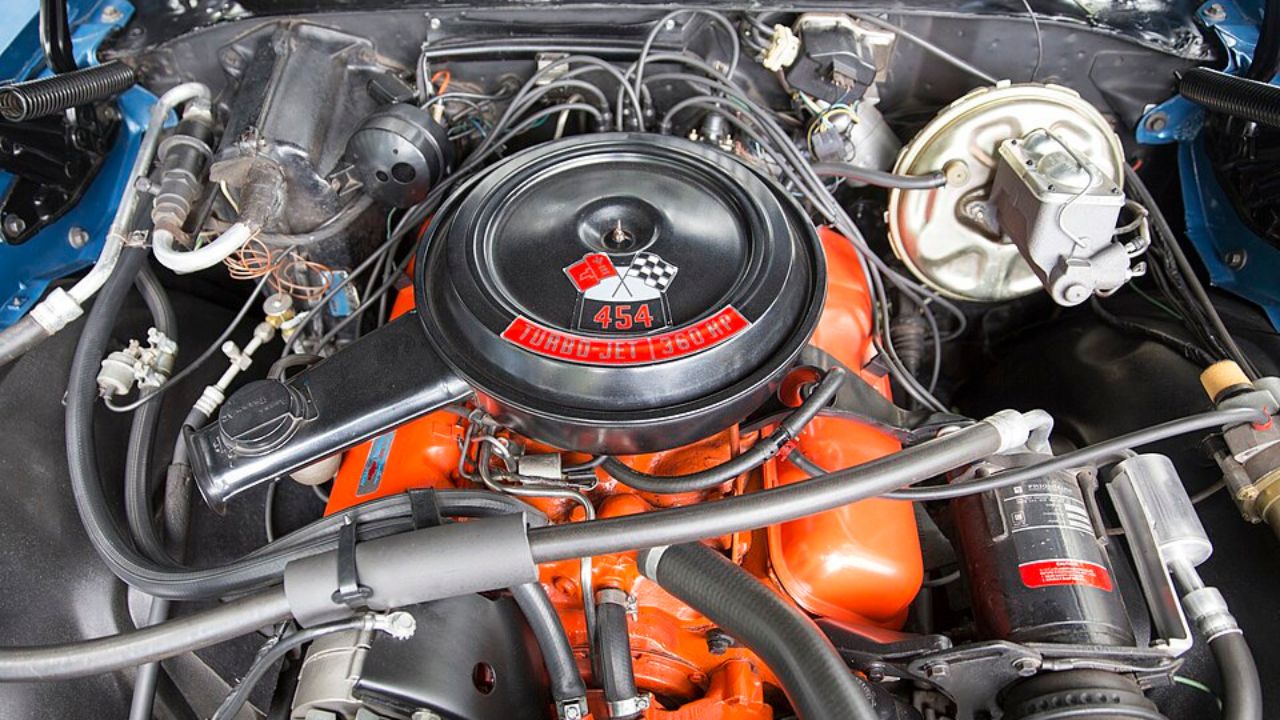
The Chevrolet 454 became one of GM’s most recognizable big-block V8s, powering everything from muscle cars to heavy-duty trucks. Its large displacement and strong bottom end gave it plenty of torque, while its relatively simple design made maintenance straightforward. Many examples have survived decades of use, rebuilding, and modifications. The 454’s combination of strength and parts availability has helped keep it relevant among classic Chevrolet enthusiasts. Properly maintained examples can continue running for years, making this big-block one of the most dependable engines of its era.
Ford 460
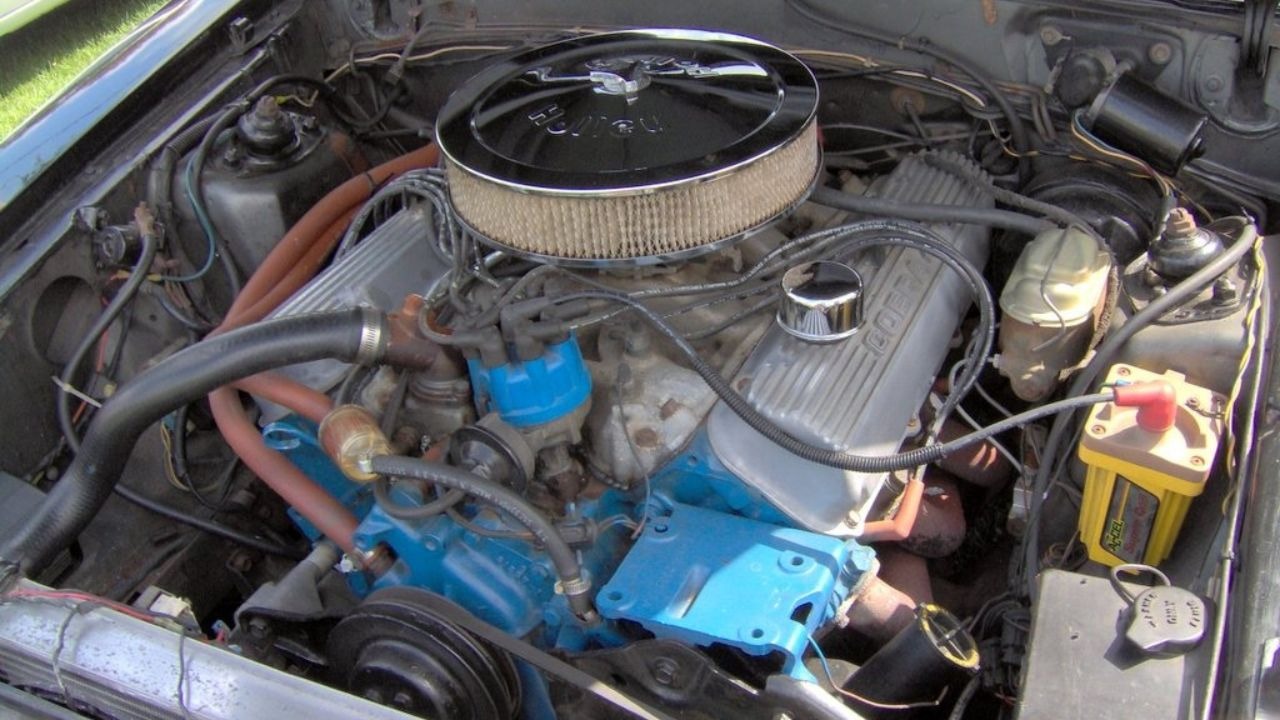
Ford’s 460 cubic-inch V8 became famous for its enormous torque and ability to handle demanding work. Introduced for the 1968 model year, it eventually became a familiar engine in full-size cars, trucks, and motorhomes. Its large displacement allowed it to produce strong low-end power without needing complicated technology. The 460 also developed a huge aftermarket, making replacement parts and rebuild components easy to find. Many have accumulated very high mileage while continuing to perform heavy-duty duties, helping establish the engine’s reputation for durability.
Chrysler 440
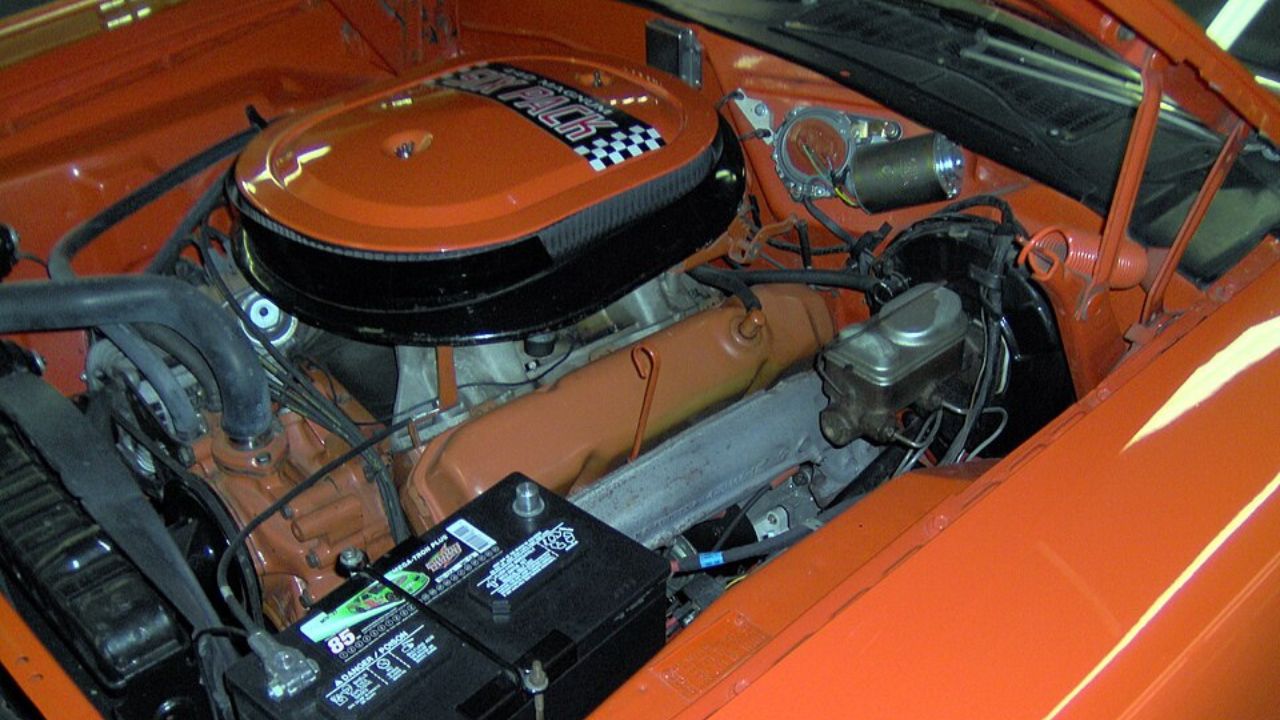
The Chrysler 440 was one of the largest and most widely used Mopar big-block engines. Introduced in the late 1960s, it powered everything from family sedans and station wagons to powerful muscle cars. Its straightforward construction and large displacement gave it impressive torque and excellent durability. The 440 could also tolerate substantial use when properly maintained. Because so many were produced, parts and rebuild knowledge remain widely available. Collectors and restorers continue to value the 440 because it combines classic Mopar character with a reputation for long service life.
Chevrolet 427
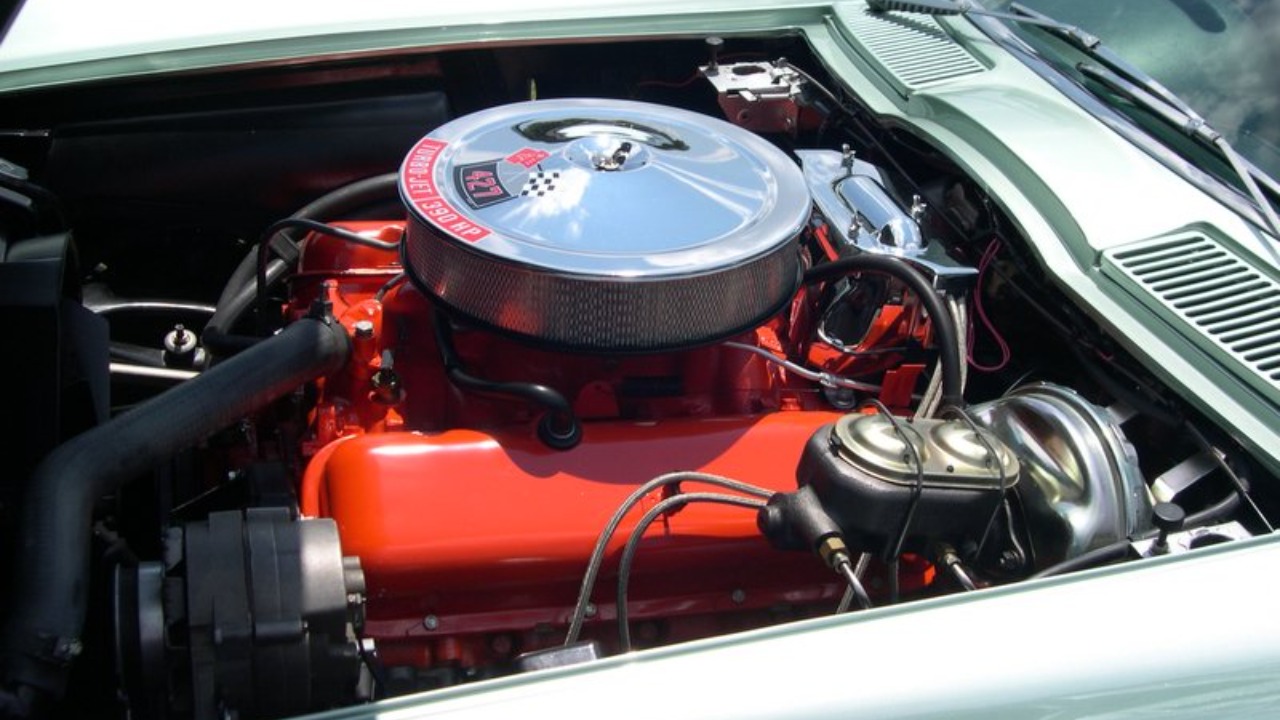
The Chevrolet 427 became famous for its performance, but its underlying big-block architecture was also remarkably strong. Offered in several versions, the 427 appeared in muscle cars, full-size Chevrolets, Corvettes, and performance applications. Its thick castings and robust internal components helped it survive demanding conditions. Different versions varied considerably, from relatively mild street engines to highly developed racing designs. Today, original 427 engines are valuable to collectors, while rebuilt examples remain popular in performance cars. Its reputation comes from both serious power and impressive mechanical strength.
Ford 428 Cobra Jet
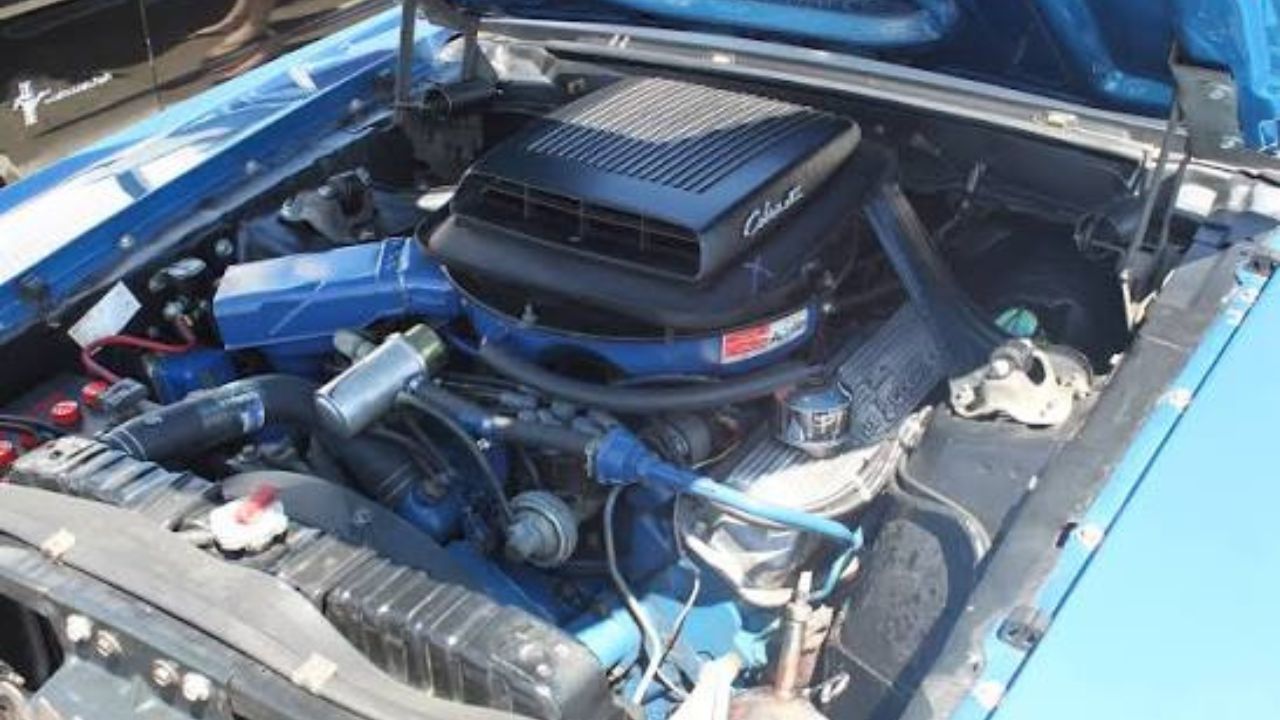
The Ford 428 Cobra Jet is remembered primarily as a muscle-car engine, but its strong construction also helped it withstand hard driving. Introduced in 1968, it combined large displacement with high-performance cylinder heads and heavy-duty components. The engine became closely associated with cars such as the Mustang and Torino. Its relatively simple mechanical design makes it easier to understand and rebuild than many modern engines. Original Cobra Jet engines are highly sought after today, while properly rebuilt examples can continue delivering strong performance decades after leaving the factory.
Pontiac 455
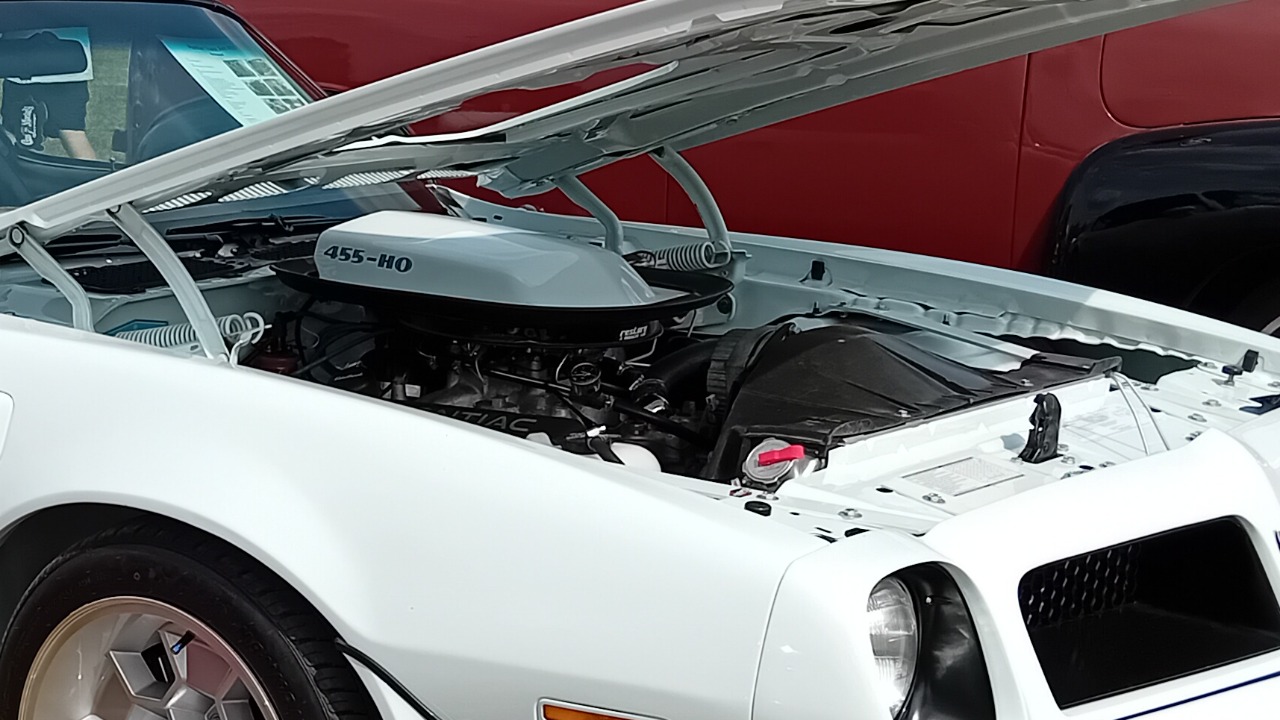
Pontiac’s 455 was designed around enormous displacement and strong torque rather than extreme engine speeds. That approach made it useful in large cars and powerful muscle cars alike. The engine’s long production life resulted in numerous versions, ranging from comfortable street engines to high-performance Super Duty variants. Its sturdy construction and straightforward pushrod layout make it relatively easy to maintain. Many Pontiac 455s have survived decades of restoration and modification. Even today, enthusiasts appreciate the engine for its combination of simplicity, torque, and classic Pontiac character.
Oldsmobile 455
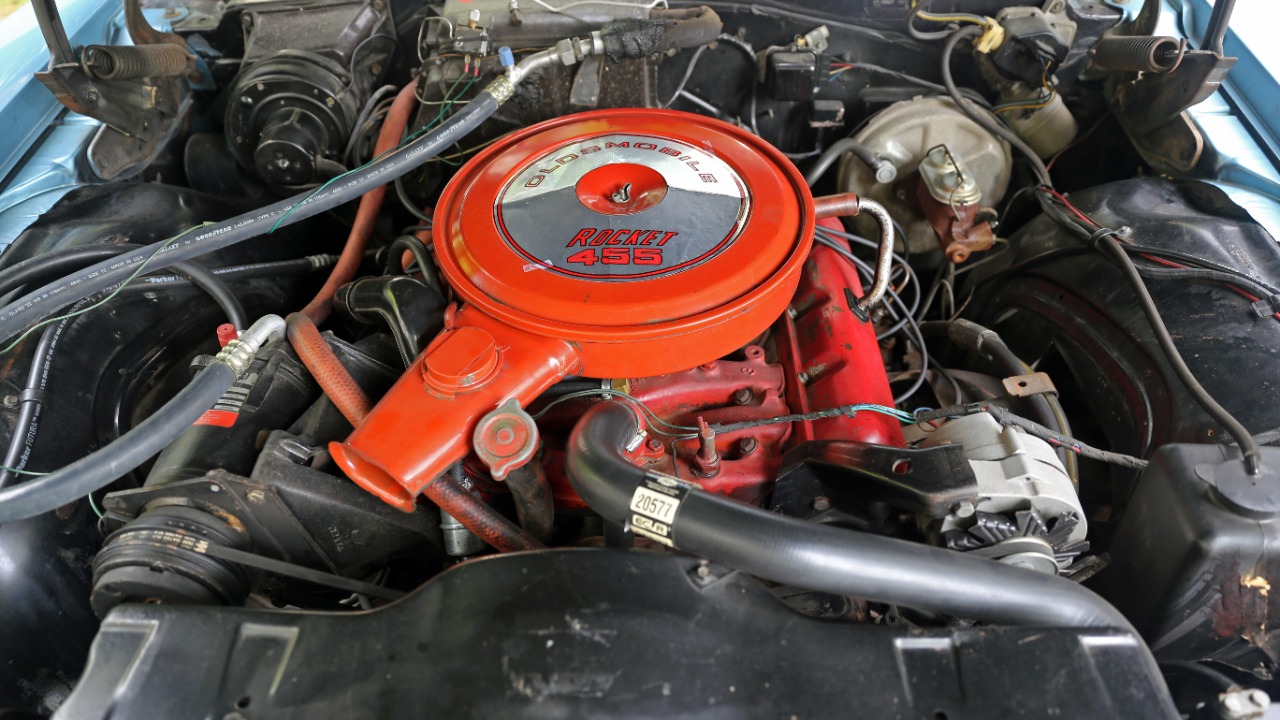
The Oldsmobile 455 was another large-displacement GM engine known for producing substantial torque without needing extremely high RPM. It powered full-size Oldsmobiles, muscle cars, and performance models during the 1960s and 1970s. Its architecture was designed for strong street performance and everyday use. Versions such as the W-30 demonstrated how much performance could be extracted from the basic design. Surviving engines remain popular with Oldsmobile restorers because they are relatively straightforward to rebuild. Their ability to handle long-term use has helped preserve the 455’s reputation.
Buick 455
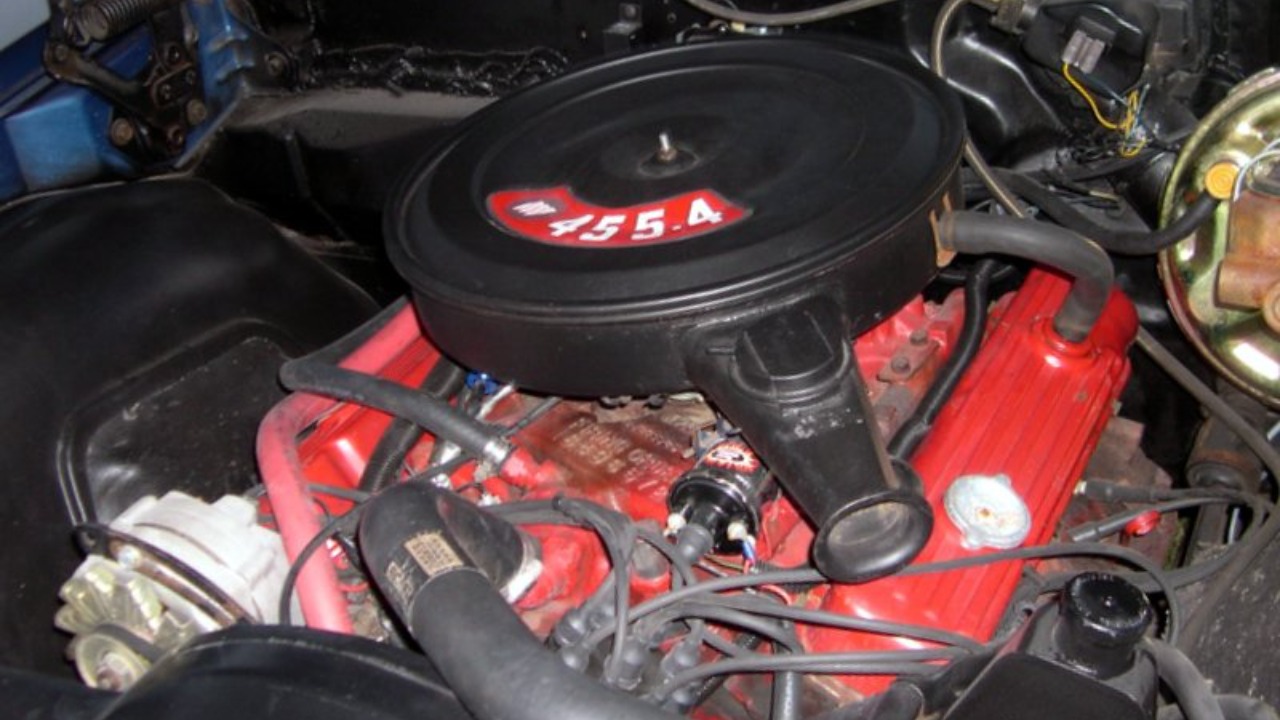
The Buick 455 took a different approach from many other big-blocks by using a relatively lightweight design for its displacement. It produced enormous torque, making it particularly effective in large cars and performance models. The Stage 1 version became especially famous for its combination of torque and street manners. The engine’s simple pushrod layout also made maintenance relatively uncomplicated. Surviving Buick 455s are now important pieces of GM history, especially when connected to original muscle cars. Properly rebuilt examples can remain reliable performers decades after production ended.
Chevrolet 396
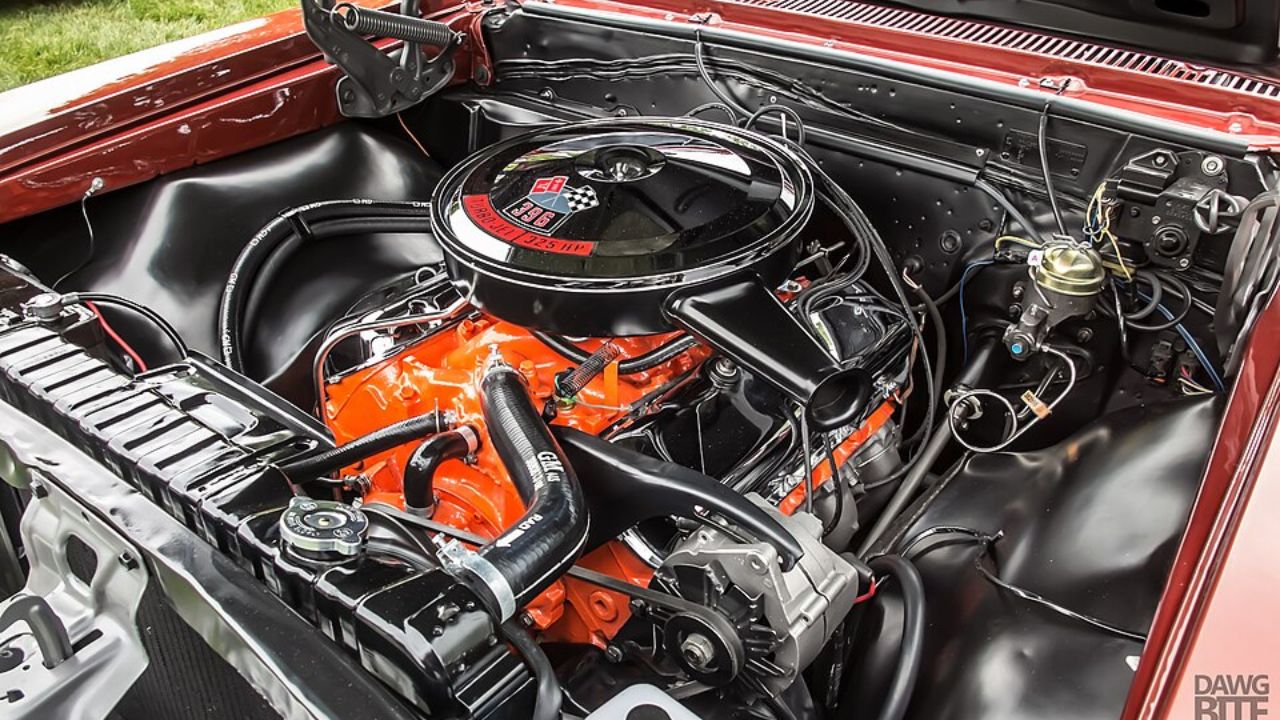
The Chevrolet 396 helped define the classic muscle-car era when it arrived in the mid-1960s. It was used in popular performance cars including the Chevelle, Camaro, and Impala. Although smaller than several other big-blocks, the 396 offered a strong combination of displacement, torque, and durability. Its traditional pushrod design kept the mechanical layout relatively simple. Many were rebuilt multiple times over their lives and continued serving in street and racing applications. Today, the 396 remains a popular choice for restorations because parts and technical knowledge are still widely available.Chevrolet 402
Ford 390

Ford’s 390 FE became one of the company’s best-known big-block engines, appearing in cars, trucks, and performance models. Its versatility was one of its greatest strengths. The engine could provide dependable everyday service while also supporting higher-performance applications. The FE family was built around a durable architecture that proved useful across many vehicle types. With proper maintenance, these engines could accumulate substantial mileage. Today, the 390 remains popular among Ford enthusiasts because replacement parts, rebuilding knowledge, and performance upgrades are still widely available.
Ford 428
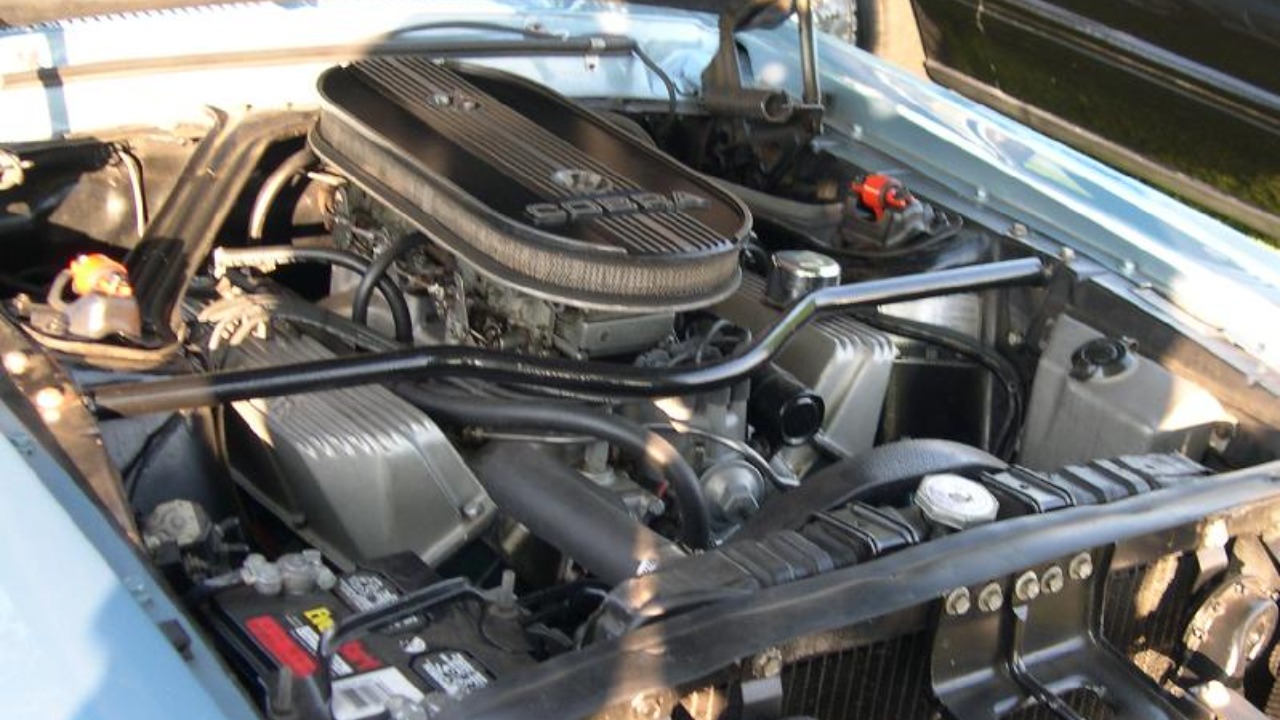
The Ford 428 was another member of the FE family that became famous for strong street performance. Versions such as the 428 Cobra Jet and Super Cobra Jet gave the engine an especially important place in Ford muscle-car history. Beneath the performance image was a durable big-block design capable of handling significant torque. Its relatively simple mechanical construction also makes it approachable for restoration work. Original engines are now valuable, while rebuilt units remain popular for classic Ford projects. The 428 continues to demonstrate why the FE family has such a loyal following.
Chrysler 426 Hemi
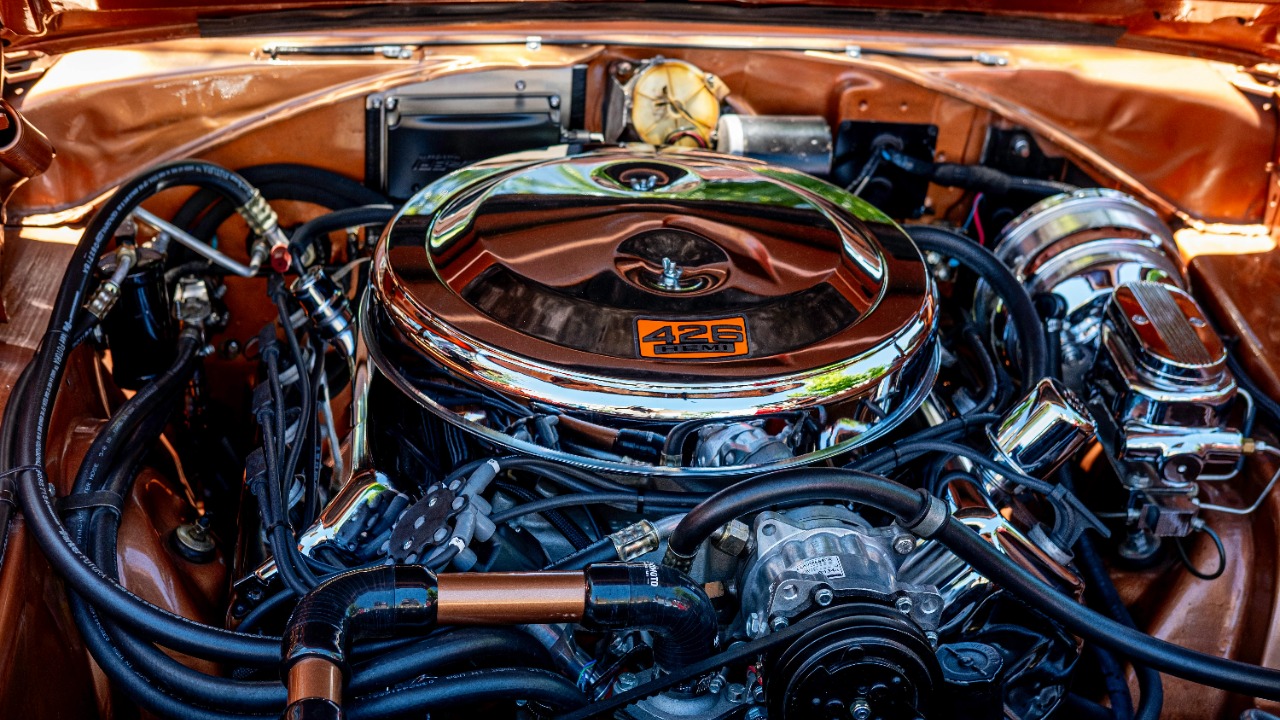
The Chrysler 426 Hemi is one of the most famous American big-blocks ever produced. Its hemispherical combustion chambers allowed Chrysler to develop exceptional performance for the period, especially in drag racing and NASCAR-related applications. Despite its racing reputation, the basic engine architecture was extremely robust. Heavy-duty components helped it withstand demanding operation when properly assembled and maintained. Genuine original examples are highly prized by collectors today. The 426 Hemi’s combination of strength, engineering, and motorsport history ensures that it remains one of the most recognizable big-block engines ever built.
Pontiac 421
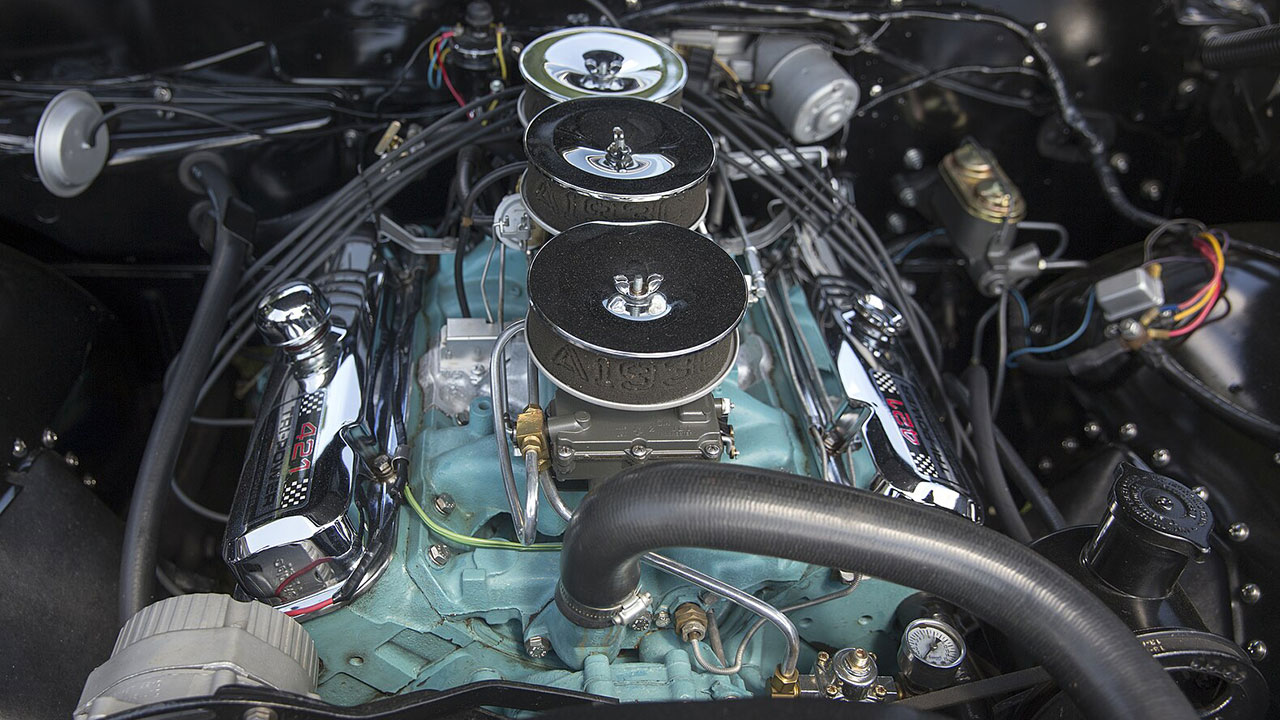
The Pontiac 421 was one of the company’s major high-performance engines before the 455 era. Large displacement, strong torque, and durable construction made it an important part of Pontiac’s performance history. Versions such as the Super Duty 421 were particularly advanced for their time. The engine’s traditional pushrod layout also kept the basic mechanical system straightforward. Original 421 engines are now difficult to find, especially in correct factory specifications. Their survival over decades demonstrates the durability of Pontiac’s early big-block architecture and the care taken by many collectors to preserve them.
Chevrolet 409
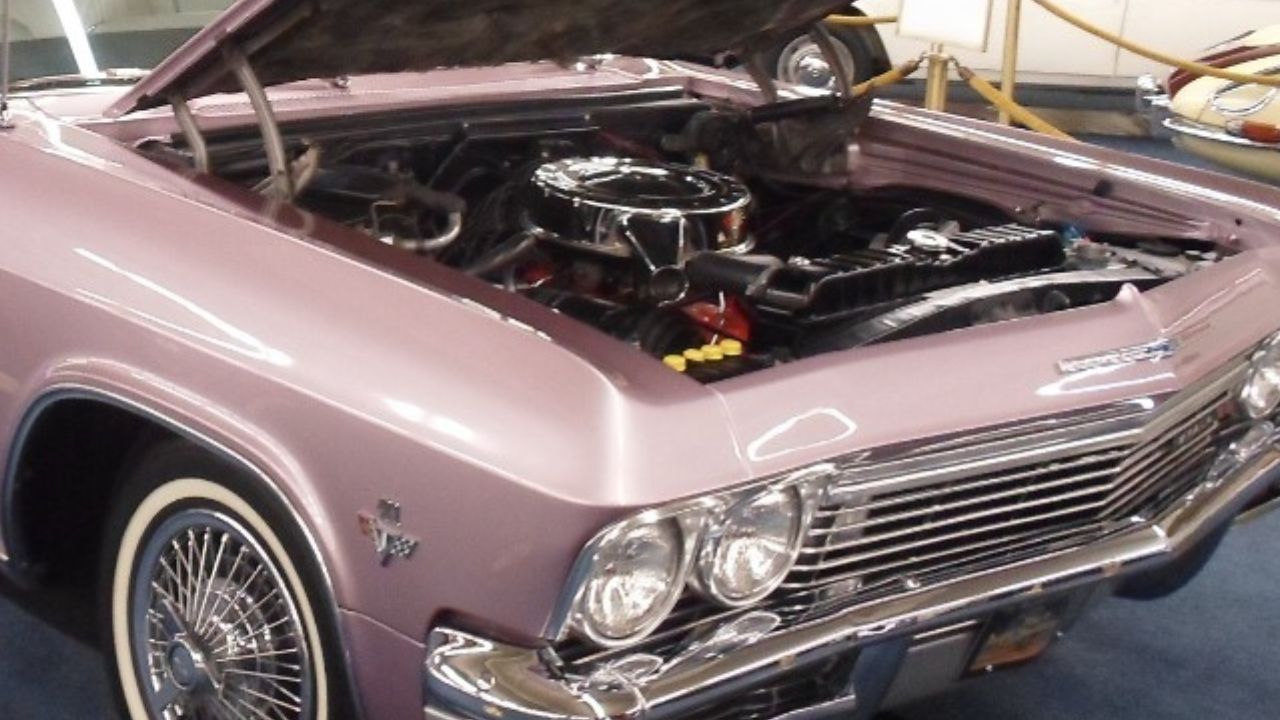
The Chevrolet 409 became famous through the Impala and its association with early-1960s American performance culture. Its distinctive design and large displacement gave it strong power for the period. More importantly, the engine was built with the kind of straightforward mechanical construction that allowed it to be maintained and rebuilt for years. The 409 eventually disappeared from production, but surviving examples remain highly valued. Restorers continue to seek original components because complete engines are increasingly difficult to find, making the 409 both durable and historically significant.
Chevrolet 427 L88

The Chevrolet 427 L88 was an extreme high-performance version of the Mark IV big-block, developed with racing in mind. It used specialized components designed to withstand demanding operation and produce exceptional power. Very few road-going examples were produced, which makes surviving engines exceptionally valuable to collectors. The L88’s strength was closely connected to its competition-oriented design rather than everyday comfort. Even decades later, original engines are carefully preserved because they represent one of Chevrolet’s most serious factory performance efforts. Its rarity makes an untouched L88 especially difficult to replace.
Ford 427 FE

The Ford 427 FE became legendary through Ford’s racing programs and powerful street applications. It was produced in several configurations, including high-performance versions with specialized cylinder heads and internal components. The engine’s heavy-duty construction allowed it to withstand serious competition use while remaining based on a traditional pushrod architecture. Original 427s are now highly collectible, particularly when connected to historically significant Ford models. Rebuilt examples are also popular in classic performance cars because the engine combines unmistakable period character with a proven ability to handle substantial power.
Ford 429 Boss
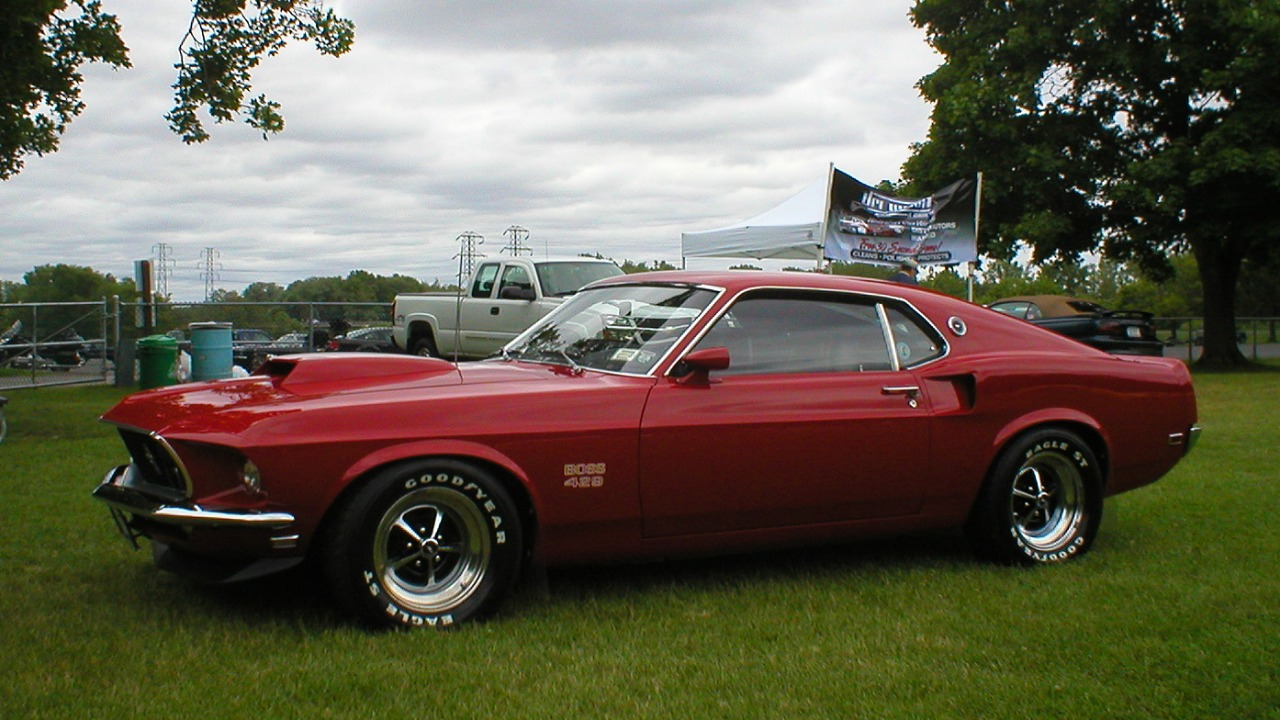
The Ford 429 Boss was created as a high-performance engine for Ford’s racing efforts and was adapted for production vehicles. Its large displacement, specialized cylinder heads, and strong internal components gave it serious performance potential. The Boss 429 Mustang made the engine particularly famous, and original examples are now among the most desirable Ford muscle-car engines. Its competition-focused design also contributed to its mechanical strength. Surviving engines are often preserved carefully today because replacing original components can be extremely expensive and difficult.
Chevrolet 502
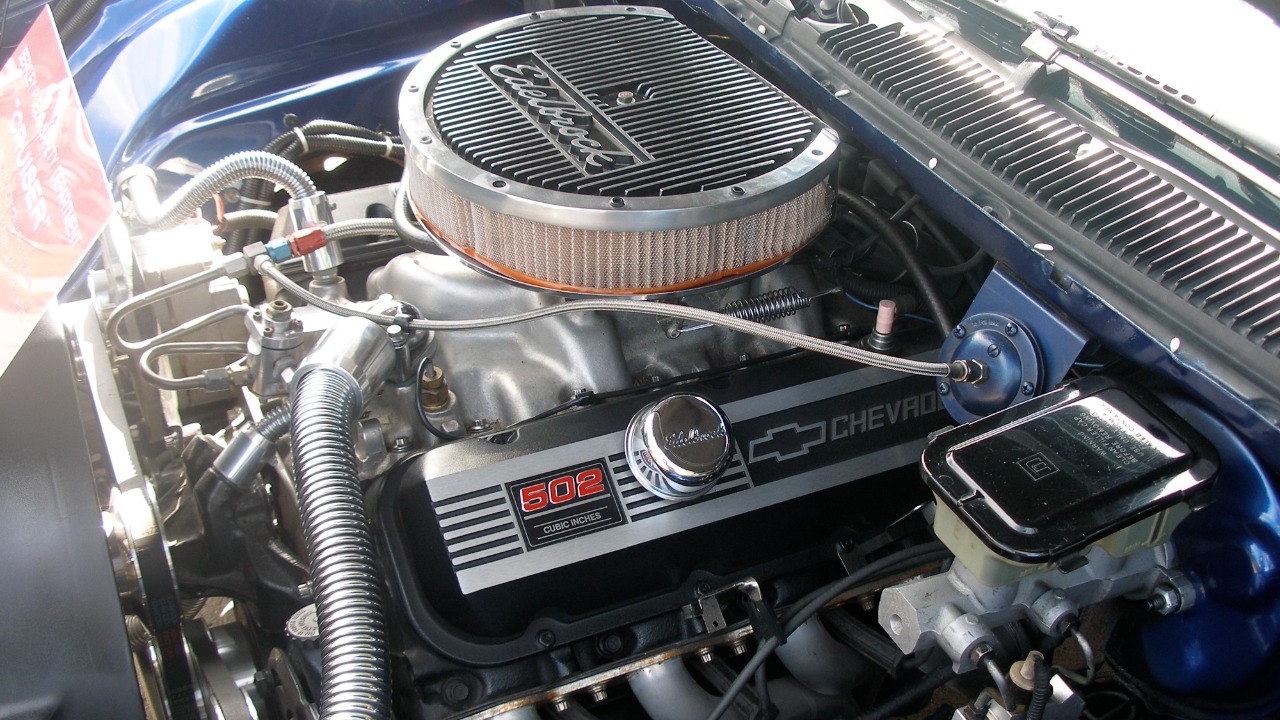
The Chevrolet 502 belongs to the later generation of GM big-block crate engines rather than the classic muscle-car era. Its 502-cubic-inch displacement provides substantial torque, while its traditional big-block architecture makes it relatively straightforward to understand and service. Chevrolet Performance offered versions designed for street rods, muscle cars, trucks, and other applications. Because it was available as a modern replacement engine, parts support remains strong. The 502 demonstrates that the traditional big-block formula remained useful long after the original muscle-car era ended.
More from Fast Lane Only
- Unboxing the WWII Jeep in a Crate
- 15 rare Chevys collectors are quietly buying
- 10 underrated V8s still worth hunting down
- Police notice this before you even roll window down
*Research for this article included AI assistance, with all final content reviewed by human editors.