
Voice recognition technology is revolutionizing how drivers interact with in-car systems, offering a safer and more streamlined experience. With advancements in artificial intelligence and machine learning, these systems are becoming more intuitive and responsive, enhancing convenience and safety on the road. The latest improvements in voice recognition tech are having a significant impact on the automotive industry.
Advancements in Voice Recognition Technology
The integration of artificial intelligence and machine learning algorithms is playing a crucial role in enhancing the accuracy and reliability of voice recognition systems in vehicles. These algorithms allow systems to adapt to different accents and speech patterns, improving their ability to understand commands accurately. For instance, Tesla’s voice command system uses machine learning to update and improve its responses based on user interactions. This continuous learning approach helps in minimizing errors and providing a more seamless user experience.
Natural Language Processing (NLP) has also seen significant improvements, enabling systems to comprehend and respond to complex commands more effectively. Unlike earlier systems that required specific phrases, modern NLP allows users to interact with their vehicles more naturally. Ford’s SYNC 4 system, for example, can understand context and follow-up questions, making it easier for drivers to get the information they need without taking their eyes off the road.
Moreover, multilingual capabilities are becoming a standard feature in many new vehicles. As global automakers strive to cater to an international audience, the development of systems capable of understanding multiple languages is essential. Brands like Mercedes-Benz have incorporated multilingual support in their MBUX infotainment systems, ensuring that drivers worldwide can access features in their preferred language, thus enhancing the overall user experience.
Improving Driver Safety and Convenience
Voice recognition technology significantly enhances driver safety by facilitating hands-free operation, allowing drivers to keep their hands on the wheel and eyes on the road. This reduction in physical interaction with in-car systems minimizes distractions and contributes to safer driving conditions. Systems like Apple CarPlay and Android Auto exemplify this by enabling drivers to send messages, make calls, and control music entirely through voice commands.
The advancements in voice recognition also improve navigation and vehicle control. With real-time updates and adjustments, drivers can seamlessly access navigation directions, adjust climate controls, and manage entertainment options without needing to interact physically with the system. Audi’s MMI system, for instance, allows drivers to alter routes and receive real-time traffic updates through simple voice commands, ensuring a smoother and more controlled driving experience.
A personalized user experience is another significant benefit of modern voice systems. By learning from user habits and preferences, these systems can offer tailored suggestions and anticipate needs. BMW’s Intelligent Personal Assistant, for example, remembers favorite destinations and music preferences, allowing for a more intuitive interaction that feels customized and personal to each driver.
Challenges and Limitations
Despite these advancements, challenges remain, particularly with ambient noise interference. Road noise, conversations, and other environmental sounds can disrupt the accuracy of voice recognition systems. Automakers are investing in noise-canceling technology and more sensitive microphones to mitigate these issues, but complete elimination remains a work in progress.
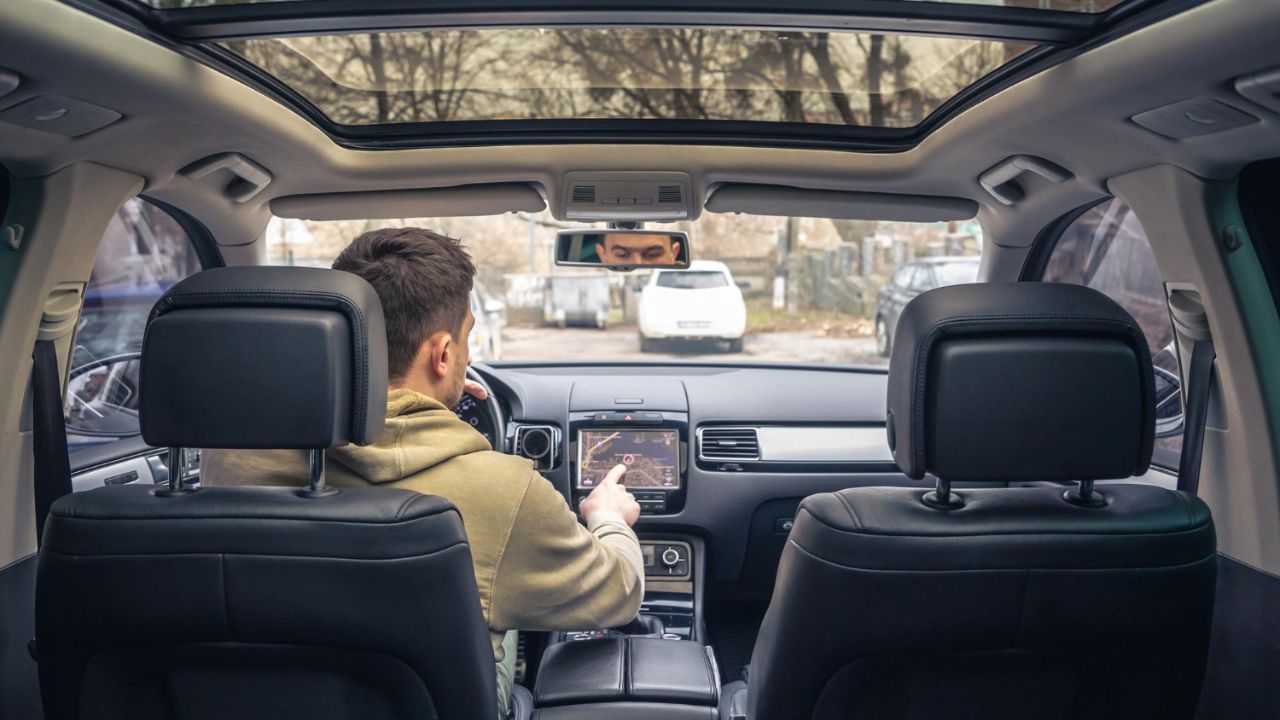
Privacy and security concerns are also at the forefront, as voice data collection raises questions about how information is stored and used. Companies are taking measures to address these concerns, such as by implementing encryption and allowing users to manage their data preferences. However, the potential for data breaches and unauthorized access remains a topic of discussion among consumers and privacy advocates.
The integration of advanced voice recognition technology with existing systems presents technical challenges, particularly in older vehicle models. Retrofitting older cars with new technology can be complex and costly, limiting the accessibility of these advancements to newer vehicles. Manufacturers are exploring ways to make these systems more adaptable, but the transition is gradual.
Future Trends in In-Car Voice Recognition
The future of in-car voice recognition technology is set to expand beyond traditional navigation and control functions. As vehicles become more connected, the scope for voice-activated services is expected to grow, including in-car commerce and personalized entertainment. Imagine a future where you can order a coffee or book a movie ticket directly from your car through a simple voice command.
Connectivity with smart devices and the Internet of Things (IoT) is another promising trend. The potential for cars to interact seamlessly with smart home devices is becoming a reality, allowing drivers to control home appliances, adjust thermostats, or even check security systems from the comfort of their car. This integration creates a connected ecosystem that enhances convenience and efficiency.
Continuous learning and adaptation will also play a pivotal role in the evolution of voice recognition systems. Future systems may constantly learn and adapt to individual users, offering more accurate and personalized interactions. This ongoing learning process will not only improve the accuracy of responses but also make the driving experience more intuitive and enjoyable.
Impact on the Automotive Industry
Superior voice recognition systems provide a competitive advantage for car manufacturers, setting them apart in a crowded market. Companies that invest in cutting-edge voice technology, such as Tesla and BMW, are often seen as industry leaders, attracting tech-savvy consumers who prioritize innovative features.
The evolution of voice tech is also influencing car design and development, particularly in terms of interior layout and user interfaces. As voice commands become more prevalent, the need for physical buttons and dials diminishes, allowing for sleeker and more streamlined interior designs. This shift not only enhances aesthetics but also contributes to a more spacious and ergonomic cabin environment.
Advancements in voice recognition are reshaping consumer expectations for vehicle technology and driving experiences. As these systems become more sophisticated, drivers expect a higher level of interaction and functionality from their vehicles. This shift in expectations is driving manufacturers to continually innovate and improve their offerings, ensuring that voice recognition remains a key component of modern automotive design.